Physics in the News

Saturday, June 14, 2014

An Ocean On Pluto’s Moon? Hopeful Scientists Will Keep An Eye Out For Cracks
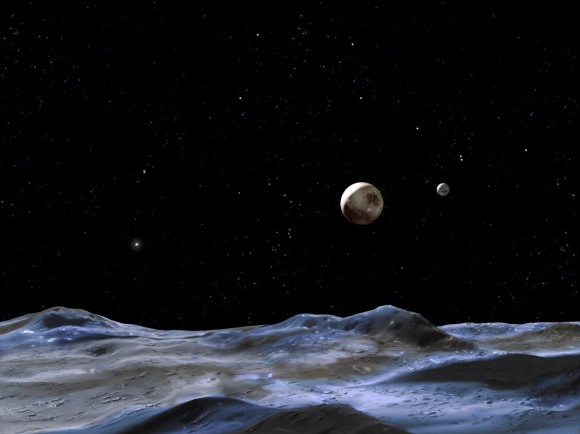
Artist impression of Pluto and Charon (NASA)
via universetoday

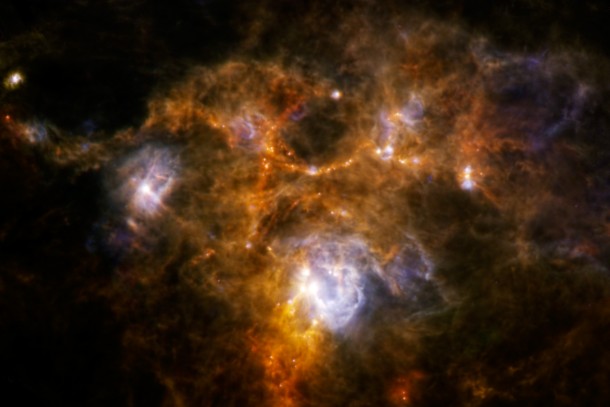
A Puzzling Cosmic Ring

The Herschel Space Observatory has uncovered a weird ring of dusty material while obtaining one of the sharpest scans to date of a huge cloud of gas and dust, called NGC 7538. (Credit: ESA/NASA/JPL-Caltech/Whitman College)
via spacefellowship

‘Dark’ and Powerful Space Explosions May Be Cloaked by Cosmic Dust
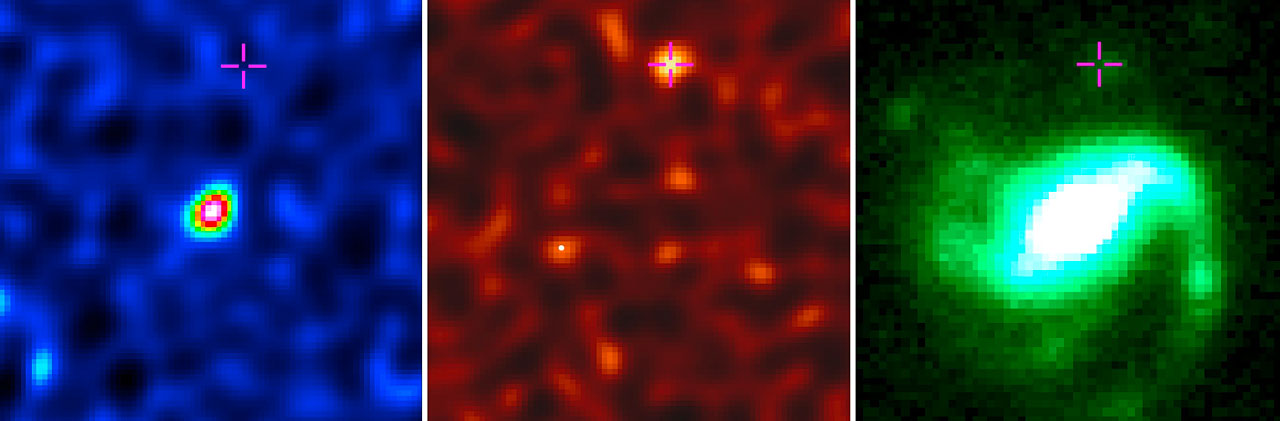
Observations of galaxy GRB 020819B of molecular gas (left) and dust (middle) done by the Atacama Large Millimeter/submillimeter Array (ALMA). At right is a visible-light image from the Frederick C. Gillett Gemini North Telescope. The cross indicates the site of a gamma-ray burst in the region. Credit: Bunyo Hatsukade(NAOJ), ALMA (ESO/NAOJ/NRAO)
Observations of galaxy GRB 020819B of molecular gas (left) and dust (middle) done by the Atacama Large Millimeter/submillimeter Array (ALMA). At right is a visible-light image from the Frederick C. Gillett Gemini North Telescope. The cross indicates the site of a gamma-ray burst in the region.  Credit: Bunyo Hatsukade(NAOJ), ALMA (ESO/NAOJ/NRAO)
via space.com

Two Giant Planets Hiding Beyond Pluto
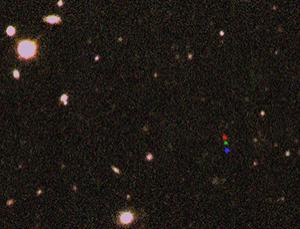
Three images, showing dwarf planet 2012 VP113 in red, then green, then blue, were combined to reveal its path across the night sky (Image: Scott S. Sheppard, Carnegie Institution for Science)
via newscientist

NASA’s Orion spacecraft nearly ready for its mission to Mars
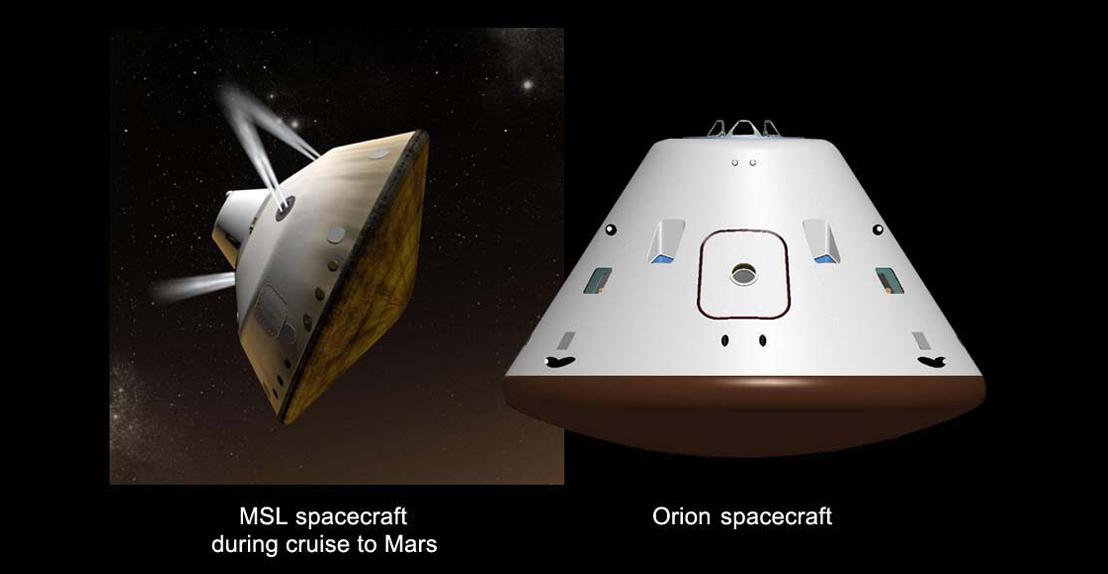
Credit: NASA
Credit: NASA
via asianlite

Images of “The Beast” asteroid blazing past earth
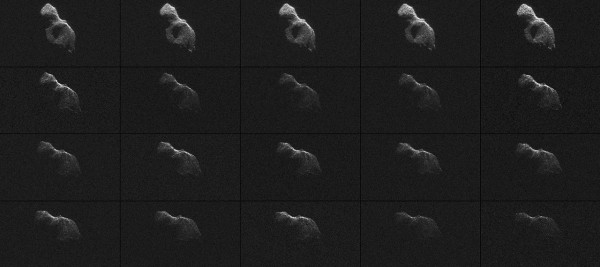
NASA scientists used Earth-based radar to produce these sharp views of the HQ124 asteroid on June 8, 2014. Courtesy of NASA/JPL-Caltech/Arecibo Observatory/USRA/NSF
via nationalgeographic

Physics in the News

Friday, June 13, 2014

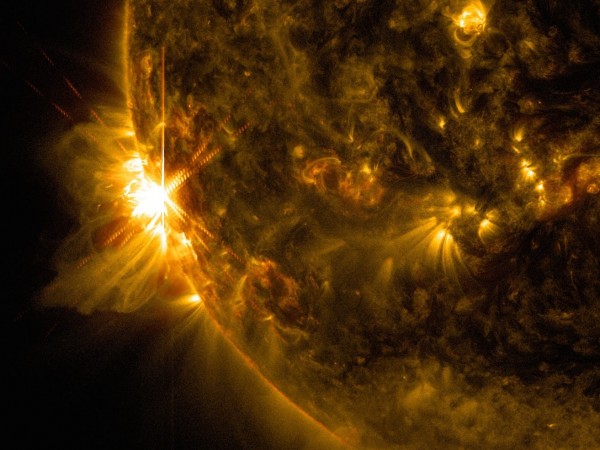
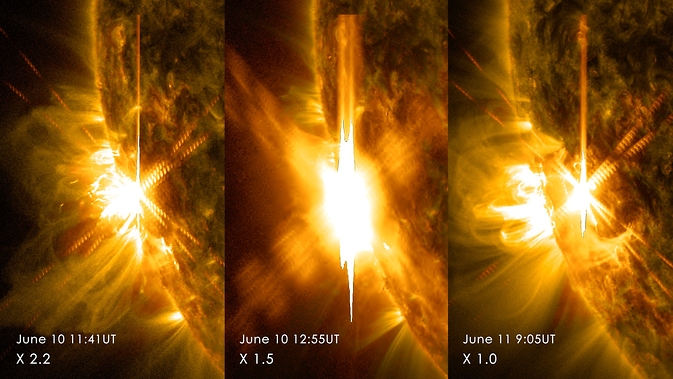
Solar Storm Heading Toward Earth

This image from NASA’s Solar Dynamic Observatory captures the first of three giant flares erupting from the sun’s surface on June 10, 2014. Credit: NASA/SDO/Goddard/Wiessinger
This image from NASA’s Solar Dynamic Observatory captures the first of three giant flares erupting from the sun’s surface on June 10, 2014. (Credit: NASA/SDO/Goddard/Wiessinger)
via newswatch

Stunning Hubble time-lapse of stellar explosion(VIDEO)

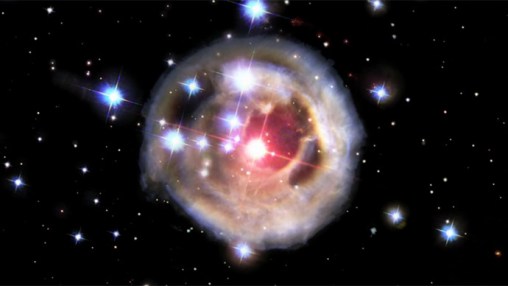
 V838 created an expanding light echo that illuminated the interstellar dust surrounding it and generated one of the most amazing scenes captured by Hubble.
V838 created an expanding light echo that illuminated the interstellar dust surrounding it and generated one of the most amazing scenes captured by Hubble. (Credit: NASA)
via rt.com

NASA to Launch Carbon Dioxide-Monitoring Spacecraft Next Month

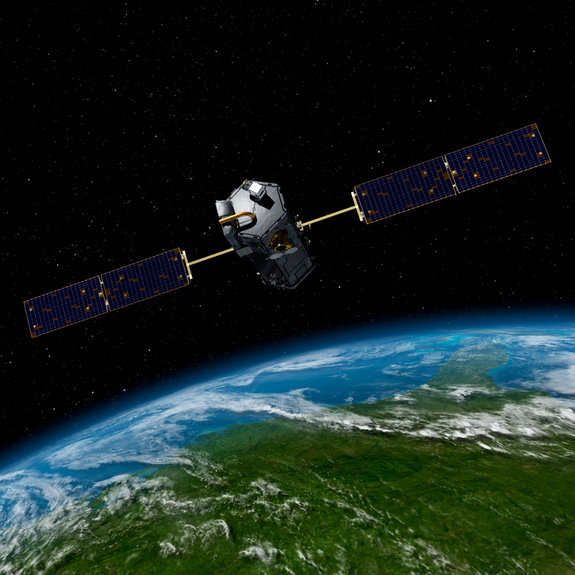
Artist's rendition of the OCO-2 Observatory. Credit: JPL/NASA
Artist’s rendition of the OCO-2 Observatory. (Credit: JPL/NASA)
via space.com

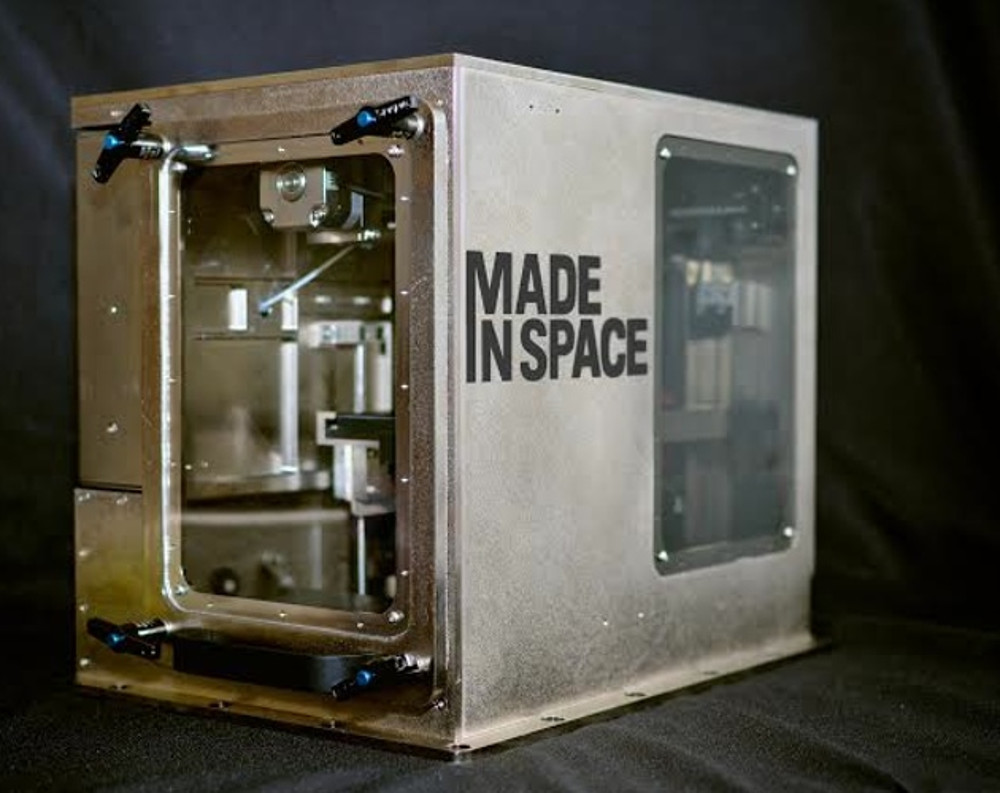
The International Space Station Is About to Get Its First 3D Printer

Made in Space's 3D Printer. Image: Made in Space
Made in Space’s 3D Printer. (Credit: Made in Space)
via motherboard.vice

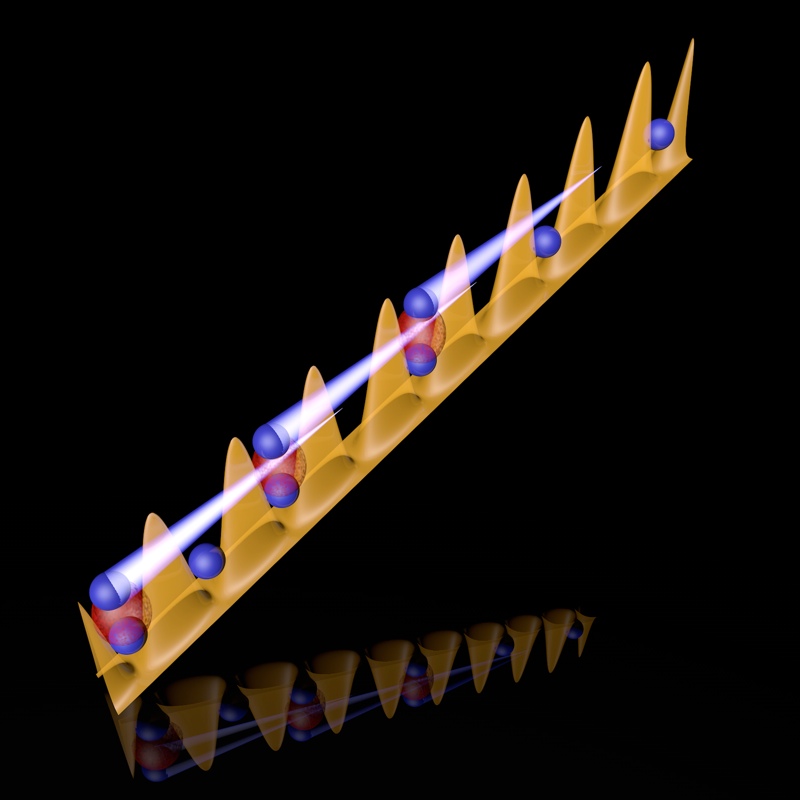
Like Magic! Tiny Particles Can Pass Through Long-Distance Barriers

Quantum particles transmit through a whole series of barriers under conditions where a single particle could not do the move. Credit: University of Innsbruck
Quantum particles transmit through a whole series of barriers under conditions where a single particle could not do the move. (Credit: University of Innsbruck)
via livescience

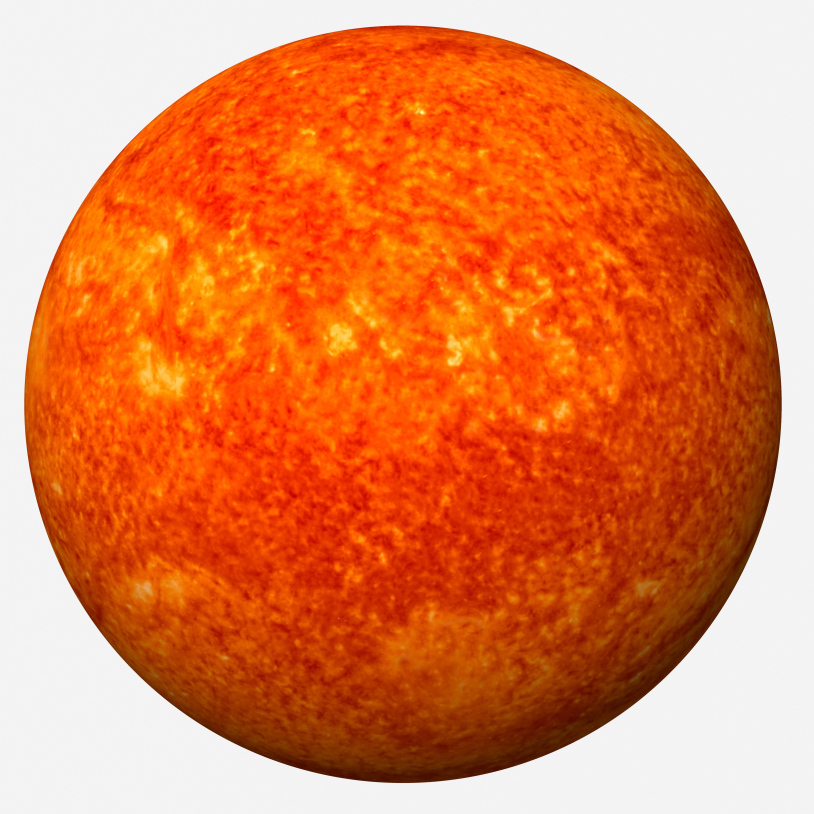
Meet the Cosmic Tootsie Pop

red-giant
There’s a prize hidden inside this red giant. (Credit: Getty Images)
via time

Physics in the News

Wednesday, June 11, 2014

Sun Emits 3 X-class Flares in 2 Days

Three X-class flares erupted from the left side of the sun June 10-11, 2014. These images are from NASA's Solar Dynamics Observatory and show light in a blend of two ultraviolet wavelengths: 171 and 131 angstroms. The former is colorized in yellow; the latter, in red. Image Credit: NASA/SDO
Three X-class flares erupted from the left side of the sun June 10-11, 2014. These images are from NASA’s Solar Dynamics Observatory and show light in a blend of two ultraviolet wavelengths: 171 and 131 angstroms. The former is colorized in yellow; the latter, in red.
Image Credit: NASA/SDO
via nasa.gov


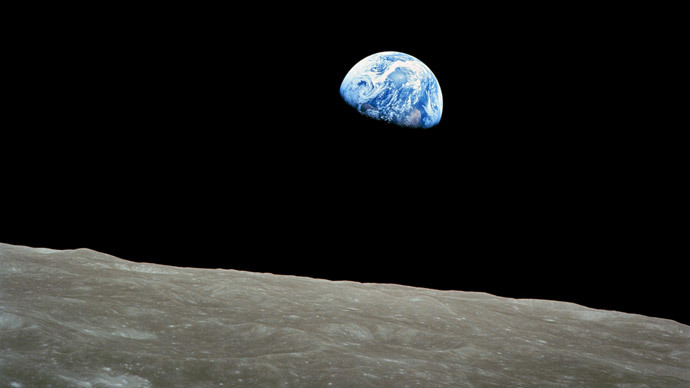
Earth & moon 60 million years older than previously thought

AFP Photo/NASA
AFP Photo/NASA
via rt.com


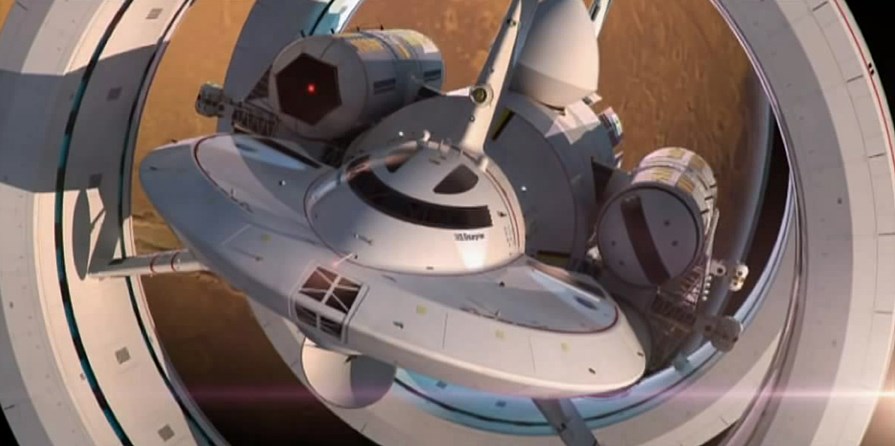
NASA unveils its futuristic warp drive starship – called Enterprise, of course

Image by Mark Rademaker
via extremetech
 

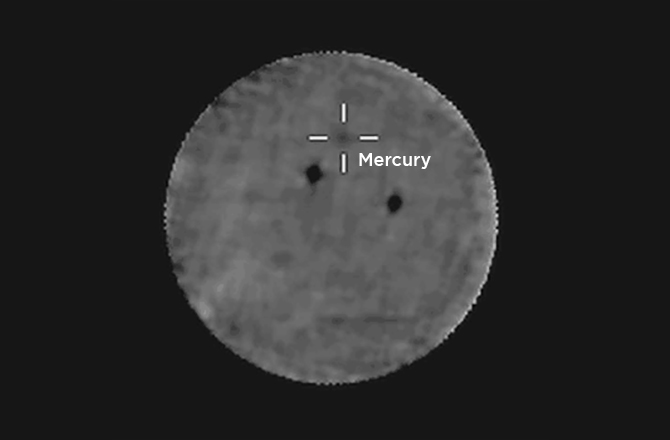
Mars Rover Curiosity Watches Mercury Transit the Sun

NASA/JPL-Caltech/MSSS/Texas A&M
via discovery.com
 

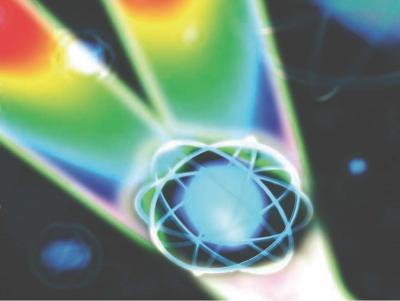
Viewing deeper into the quantum world

Photo Credit: ICFO
Photo Credit: ICFO
via sciencecodex
 

Astronauts’ well-kept secret: ‘Space has a smell’

Tweet from @NASA
Tweet from @NASA

via washingtonpost.com

Physics in the News

Tuesday, June 10, 2014

The Simple Problem Einstein Couldn’t Solve … At First

Einstein fell for this teaser
via farnamstreetblog
 

Black hole? Or wormhole in disguise?

Wormholes-infographic

via cosmonline
 

55-year old dark side of the Moon mystery solved

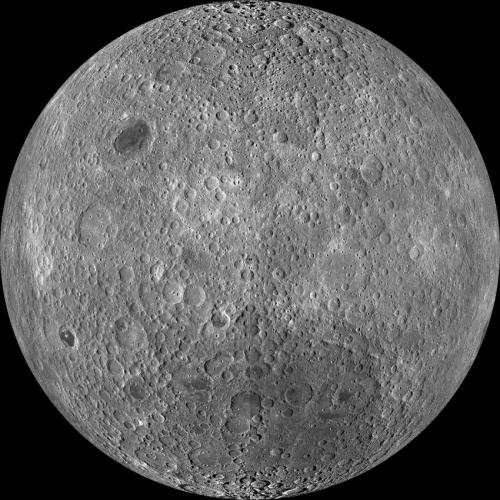
This is a composite image of the lunar farside taken by the Lunar Reconnaissance Orbiter in June 2009, note the absence of dark areas. Credit: NASA
via phys.org
 

Curiosity captures stunning new Mount Sharp panorama ‘on the go’

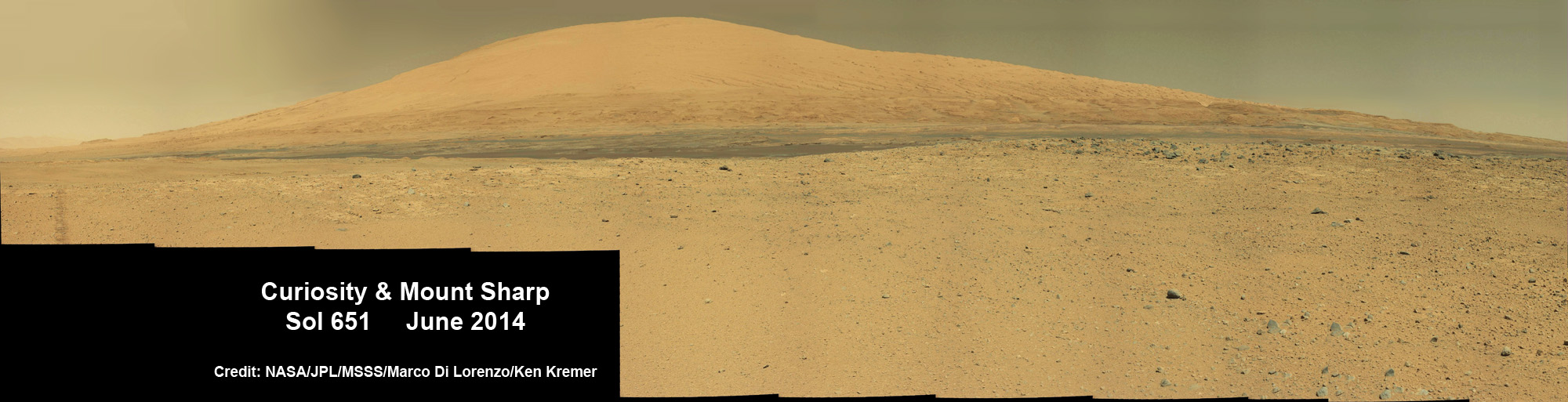
Curiosity rover panorama of Mount Sharp captured on June 6, 2014 (Sol 651) during traverse inside Gale Crater. Note rover wheel tracks at left. She will eventually ascend the mountain at the ‘Murray Buttes’ at right later this year. Assembled from Mastcam color camera raw images and stitched by Marco Di Lorenzo and Ken Kremer. Credit: NASA/JPL/MSSS/Marco Di Lorenzo
via phys.org

Physics in the News

Updated Monday, June 9, 2014

The Very First Vine From Space Captures A Sun That Never Sets

via io9


Quarks in six-packs: Exotic Particle Confirmed

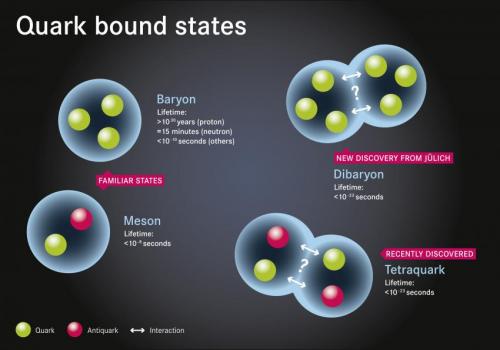
For a long time, physicists were only able to reliably verify two different classes of hadrons: baryons and mesons. Experiments performed at Jülich’s accelerator COSY have now shown that, in fact, another class of exotic particles made up of six quarks exists. Credit: Forschungszentrum Jülich/SeitenPlan CC BY 4.0 Read more at: http://phys.org/news/2014-06-quarks-six-packs-exotic-particle.html#jCp
For a long time, physicists were only able to reliably verify two different classes of hadrons: baryons and mesons. Experiments performed at Jülich’s accelerator COSY have now shown that, in fact, another class of exotic particles made up of six quarks exists. Credit: Forschungszentrum Jülich/SeitenPlan CC BY 4.0

via phys.org


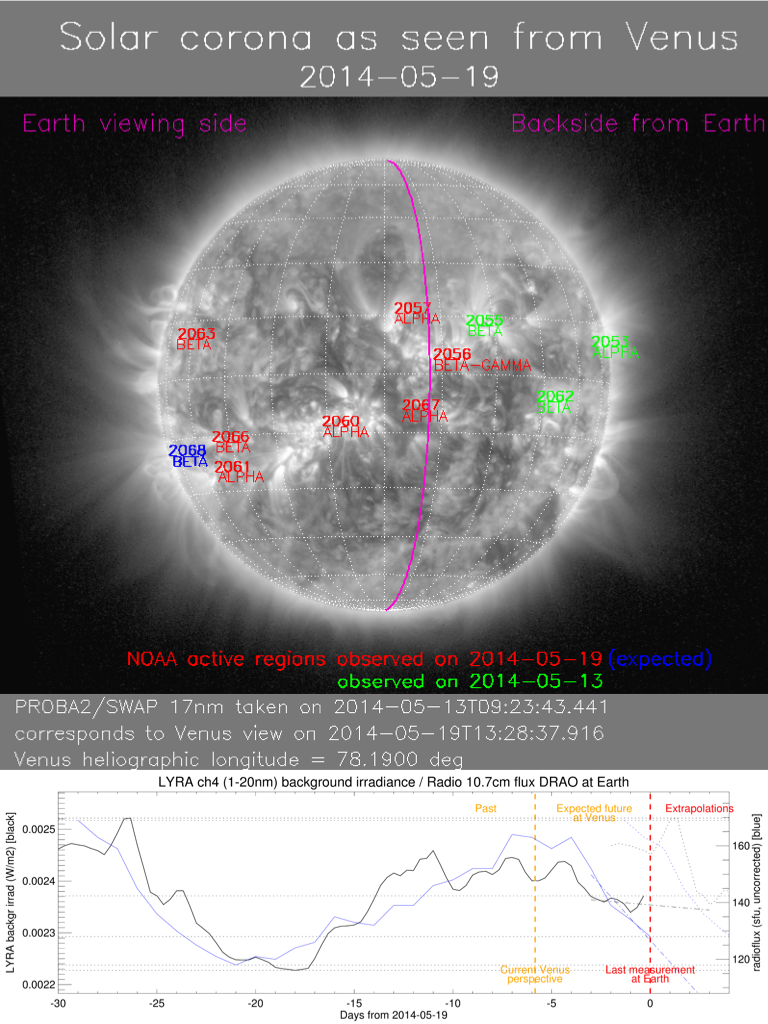
Space Weather Report for an Alien World

Space weather report for Venus
via esa.int


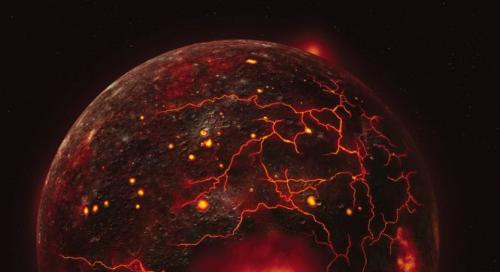
Researchers find evidence of speedy core formation in solar system planetesimals

Planetary core formation. Credit: Speed metal, Science 6 June 2014.
via phys.org


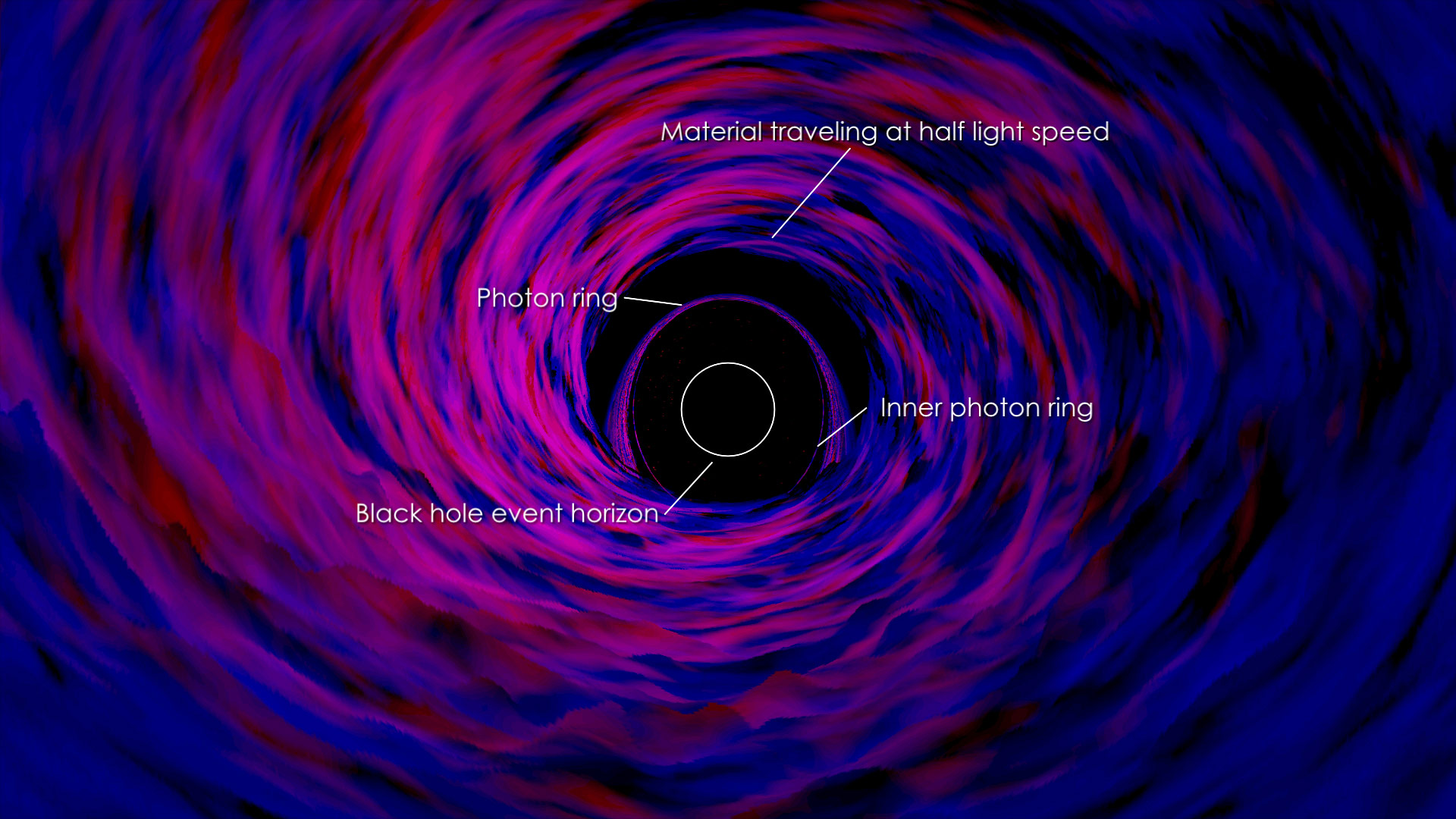
Quantum black holes at the LHC: production and decay mechanisms of non-thermal microscopic black holes in particle collisions

This annotated image labels several features in the simulation, including the event horizon of the black hole. NASA’s Goddard Space Flight Center
via sussex.ac.uk