Physics in the News

Saturday, July 5, 2014

Searching for Earth-like planets: Newly spotted frozen world orbits in a binary star system

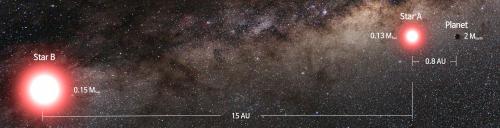
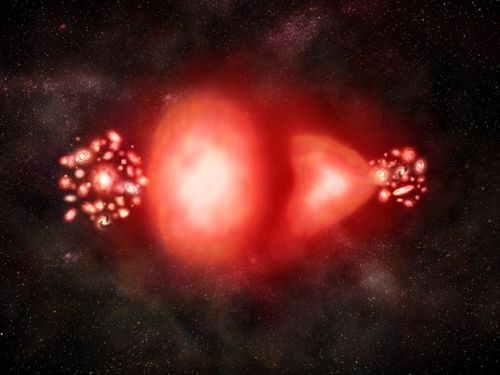
This artist's rendering shows a newly discovered planet (far right) orbiting one star (right) of a binary star system. The discovery, made by a collaboration of international research teams and led by researchers at The Ohio State University, expands astronomers' notions of where to look for planets in our galaxy. (Credit: Cheongho Han, Chungbuk National University, Republic of Korea.)
This artist’s rendering shows a newly discovered planet (far right) orbiting one star (right) of a binary star system. The discovery, made by a collaboration of international research teams and led by researchers at The Ohio State University, expands astronomers’ notions of where to look for planets in our galaxy. (Credit: Cheongho Han, Chungbuk National University, Republic of Korea.)
via phys.org

The Big Picture: NASA flies massive SOFIA telescope to the stratosphere

By sticking a 17-ton telescope into a Boeing 747, you can launch it up to 45,000 feet and get past 99 percent of our atmosphere's water vapor
By sticking a 17-ton telescope into a Boeing 747, you can launch it up to 45,000 feet and get past 99 percent of our atmosphere’s water vapor. (Credit: NASA)

via engadget

NASA’s Cassini Spacecraft To Go Out With A Bang

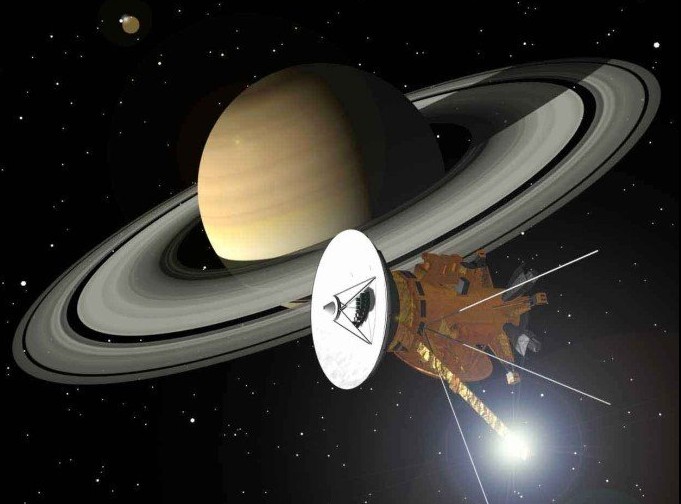
Cassini has uncovered a trove of exciting scientific information by discovering new moons of Saturn, exploring the jetting geysers of Enceladus, and studying the bizarre polar hexagon at Saturn’s north pole. (Credit: NASA)

via davidreneke


Saturday Space Sight: Inside the ISS Destiny Laboratory

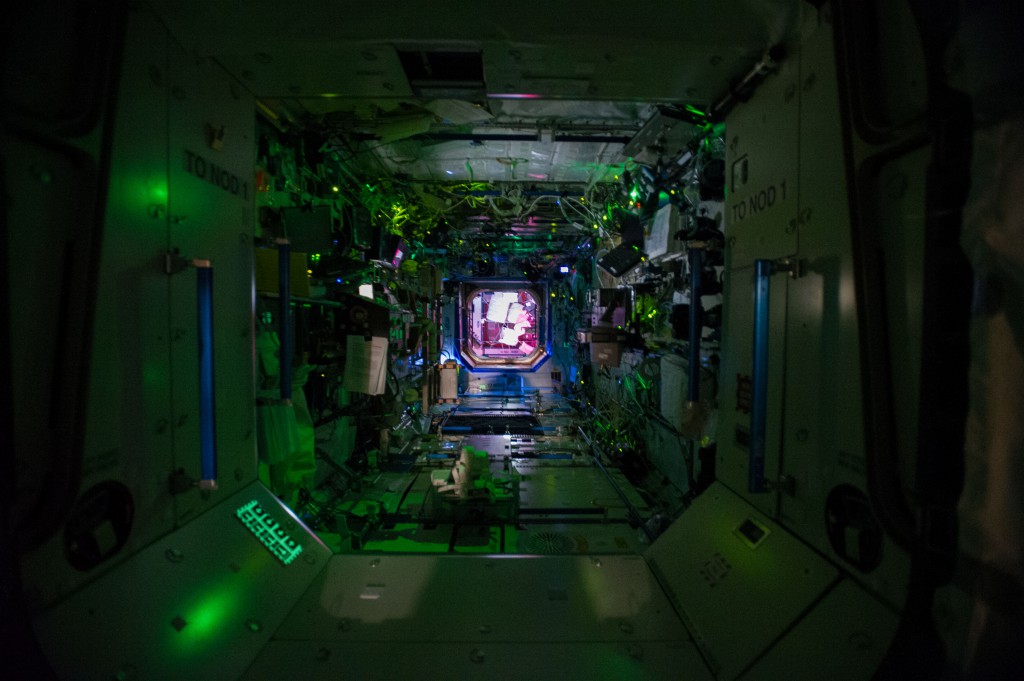
This view is looking into the Destiny Laboratory from Node 1 (Unity) with Node 2 (Harmony) in the background. Destiny is the primary research laboratory for U.S. payloads, supporting a wide range of experiments and studies. (Credit NASA)

via science.dodlive

New satellite data like an ultrasound for baby stars(VIDEO)

via phys.org

Fantastically Wrong: The Legendary Scientist Who Swore Our Planet Is Hollow

This ad should have a huge asterisk somewhere explaining that Koreshanity was a cult started by a guy who shocked himself and woke up thinking he was Jesus.
This ad should have a huge asterisk somewhere explaining that Koreshanity was a cult started by a guy who shocked himself and woke up thinking he was Jesus.(Credit: Wired)
via wired

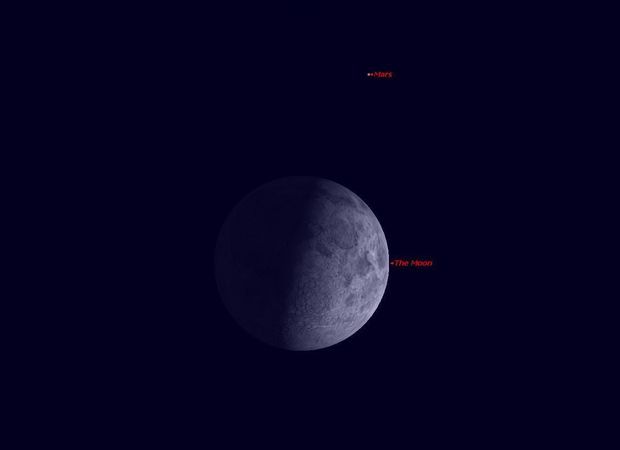
NJ Night Sky: Moon cruises past Mars and Saturn; plus a new Super-Earth?

The Moon is near Mars tonight. (Credit:Starrynight.com)
via nj.com

Physics in the News

Friday, July 4, 2014

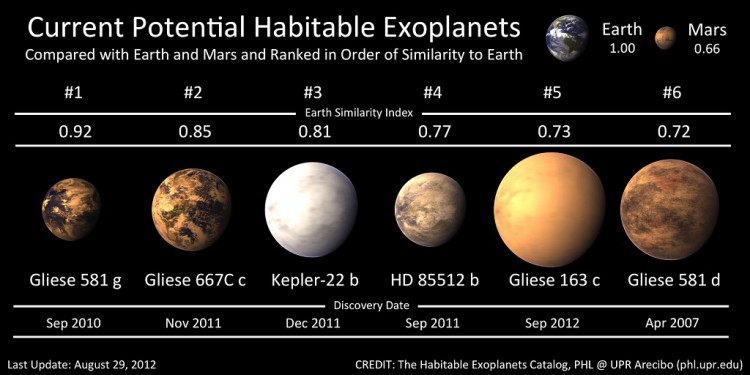
Earth like planet doesn’t exist!

Potential Habitable Exoplanets (Credit: The habitable exoplanet catalog)
via sciencealert

Rosetta enters 67P’s neighborhood as the comet starts taking shape

Animation of Comet 67P/Churyumov-Gerasimenko rotating as seen by Rosetta on June 27-28, 2014 (Credit: NASA)
via universetoday

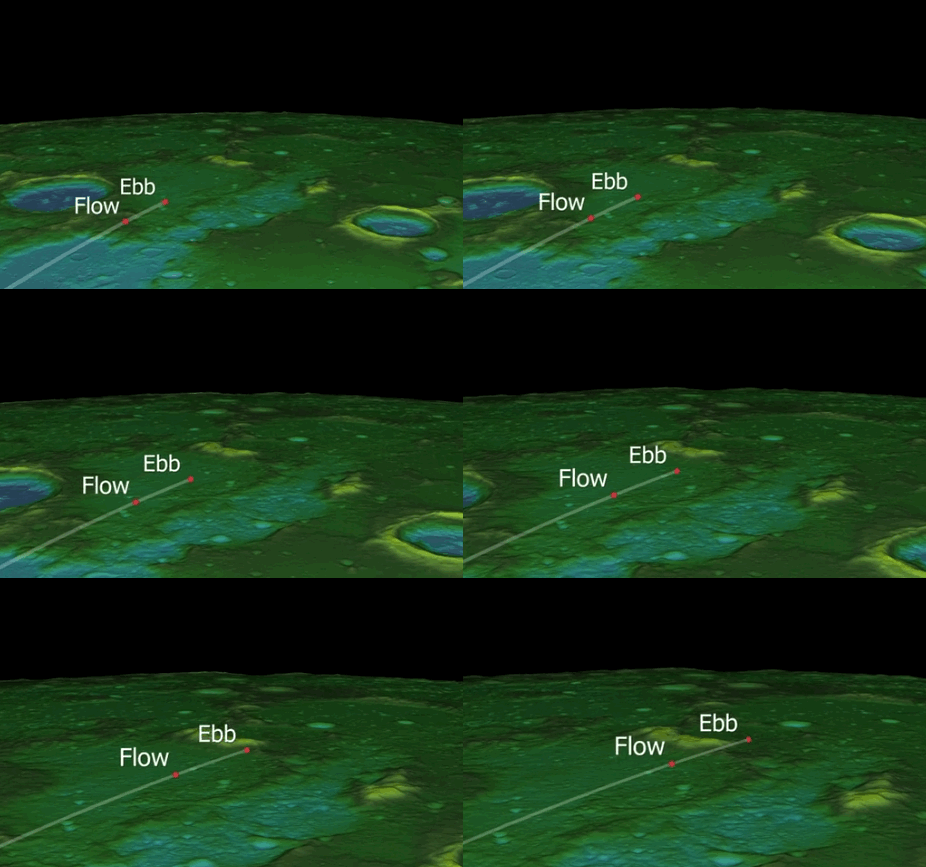
These New Gravity Maps Give Us An Entirely New Understanding Of The Moon

Twin spacecraft, named Ebb and Flow — about the size of washing machines — chased each other around the moon for three months. (Credit: NASA)
via businessinsider

Aldrich’s job is to sniff everything that goes into space

via news.com

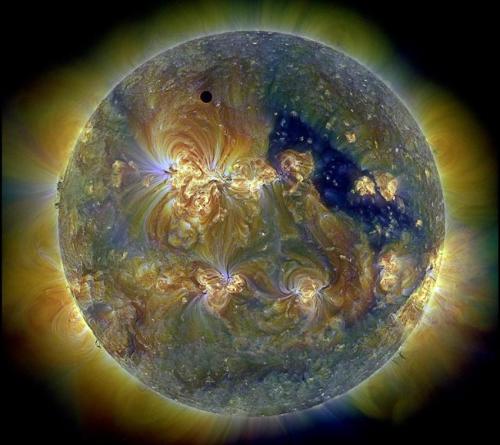
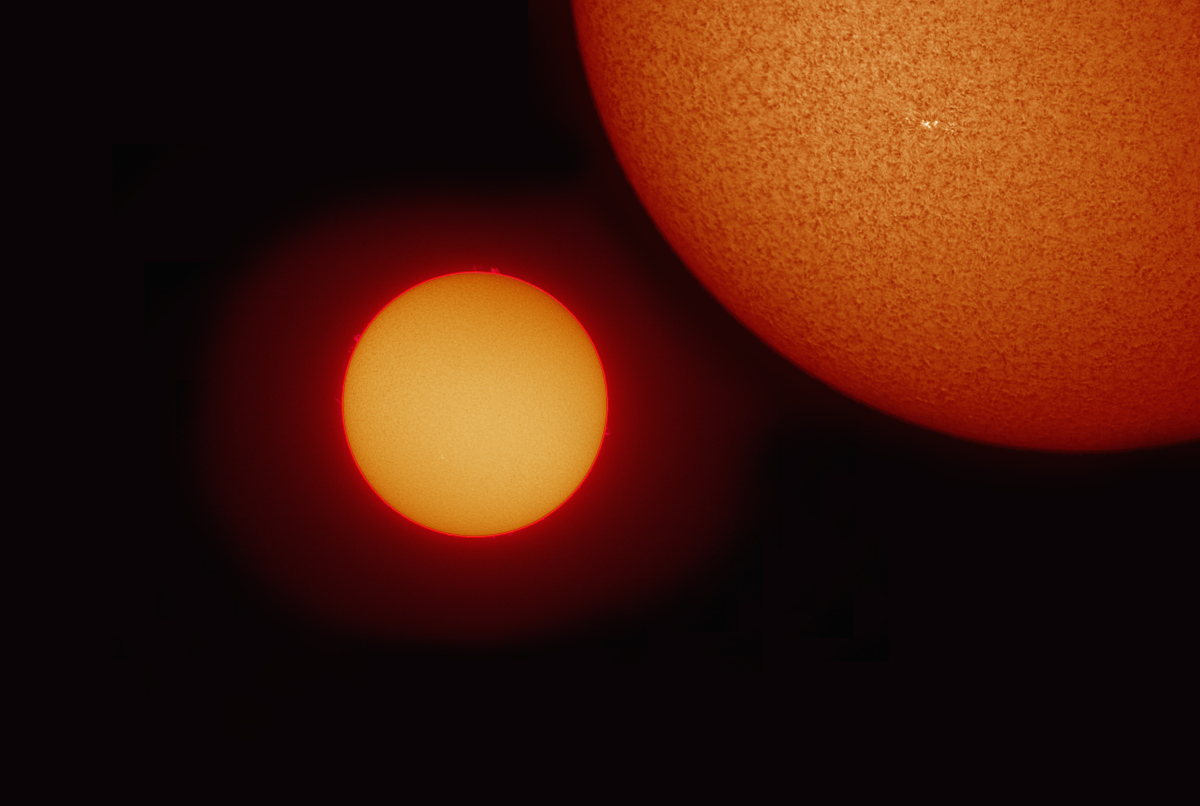
Under the bright lights of an aging sun

Venus can be seen as a black dot eclipsing the Sun in this image from 2012. Venus orbits too close to the Sun to the planet to be habitable for life as we know it. Venus experiences a runaway greenhouse and the average surface temperatures are thought to be around 864ºF. (Credit: NASA/SDO & the AIA, EVE, and HMI teams; Digital Composition: Peter L. Dove)
via phys.org

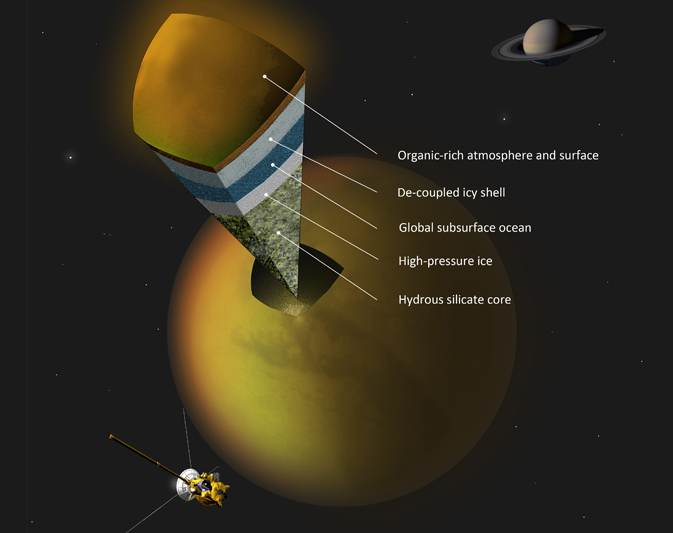
Saturn’s Moon Titan Has Surprisingly Salty Oceans Lurking Under Its Surface

Artist's concept showing potential internal structure of Titan. (Credit: A. Tavani/NASA)
Artist’s concept showing potential internal structure of Titan. (Credit: A. Tavani/NASA)
via motherboard.vice

Rude Planet Ignores Parent

 Simulation of a binary star system. (Impolite offspring not pictured.)  (Credit: Malcolm Park; Getty Images)
Simulation of a binary star system. (Impolite offspring not pictured.) (Credit: Malcolm Park; Getty Images)
via time


Physics in the News

Thursday, July 3, 2014

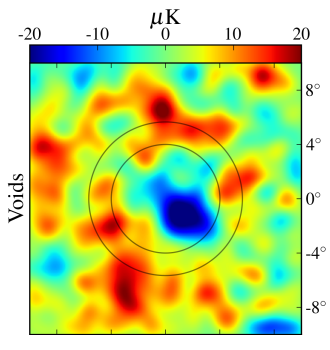
Biggest void in universe may explain cosmic cold spot

The mean imprint on the Cosmic Microwave Background of 50 supervoids. (Credit: BSA-3.0)
via newscientist

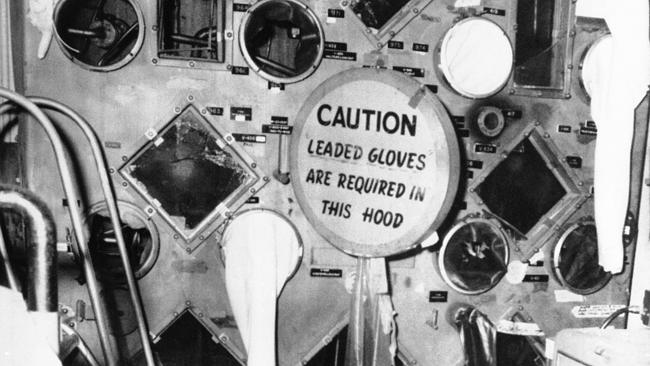
‘Atomic Man’ room opened for first time after radiation blast in 1976

The room that exposed a laboratory technician to a massive dose of radiation, which led to him being known as the “Atomic Man”, is to be entered for the first time since the incident in 1976. (Credit: AP)
via news.com.au

A record-breaking month for ORNL’s Spallation Neutron Source

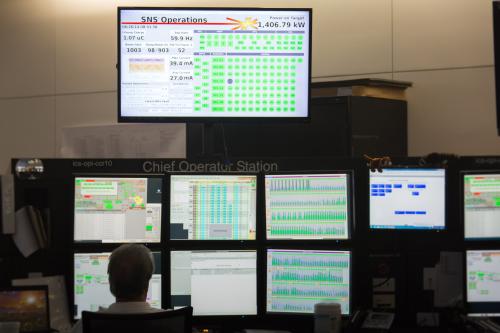
The accelerator-based pulse neutron source at ORNL’s Spallation Neutron Source operated steadily for users at the maximum design power of 1.4 megawatts June 26. (Credit: Genevieve Martin/ORNL)
via phys.org

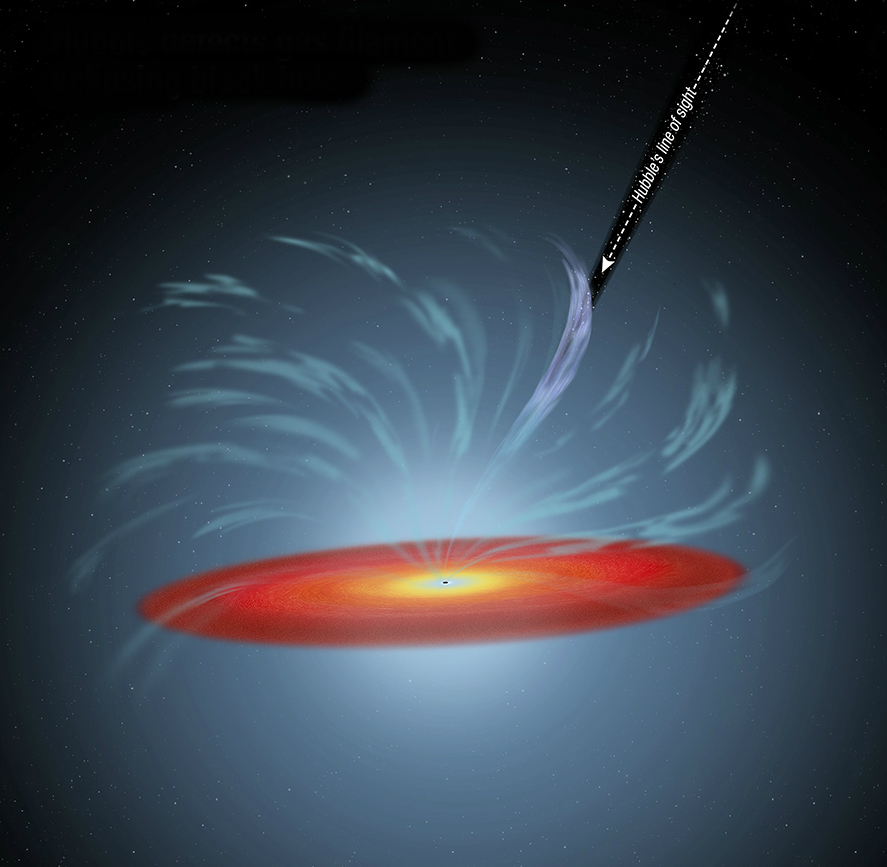
Gas streamer is spewing from the active galactic nucleus NGC 5548

gas streamer spewing from the active galactic nucleus of NGC 5548 – See more at: http://www.skyandtelescope.com/astronomy-news/gas-streamer-eclipses-agn/#sthash.6Ypl6HM8.dpuf
Map of the gas streamer spewing from the heart of NGC 5548. (Credit: NASA, ESA, and A. Feild (STScI))
via skyandtelescope

‘Revolutionary’ Physics: Do Sterile Neutrinos Lurk in the Universe?

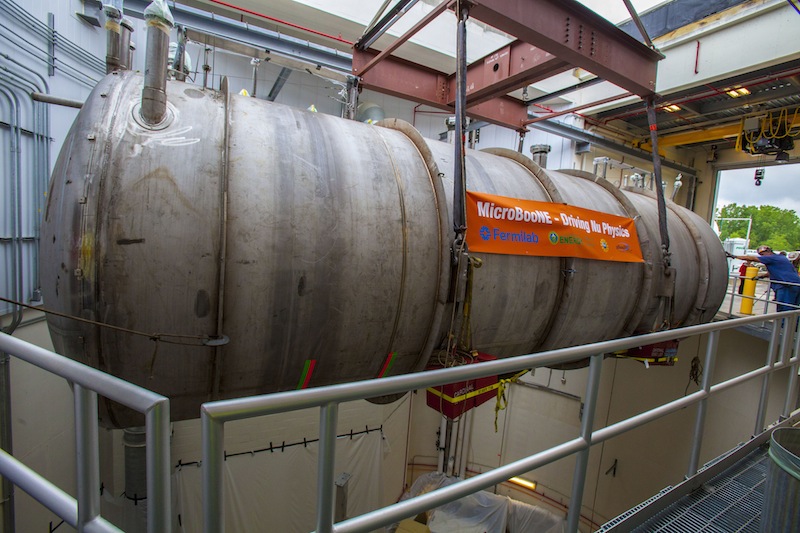
The detector for the MicroBooNe is gently lowered into place. (Credit: Fermilab)
The detector for the MicroBooNe is gently lowered into place.
(Credit: Fermilab)
via livescience
 

NASA’s carbon dioxide-hunting telescope reaches orbit

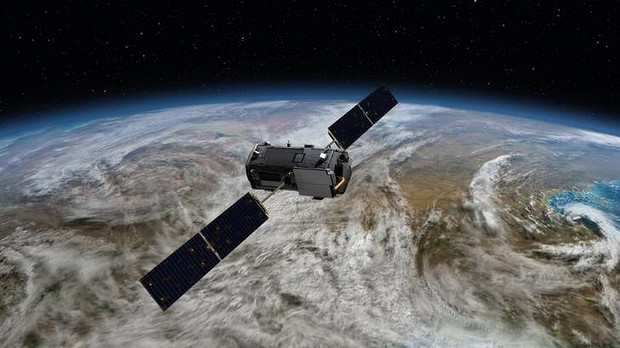
An artist's impression of how NASA's Orbiting Carbon Observatory will look in space. (Credit: NASA/JPL-Caltech)
An artist’s impression of how NASA’s Orbiting Carbon Observatory will look in space. (Credit: NASA/JPL-Caltech)

via smh.com

NASA’s Pluto Probe Is Already Planning Its Next Job

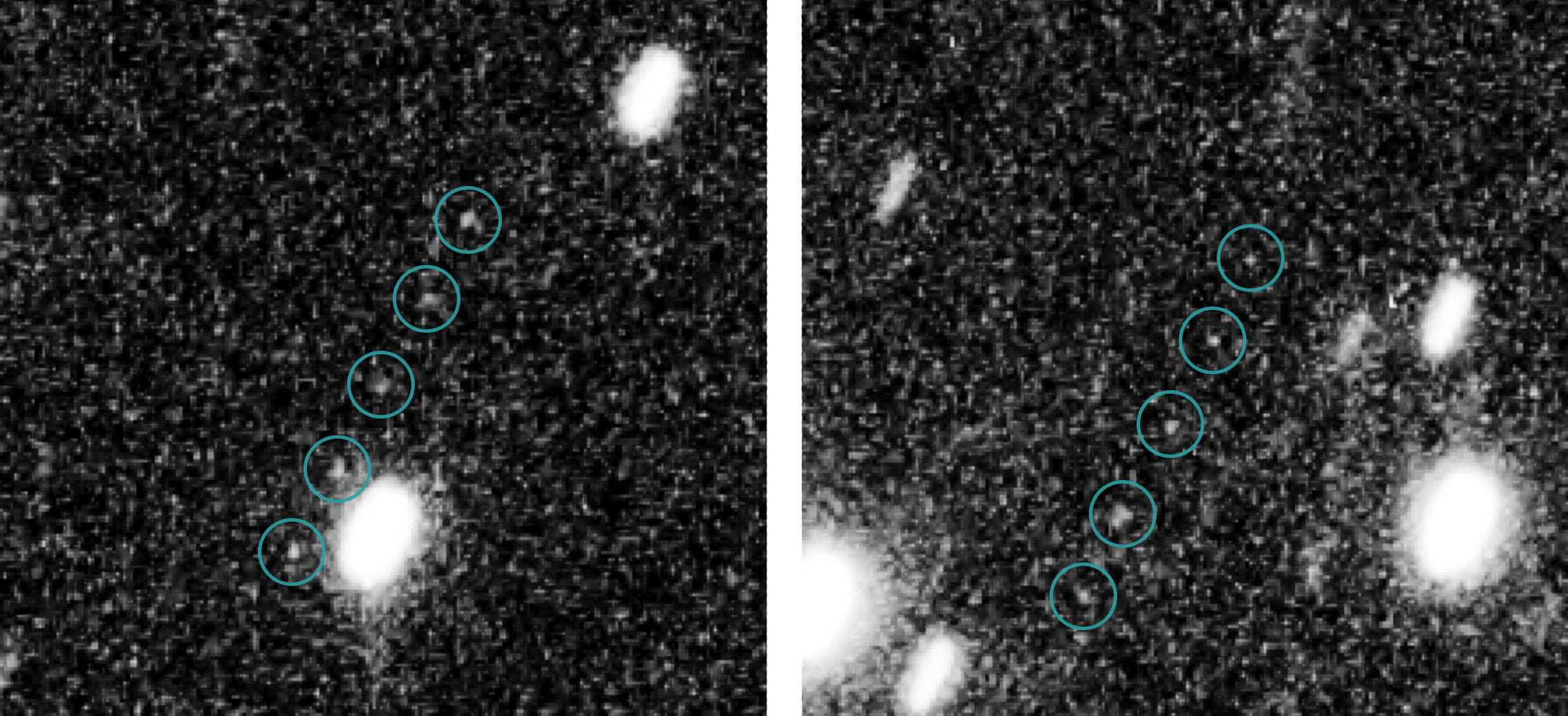
Two multiple-exposure images from NASA's Hubble Space Telescope showing Kuiper Belt objects, or KBOs, against a background of stars in the constellation Sagittarius. The two KBOs are roughly 4 billion miles from Earth. (Credit: NASA, ESA, SwRI, JHU/APL, New Horizons KBO Search Team)
Two multiple-exposure images from NASA’s Hubble Space Telescope showing Kuiper Belt objects, or KBOs, against a background of stars in the constellation Sagittarius. The two KBOs are roughly 4 billion miles from Earth. (Credit: NASA, ESA, SwRI, JHU/APL, New Horizons KBO Search Team)
via motherboard.vice.com

Physics in the News

Wednesday, July 2, 2014

Muscle powered Bio-bots walk on command(VIDEO)

via phys.org

‘Deep learning’ makes search for exotic particles easier

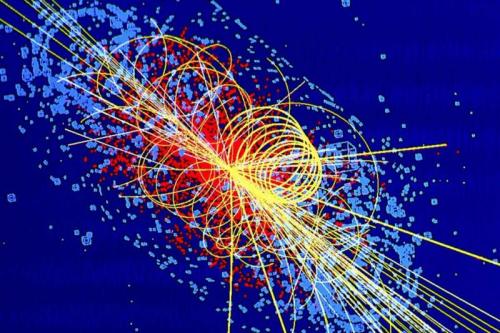
Simulation of a particle collision in which a Higgs boson is produced. (Credit: Lucas Taylor/CMS)
via phys.org

360 degree night sky time-lapse proves that Earth is beautiful

via mashable

Unknown Force May Alter Gravity at Cosmologically LargeScales

"The dark matter seems to 'know' how the visible matter is distributed. They seem to conspire with each other such that the gravity of the visible matter at the characteristic radius of the dark halo is always the same," said Dr. Benoit Famaey (Universities of Bonn and Strasbourg).
“The dark matter seems to ‘know’ how the visible matter is distributed. They seem to conspire with each other such that the gravity of the visible matter at the characteristic radius of the dark halo is always the same,” said Dr. Benoit Famaey (Universities of Bonn and Strasbourg).
via dailygalaxy

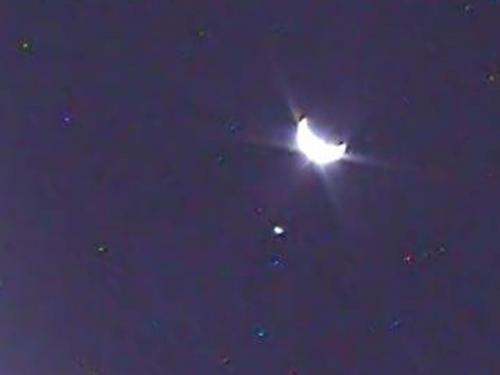
Would Earth look like a habitable planet from afar?

A zoomed-in image of Earth from the perspective of NASA’s Lunar Crater Observation and Sensing Satellite (LCROSS). The small dot below it is the moon. Credit: NASA Ames
via phys.org

Near-Earth Asteroids key to Solar System’s earliest history

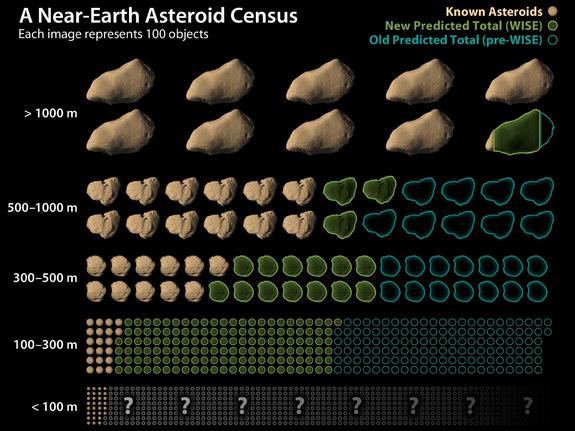
This chart illustrates how infrared is used to more accurately determine an asteroid’s size. (Credit: NASA/JPL-Caltech)
via forbes

Physics in the News

Tuesday, July 1, 2014

Welcome to the weird and wild west of private spaceflight

This is Spaceport America's Operations Center. The building, which Hendrickson notes is affectionately called "the sock," houses the facility's mission control center on its upper floor. (Credit: Dan Hendrickson)
This is Spaceport America’s Operations Center. The building, which Hendrickson notes is affectionately called “the sock,” houses the facility’s mission control center on its upper floor. (Credit: Dan Hendrickson)
via theverge

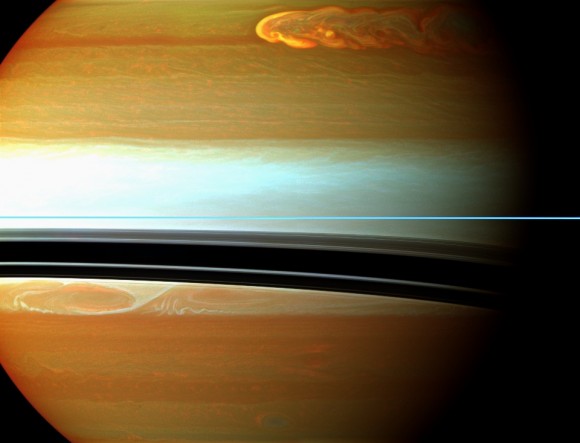
Happy 10th Birthday Cassini!

Saturn’s northern storm marches through the planet’s atmosphere in the top right of this false-color mosaic from NASA’s Cassini spacecraft. (Credit: NASA/JPL-Caltech/Space Science Institute)
via universetoday

Researchers create quantum dots with single-atom precision

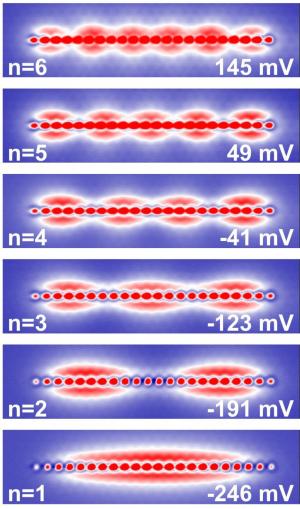
This image shows quantized electron states, for quantum numbers n = 1 to 6, of a linear quantum dot consisting of 22 indium atoms positioned on the surface of an InAs crystal. (Credit: Stefan Fölsch/PDI)
via phys.org

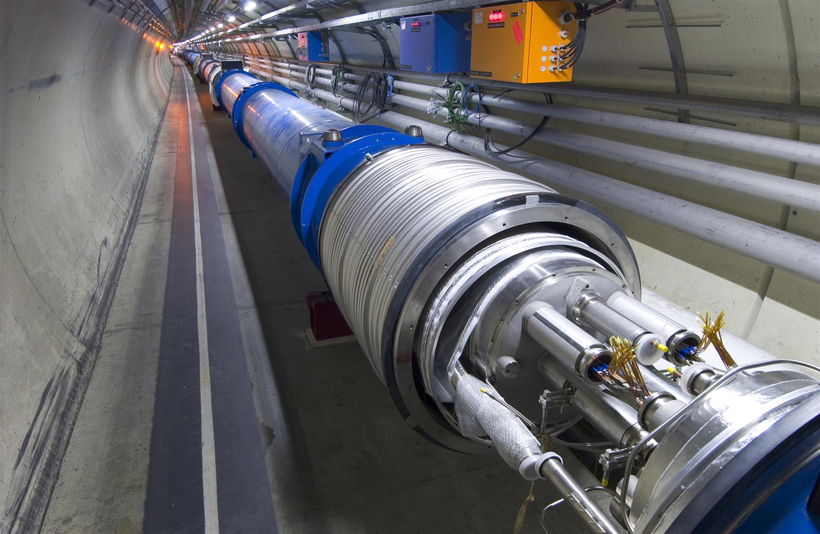
Reigning in chaos in particle colliders yields big results

A method to correct tiny defects in the LHC’s superconducting magnets (example shown above) was crucial to the discovery of the Higgs boson, which was announced in 2012. (Credit: CERN)
A method to correct tiny defects in the LHC’s superconducting magnets (example shown above) was crucial to the discovery of the Higgs boson, which was announced in 2012.
(Credit: CERN)
via aip.org

Russia to Create Super-Heavy Rocket Carrier

(Credit) J.Gabás Esteban/cc-by-nc-sa 3.0
via voiceofrussia

Scientists develop force sensor from carbon nanotubes

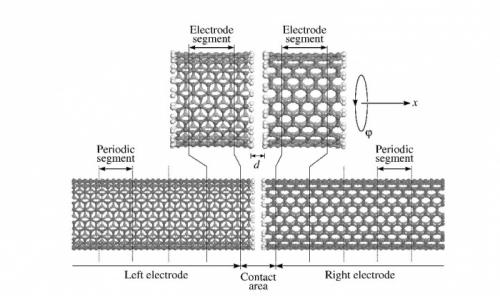
 A group of researchers from Russia, Belarus and Spain, including Moscow Institute of Physics and Technology professor Yury Lozovik, have developed a microscopic force sensor based on carbon nanotubes. (Credit: Computational Materials Science journal)
A group of researchers from Russia, Belarus and Spain, including Moscow Institute of Physics and Technology professor Yury Lozovik, have developed a microscopic force sensor based on carbon nanotubes. (Credit: Computational Materials Science journal)
via phys.org

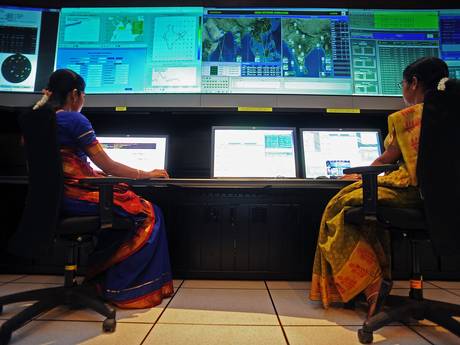
India’s Mars mission ‘cost less than the film Gravity’

Scientists from the Indian Space Research Organisation work in the Indian Regional Navigational Satellite System control room at the Indian Deep Space Network (Credit: AP)
via the independent