Physics in the News

Tuesday, August 12, 2014

The smallest possible scale in the universe

Every once in a while I think that there maybe is no fundamentally smallest unit of length; that all these arguments for its existence are wrong. I like to think that we can look infinitely close into structures and will never find a final theory, turtles upon turtles, or that structures are ultimately self-similar and repeat.(Credit: Sabine Hossenfelder)
Every once in a while I think that there maybe is no fundamentally smallest unit of length; that all these arguments for its existence are wrong. I like to think that we can look infinitely close into structures and will never find a final theory, turtles upon turtles, or that structures are ultimately self-similar and repeat.(Credit: Sabine Hossenfelder, Sanghyuk Moon)
via medium

Cosmologist Laura Mersini-Houghton claims black holes do not exist(VIDEO)

via thewatchers

Europe’s last cargo ship reaches space station
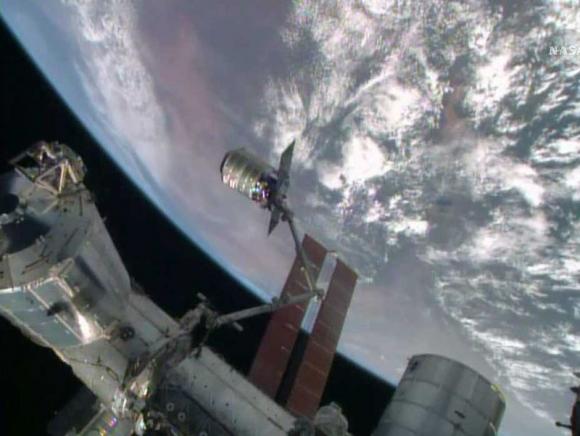
The International Space Station's robotic arm, Canadarm2, grapples the Orbital Sciences' Cygnus cargo craft, as seen in this still image taken from NASA TV July 16, 2014.  (Credit: Reuters/NASA TV/Handout via Reuters)
The International Space Station’s robotic arm, Canadarm2, grapples the Orbital Sciences’ Cygnus cargo craft, as seen in this still image taken from NASA TV July 16, 2014. (Credit: Reuters/NASA TV/Handout via Reuters)

via reuters

Follow the radio waves to exomoons, astrophysicists say
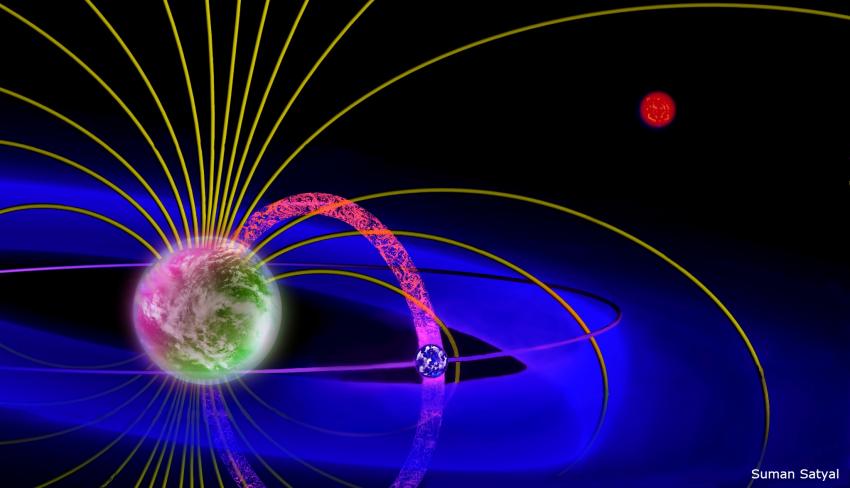
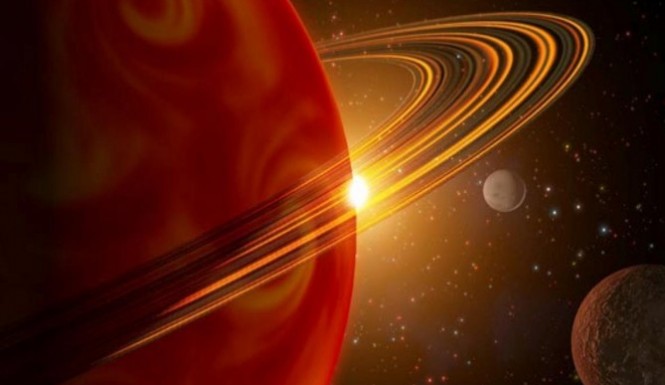
This is a schematic of a plasma torus around an exoplanet, which is created by the ions injected from an exomoon's ionosphere into the planet's magnetosphere. (Credit: UT Arlington)
This is a schematic of a plasma torus around an exoplanet, which is created by the ions injected from an exomoon’s ionosphere into the planet’s magnetosphere. (Credit: UT Arlington)

via phys

NASA is contest-sourcing solutions to its deepest problems
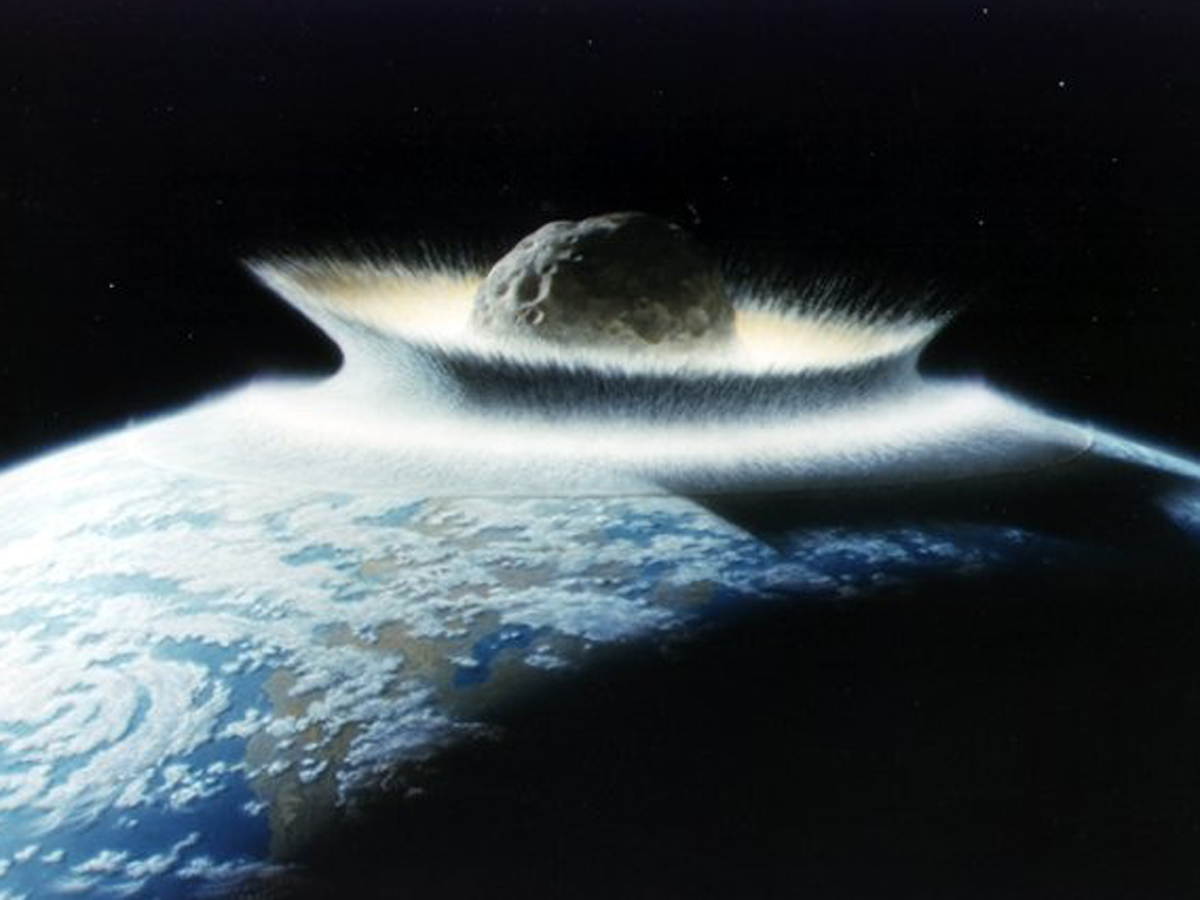
(Credit: NASA/Don Davis)
“As NASA continues to push the boundaries of human imagination and innovation, we have seen the value in utilizing a citizen-based professional crowd to complement our internal efforts and solve complex real-world challenges,” Jason Crusan, director of NASA’s Tournament Lab. (Credit: NASA/Don Davis)
via motherboard

Schrödinger’s cat explained on physicist’s 127th birthday(VIDEO)

via cbc

Beyond six nines: Ultra-enriched silicon paves the road to quantum computing
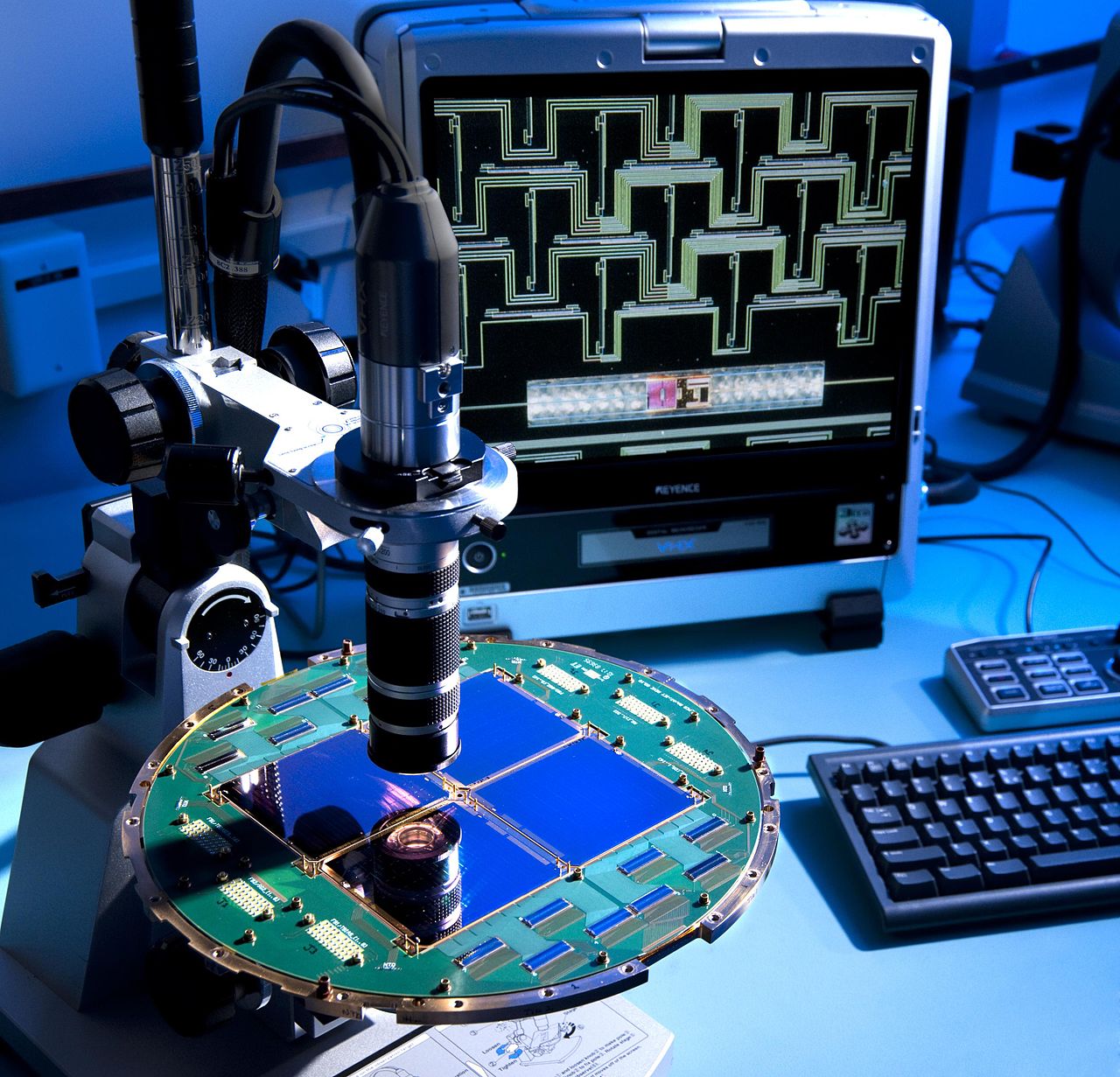
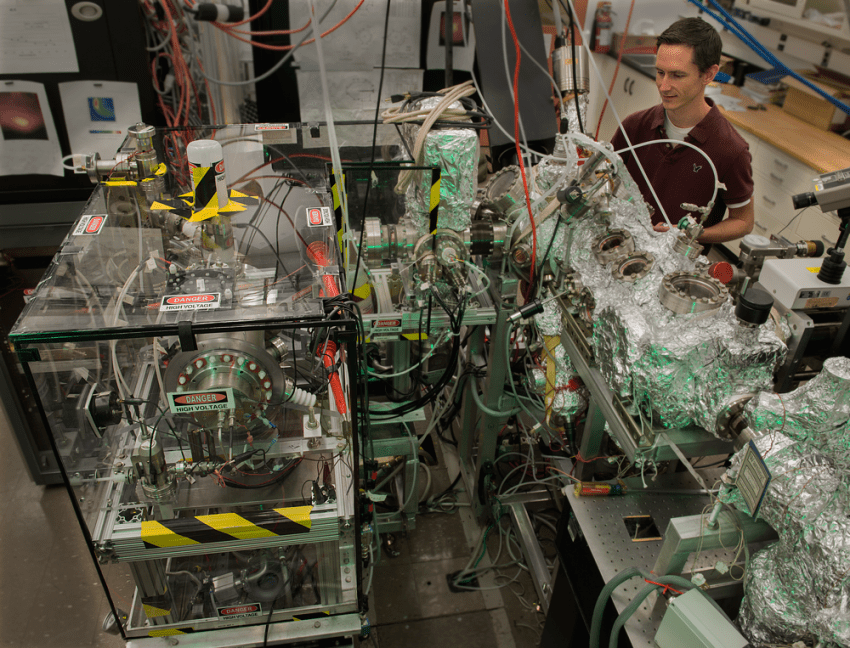
NIST researcher Kevin Dwyer with the silicon enrichment apparatus. The process begins at the left, where natural-abundance silicon in the form of silane gas (SiH4) is ionized. The ions pass through a magnetic field (top left), which causes their paths to curve to different degrees based on their mass. The silicon-28 ions, now separated from the other silicon isotopes, are decelerated through an ultra-high vacuum chamber (top center) and into the deposition chamber (top right) (Credit: Pomeroy, NIST, Dwyer)
via phys

NASA’s NuSTAR sees rare blurring of black hole light
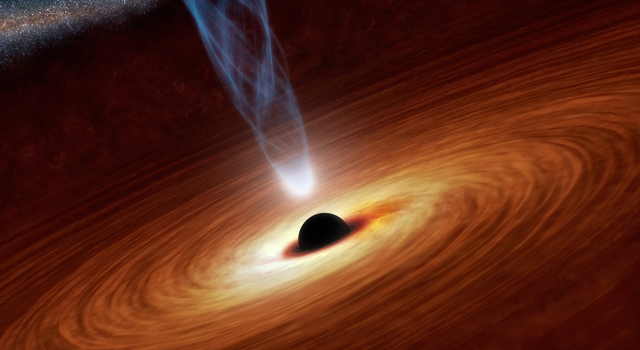
This artist’s concept illustrates a supermassive black hole with millions to billions times the mass of our sun. Supermassive black holes are enormously dense objects buried at the hearts of galaxies. (Credit: NASA/JPL-Caltech)
via pasadenanow

 From eons to seconds, proteins exploit the same forces
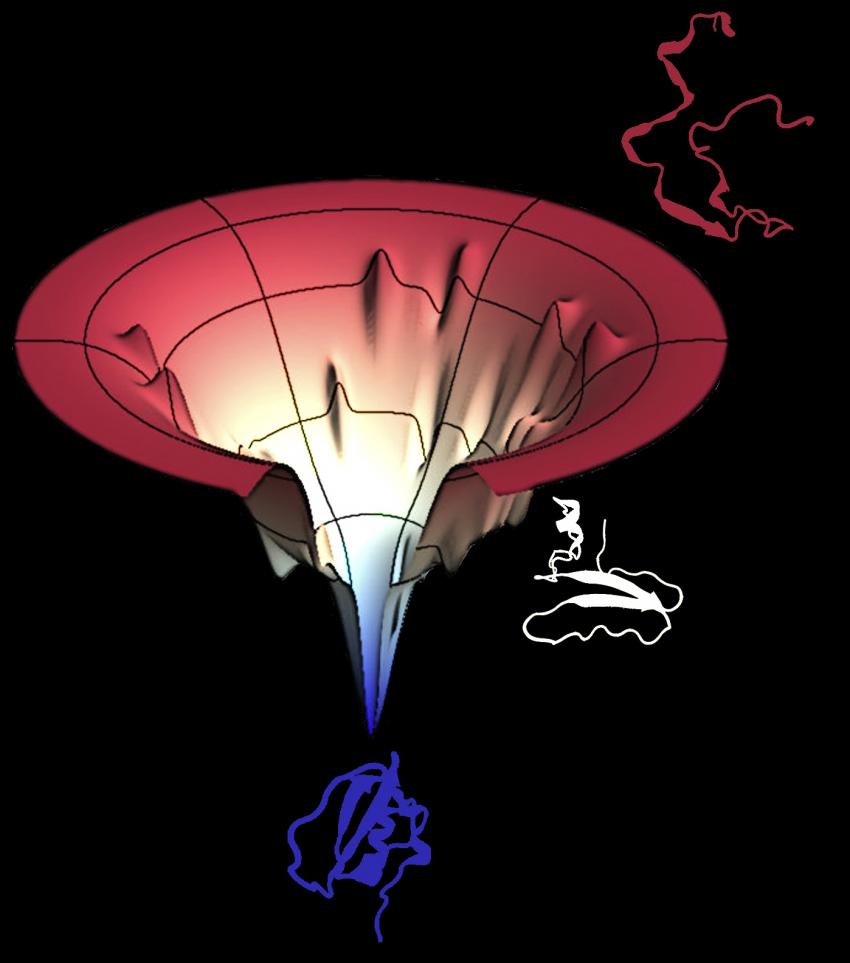
A protein folding funnel, the product of algorithms created by Rice’s Center for Theoretical Biological Physics, is a graphic representation of the energy landscape a protein navigates as it goes from its initial floppy state to a folded, functional unit. The funnel shows smooth slopes as well as outcroppings where parts of a protein may pause while others catch up, and also traps that could cause a protein to misfold. New Rice research shows how the interplay between evolution and physics developed the skills necessary to conserve useful proteins. (Credit: Center for Theoretical Biological Physics/Rice University)
via phys

Physics in the News

Sunday, July 27, 2014

A cosmic two-step: The universal dance of the Dwarf Galaxies

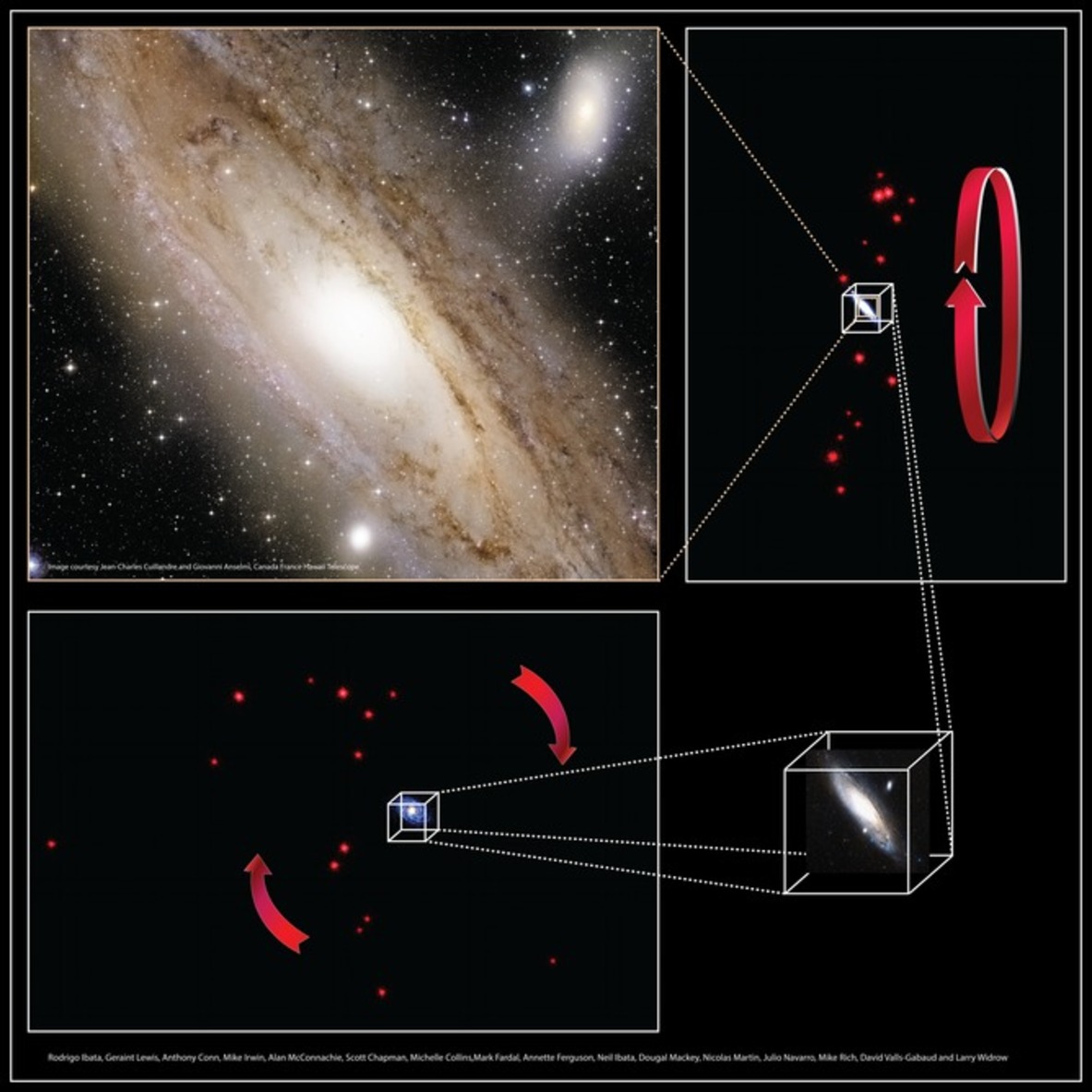
The coherent dance of dwarf orbits around the Andromeda Galaxy. (Credit: R. Ibata/Nature)
via theepochtimes

Webb Sunshield Stacks Up to Test!

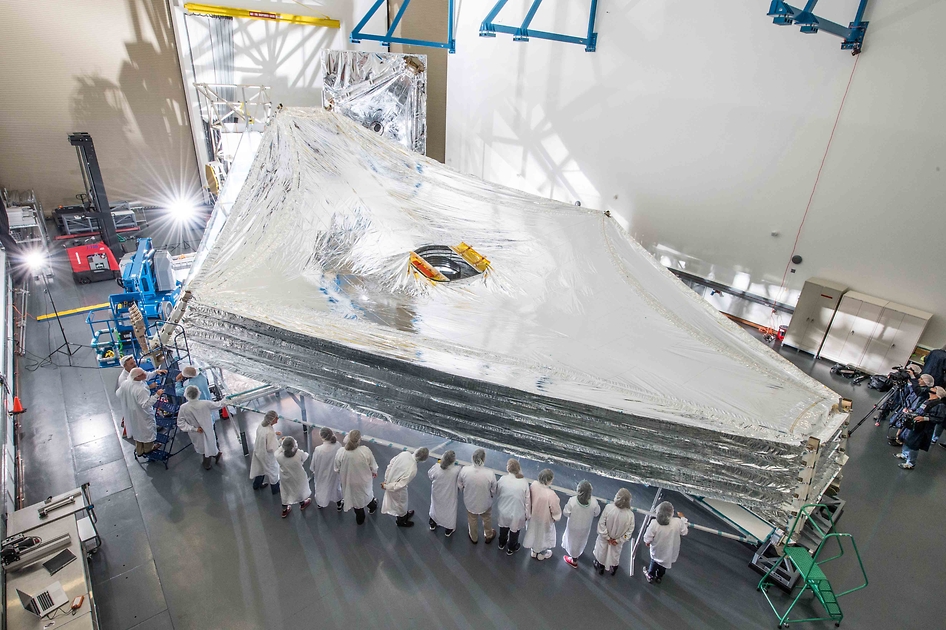
The James Webb Space Telescope (sometimes called JWST) is an orbiting infrared observatory that will complement and extend the discoveries of the Hubble Space Telescope, with longer wavelength coverage and greatly improved sensitivity.(Credit: NASA/Chris Gunn)
via nasa

NASA Preps for nail-biting comet flyby of Mars

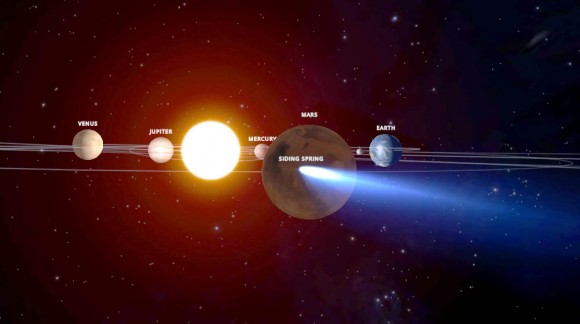
Simulation depicts comet C/2013 A1 Siding Spring during its close Mars flyby on Oct. 19. Its nucleus will miss Mars by about 82,000 miles (132,000 kilometers). The comet’s trail of dust particles shed by the nucleus might be wide enough to reach the planet. Click to see the interactive, animated view. (Credit: Solarsystemscope.com)
via universetoday

Princeton man drawing attention to outer space

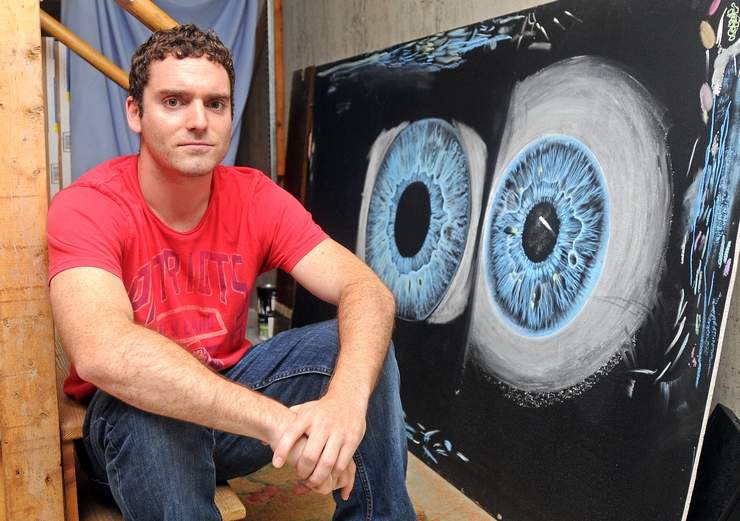
Justin Dowd, a Princeton man who won a contest and will be traveling into outer space next year, sits next to an illustration used in the opening scene of his educational video. (Credit: T&G Staff/STEVE LANAVA)

via telegram

Sometimes a typo means you need to blow up your own spacecraft

via vice

Listening in on cosmic messages

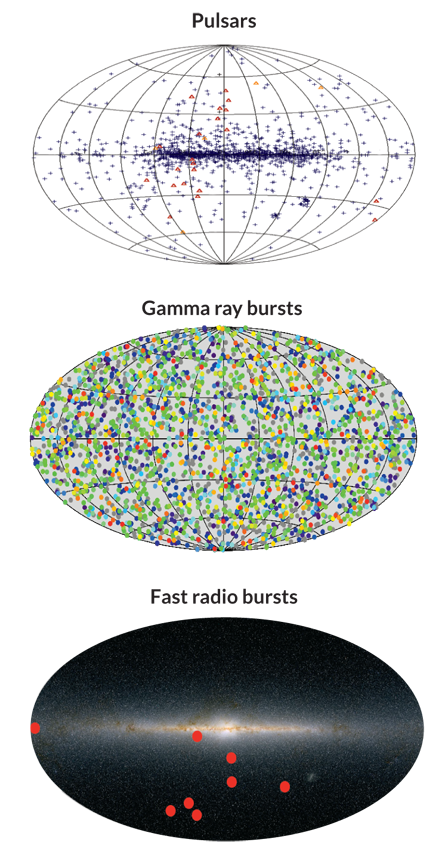
Mapping signals on the sky can offer clues about where the signals originate. Pulsars (top) concentrate in the Milky Way, because most of the ones we see sit in our galaxy. Gamma bursts (middle) come from everywhere, which means they’re parked in other galaxies. Fast radio bursts (bottom) seem to mostly avoid our galgaxy, a hint that they may come from very far away.(Credits: Green Bank Telescope, West Virginia Univ; G. Fishman et al/BATSE, CGRO, NASA.; J. Carpenter, T.H. Jarrett/2MASS, R. Hurt, C. Crockett)
via sciencenews

Physicist thinks lack of evidence for inflation, multiverse a cosmic “deal-breaker”

Evidence of gravitational waves in the infant universe may have been uncovered by the BICEP2 radio telescope. (Credit: NASA/JPL-Caltech)
via uncommondescent

Mars Mission advocated to a packed room at Comic-Con

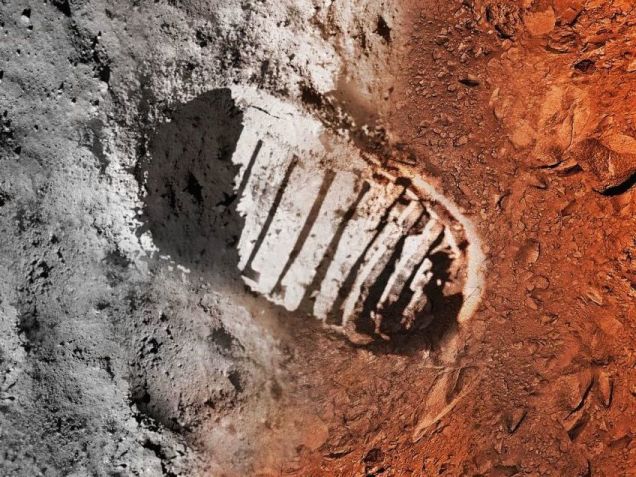
The first Giant Leap was Apollo 11 landing astronauts on the moon. The next Giant Leap could be Apollo 45 landing humans on Mars. (Credit: NASA)
via io9

Physics in the News

Thursday, July 24, 2014

The future of ultrashort laser pulses

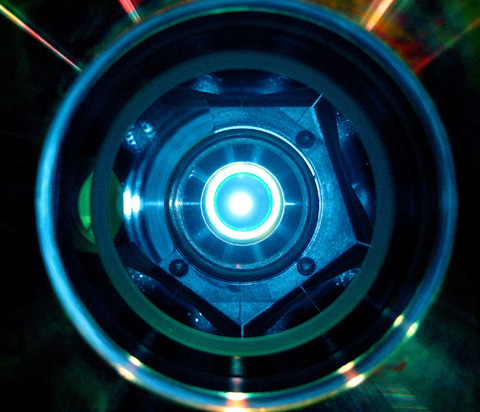
View of a thin-disc laser. Its geometry ensures more stable operation at higher powers than is possible with conventional solid-state lasers. (Credit: Thomas Metzger)
via phys.org

Searching for water in the Milky Way, drier than first thought

The Hubble Space Telescope finished another step in a important mission, looking for water in the milky way. The results so far are a bit surprising, with three exoplanets (planets outside the solar system) coming up short in their water supplies. (Credit: Greg Bacon)
via inquisitr

Neck of Rosetta’s ‘rubby duckie’ comet shows a bright ring

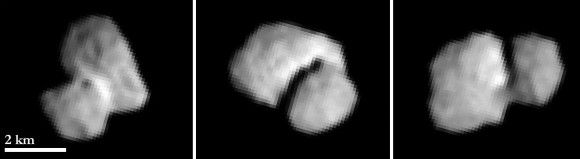
Rosetta imaged its target comet, Comet 67P/Churyumov-Gerasimenko, from about 3,417 miles (5,500 kilometers) away. The “neck” of the comet appears to be brighter than the rest of the nucleus. (Credit: ESA/Rosetta/MPS for OSIRIS Team MPS/UPD/LAM/IAA/SSO/INTA/UPM/DASP/IDA)
via universetoday

Calling for a debate over Pluto’s nature

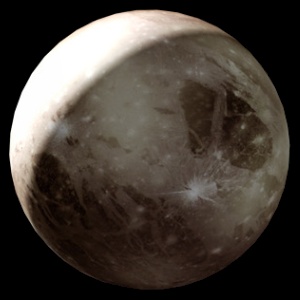
Artist's concept of Pluto (Credit: NASA, ESA and G. Bacon (STScI))
Artist’s concept of Pluto (Credit: NASA, ESA and G. Bacon (STScI))
via huffingtonpost

The birth of topological spintronics

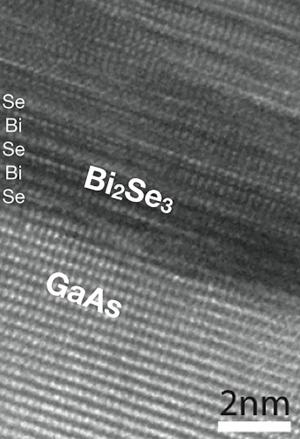
The atomic layers of the topological insulator bismuth selenide are visible in this high-resolution electron microscope image. (Credit: Samarth lab, Penn State University)
via phys.org

China Plans Supercollider

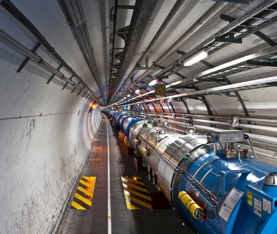
Proposals for two particle accelerators could see the country aim to become the collider capital of the world. View of the LHC tunnel sector 3-4. (Credit: Maximilien Brice (CERN))
via scientificamerican

Higgs and top: a new window on dark matter

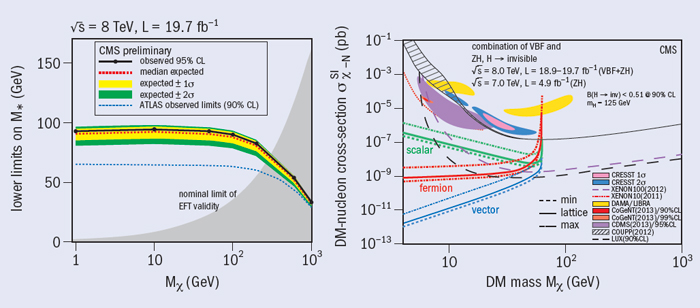
Fig. 1. Left: Limits on the dark-matter particle mass as a function of the effective interaction scale from the associated production of the particle with a top-quark pair. Fig. 2. Right: The limits set on the dark-matter particle mass from the search for invisible Higgs-boson decays compared with those from direct-detection experiments.
Fig. 1. Left: Limits on the dark-matter particle mass as a function of the effective interaction scale from the associated production of the particle with a top-quark pair. Fig. 2. Right: The limits set on the dark-matter particle mass from the search for invisible Higgs-boson decays compared with those from direct-detection experiments. (Credit: CMS)
via cerncourier

Unleashing the power of quantum dot triplets

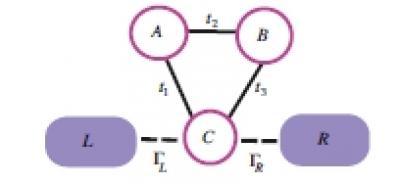
 One approach of making computers faster relies on quantum dots, a kind of artificial atom, easily controlled by applying an electric field. A new study demonstrates that changing the coupling of three coherently coupled quantum dots with electrical impulses can help better control them. (Credit: Tooski, S. B. et al.)

One approach of making computers faster relies on quantum dots, a kind of artificial atom, easily controlled by applying an electric field. A new study demonstrates that changing the coupling of three coherently coupled quantum dots with electrical impulses can help better control them. (Credit: Tooski, S. B. et al.)
via sciencecodex

 Still confused about quantum computing? This may help

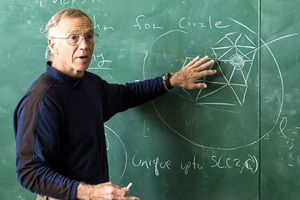
There’s nothing like a Star Trek reference (yay Tribbles!) to help explain complex stuff like quantum computing. (Credit: Microsoft, Michael-Freedman)
via gigaom

Physics in the News

Monday, July 7, 2014

Fluids Flowing at the Nanoscale (VIDEO)

via theepochtimes

Solved: Signals Thought Originating from Habitable-Zone Planets (VIDEO)

via dailygalaxy

NASA OK’s spending on a new rocket built for deep space exploration

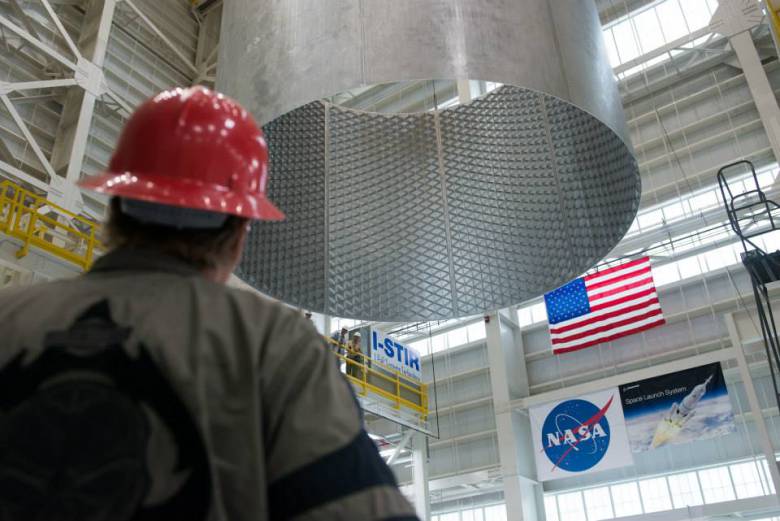
NASA plans to spend $6.8 billion of its funding for the SLS project. (Credit: NASA)
via venturebeat

Satellite X-ray observations reveal neutron star with donut-shaped magnetic field and axial wobble

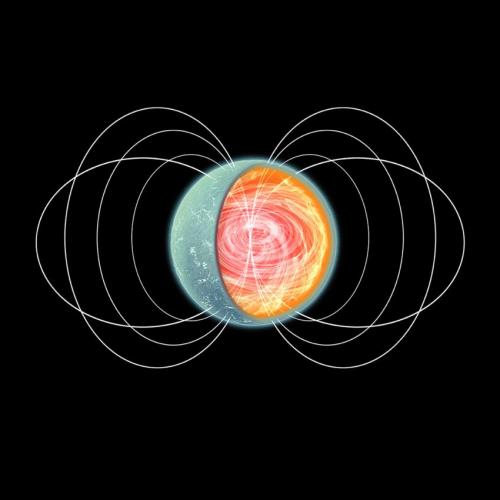
An artist's impression of a magnetar with an intense torroidal magnetic field in its core. (Credit: NASA/CXC/M.Weiss)
An artist’s impression of a magnetar with an intense torroidal magnetic field in its core. (Credit: NASA/CXC/M.Weiss)
via phys.org

Small, but plentiful: How the faintest galaxies illuminated the early universe

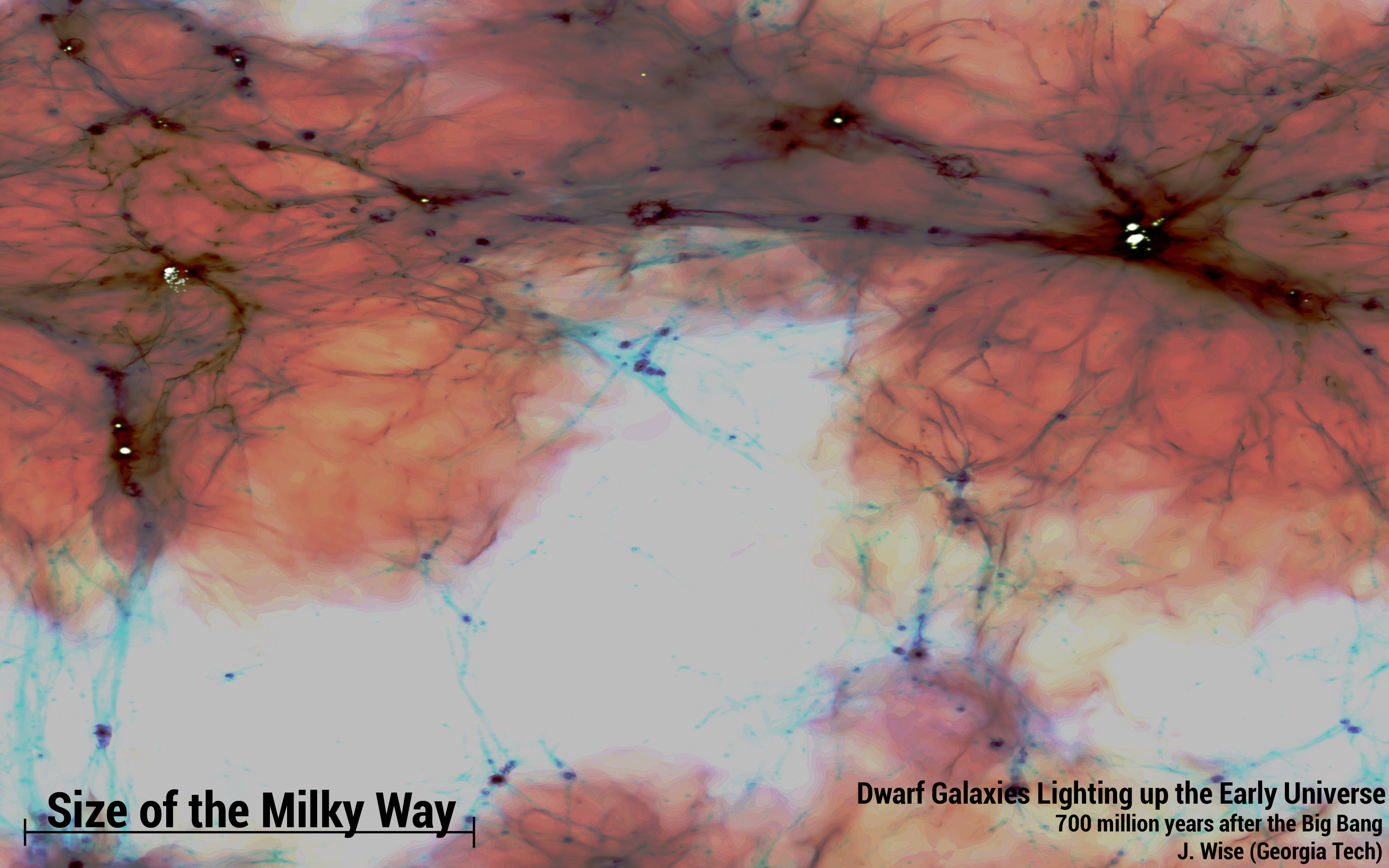
A view of the entire simulation volume showing the large scale structure of the gas, which is distributed in filaments and clumps. The red regions are heated by UV light coming from the galaxies, highlighted in white. These galaxies are over 1000 times less massive than the Milky Way and contributed nearly one-third of the UV light during re-ionisation. The field of view of this image is 400,000 light years across, when the universe was only 700 million years old. (Credit: John Wise)
via phys.org

Two years ago the discovery of the Higgs boson was announced. What’s new?

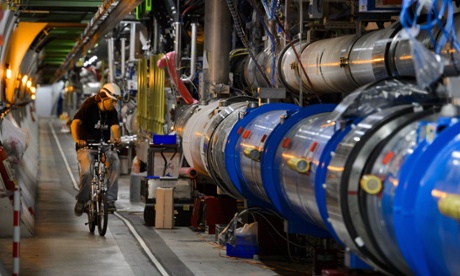
A worker rides on his bicycle in the CERN's Large Hadron Collider (LHC) tunnel during maintenance works. (Credit:  AFP  / FABRICE COFFRINIFABRICE COFFRINI/AFP/Getty Images)
A worker rides on his bicycle in the CERN’s Large Hadron Collider (LHC) tunnel during maintenance works. (Credit: AFP / FABRICE COFFRINIFABRICE COFFRINI/AFP/Getty Images)
via theguardian

Physics in the News

Friday, July 4, 2014

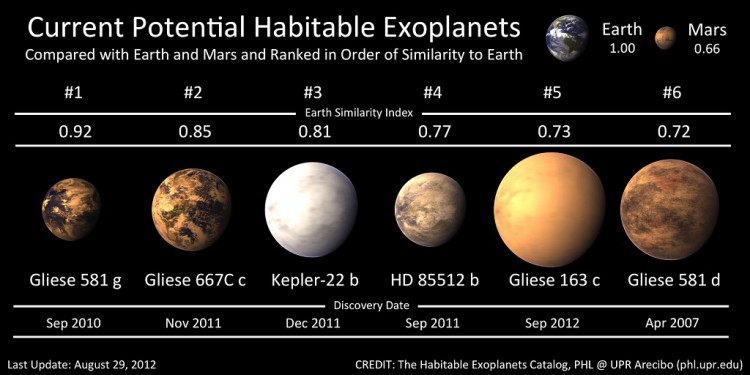
Earth like planet doesn’t exist!

Potential Habitable Exoplanets (Credit: The habitable exoplanet catalog)
via sciencealert

Rosetta enters 67P’s neighborhood as the comet starts taking shape

Animation of Comet 67P/Churyumov-Gerasimenko rotating as seen by Rosetta on June 27-28, 2014 (Credit: NASA)
via universetoday

These New Gravity Maps Give Us An Entirely New Understanding Of The Moon

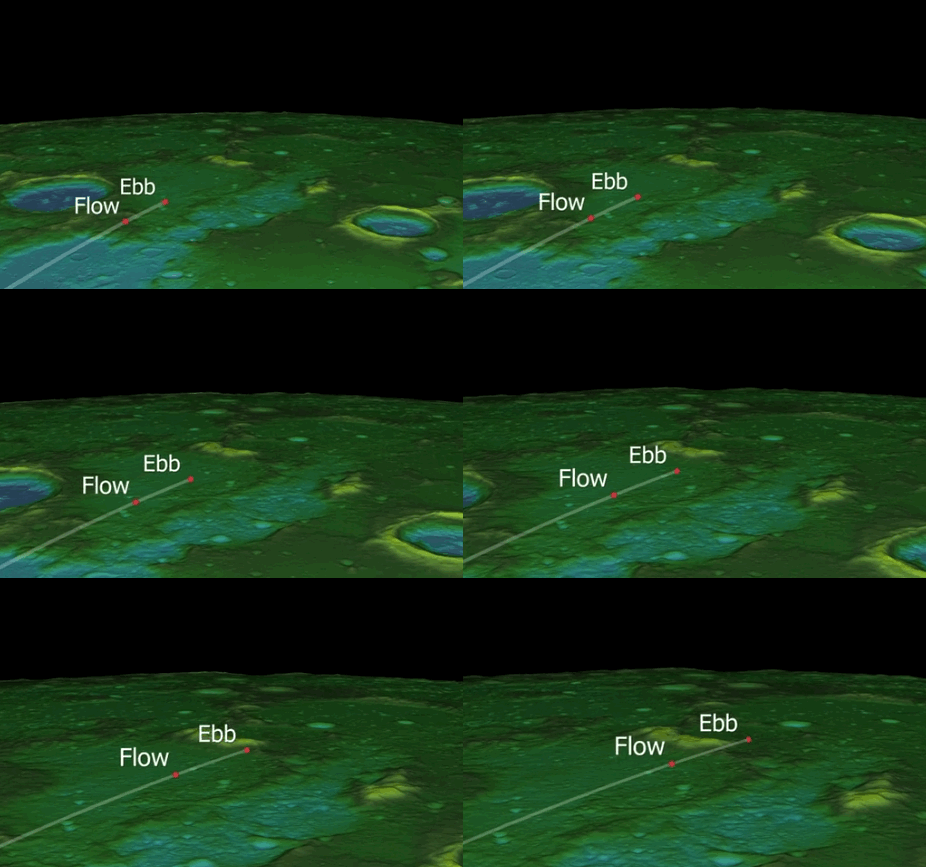
Twin spacecraft, named Ebb and Flow — about the size of washing machines — chased each other around the moon for three months. (Credit: NASA)
via businessinsider

Aldrich’s job is to sniff everything that goes into space

via news.com

Under the bright lights of an aging sun

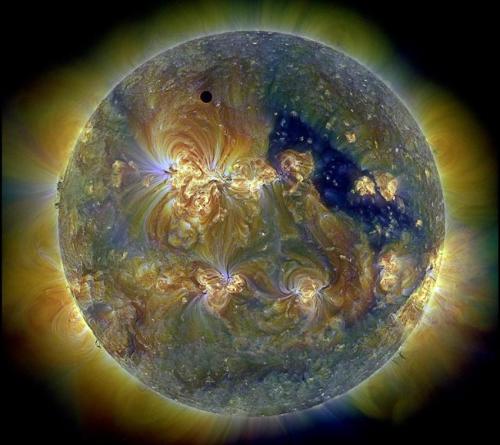
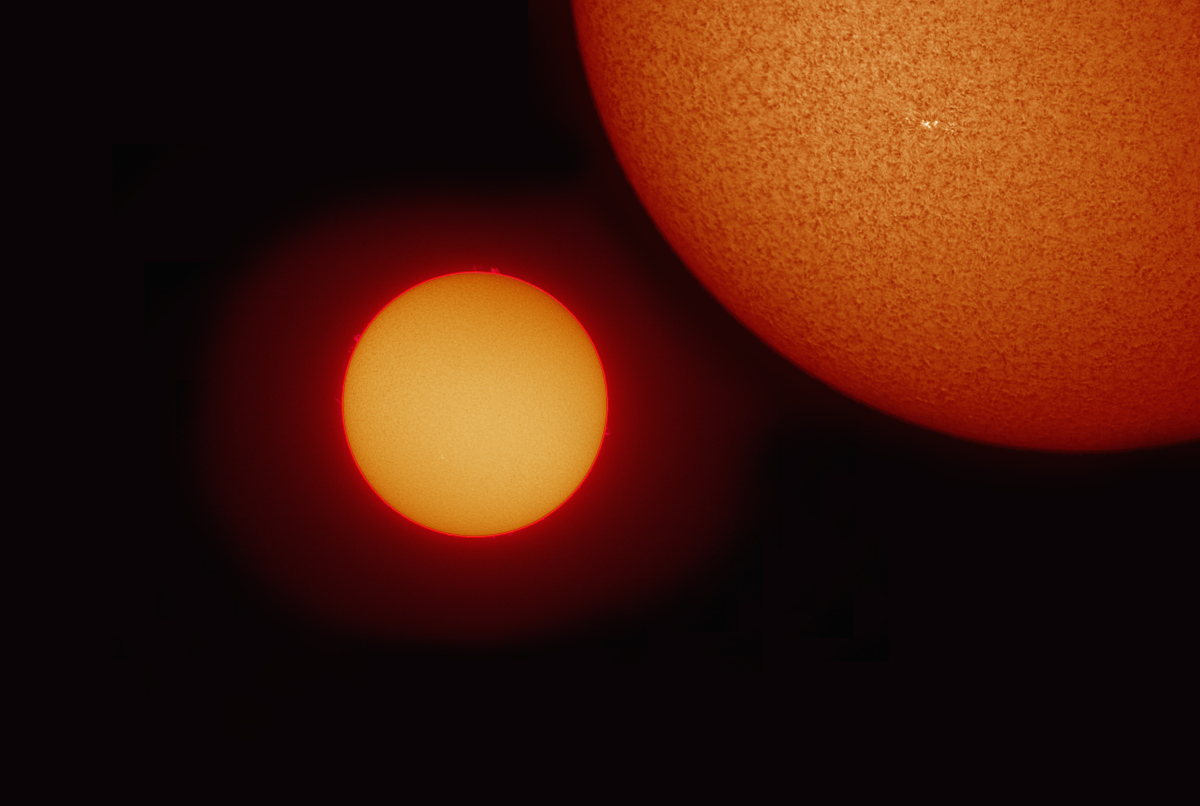
Venus can be seen as a black dot eclipsing the Sun in this image from 2012. Venus orbits too close to the Sun to the planet to be habitable for life as we know it. Venus experiences a runaway greenhouse and the average surface temperatures are thought to be around 864ºF. (Credit: NASA/SDO & the AIA, EVE, and HMI teams; Digital Composition: Peter L. Dove)
via phys.org

Saturn’s Moon Titan Has Surprisingly Salty Oceans Lurking Under Its Surface

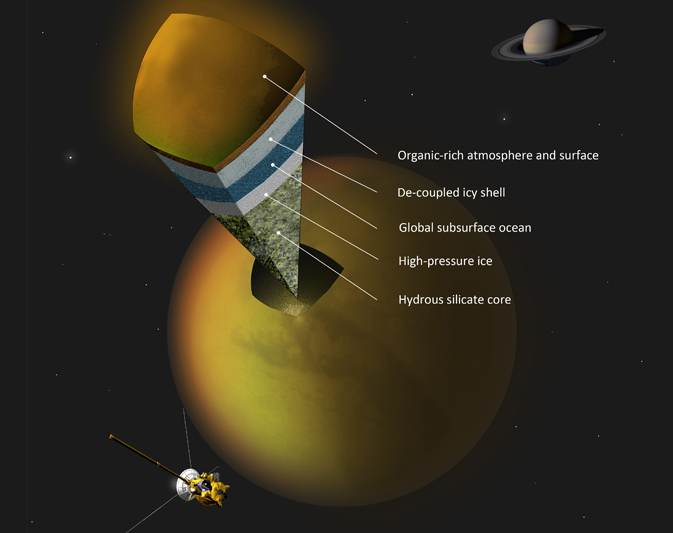
Artist's concept showing potential internal structure of Titan. (Credit: A. Tavani/NASA)
Artist’s concept showing potential internal structure of Titan. (Credit: A. Tavani/NASA)
via motherboard.vice

Rude Planet Ignores Parent

 Simulation of a binary star system. (Impolite offspring not pictured.)  (Credit: Malcolm Park; Getty Images)
Simulation of a binary star system. (Impolite offspring not pictured.) (Credit: Malcolm Park; Getty Images)
via time