Physics in the News

Tuesday, June 17, 2014

Decontamination system turns space station into life science laboratory

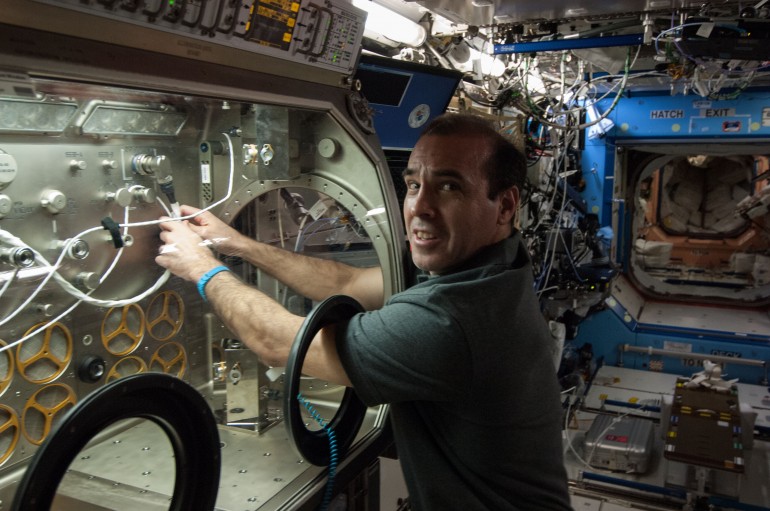
NASA astronaut Rick Mastracchio prepares to test the ultraviolet light decontamination hardware (Image: NASA)
NASA astronaut Rick Mastracchio prepares to test the ultraviolet light decontamination hardware (Credit: NASA)
via gizmag

Hubble telescope on the lookout for Kuiper belt as it pasts Pluto

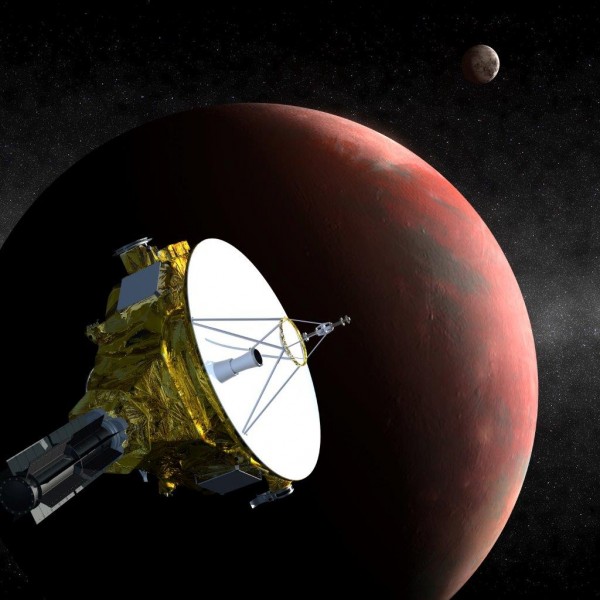
The New Horizons spacecraft approaches Pluto in this artist's conception. (JHUAPL/SWRI)
The New Horizons spacecraft approaches Pluto in this artist’s conception. (Credit: JHUAPL/SWRI)
via news.sciencemag

Former NASA Physicist Disputes Einstein’s Relativity Theory

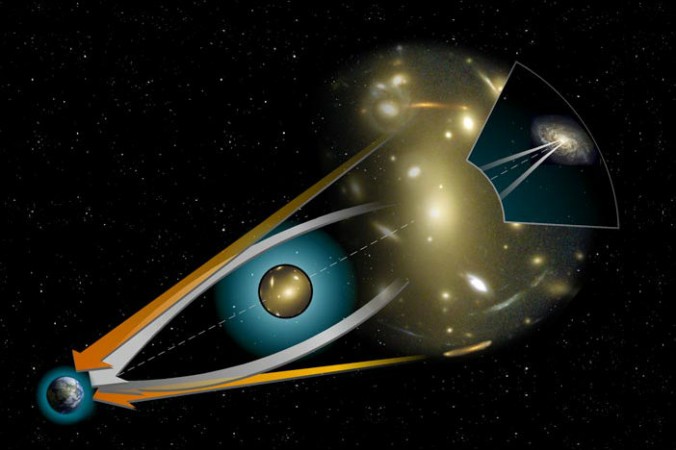
A diagram depicting gravitational lensing, a phenomenon by which light bends around some objects in space. (NASA, ESA; J. Richard, CRAL; and J.-P. Kneib, LAM)
A diagram depicting gravitational lensing, a phenomenon by which light bends around some objects in space. (Credit: NASA, ESA; J. Richard, CRAL; and J.-P. Kneib, LAM)
via theepochtimes

We owe our lives to instability

rt_yc12_7000
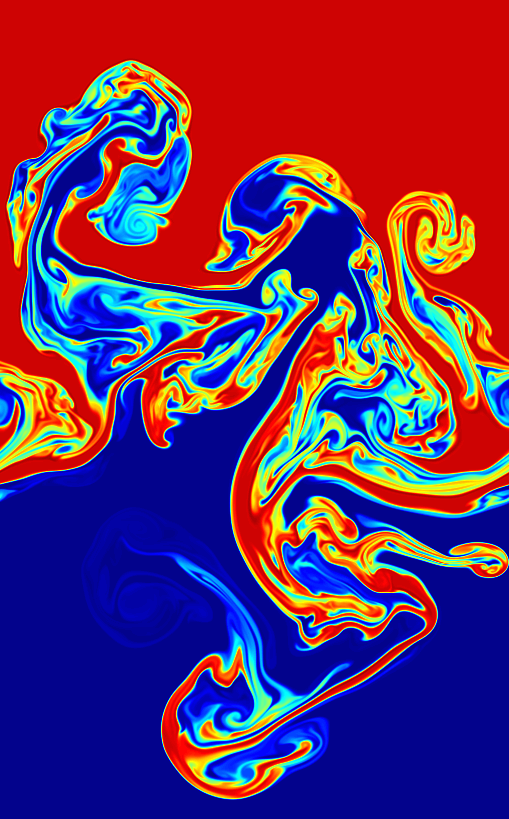
Rayleigh Taylor Instability: carbon mass fraction ρ=107 gm/cm3 12C→24Mg nuclear flame. Gravity 109 cm/s2 (Credit: Wiki Commons)
via santafenewmexican

Space giants join forces to battle SpaceX: This is how cheap space travel begins

The SpaceX Dragon capsule is making its third trip to the International Space Station, following a demonstration flight in May 2012 and the first resupply mission in October 2012
The SpaceX Dragon capsule is making its third trip to the International Space Station, following a demonstration flight in May 2012 and the first resupply mission in October 2012 (Credit: SpaceX)
via extremetech

Opportunity peers out from ‘Pillinger Point’ – Honoring British Beagle 2 Mars scientist

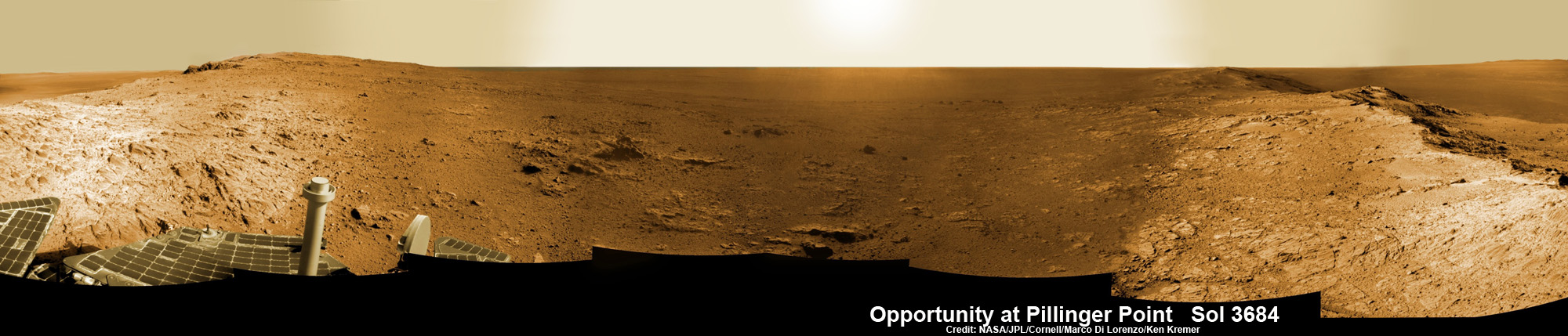
Opportunity Mars rover peers into vast Endeavour Crater from Pillinger Point mountain ridge named in honor of Colin Pillinger, the Principal Investigator for the British Beagle 2 lander built to search for life on Mars. Pillinger passed away from a brain hemorrhage on May 7, 2014. This navcam camera photo mosaic was assembled from images taken on June 5, 2014 (Sol 3684) and colorized. Credit: NASA/JPL/Cornell/Marco Di Lorenzo/Ken Kremer-kenkremer.com Read more: http://www.universetoday.com/112606/opportunity-peers-out-from-pillinger-point-honoring-british-beagle-2-mars-scientist-where-ancient-water-flowed/#ixzz34sFwIO7M
Opportunity Mars rover peers into vast Endeavour Crater from Pillinger Point mountain ridge named in honor of Colin Pillinger, the Principal Investigator for the British Beagle 2 lander built to search for life on Mars. Pillinger passed away from a brain hemorrhage on May 7, 2014. This navcam camera photo mosaic was assembled from images taken on June 5, 2014 (Credit: NASA/JPL/Cornell/Marco Di Lorenzo/Ken)
via universetoday

The Continuing Saga of Planet X: Could More Massive Planets Hide Beyond Pluto?

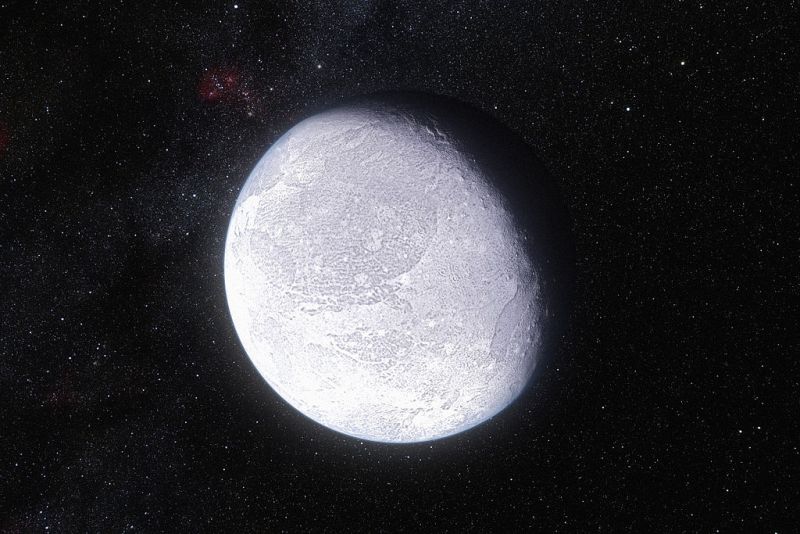
An artist’s impression of Eris, the most massive dwarf planet known to date, with an aphelion of 97 AU from the Sun. Could bigger Super-Earth-type planets be orbiting even farther out? Image Credit: ESO/L. Calçada and Nick Risinger
An artist’s impression of Eris, the most massive dwarf planet known to date, with an aphelion of 97 AU from the Sun. Could bigger Super-Earth-type planets be orbiting even farther out? (Credit: ESO/L. Calçada and Nick Risinger)
via americaspace

Trapping light: A long lifetime in a very small place

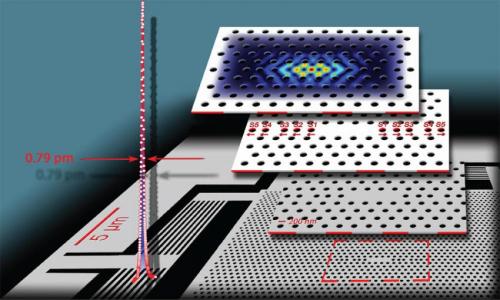
The top layer shows a simulation of the nanostructure confining the light in the tiny red regions. The second layer is the design generated by an approach that mimics evolutionary biology. The bottom two layers show electron micrographs of the realized nanostructure in silicon. The sharp peak on the left is the trace of the long trapping of light. Credit: Fabio Badolato
The top layer shows a simulation of the nanostructure confining the light in the tiny red regions. The second layer is the design generated by an approach that mimics evolutionary biology. The bottom two layers show electron micrographs of the realized nanostructure in silicon. The sharp peak on the left is the trace of the long trapping of light. (Credit: Fabio Badolato)
via phys.org

Physics in the News

Monday, June 16, 2014

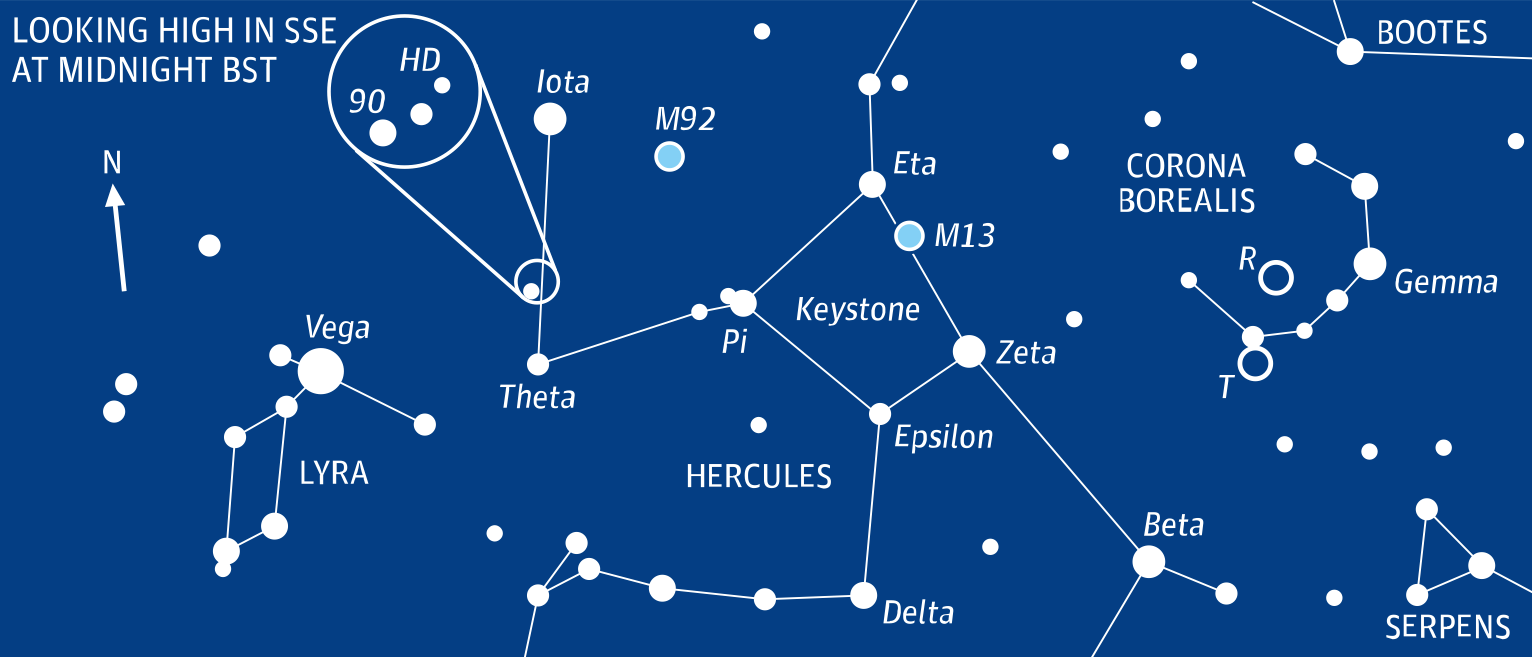
Starwatch: A sister for the Sun?

These clues have been used by a team of astronomers led by the University of Texas to identify the Sun’s potential sibling. Still unnamed but known as HD 162826 or by a number of other catalog designations, it is plainly visible through binoculars high in our summer night sky.
via theguardian

Now, we eat? Not so fast, NASA space farmers say

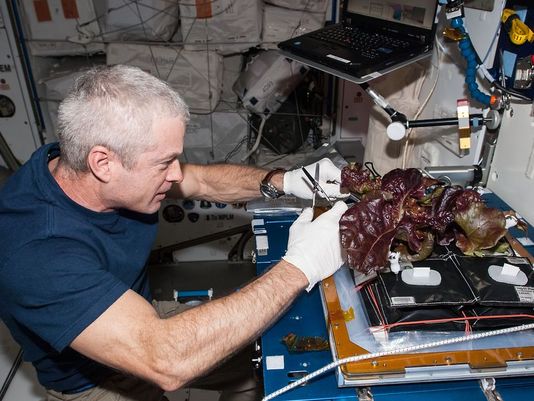
NASA astronaut Steve Swanson harvests a crop of red romaine lettuce plants that were grown from seed in space.(Photo: NASA)
NASA astronaut Steve Swanson harvests a crop of red romaine lettuce plants that were grown from seed in space. (Credit: NASA)
via floridatoday

Create the ultimate world clock with a quantum link

Atomic clock (Image: NIST)
Atomic clock (Credit: NIST)
via newscientist

Delayed SpaceX Falcon 9 rocket fires up engines

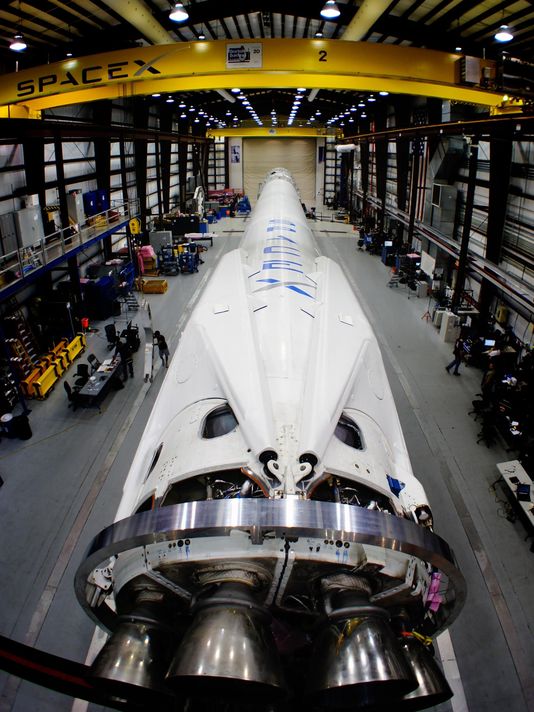
A planned launch of a Falcon 9 rocket Sunday evening was delayed to allow time for more tests on one of Orbcomm Inc.’s satellites.(Photo: FOR FLORIDA TODAY)
A planned launch of a Falcon 9 rocket Sunday evening was delayed to allow time for more tests on one of Orbcomm Inc.’s satellites. (Credit: Space X)

via floridatoday

NASA Scientists Recreate Complex Chemistry of Titan’s Atmosphere

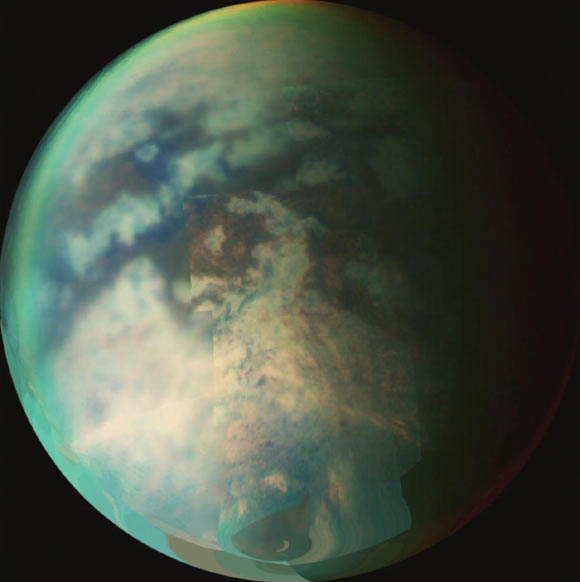
This image is a composite of several images taken during two separate Titan flybys in 2006. The large circular feature near the center of Titan’s disk may be the remnant of a very old impact basin. The mountain ranges to the southeast of the circular feature, and the long dark, linear feature to the northwest of the old impact scar may have resulted from tectonic activity on Titan caused by the energy released when the impact occurred. Image credit: NASA/JPL/University of Arizona.
This image is a composite of several images taken during two separate Titan flybys in 2006. The large circular feature near the center of Titan’s disk may be the remnant of a very old impact basin. The mountain ranges to the southeast of the circular feature, and the long dark, linear feature to the northwest of the old impact scar may have resulted from tectonic activity on Titan caused by the energy released when the impact occurred. (Credit: NASA/JPL/University of Arizona)
via sci-news

Physics in the News

Friday, June 13, 2014

Solar Storm Heading Toward Earth

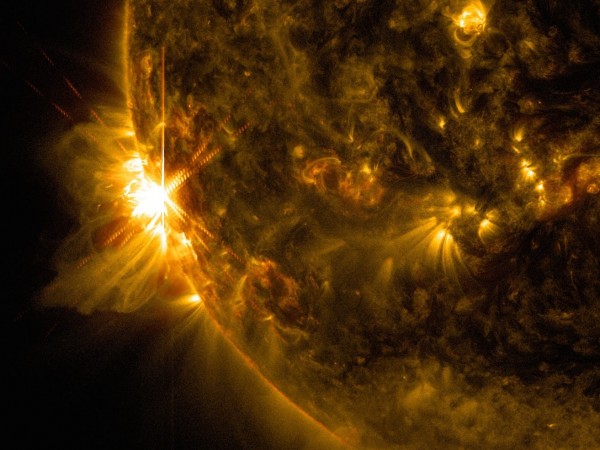
This image from NASA’s Solar Dynamic Observatory captures the first of three giant flares erupting from the sun’s surface on June 10, 2014. Credit: NASA/SDO/Goddard/Wiessinger
This image from NASA’s Solar Dynamic Observatory captures the first of three giant flares erupting from the sun’s surface on June 10, 2014. (Credit: NASA/SDO/Goddard/Wiessinger)
via newswatch

Stunning Hubble time-lapse of stellar explosion(VIDEO)

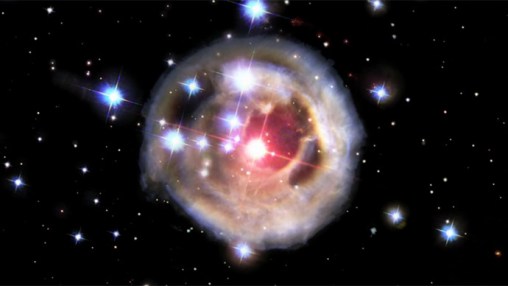
 V838 created an expanding light echo that illuminated the interstellar dust surrounding it and generated one of the most amazing scenes captured by Hubble.
V838 created an expanding light echo that illuminated the interstellar dust surrounding it and generated one of the most amazing scenes captured by Hubble. (Credit: NASA)
via rt.com

NASA to Launch Carbon Dioxide-Monitoring Spacecraft Next Month

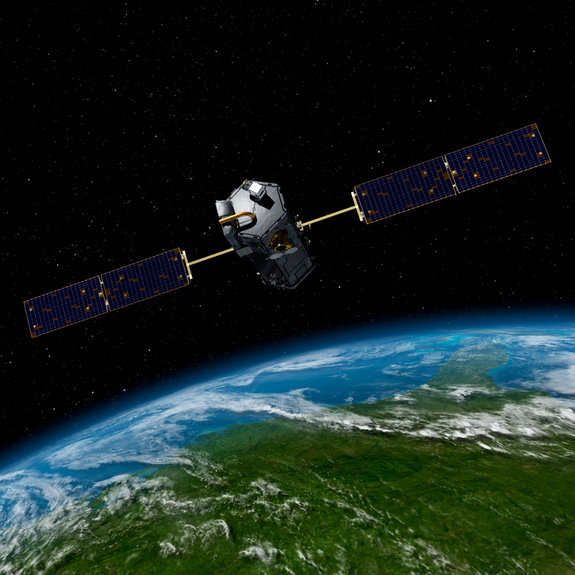
Artist's rendition of the OCO-2 Observatory. Credit: JPL/NASA
Artist’s rendition of the OCO-2 Observatory. (Credit: JPL/NASA)
via space.com

The International Space Station Is About to Get Its First 3D Printer

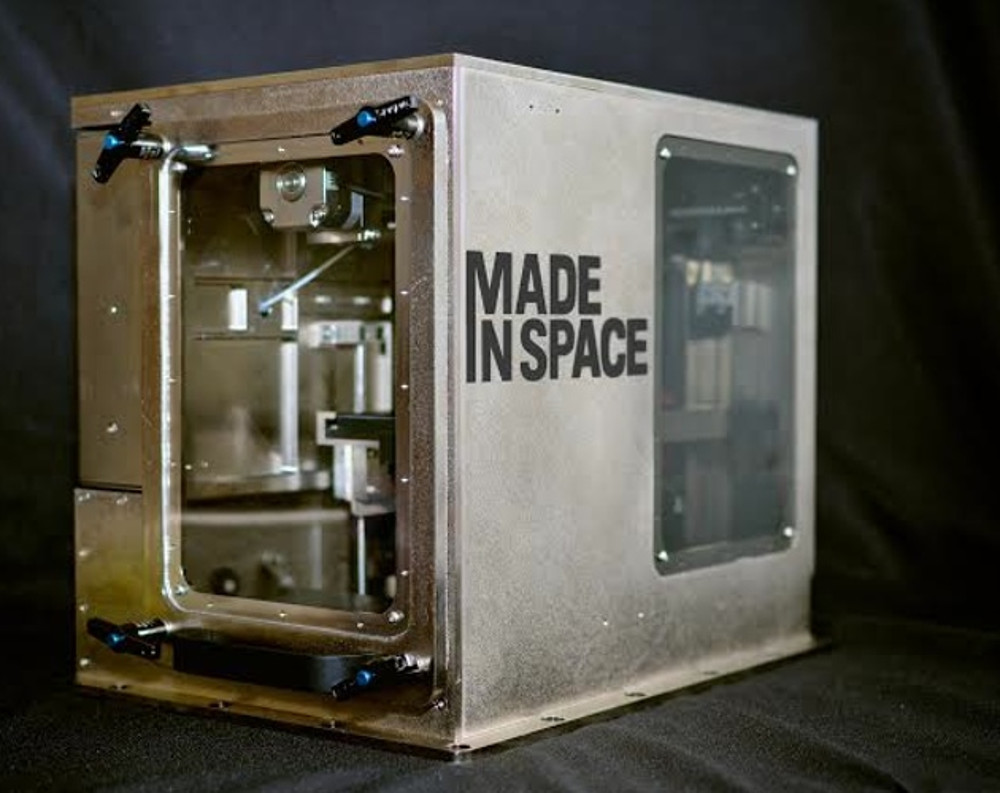
Made in Space's 3D Printer. Image: Made in Space
Made in Space’s 3D Printer. (Credit: Made in Space)
via motherboard.vice

Like Magic! Tiny Particles Can Pass Through Long-Distance Barriers

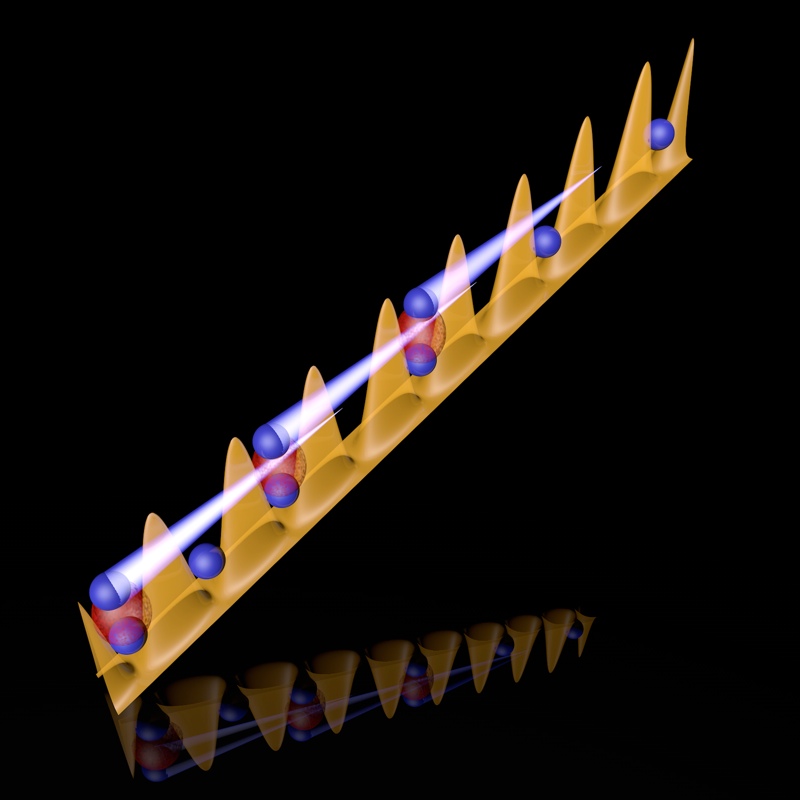
Quantum particles transmit through a whole series of barriers under conditions where a single particle could not do the move. Credit: University of Innsbruck
Quantum particles transmit through a whole series of barriers under conditions where a single particle could not do the move. (Credit: University of Innsbruck)
via livescience

Meet the Cosmic Tootsie Pop

red-giant
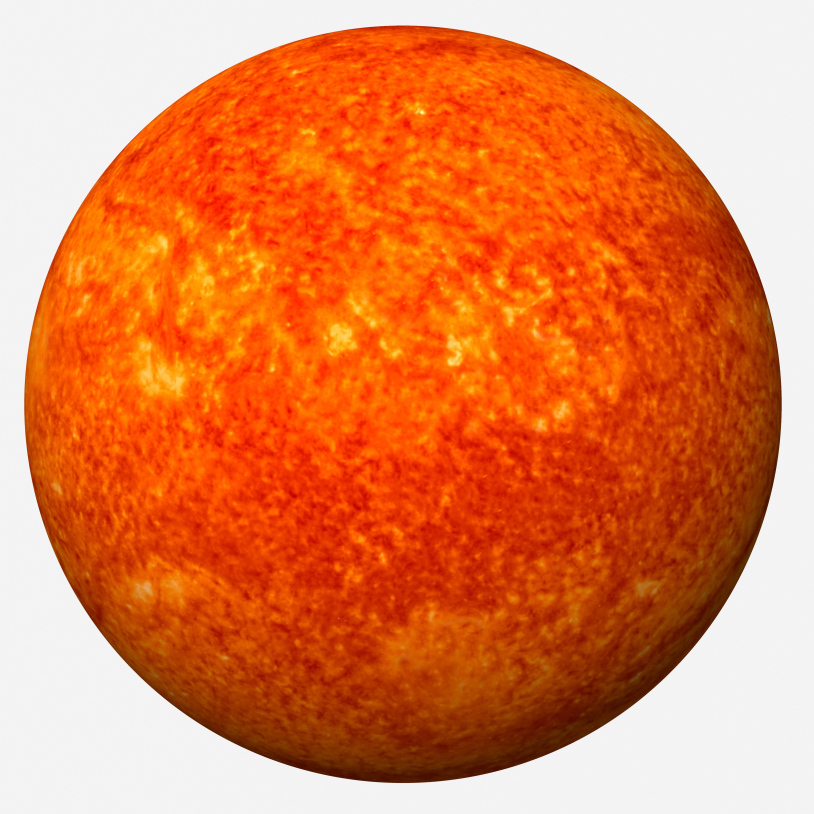
There’s a prize hidden inside this red giant. (Credit: Getty Images)
via time

Physics in the News

Updated Thursday, June 5, 2014

60-year-old Prediction of Atomic Behavior Confirmed

Quantum_Physics_60-year-old_Prediction_of_Atomic_Behavior_Confirmed_ml
Researchers at Washington State University have used a super-cold cloud of atoms that behaves like a single atom to see a phenomenon predicted 60 years ago and witnessed only once since.
via scientificcomputing.com

Big Bang research blunder leaves multiverse theory in ruins, theoretical physicist claims

multiverse
Scientist says the search for the multiverse is not stymied
via www.independent.co.uk

A violent, complex scene of colliding galaxy clusters

MACSJ0717
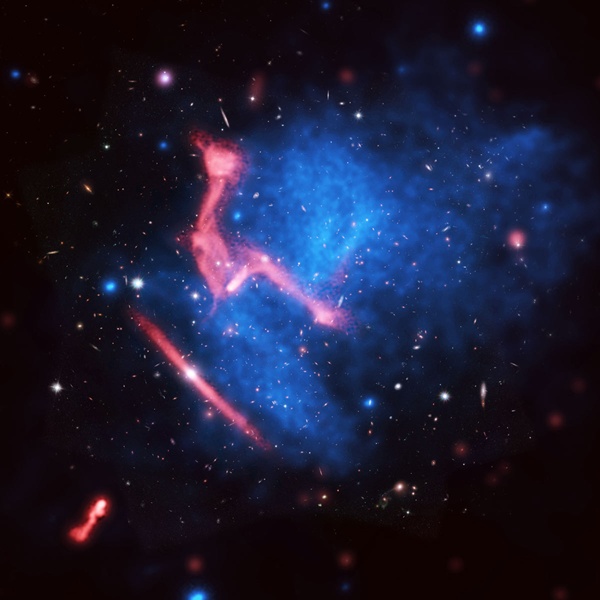
Colliding galaxy clusters MACS J0717+3745, more than 5 billion light-years from Earth. Background is Hubble Space Telescope image; blue is X-ray image from Chandra, and red is VLA radio image.
via www.astronomy.com

Kapteyn b and c: Two Exoplanets Found Orbiting Kapteyn’s Star

image_1965_1-Kapteyn-b-c
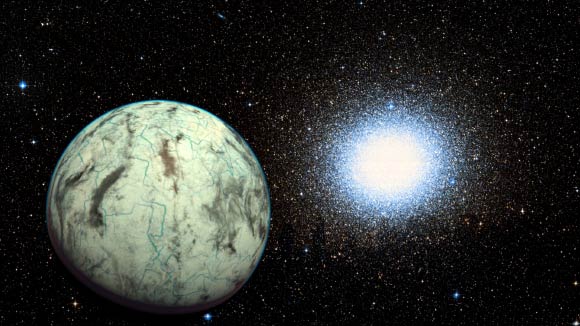
This artistic representation shows the potentially habitable exoplanet Kapteyn b and the globular cluster Omega Centauri in the background. It is believed that this cluster is the remaining core of a dwarf galaxy that merged with our own Milky Way Galaxy billions of years ago bringing Kapteyn’s star along. Image credit: PHL / UPR Arecibo / Aladin Sky Atlas.
via www.sci-news.com

Light from huge explosion 12 billion years ago reaches Earth

observedbyte
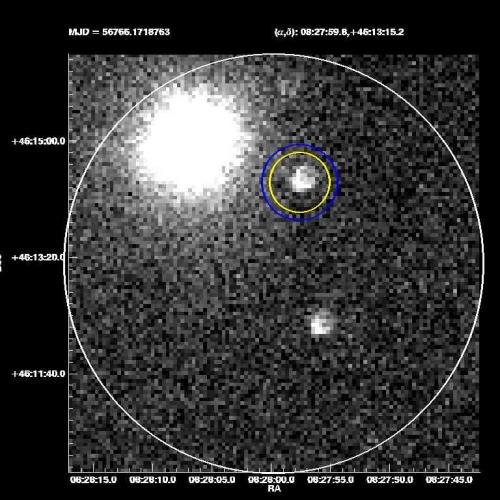
Light from the explosion 12 billion years ago of a massive star at the end of its life reached Earth recently. An image of its peak afterglow, circled with blue and yellow, was captured by Southern Methodist University’s ROTSE-IIIb telescope at McDonald Observatory, Fort Davis, Texas. A bright star sits alongside the afterglow from GRB 140419A. Credit: ROTSE-IIIb, SMU
via phys.org

Miniature Digital Zenith Telescope For Astronomy And Geoscience

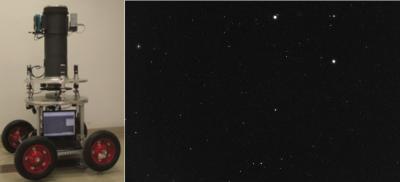
This shows the DZT-1 prototype and observation image. Credit: ©Science China Press
via technology.org

Powerful magnetic fields challenge black holes’ pull

zoom
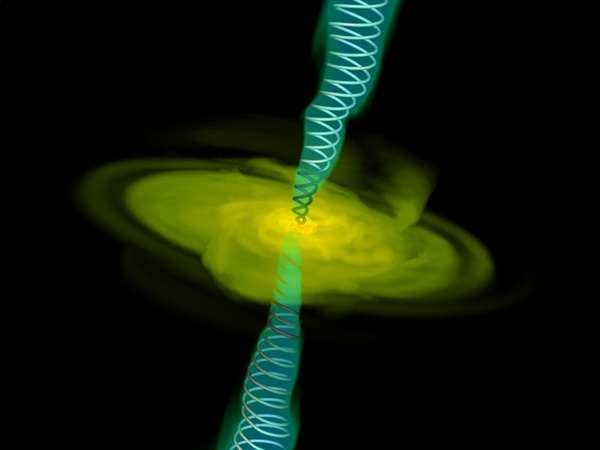
A computer simulation of gas (in yellow) falling into a black hole (too small to be seen). Twin jets are also shown with magnetic field lines. Alexander Tchekhovskoy (LBNL)
via www.astronomy.com

Astronomers Find “Mega-Earth,” Most Massive Rocky Planet Yet

mega-earth-kepler-01_80397_990x742
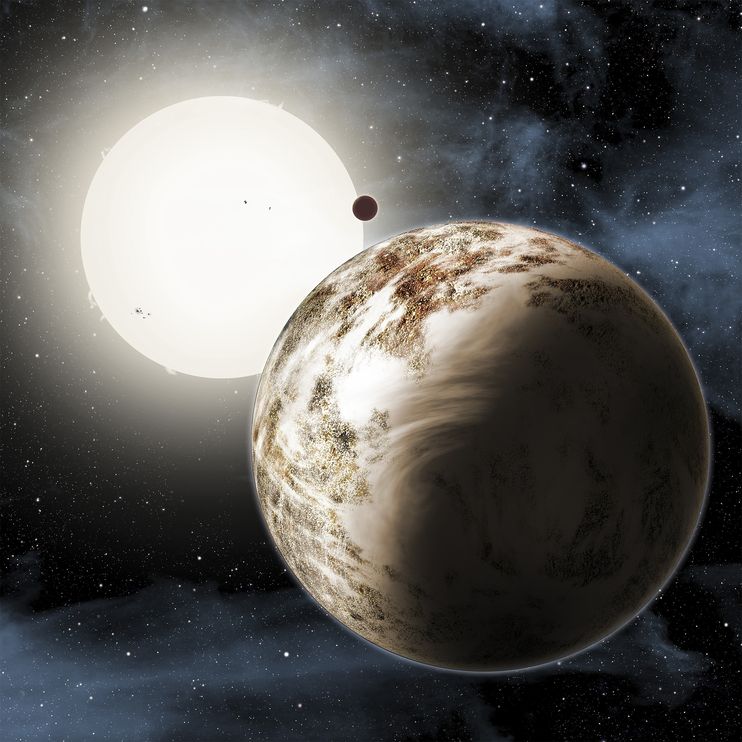
Rocky world could be the first of an entirely new class of planet. An illustration of mega-Earth Rocky world could be the first of an entirely new class of planet. An illustration of mega-Earth The newly discovered ”mega-Earth” Kepler-10c dominates the foreground in this artist’s conception released by the Harvard-Smithsonian Center for Astrophysics in Cambridge, Massachusetts on June 2, 2014.
via news.nationalgeographic.com

Penn science and art at the edge of space

Artacama
Penn astrophysicist Mark Devlin and Jackie Tileston, an associate professor of fine arts at PennDesign, collaborated on the ARTacama Project, the “highest known art installation in the world” three miles above sea level in the Chilean mountains.
www.upenn.edu