Physics in the News

Wednesday, July 23, 2014

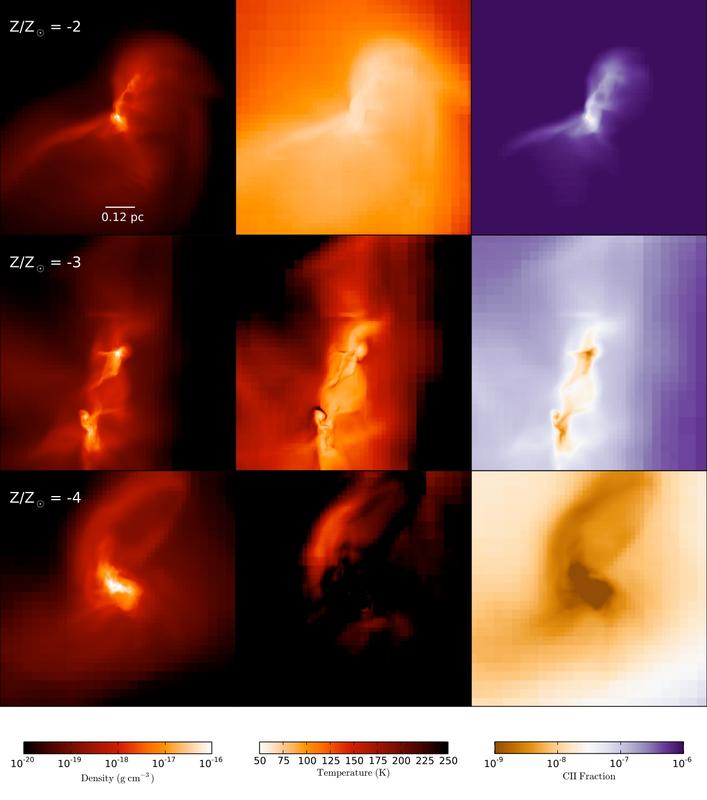
Scientists set new record by discovering the two most distant stars ever found in the milky way
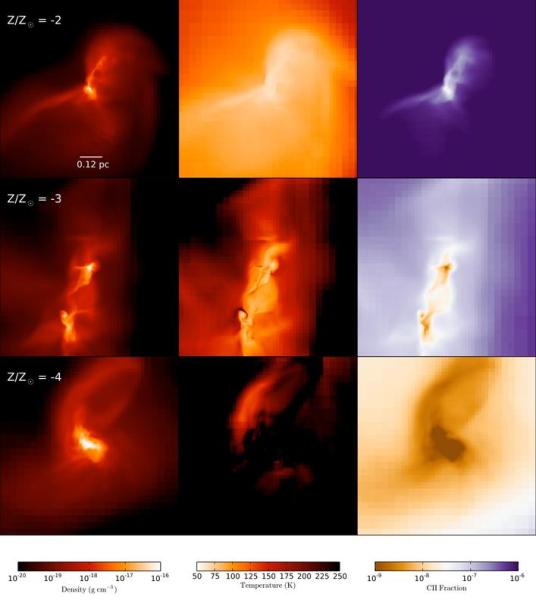
Density, temperature, and CII projections along the y-axis at a scale of 1 pc, for three different metallicities. (Credit: University of Göttingen)
via inquisitr

Optical fibres from thin air

An “air waveguide” has been used to enhance light signals collected from distant sources. A single waveguide could be used to send out a laser and collect a signal. (Credit: Howard Milchberg)
via theengineer

Hubble traces the halo of a galaxy more accurately than ever before
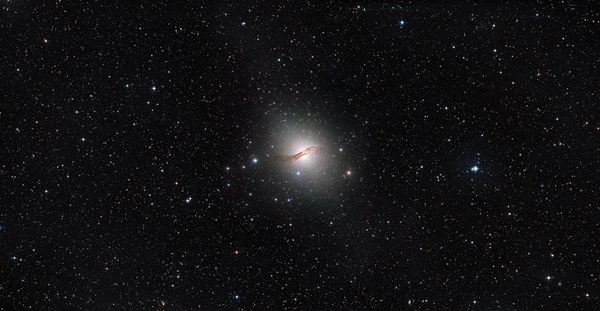
This image shows the stunning elliptical galaxy Centaurus A. Recently, astronomers have used the NASA/ESA Hubble Space Telescope to probe the outskirts of this galaxy to learn more about its dim halo of stars. (Credit: ESA/Hubble)/NASA/Digitized Sky Survey/MPG/ESO
via astronomy

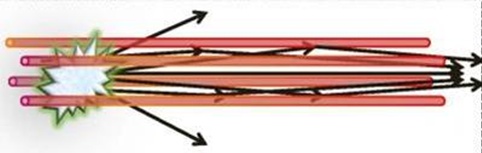
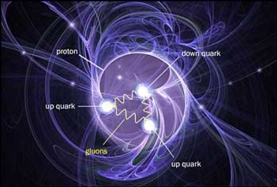
Proton spin mystery gains a new clue

Physicists long assumed a proton’s spin came from its three constituent quarks. New measurements suggest particles called gluons make a significant contribution (Credit: Brookhaven National Laboratory)
via scientificamerican

‘Transformer’ pulsar is more than meets the eye
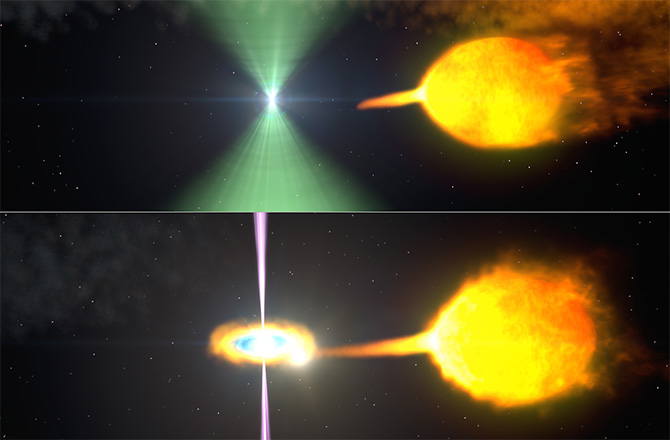
These artist's renderings show one model of pulsar J1023 before (top) and after (bottom) its radio beacon (green) vanished. Normally, the pulsar's wind staves off the companion's gas stream. When the stream surges, an accretion disk forms and gamma-ray particle jets (magenta) obscure the radio beam. NASA's Goddard Space Flight Center
These artist’s renderings show one model of pulsar J1023 before (top) and after (bottom) its radio beacon (green) vanished. Normally, the pulsar’s wind staves off the companion’s gas stream. When the stream surges, an accretion disk forms and gamma-ray particle jets (magenta) obscure the radio beam.
(Credit: NASA’s Goddard Space Flight Center)
via discovery

Massive neutrinos and new standard cosmological model: No concordance yet
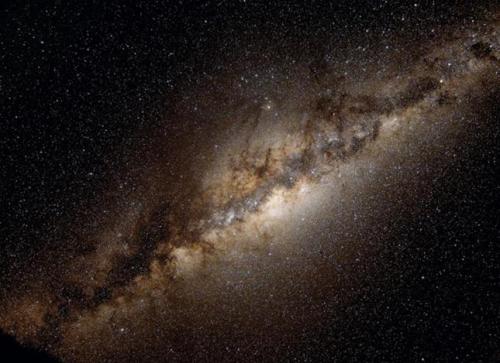
 The research group demonstrates that adding such massive neutrinos to the standard model does not really explain all datasets. Credit: The Milky Way, NASA. Read more at: http://phys.org/news/2014-07-massive-neutrinos-standard-cosmological-concordance.html#jCp
The research group demonstrates that adding such massive neutrinos to the standard model does not really explain all datasets. (Credit: The Milky Way, NASA.)
via phys.org

What is gravity really (VIDEO)?

via nasa

Advanced dark matter experiment coming to SNOL
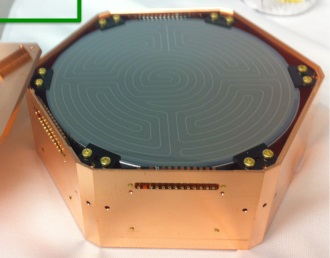
The Super Cryogenic Dark Matter Search is an international, multimillion dollar dark matter experiment currently based in Minnesota with plans to progress the project by building a more sensitive detector at SNOLAB.
The Super Cryogenic Dark Matter Search is an international, multimillion dollar dark matter experiment currently based in Minnesota with plans to progress the project by building a more sensitive detector at SNOLAB. (Credit: SNOLAB)
via queensu

Update: Einstein is still full of surprises
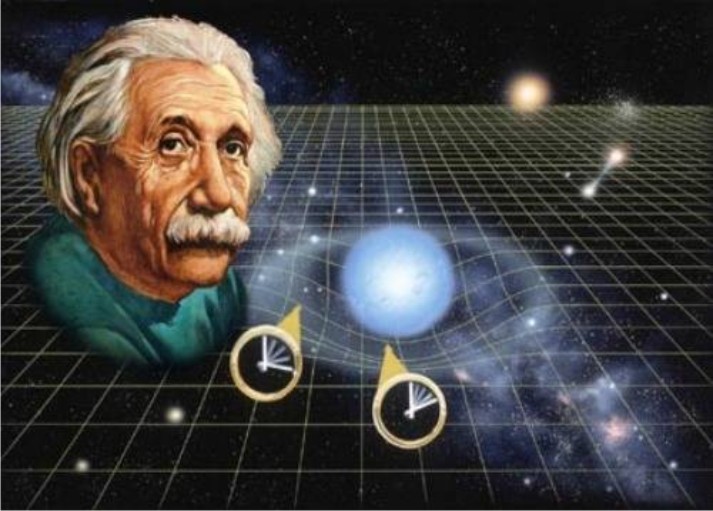
What is the view of time that Albert Einstein presents to us in special relativity? Einstein tells us that there is no separate ‘time’ or ‘space.’ ‘Time’ and ‘space’ cannot be separated; they are a united whole.
via davidreneke

Physics in the News

Saturday, July 19, 2014

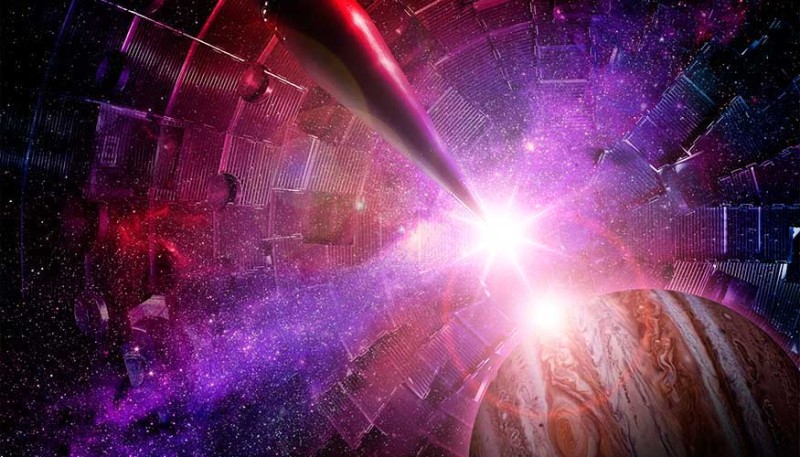
Scientists use world’s largest laser to recreate Jupiter’s core

The interior of the target chamber at the National Ignition Facility at Lawrence Livermore National Laboratory. The object entering from the left is the target positioner, on which a millimeter-scale target is mounted. Researchers recently used NIF to study the interior state of giant planets. (Credit: Image by Damien Jemison/LLNL)
via sciencedaily

Panning for dark matter in an Australian gold mine

Michael Slezak goes deep under the outback to find a home for the southern hemisphere's first WIMP detector, which could confirm our best direct signal yet(Credit: Michael Slezak)
Michael Slezak goes deep under the outback to find a home for the southern hemisphere’s first WIMP detector, which could confirm our best direct signal yet(Credit: Michael Slezak)
via newscientist

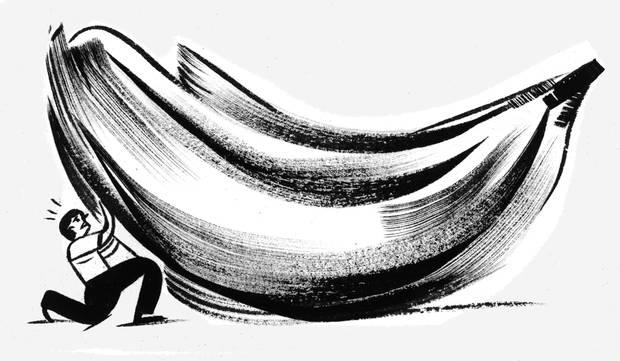
Let me ask you this: ‘Are bananas radioactive and is it true that eating too many can kill you?’

Yes, you will certainly die from radiation poisoning if you are able to eat 10,000,000 bananas at once. You may also witness chronic symptoms if you eat 274 bananas a day for seven years.
Yes, you will certainly die from radiation poisoning if you are able to eat 10,000,000 bananas at once. You may also witness chronic symptoms if you eat 274 bananas a day for seven years. (Credit: Ping Zhu)
via independent

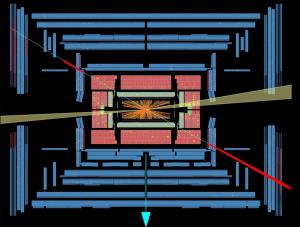
Higgs boson glimpsed at work for first time

Fresh from the ATLAS detector at the Large Hadron Collider (Credit: CERN)
via newscientist

Scattered neutrons could mimic DAMA-LIBRA’s ‘dark matter’ modulation

On a high: do muons and neutrinos mimic DAMA's signal? (Credit: DAMA/LIMA)
On a high: do muons and neutrinos mimic DAMA’s signal? (Credit: DAMA/LIMA)
via physicsworld

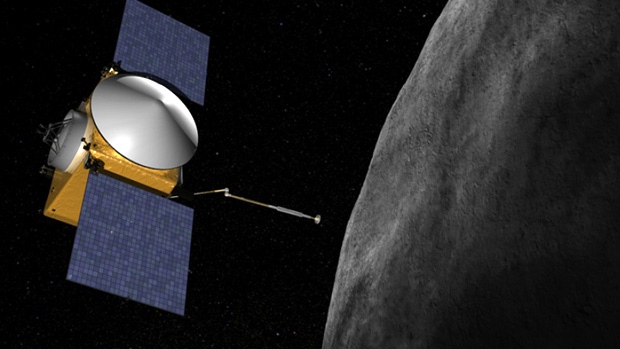
OSIRIS-REx asteroid mission will use Canadian 3D technology

Canada is about to build technology that will be used to map an asteroid in 3D using lasers on an upcoming space mission.
Canada is about to build technology that will be used to map an asteroid in 3D using lasers on an upcoming space mission. (Credit CSA)
via cbc

Physics in the News

Monday, July 7, 2014

Fluids Flowing at the Nanoscale (VIDEO)

via theepochtimes

Solved: Signals Thought Originating from Habitable-Zone Planets (VIDEO)

via dailygalaxy

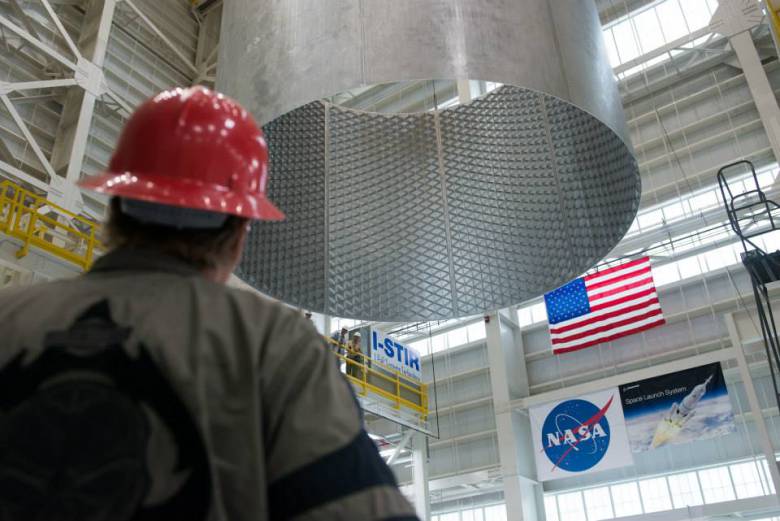
NASA OK’s spending on a new rocket built for deep space exploration

NASA plans to spend $6.8 billion of its funding for the SLS project. (Credit: NASA)
via venturebeat

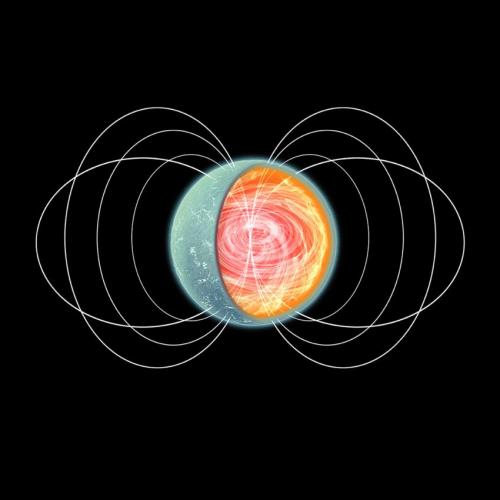
Satellite X-ray observations reveal neutron star with donut-shaped magnetic field and axial wobble

An artist's impression of a magnetar with an intense torroidal magnetic field in its core. (Credit: NASA/CXC/M.Weiss)
An artist’s impression of a magnetar with an intense torroidal magnetic field in its core. (Credit: NASA/CXC/M.Weiss)
via phys.org

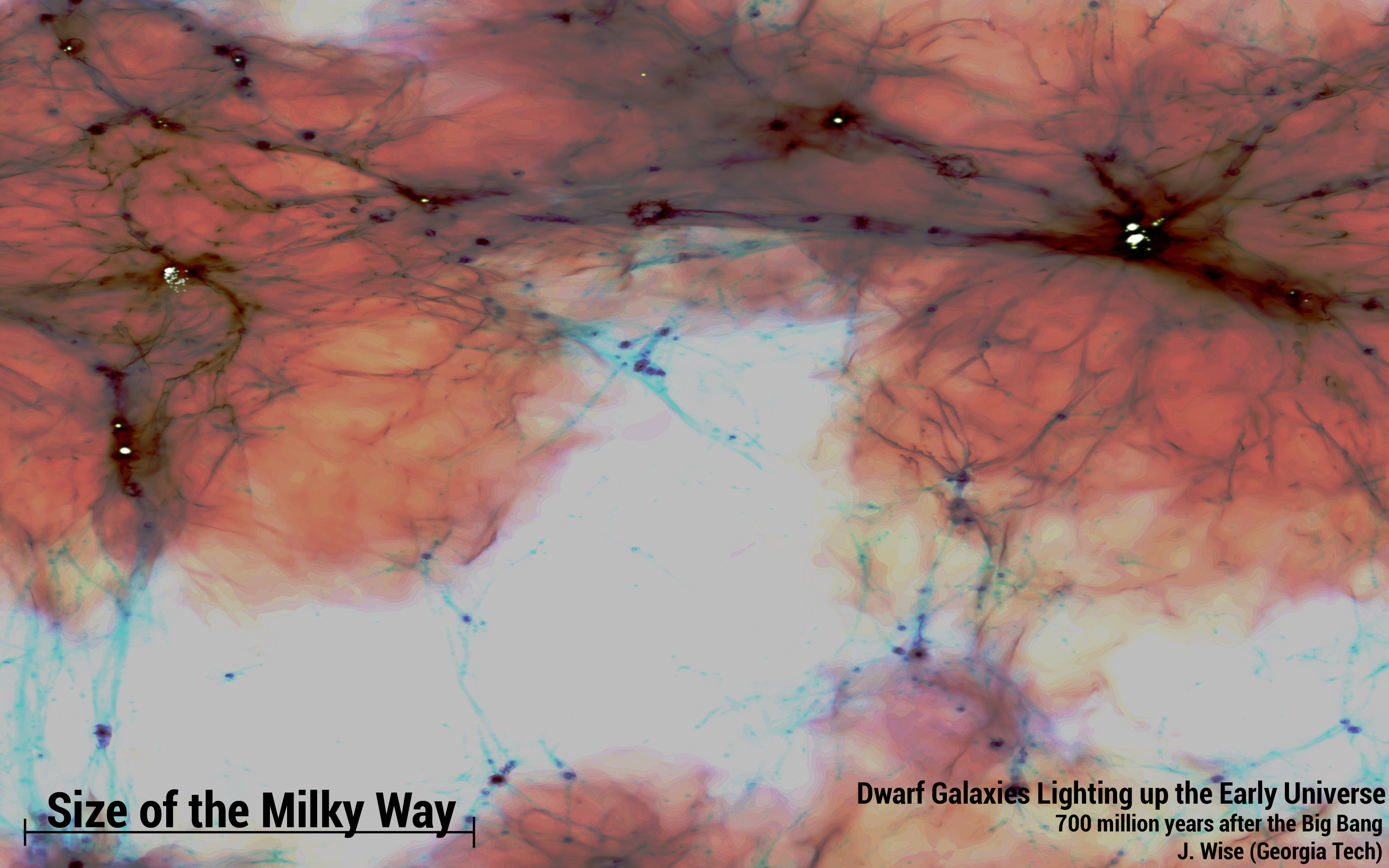
Small, but plentiful: How the faintest galaxies illuminated the early universe

A view of the entire simulation volume showing the large scale structure of the gas, which is distributed in filaments and clumps. The red regions are heated by UV light coming from the galaxies, highlighted in white. These galaxies are over 1000 times less massive than the Milky Way and contributed nearly one-third of the UV light during re-ionisation. The field of view of this image is 400,000 light years across, when the universe was only 700 million years old. (Credit: John Wise)
via phys.org

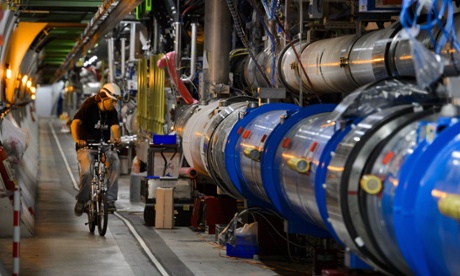
Two years ago the discovery of the Higgs boson was announced. What’s new?

A worker rides on his bicycle in the CERN's Large Hadron Collider (LHC) tunnel during maintenance works. (Credit:  AFP  / FABRICE COFFRINIFABRICE COFFRINI/AFP/Getty Images)
A worker rides on his bicycle in the CERN’s Large Hadron Collider (LHC) tunnel during maintenance works. (Credit: AFP / FABRICE COFFRINIFABRICE COFFRINI/AFP/Getty Images)
via theguardian

Physics in the News

Saturday, July 5, 2014

Searching for Earth-like planets: Newly spotted frozen world orbits in a binary star system

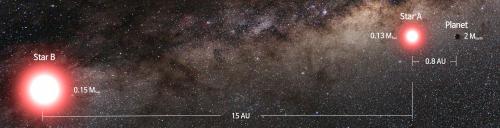
This artist's rendering shows a newly discovered planet (far right) orbiting one star (right) of a binary star system. The discovery, made by a collaboration of international research teams and led by researchers at The Ohio State University, expands astronomers' notions of where to look for planets in our galaxy. (Credit: Cheongho Han, Chungbuk National University, Republic of Korea.)
This artist’s rendering shows a newly discovered planet (far right) orbiting one star (right) of a binary star system. The discovery, made by a collaboration of international research teams and led by researchers at The Ohio State University, expands astronomers’ notions of where to look for planets in our galaxy. (Credit: Cheongho Han, Chungbuk National University, Republic of Korea.)
via phys.org

The Big Picture: NASA flies massive SOFIA telescope to the stratosphere

By sticking a 17-ton telescope into a Boeing 747, you can launch it up to 45,000 feet and get past 99 percent of our atmosphere's water vapor
By sticking a 17-ton telescope into a Boeing 747, you can launch it up to 45,000 feet and get past 99 percent of our atmosphere’s water vapor. (Credit: NASA)

via engadget

NASA’s Cassini Spacecraft To Go Out With A Bang

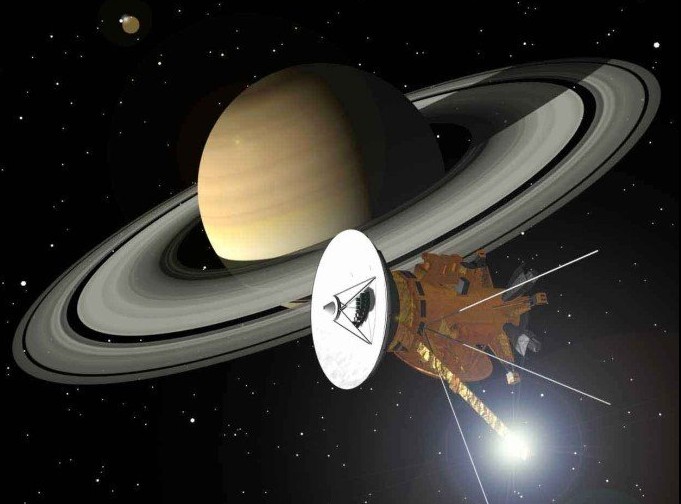
Cassini has uncovered a trove of exciting scientific information by discovering new moons of Saturn, exploring the jetting geysers of Enceladus, and studying the bizarre polar hexagon at Saturn’s north pole. (Credit: NASA)

via davidreneke


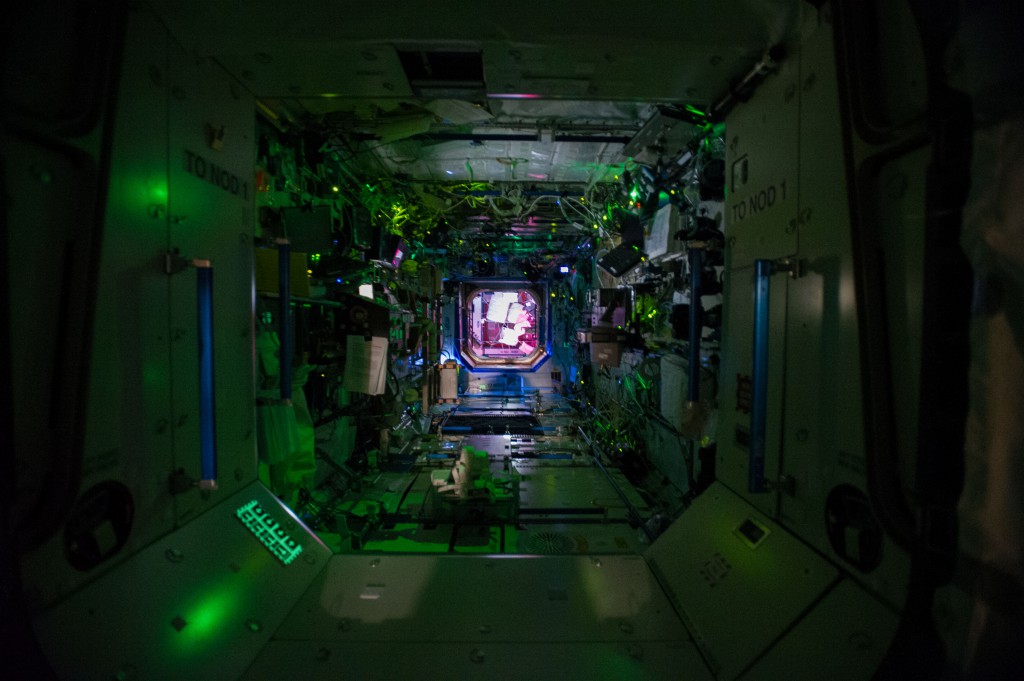
Saturday Space Sight: Inside the ISS Destiny Laboratory

This view is looking into the Destiny Laboratory from Node 1 (Unity) with Node 2 (Harmony) in the background. Destiny is the primary research laboratory for U.S. payloads, supporting a wide range of experiments and studies. (Credit NASA)

via science.dodlive

New satellite data like an ultrasound for baby stars(VIDEO)

via phys.org

Fantastically Wrong: The Legendary Scientist Who Swore Our Planet Is Hollow

This ad should have a huge asterisk somewhere explaining that Koreshanity was a cult started by a guy who shocked himself and woke up thinking he was Jesus.
This ad should have a huge asterisk somewhere explaining that Koreshanity was a cult started by a guy who shocked himself and woke up thinking he was Jesus.(Credit: Wired)
via wired

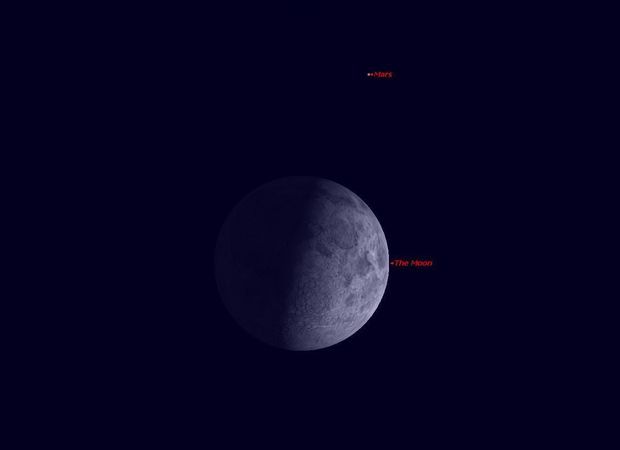
NJ Night Sky: Moon cruises past Mars and Saturn; plus a new Super-Earth?

The Moon is near Mars tonight. (Credit:Starrynight.com)
via nj.com

Physics in the News

Friday, July 4, 2014

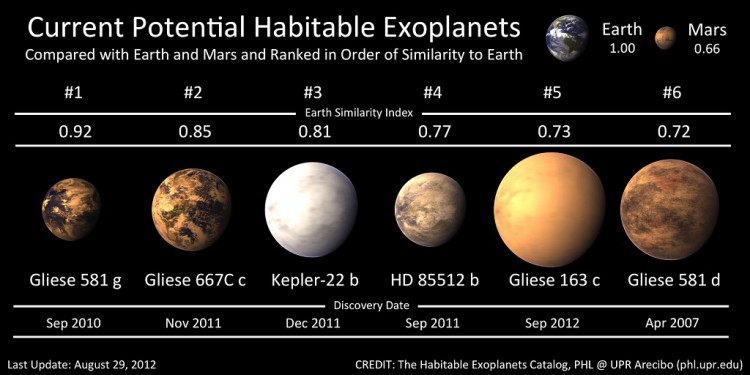
Earth like planet doesn’t exist!

Potential Habitable Exoplanets (Credit: The habitable exoplanet catalog)
via sciencealert

Rosetta enters 67P’s neighborhood as the comet starts taking shape

Animation of Comet 67P/Churyumov-Gerasimenko rotating as seen by Rosetta on June 27-28, 2014 (Credit: NASA)
via universetoday

These New Gravity Maps Give Us An Entirely New Understanding Of The Moon

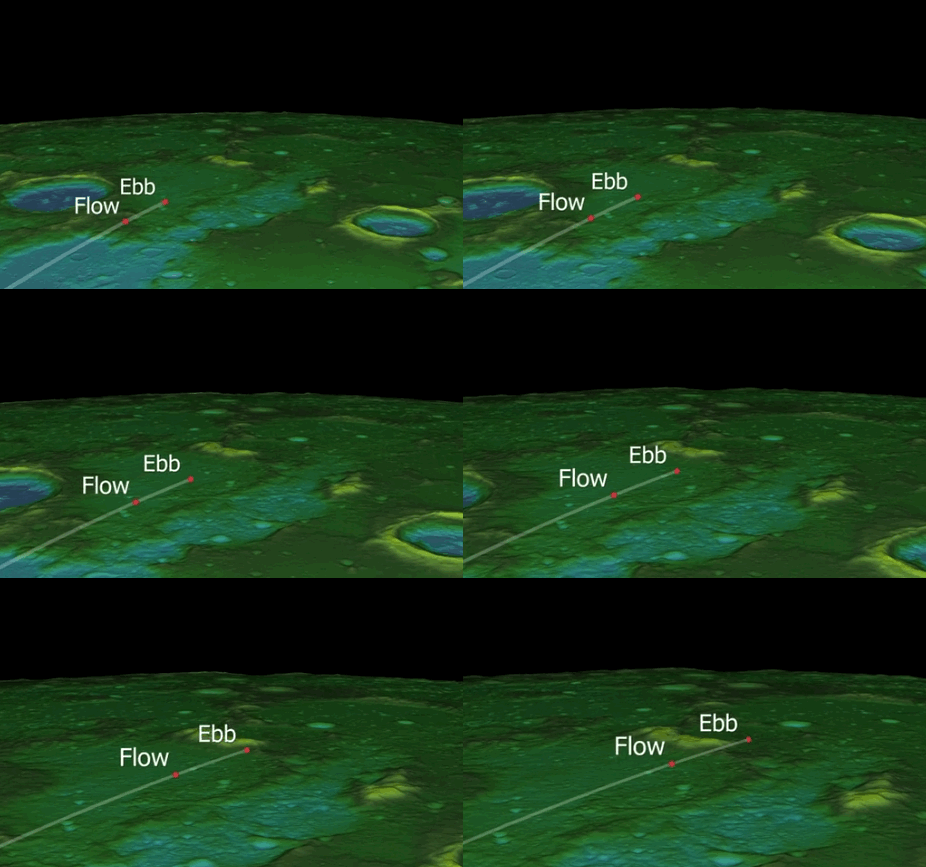
Twin spacecraft, named Ebb and Flow — about the size of washing machines — chased each other around the moon for three months. (Credit: NASA)
via businessinsider

Aldrich’s job is to sniff everything that goes into space

via news.com

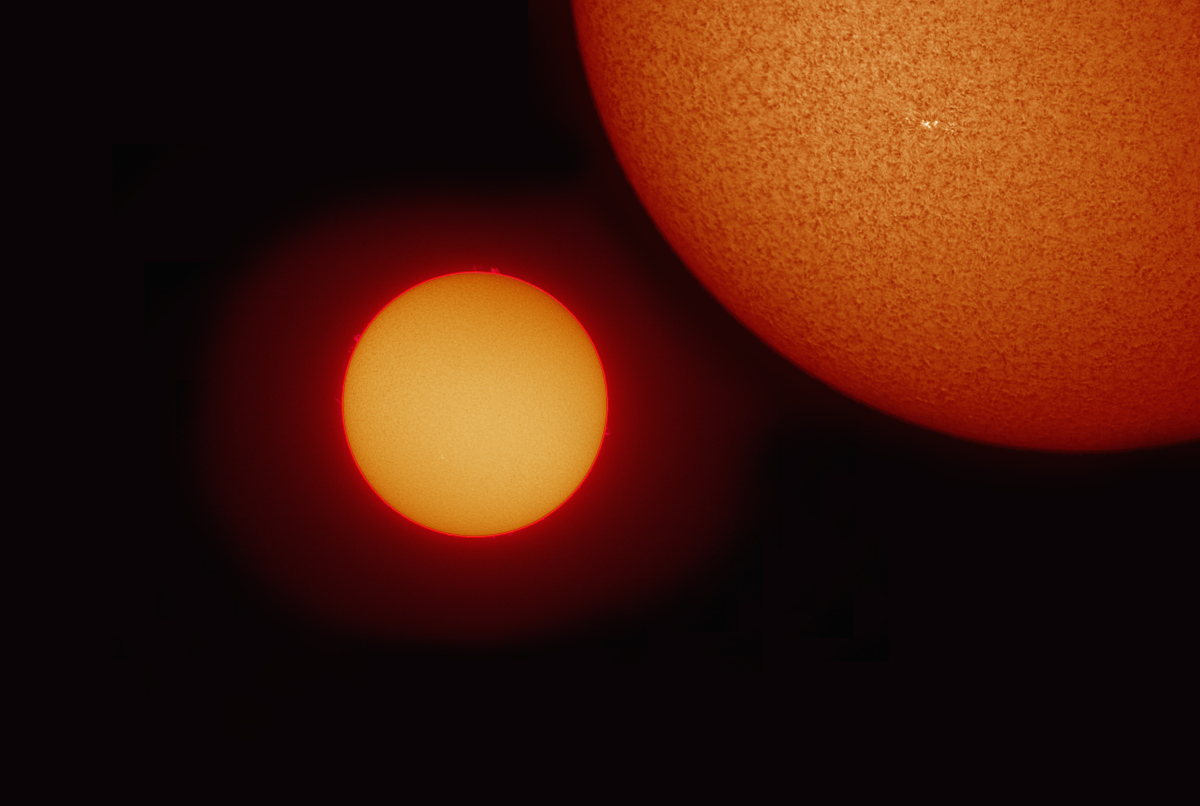
Under the bright lights of an aging sun

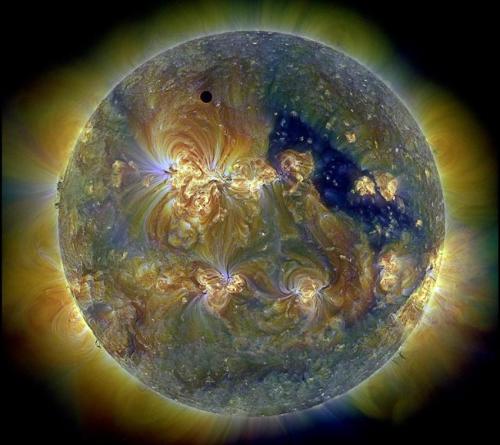
Venus can be seen as a black dot eclipsing the Sun in this image from 2012. Venus orbits too close to the Sun to the planet to be habitable for life as we know it. Venus experiences a runaway greenhouse and the average surface temperatures are thought to be around 864ºF. (Credit: NASA/SDO & the AIA, EVE, and HMI teams; Digital Composition: Peter L. Dove)
via phys.org

Saturn’s Moon Titan Has Surprisingly Salty Oceans Lurking Under Its Surface

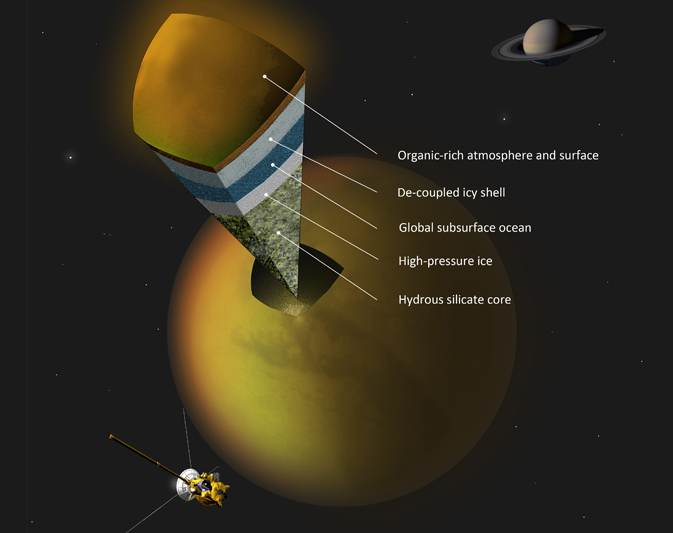
Artist's concept showing potential internal structure of Titan. (Credit: A. Tavani/NASA)
Artist’s concept showing potential internal structure of Titan. (Credit: A. Tavani/NASA)
via motherboard.vice

Rude Planet Ignores Parent

 Simulation of a binary star system. (Impolite offspring not pictured.)  (Credit: Malcolm Park; Getty Images)
Simulation of a binary star system. (Impolite offspring not pictured.) (Credit: Malcolm Park; Getty Images)
via time