Physics in the News

Wednesday, July 2, 2014

Muscle powered Bio-bots walk on command(VIDEO)

via phys.org

‘Deep learning’ makes search for exotic particles easier
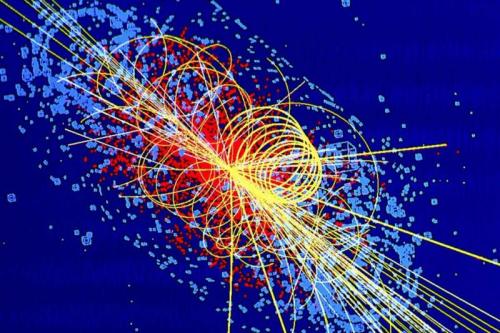
Simulation of a particle collision in which a Higgs boson is produced. (Credit: Lucas Taylor/CMS)
via phys.org

360 degree night sky time-lapse proves that Earth is beautiful

via mashable

Unknown Force May Alter Gravity at Cosmologically LargeScales
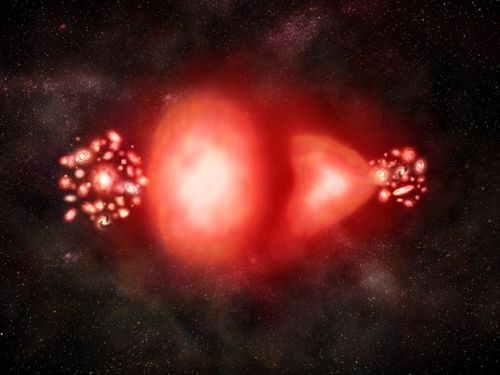
"The dark matter seems to 'know' how the visible matter is distributed. They seem to conspire with each other such that the gravity of the visible matter at the characteristic radius of the dark halo is always the same," said Dr. Benoit Famaey (Universities of Bonn and Strasbourg).
“The dark matter seems to ‘know’ how the visible matter is distributed. They seem to conspire with each other such that the gravity of the visible matter at the characteristic radius of the dark halo is always the same,” said Dr. Benoit Famaey (Universities of Bonn and Strasbourg).
via dailygalaxy

Would Earth look like a habitable planet from afar?
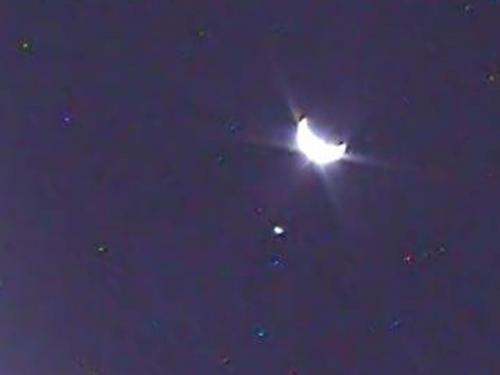
A zoomed-in image of Earth from the perspective of NASA’s Lunar Crater Observation and Sensing Satellite (LCROSS). The small dot below it is the moon. Credit: NASA Ames
via phys.org

Near-Earth Asteroids key to Solar System’s earliest history
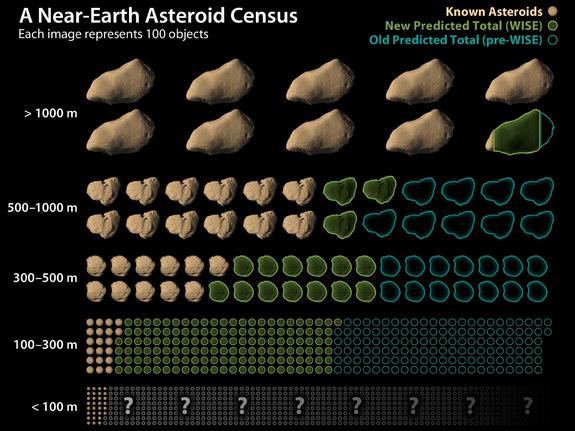
This chart illustrates how infrared is used to more accurately determine an asteroid’s size. (Credit: NASA/JPL-Caltech)
via forbes

Physics in the News

Wednesday June 25, 2014

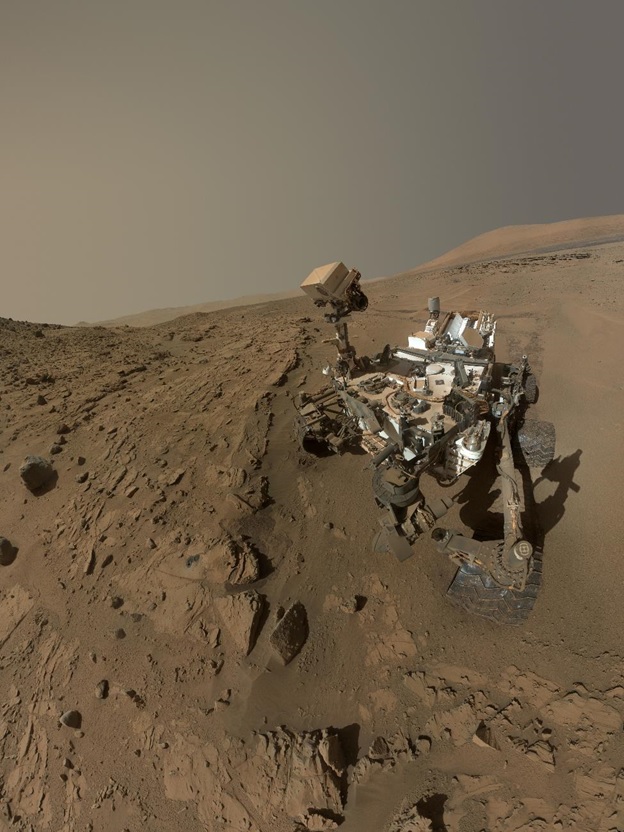
The Curiosity rover has been on Mars for one Martian year. It celebrated by taking a selfie.

NASA’s Mars Curiosity Rover captures a selfie to mark a full Martian year — 687 Earth days — spent exploring the Red Planet. (NASA/JPL-Caltech/MSSS)
NASA’s Mars Curiosity Rover captures a selfie to mark a full Martian year — 687 Earth days — spent exploring the Red Planet. (Credit: NASA/JPL-Caltech/MSSS)

via washingtonpost


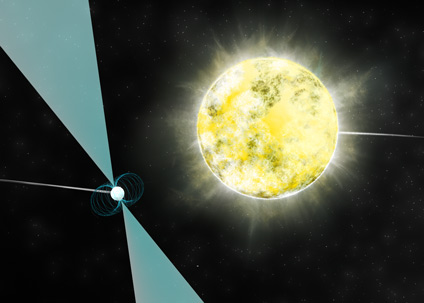
Cold white dwarf star is ‘Earth-size diamond in space’

Artist impression of a white dwarf star in orbit with pulsar PSR J2222-0137. It may be the coolest and dimmest white dwarf ever identified. (Credit: B. Saxton NRAO/AUI/NSF)

via public.nrao.edu


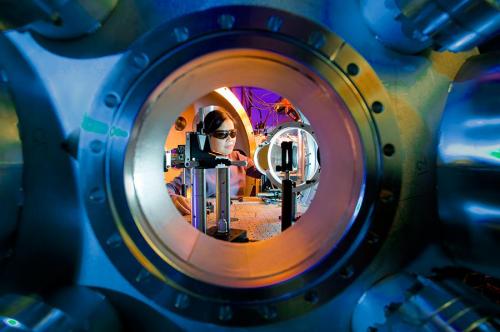
LLNL researchers define boundaries for petawatt laser absorption

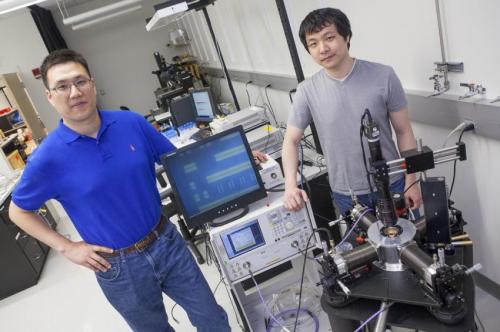
 Lawrence Livermore physicist Hui Chen sets up targets for an experiment using petawatt laser technology at the Jupiter Laser Facility.
Lawrence Livermore physicist Hui Chen sets up targets for an experiment using petawatt laser technology at the Jupiter Laser Facility.

via phys.org


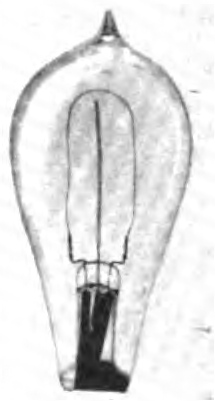
How the Aged Vacuum Tube Could Save Moore’s Law

One of the bulbs Thomas Alva Edison used to discover thermionic emission (the Edison Effect) in 1884. Edison found when he connected an ammeter between the filament and the auxiliary electrode, a current would flow, passing through the evacuated space of the bulb from filament to electrode. This current was later found to consist of electrons.

via gizmodo


Measuring the mass of ‘massless’ electrons

This image shows professor Donhee Ham and his student Hosang Yoon are in the laboratory at the Harvard School of Engineering and Applied Sciences. (Credit: Eliza Grinnell, Harvard SEAS.)

via phys.org


Philosophy begins where physics ends, and physics begins where philosophy ends

Richard Feynman - Philosopher (Image: Washington University)
Richard Feynman – Physicist, Philosopher (Image: Washington University)

via scientificamerican

Physics in the News

Friday, June 20, 2014

Classic space science: UD physicist’s findings about space plasma become ‘classics’

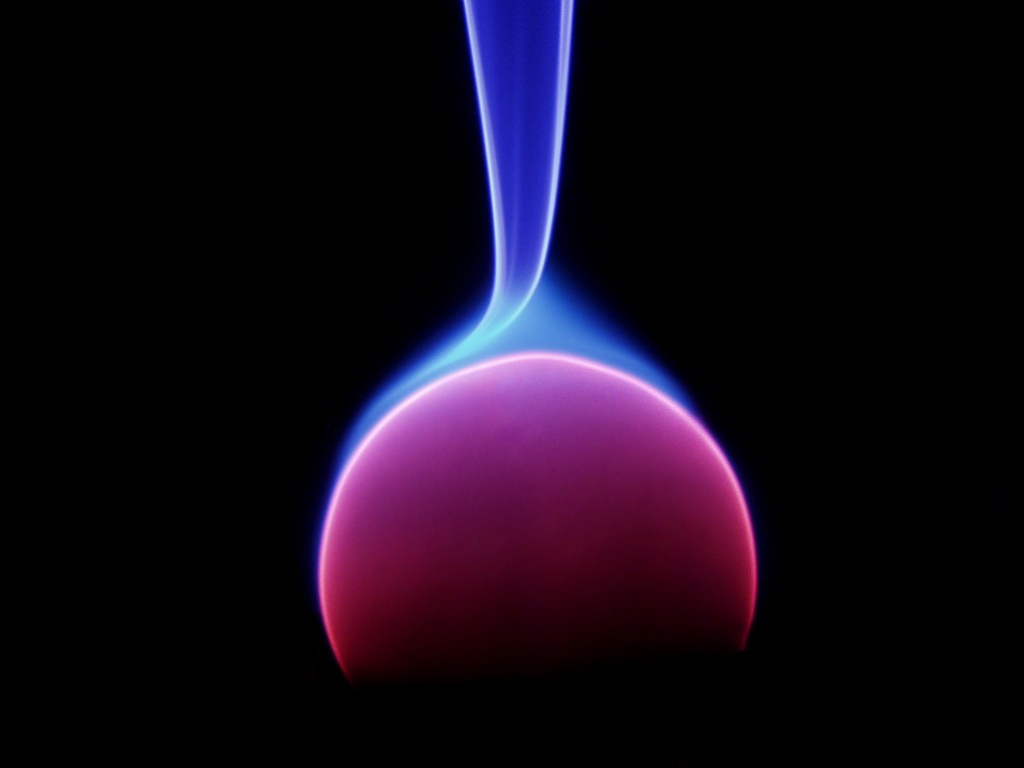
Energy Arc, central electrode of a Plasma Lamp.
via udel

New Observatory Takes Highest-Energy Particle Research to New Heights

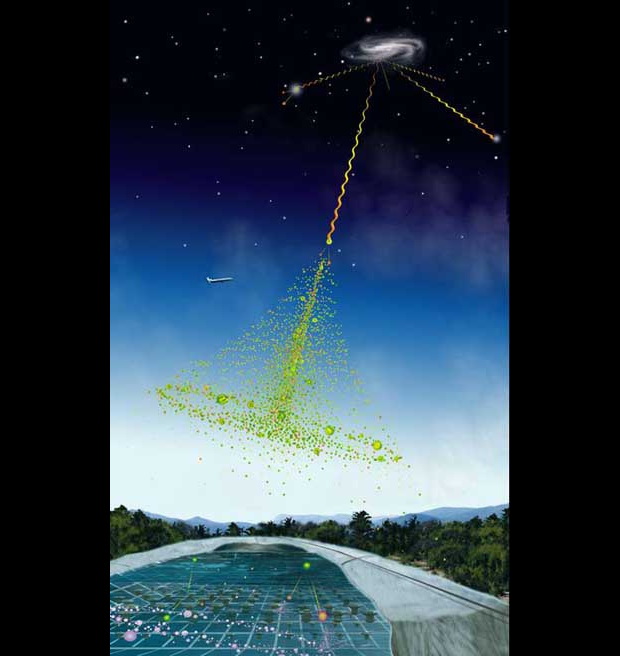
As cosmic-ray particles are accelerated by a black hole in this artist's interpretation, they stream toward Earth as very-high-energy gamma-rays. Upon hitting the atmosphere, they produce a shower of particles that rain down on Earth. Most of these particles run out of energy before they hit sea level. Credit: Aurore Simonnet, Sonoma State University
As cosmic-ray particles are accelerated by a black hole in this artist’s interpretation, they stream toward Earth as very-high-energy gamma-rays. Upon hitting the atmosphere, they produce a shower of particles that rain down on Earth. Most of these particles run out of energy before they hit sea level. (Credit: Aurore Simonnet, Sonoma State University)
via space.com

New test may provide ‘smoking gun’ for modified gravity

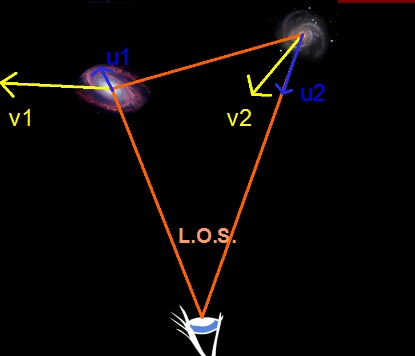
A schematic picture of how researchers can observe galaxy peculiar velocities, “a cosmic dance of galaxies.” (Credit: Wojciech A. Hellwing)
via phys.org

Supermassive Black Hole Shows Strange Gas Movements

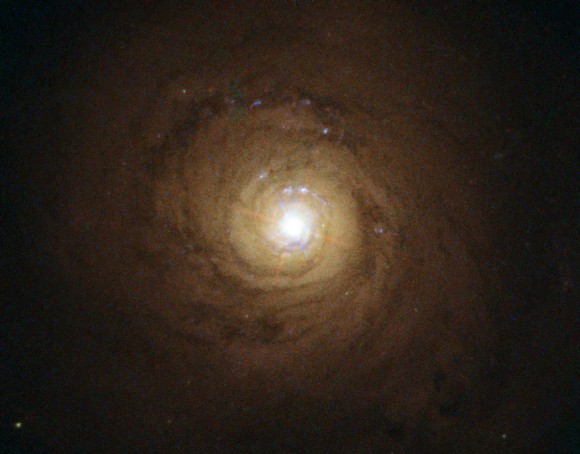
A Hubble Space Telescope image of NGC 5548. (Credit: ESA/Hubble and NASA. Davide de Martin)
via universetoday

Slowly rotating neutron star paired with a red-giant star reveals properties that conflict with existing theory

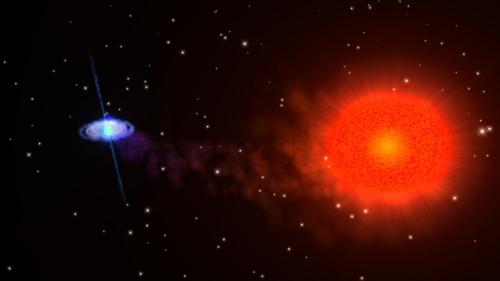
An artist’s impression of an x-ray binary system. The matter that a neutron star (blue) sucks from a regular star (red) leads to the emission of intense x-ray beams. (Credit: NASA)
via phys.org
Slowly rotating neutron star paired with a red-giant star reveals properties that conflict with existing theoryRead more at: http://phys.org/news/2014-06-slowly-rotating-neutron-star-paired.html#jCp

Physics in the News

Saturday, June 14, 2014

An Ocean On Pluto’s Moon? Hopeful Scientists Will Keep An Eye Out For Cracks

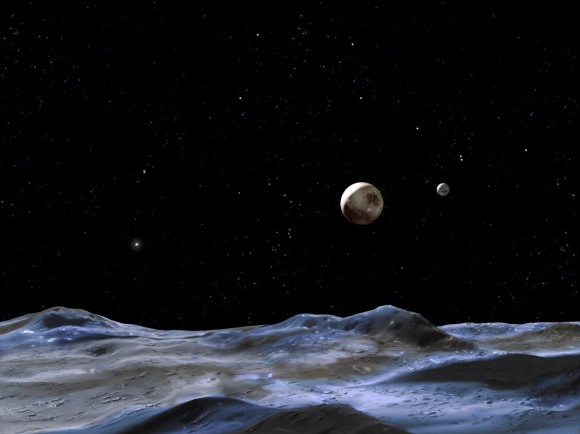
Artist impression of Pluto and Charon (NASA)
via universetoday

A Puzzling Cosmic Ring

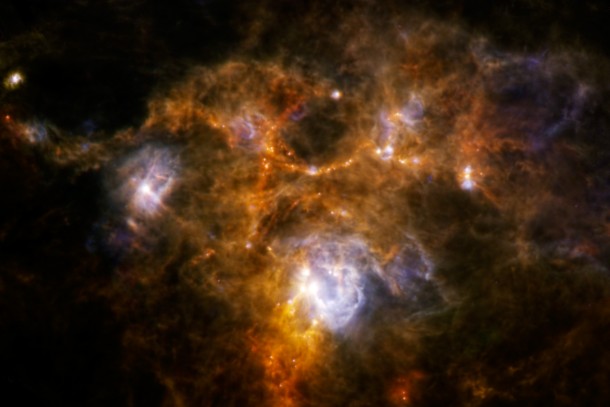
The Herschel Space Observatory has uncovered a weird ring of dusty material while obtaining one of the sharpest scans to date of a huge cloud of gas and dust, called NGC 7538. (Credit: ESA/NASA/JPL-Caltech/Whitman College)
via spacefellowship

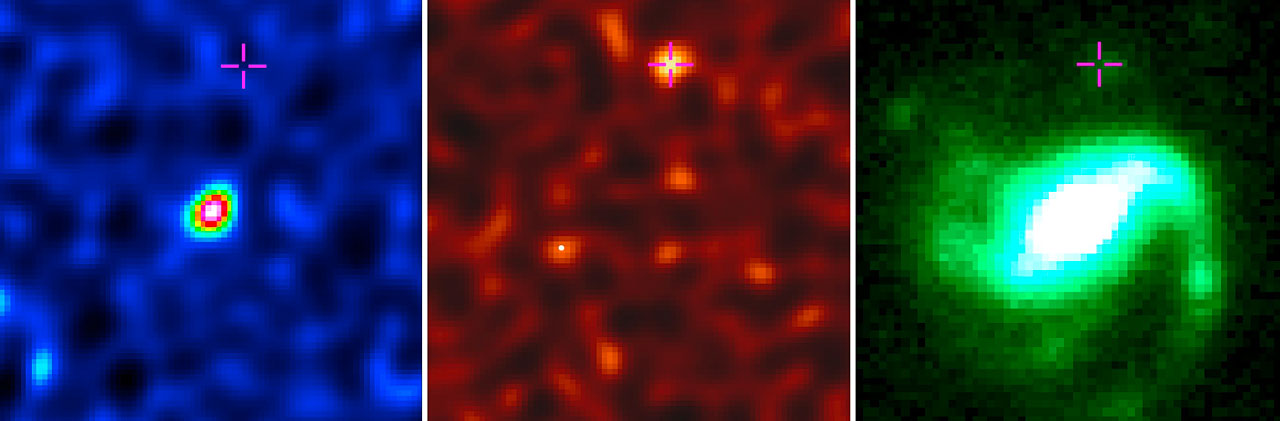
‘Dark’ and Powerful Space Explosions May Be Cloaked by Cosmic Dust

Observations of galaxy GRB 020819B of molecular gas (left) and dust (middle) done by the Atacama Large Millimeter/submillimeter Array (ALMA). At right is a visible-light image from the Frederick C. Gillett Gemini North Telescope. The cross indicates the site of a gamma-ray burst in the region. Credit: Bunyo Hatsukade(NAOJ), ALMA (ESO/NAOJ/NRAO)
Observations of galaxy GRB 020819B of molecular gas (left) and dust (middle) done by the Atacama Large Millimeter/submillimeter Array (ALMA). At right is a visible-light image from the Frederick C. Gillett Gemini North Telescope. The cross indicates the site of a gamma-ray burst in the region.  Credit: Bunyo Hatsukade(NAOJ), ALMA (ESO/NAOJ/NRAO)
via space.com

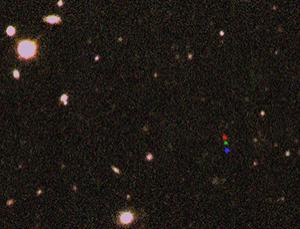
Two Giant Planets Hiding Beyond Pluto

Three images, showing dwarf planet 2012 VP113 in red, then green, then blue, were combined to reveal its path across the night sky (Image: Scott S. Sheppard, Carnegie Institution for Science)
via newscientist

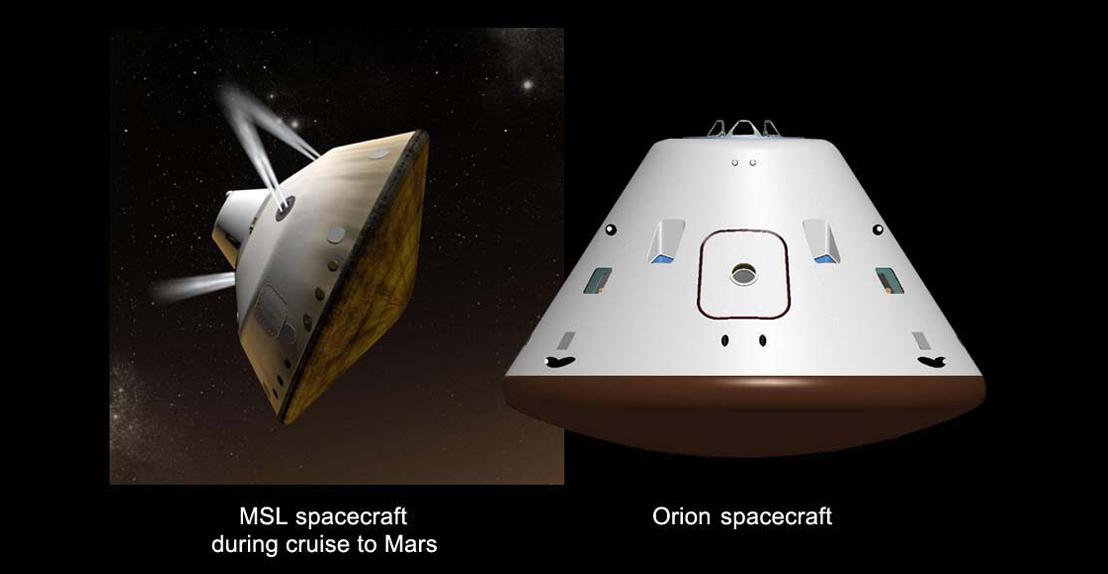
NASA’s Orion spacecraft nearly ready for its mission to Mars

Credit: NASA
Credit: NASA
via asianlite

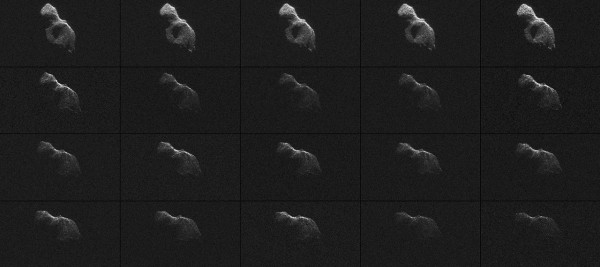
Images of “The Beast” asteroid blazing past earth

NASA scientists used Earth-based radar to produce these sharp views of the HQ124 asteroid on June 8, 2014. Courtesy of NASA/JPL-Caltech/Arecibo Observatory/USRA/NSF
via nationalgeographic

Physics in the News

Friday, June 13, 2014

Solar Storm Heading Toward Earth

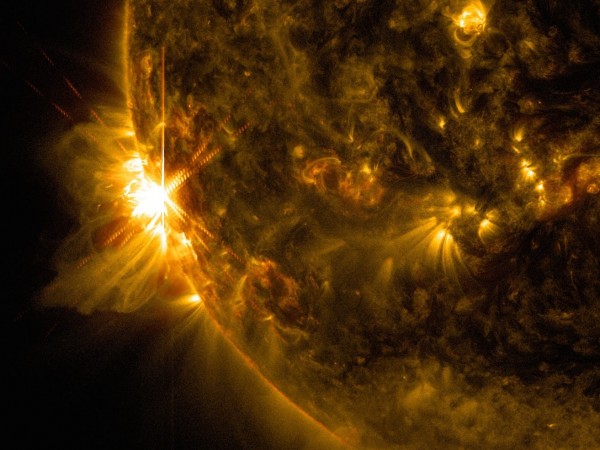
This image from NASA’s Solar Dynamic Observatory captures the first of three giant flares erupting from the sun’s surface on June 10, 2014. Credit: NASA/SDO/Goddard/Wiessinger
This image from NASA’s Solar Dynamic Observatory captures the first of three giant flares erupting from the sun’s surface on June 10, 2014. (Credit: NASA/SDO/Goddard/Wiessinger)
via newswatch

Stunning Hubble time-lapse of stellar explosion(VIDEO)

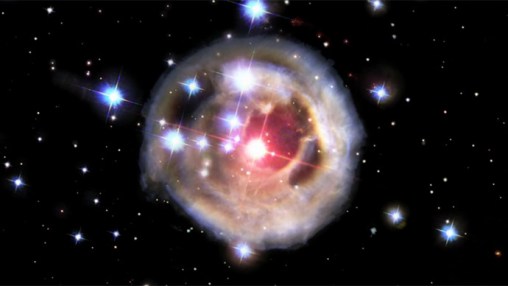
 V838 created an expanding light echo that illuminated the interstellar dust surrounding it and generated one of the most amazing scenes captured by Hubble.
V838 created an expanding light echo that illuminated the interstellar dust surrounding it and generated one of the most amazing scenes captured by Hubble. (Credit: NASA)
via rt.com

NASA to Launch Carbon Dioxide-Monitoring Spacecraft Next Month

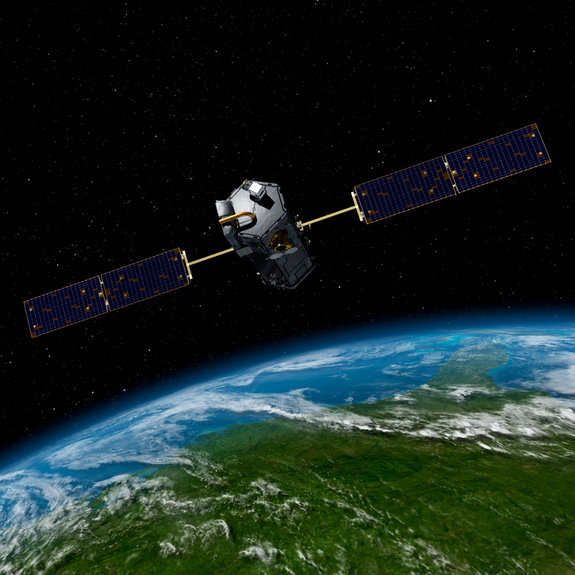
Artist's rendition of the OCO-2 Observatory. Credit: JPL/NASA
Artist’s rendition of the OCO-2 Observatory. (Credit: JPL/NASA)
via space.com

The International Space Station Is About to Get Its First 3D Printer

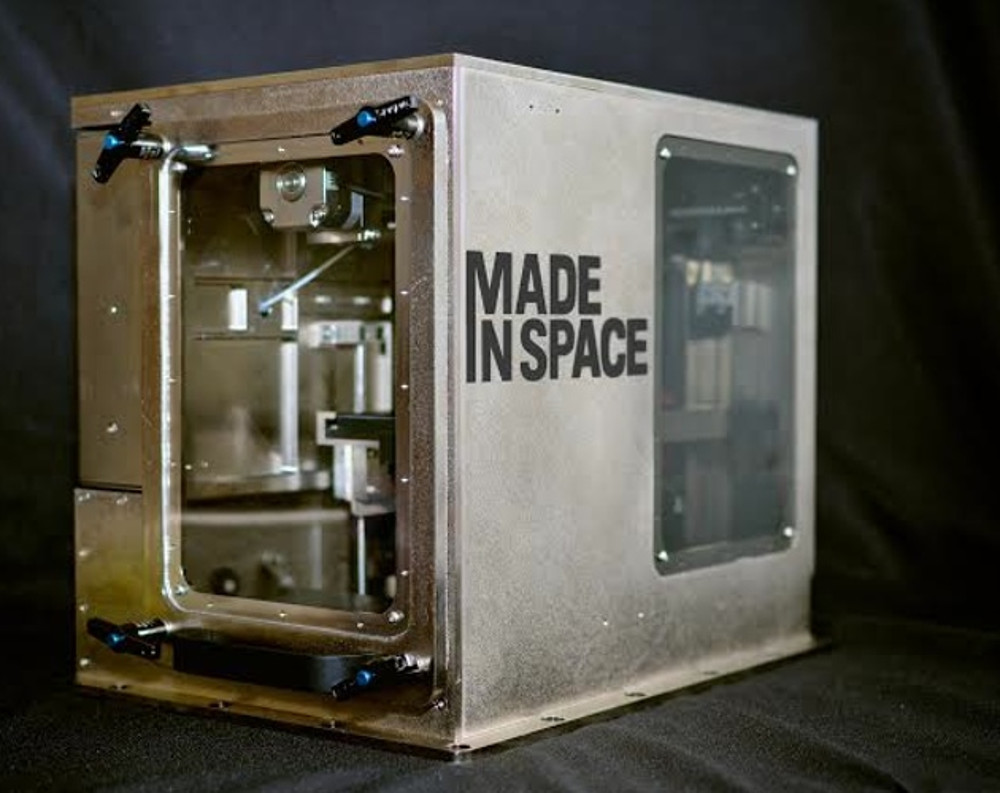
Made in Space's 3D Printer. Image: Made in Space
Made in Space’s 3D Printer. (Credit: Made in Space)
via motherboard.vice

Like Magic! Tiny Particles Can Pass Through Long-Distance Barriers

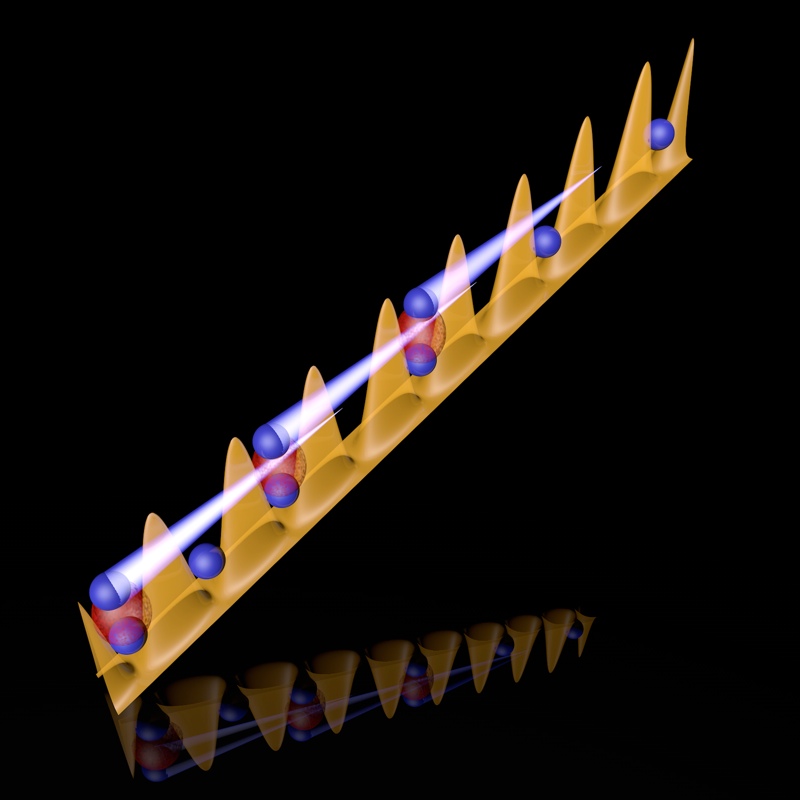
Quantum particles transmit through a whole series of barriers under conditions where a single particle could not do the move. Credit: University of Innsbruck
Quantum particles transmit through a whole series of barriers under conditions where a single particle could not do the move. (Credit: University of Innsbruck)
via livescience

Meet the Cosmic Tootsie Pop

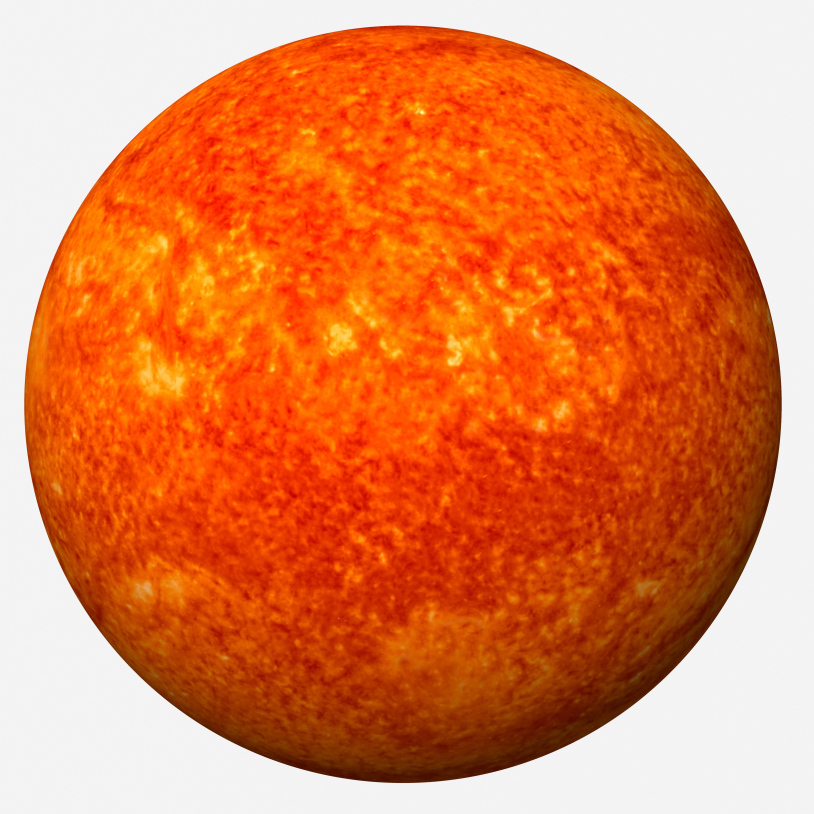
red-giant
There’s a prize hidden inside this red giant. (Credit: Getty Images)
via time