Physics in the News

Monday, August 25, 2014

Galileo satellites go into wrong, lower orbit(VIDEO)

via bbc

Nobel prize winner: Let’s find dark matter and dark energy

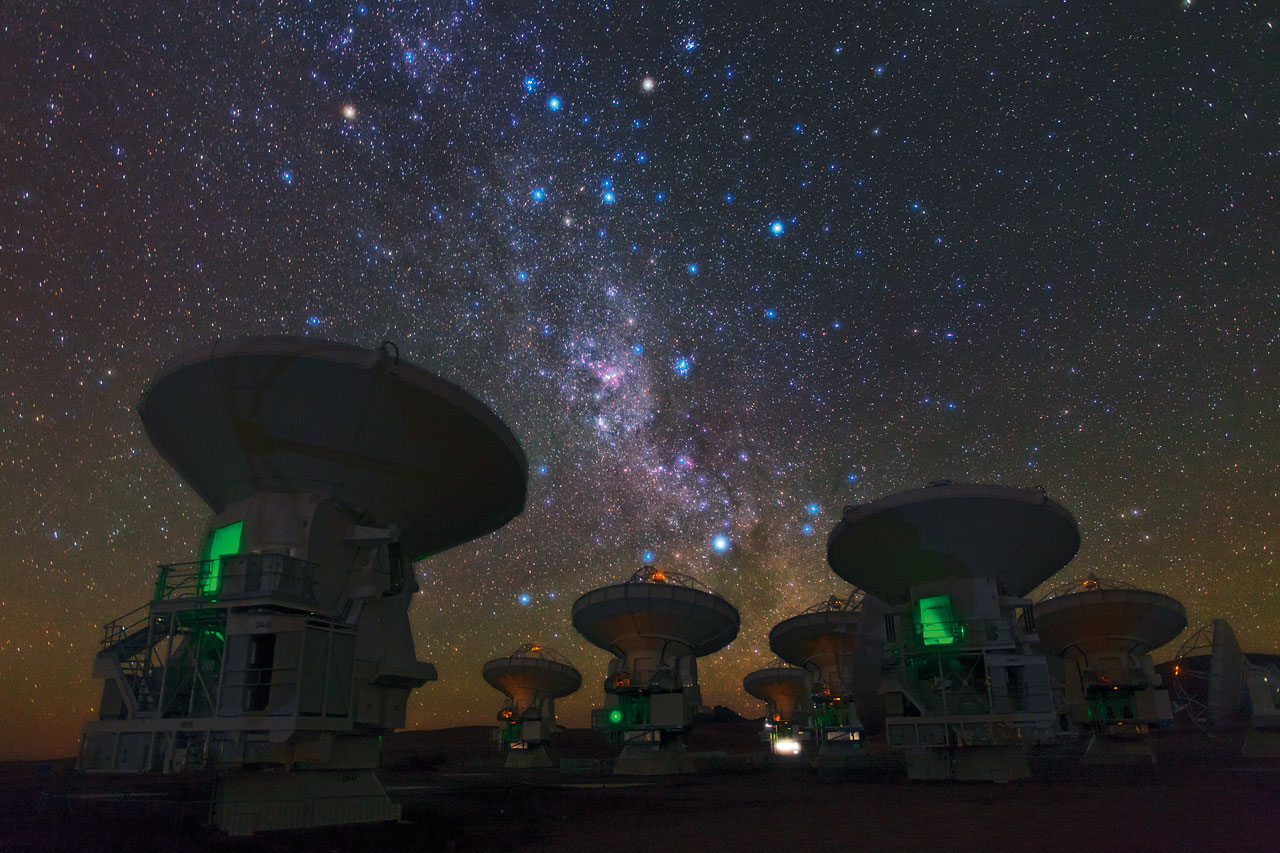
This picture shows ALMA antennas pointing towards the centre of the milky-way. (Photo: ESO, B. Tafreshi)
Dark matter and dark energy continue to be cosmological conundrum for physicists worldwide. Nobel prize winner Brian Schmidt offers his perspective in an interview. The image shown here is of the ALMA antennas and the constellations of Carina (The Keel) and Vela (The Sails). The dark, wispy dust clouds of the Milky Way streak from middle top left to middle bottom right. (Credit: ESO, B. Tafreshi)
via sciencenordic

Pluto and the other dwarf planets could have astrobiological potential

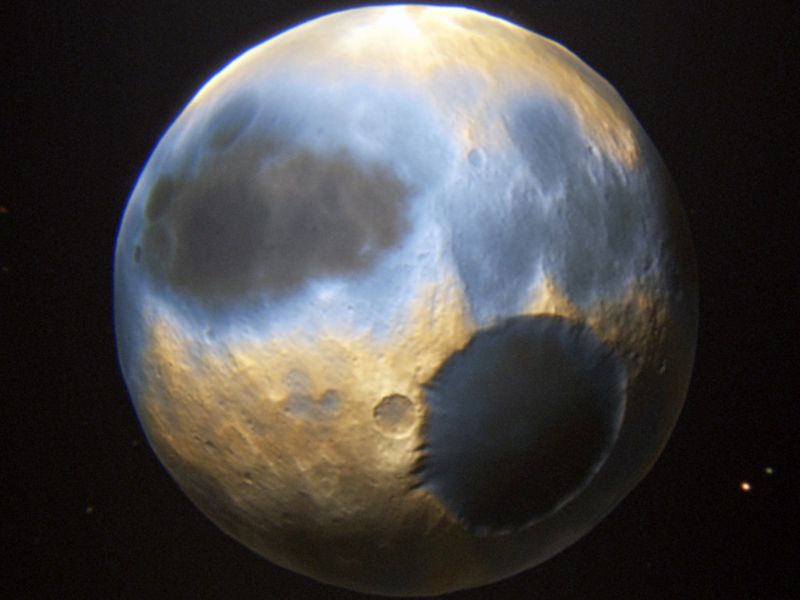
“Our model predicts different fracture patterns on the surface of Charon depending on the thickness of its surface ice, the structure of the moon’s interior and how easily it deforms, and how its orbit evolved,” said Alyssa Rhoden of NASA’s Goddard Space Flight Center. (Credit: NASA)
via dailygalaxy

Soft infrastructure challenges to scientific knowledge discovery

Open network environments have become essential in the sciences, enabling accelerated discovery and communication of knowledge. Yet, the real revolution began when open community databases allowed researchers to build on existing contributions and compare their results to established knowledge. (Credit: King, Uhlir)
via acm

Physicists attempt quantum clean-up experiment to right old error

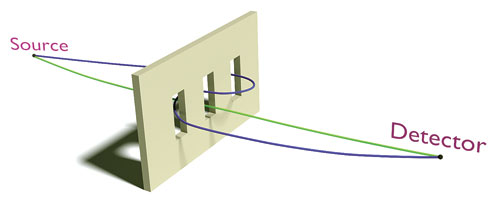
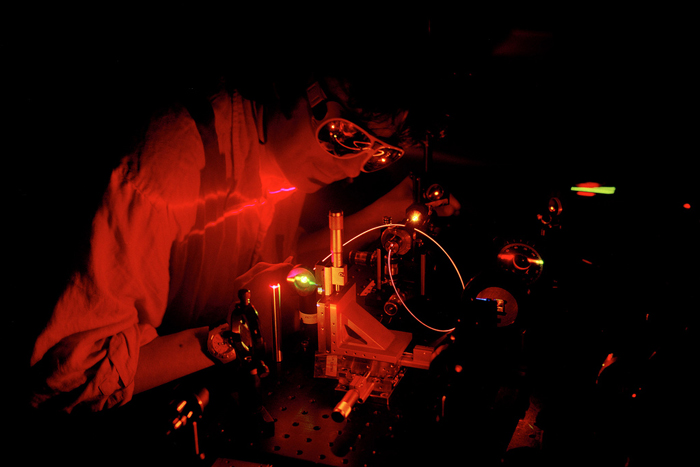
Indian physicists propose a tabletop experiment that will provide scientists their first opportunity to measure the probability that particles can move through slits in a twisted path, depicted by the purple ray. (Credit: Aninda Sinha and Urbasi Sinha)
via telegraphindia

Vision correcting displays could spell the end of wearing glasses

via crazyengineers

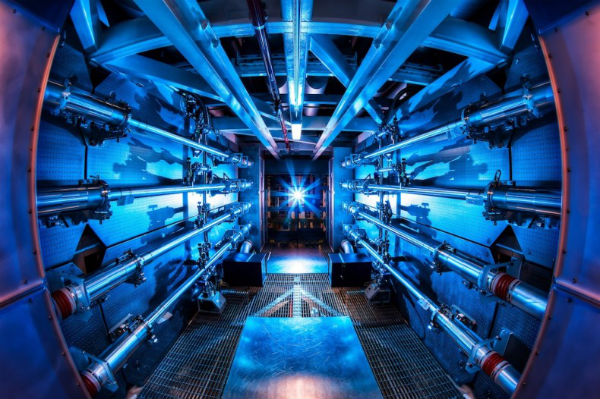
World’s largest laser compresses diamond to pressures of 50 million Earth atmospheres

Physicists in the US have compressed a synthetic diamond to pressures of 50 million Earth atmospheres to recreate conditions in the cores of giant planets. (Credit: National Ignition Facility)
via sciencealert

An interesting glimpse into how future state of the art electronics might work

. A novel class of electronic materials – the so-called transition-metal oxides – hold promise for exciting, new applications. Where layers of this novel class of electronic materials touch, often a unique, and unprecedented phenomenon occurs: for instance, the interface between two insulators can become superconducting, or a strong magnetic order can build up between two non-magnetic layers.
via phys.org

Physics in the News

Sunday, August 24, 2014

Atomic clocks on the International Space Station will study time and space

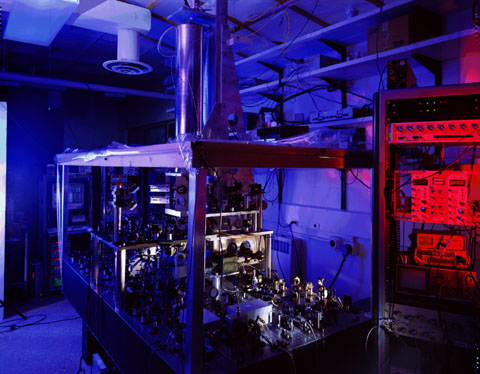
NIST-F1, the nation's primary time and frequency standard, is a cesium fountain atomic clock developed at the NIST laboratories in Boulder, Colorado. NIST-F1 contributes to the international group of atomic clocks that define Coordinated Universal Time (UTC), the official world time. Because NIST-F1 is among the most accurate clocks in the world, it makes UTC more accurate than ever before. (Credit: Time and Frequency Division of NIST's PML)
NIST-F1 contributes to the international group of atomic clocks that define Coordinated Universal Time (UTC), the official world time. Because NIST-F1 is among the most accurate clocks in the world, it makes UTC more accurate than ever before. (Credit: Time and Frequency Division of NIST’s PML)
via guardianlv

Powerful solar flare reaching M5.9 erupted from Region 2149

via thewatchers

Solving Stephen Hawking’s black hole paradox

via davidreneke

In search of alien life? Seek out the smog

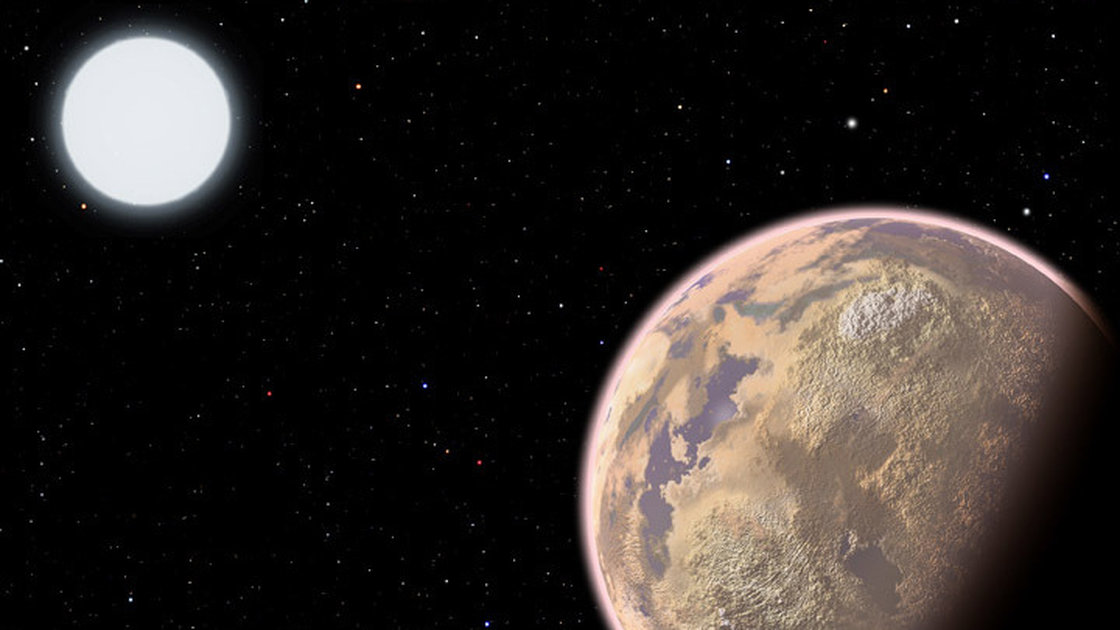
n this artist's conception, the atmosphere of an Earthlike planet displays a brownish haze — the result of widespread pollution. (Credit: Christine Pulliam/Harvard-Smithsonian Center for Astrophysics)
Artist’s conception of the atmosphere of an Earth-like planet displaying a brownish haze as the result of widespread pollution. (Credit: Christine Pulliam/Harvard-Smithsonian Center for Astrophysics)
via npr

Stellar snow globe mystery solved with Hubble’s help

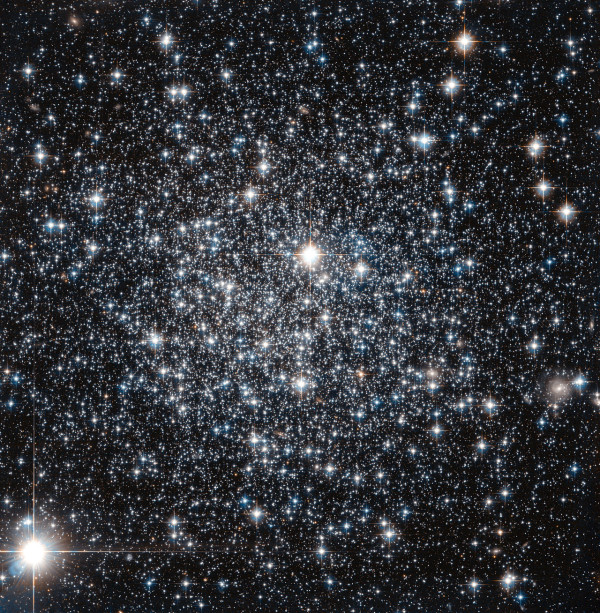
This new NASA/ESA Hubble Space Telescope image shows the globular cluster IC 4499. A cosmic archaeological dig has unfolded within a giant ball of stars some 55,000 light-years away. Credit: NASA)
This new NASA/ESA Hubble Space Telescope image shows the globular cluster IC 4499. A cosmic archaeological dig has unfolded within a giant ball of stars some 55,000 light-years away. (Credit: NASA)
via nationalgeographic

Squeezed light for advanced gravitational wave detectors and beyond(PDF)

Top: A typical set-up for squeezing injection in the first demonstrations of squeezing at GEO600 and LIGO, both using DC readout [36,37]. Proposed design for future detectors. This design features an in-vacuum OPO. The remainder of the squeezed light source remains outside of vacuum. (Credit: E. Oelker, L. Barsotti, S. Dwyer, D. Sigg, and N. Mavalvala)
Top: A typical set-up for squeezing injection in the first demonstrations of squeezing at
GEO600 and LIGO, both using DC readout [36,37]. Bottom: Proposed design for future detectors. This design features an in-vacuum OPO. The remainder of the squeezed light source remains outside of vacuum. (Credit: E. Oelker, L. Barsotti, S. Dwyer, D. Sigg, and N. Mavalvala)
via opticsinfobase

Mercury’s transit: An unusual spot on the sun

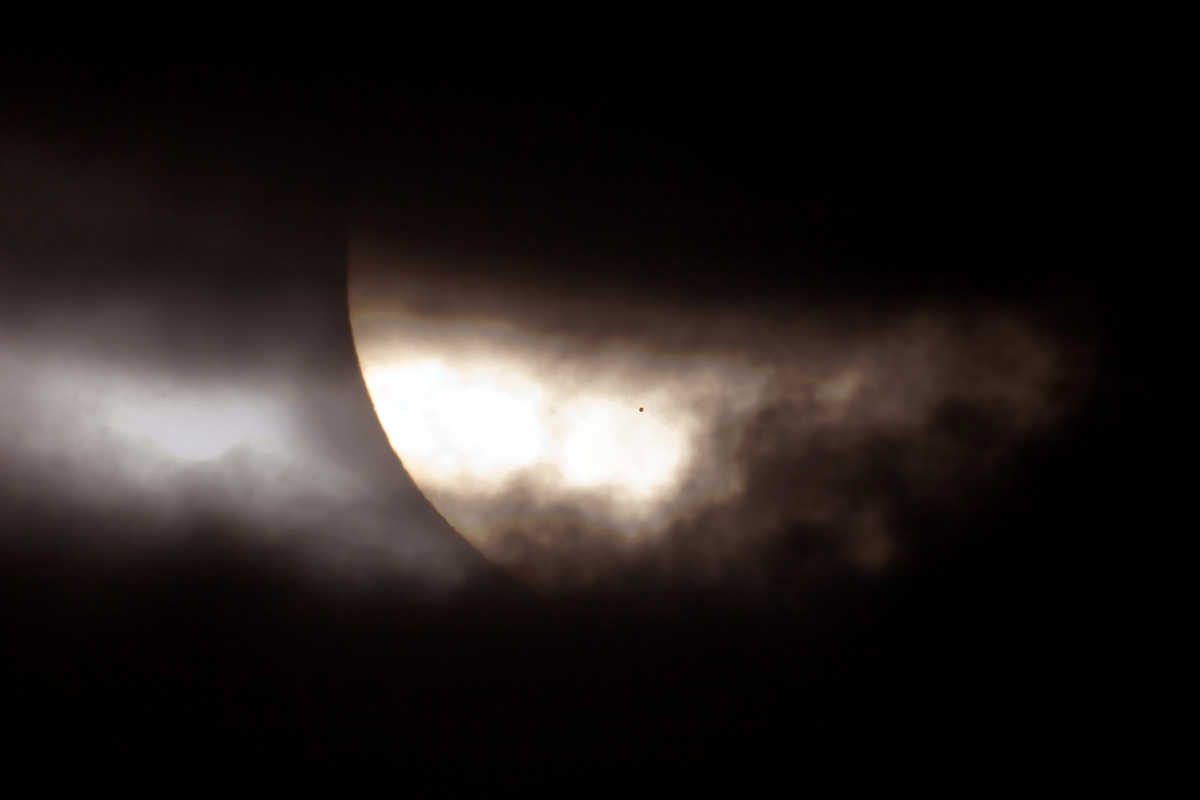
What’s that dot on the Sun? If you look closely, it is almost perfectly round. The dot is the result of an unusual type of solar eclipse that occurred in 2006. Usually it is the Earth’s Moon that eclipses the Sun. This time, the planet Mercury took a turn. (Credit: D. Cortner, NASA, K. Schmidt)
What’s that dot on the Sun? If you look closely, it is almost perfectly round. The dot is the result of an unusual type of solar eclipse that occurred in 2006. Usually it is the Earth’s Moon that eclipses the Sun. This time, the planet Mercury took a turn.
(Credit: D. Cortner, NASA, K. Schmidt)
 via spacefellowship

 The invisible galaxies: Radio images of the whirlpool galaxy and beyond

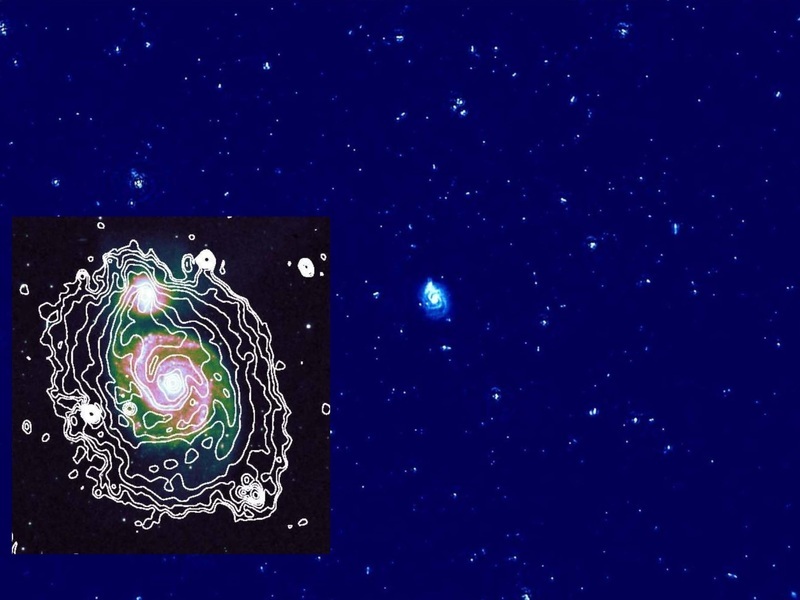
"Maybe we will see how galaxies are magnetically connected to intergalactic space. This is a key experiment in preparation for the planned Square Kilometre Array (SKA) that should tell us how cosmic magnetic fields are generated," says Rainer Beck, lead astronomer with the Max Planck Institute.
“Maybe we will see how galaxies are magnetically connected to intergalactic space. This is a key experiment in preparation for the planned Square Kilometre Array (SKA) that should tell us how cosmic magnetic fields are generated,” says Rainer Beck, lead astronomer with the Max Planck Institute.
via dailygalaxy
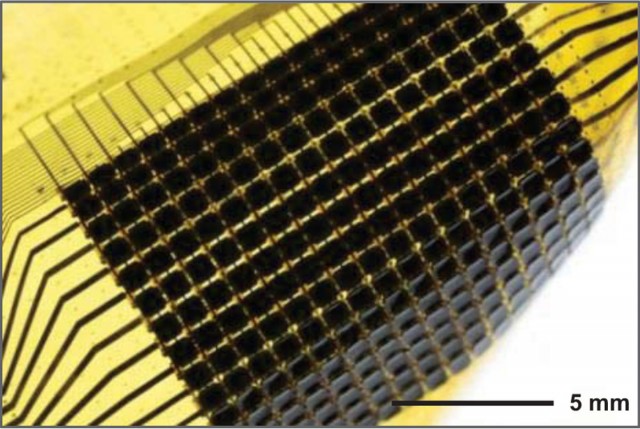
Researchers have developed a flexible structure that can sense ambient conditions and adjust its color to match them. At the moment, it only works in black and white. (Credit: PNAS, Timmer)
via arstechnica

Physics in the News

Saturday, August 23, 2014

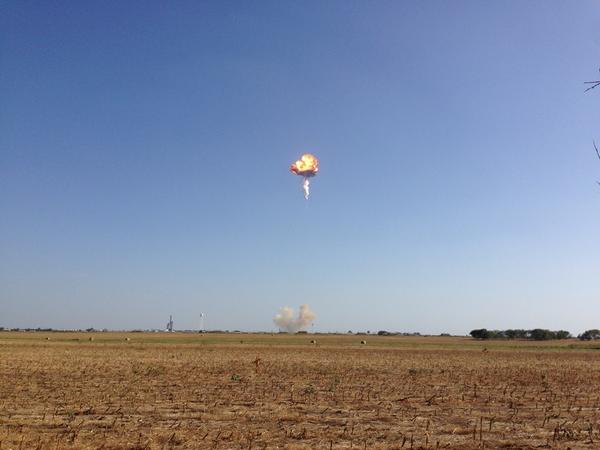
SpaceX rocket malfunctions, then explodes over texas

(Credit: @EthansMommy17)
In a conversation with Mashable via Twitter, McGregor resident @EthansMommy17, who tweeted the above image of the explosion, claimed cows had been killed by debris from the explosion. She was unable to provide images or other confirmation of the affected livestock, however. (Credit: @EthansMommy17)
via mashable

NASA, Russia squabble over International Space Station sea plankton claim

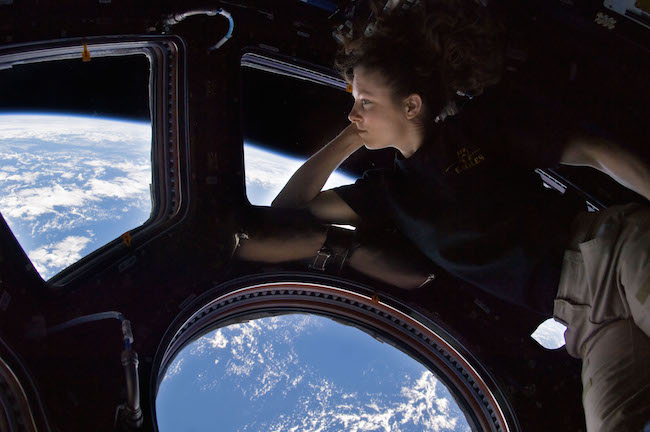
the space specialist said that the ISS surface was polluted very strongly due to operation of space engines and other factors. “We are conducting special works to polish somehow and put illuminators in order. This is particularly needed during long space flights,” Solovyev added.
The space specialist said that the ISS surface was polluted very strongly due to operation of space engines and other factors. “We are conducting special works to polish somehow and put illuminators in order. This is particularly needed during long space flights,” Solovyev added. (Credit: Tracy Caldwell Dyson)
via forbes

Space’s quantum physics confound scientists

676x380
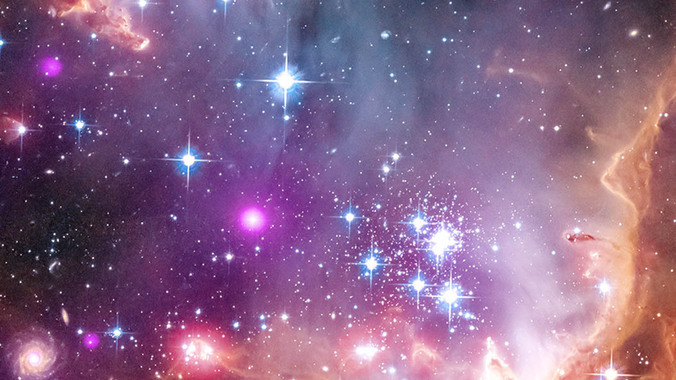
Although they are gigantic, ranging from one to a few hundred lightyears in size, the physical process that causes these nebulae to emit their own light (rather than merely reflect light from nearby stars) occurs at the atomic level. It is the same process that makes familiar florescent lights shine here on Earth. (Credit: NASA, Prozesky)
via mg

Why NASA launched one of the blackest materials ever Made into space

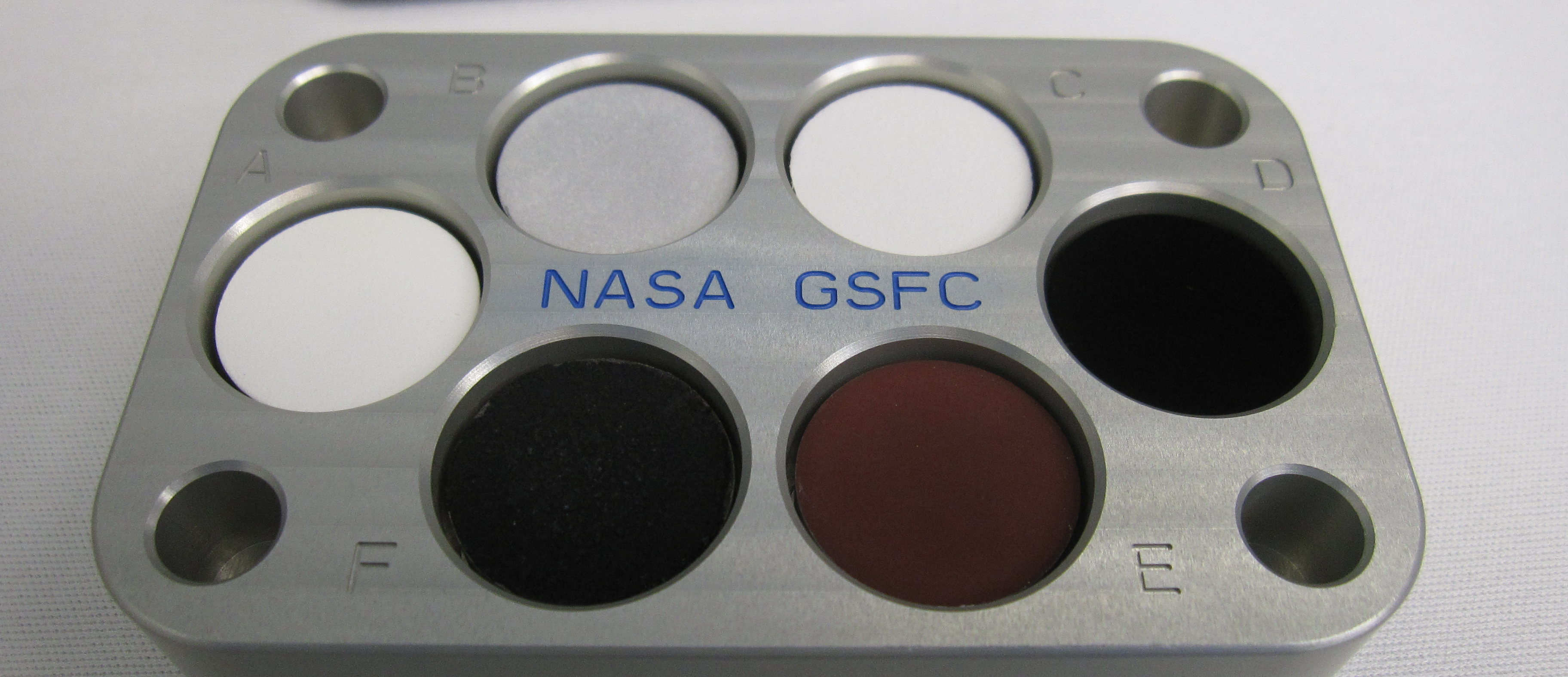
On July 29th, the the Automated Transfer Vehicle launched carrying samples of the stuff to the ISS, where it docked on August 12th. There, astronauts will conduct tests on the paint, which absorbs 99.5 percent of visible light (and 99.8 percent of longer wavelength light). (Credit: NASA, Campbell-Dollaghan)
via gizmodo

The first metamaterial superconductor: One step closer to futuristic physics-defying contraptions(VIDEO)

via extremetech

‘Robot overlords’ job-stealing exaggerated

 Google Inc. has conducted more than 300,000 miles of driverless car testing with vehicles. They navigate by collecting real-time sensor data and comparing it to pre-loaded maps that specify exact locations for roads and signs, while adapting to obstacles such as people and cars. (Credit: Justin Sullivan/Getty Images, Kearns)
Google Inc. has conducted more than 300,000 miles of driverless car testing with vehicles. They navigate by collecting real-time sensor data and comparing it to pre-loaded maps that specify exact locations for roads and signs, while adapting to obstacles such as people and cars. (Credit: Justin Sullivan/Getty Images, Kearns)
via bloomberg

 X-ray laser probes tiny quantum tornadoes in superfluid droplets

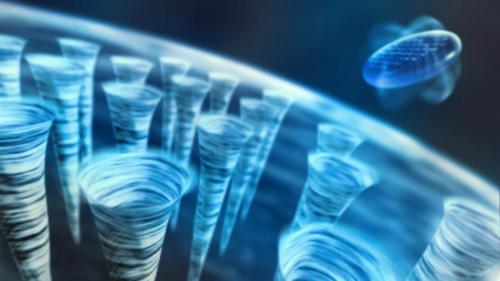
A patterned 3-D grid of tiny whirlpools, called quantum vortices, populate a nanoscale droplet of superfluid helium. Researchers found that in a micron-sized droplet, the density of vortices was 100,000 times greater than in any previous experiment on superfluids. An artistic rendering of a wheel-shaped droplet can be seen in the distance. (Credit: SLAC National Accelerator Laboratory)
via phys

Scientists Found a Way to Email Brain Waves(VIDEO)

via plsone

Space Station inspired robot to help heal sick children

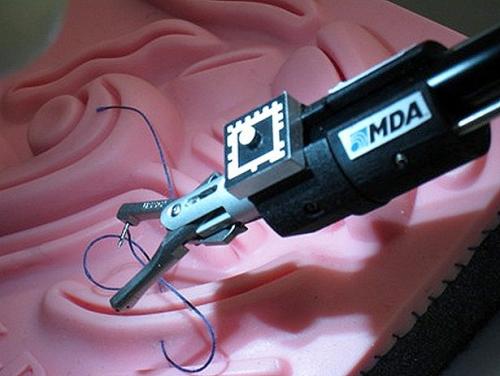
The suturing tool demonstrates image-guided anastomosis, which means the connecting of parts such as vessels. The target on the top of the tool is used to lead the tool's tip. This is the same technology used to track the robotic systems on the space shuttle and the International Space Station. (Credit: MDA and CIGITI)
The suturing tool demonstrates image-guided anastomosis, which means the connecting of parts such as vessels. The target on the top of the tool is used to lead the tool’s tip. This is the same technology used to track the robotic systems on the space shuttle and the International Space Station. (Credit: MDA and CIGITI)
via phys

Spectacular Auroras Captivate Astronaut in Space

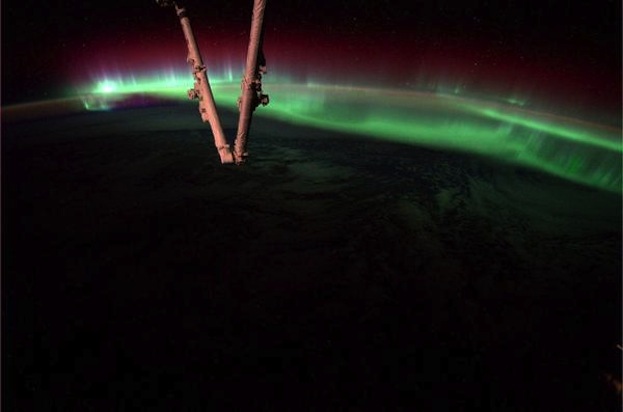
An aurora dances in the atmosphere on Aug. 20, 2014, as the International Space Station flew over North America. This image was captured by astronaut Reid Wiseman from his vantage point on the ISS. (Credit: NASA/Handout/QMI Agency)
via cbc

Physics in the News

Thursday, August 21, 2014

Newly released Hypatia Catalog offers glimpse into the lives of stars

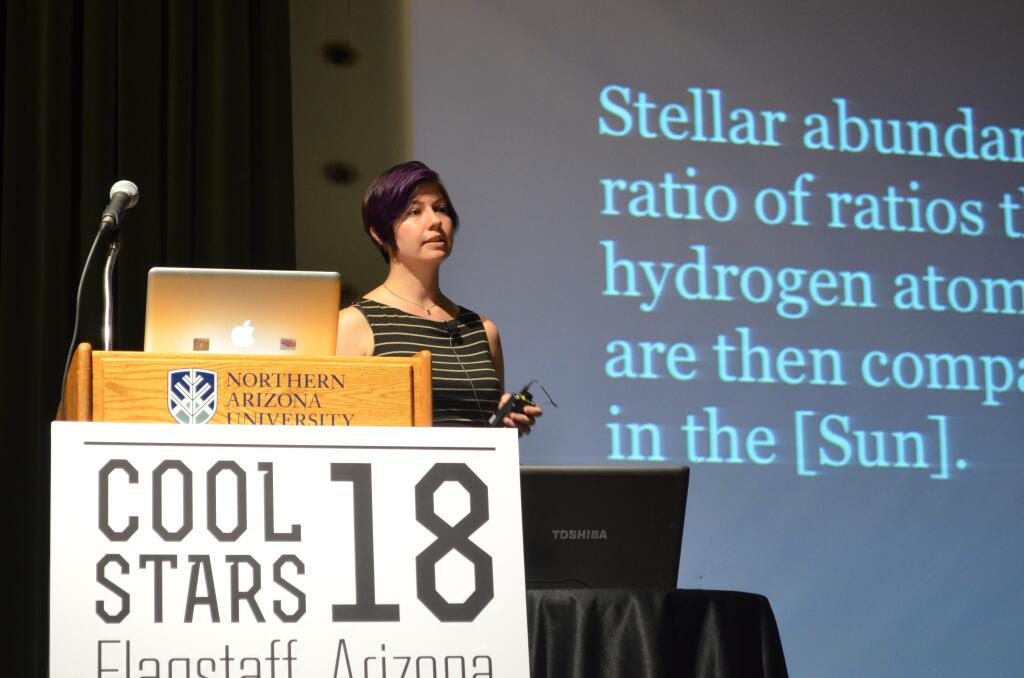
Natalie Hinkel gives a plenary talk at the Cool Stars 18 meeting in Flagstaff, Arizona, about her paper on the Hypatia Catalog. (Credit: Natalie Hinkel)
via asunews

US–Russia tensions hit scientists

The US Department of Energy has cancelled visits by Russian scientists to key US labs, including the Los Alamos National Laboratory. (Credit:NC-ND/Los Alamos National Laboratory)
via physicsworld

Unraveling new mysteries of cosmos next spring(VIDEO)

via onislam

Astrophysicists detect destruction of three stars by supermassive black holes

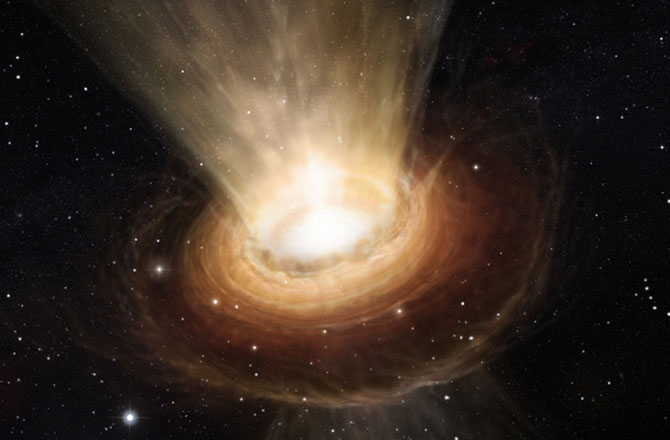
A star in a galaxy passes by a black hole closely enough to be destroyed once every 10,000 years. It is possible to detect the death of a star in a fairly distant galaxyas the destruction of a star generates a bright X-ray flare; it is only necessary to distinguish such a flare from other types of X-ray radiation. Because flares occur in a variety of astrophysical processes, the task of finding stars destroyed by black holes is quite complicated. (Credit: Sergei Sazonov)
via mipt

New clue on the formation of a black hole

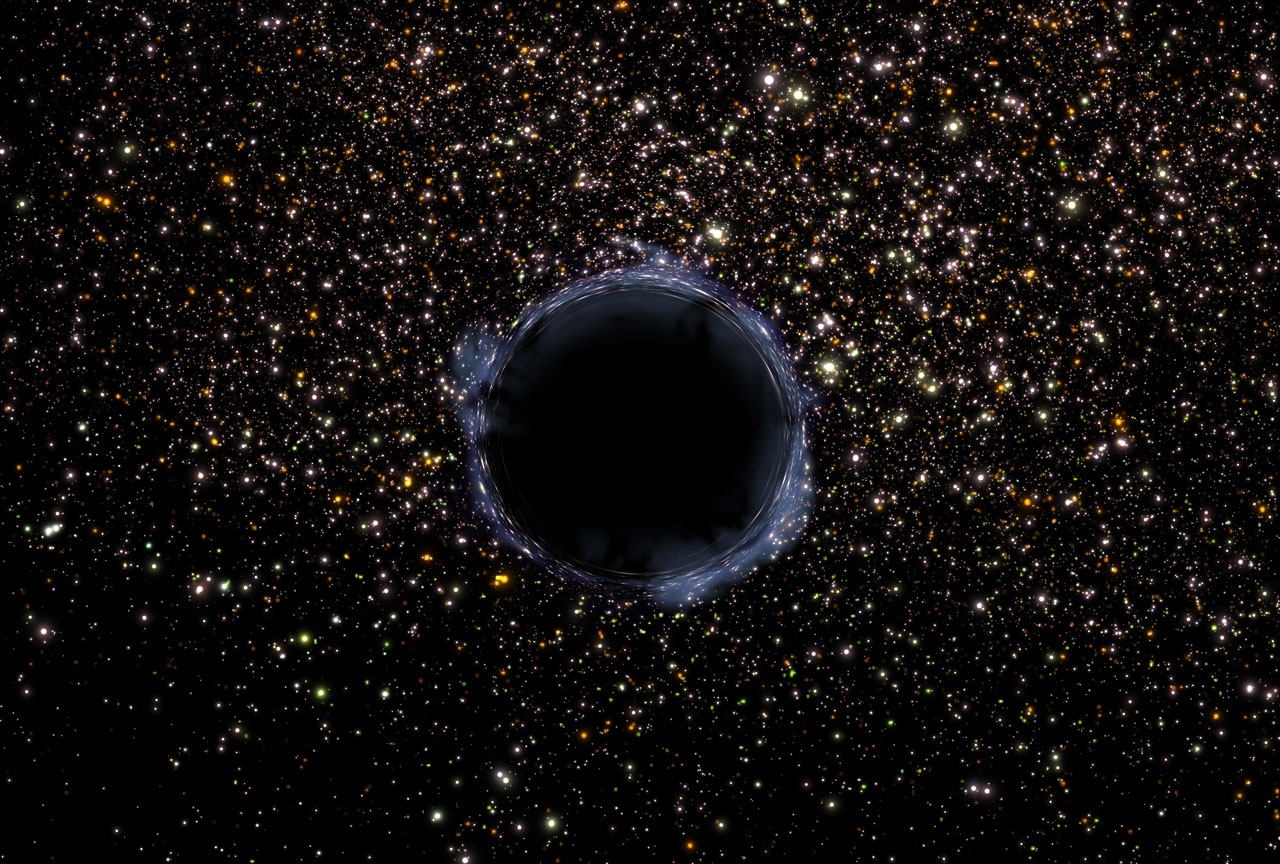
The recent finding of an intermediate-mass black hole provides evidence that could support some theories of how supermassive black holes form. (Credit: ESO/M. Kornmesser)
via discovery

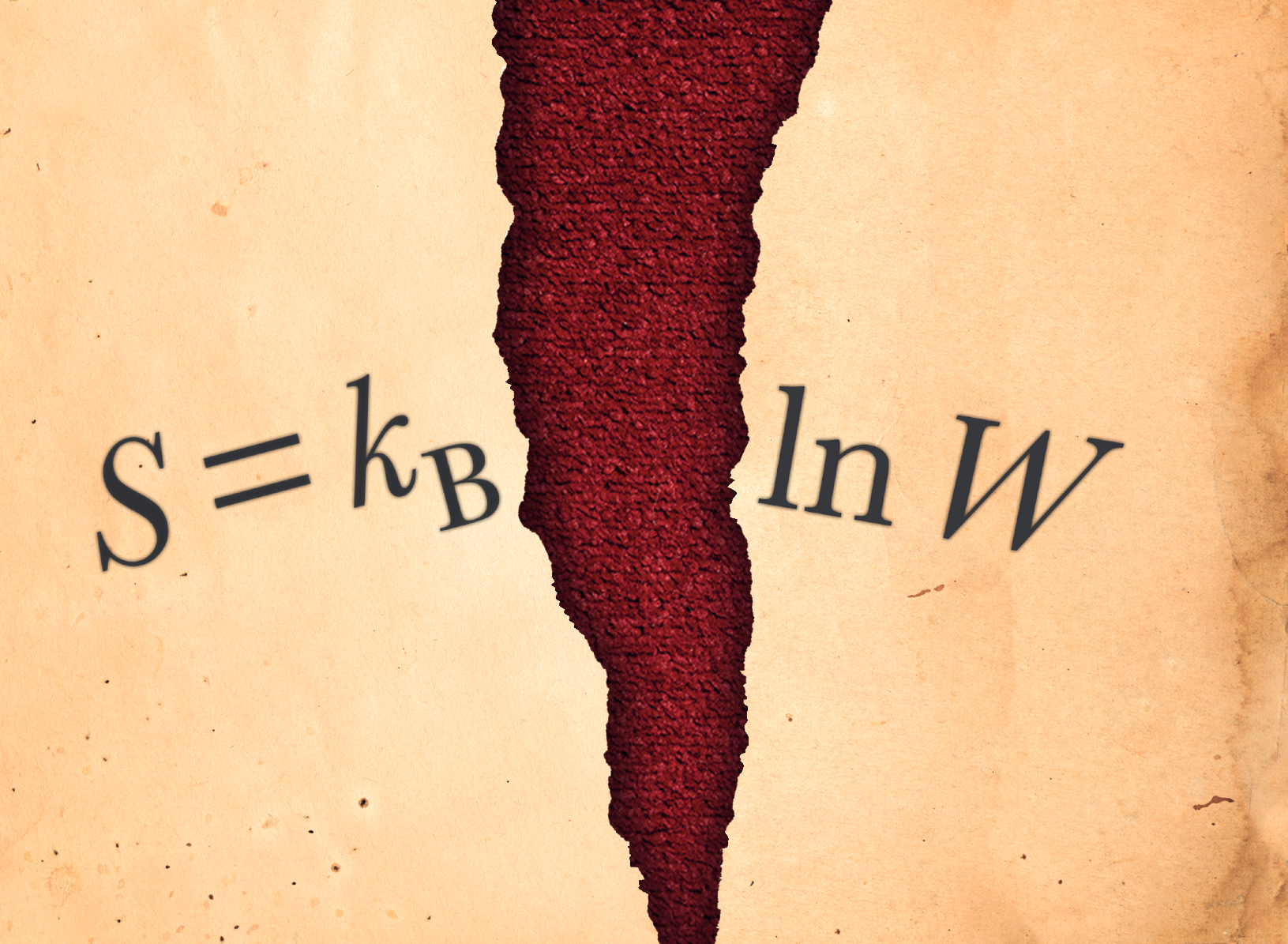
Roll over, Boltzmann

Screen Shot 2014-08-20 at 5.38.04 PM

 via cbpf

Where’s the Kaboom? Astronomers detect no x-ray emission from recent supernova explosion

via americaspace

Does gravity hold the key to proving existence of parallel worlds?

To date, perhaps some of the best evidence for parallel worlds actually arrives courtesy of an enigmatic oddity within deep-space, careening toward the Milky Way at an incredible 200,000 miles per hour. Though it’s more than 2 million light years away, the Andromeda galaxy, as observed by astronomers, appears to engage in anomalous behavior which, at times, suggests a strange gravitational phenomenon. Specifically, gravity that could be draining from another universe, as yet invisible to us, could be the impetus behind such anomalous phenomena in deep space. (Credit: Micah Hanks)
Some of the best evidence for parallel worlds actually arrives courtesy of an enigmatic oddity within deep-space, careening toward the Milky Way at an incredible 200,000 miles per hour. Though it’s more than 2 million light years away, the Andromeda galaxy, appears to engage in anomalous behavior which suggests a strange gravitational phenomenon. Specifically, gravity that could be draining from another universe, as yet invisible to us, could be the impetus behind such anomalous phenomena. (Credit: Micah Hanks)
via mysteriousuniverse

Quantum State Can Turn About a Point Like a Ballerina

Having a single point in contact with the ground lets a ballerina spin. In the same way, a quantum state is dynamic because it can turn about a point thanks to quantum uncertainty, say CQT and Oxford researchers. (Credit: Michael Garner, courtesy English National Ballet)
via quantumlah

NASA’s first green fuel spacecraft figures out eco-power

via networkworld

Mysterious source of ozone-depleting chemical baffles NASA

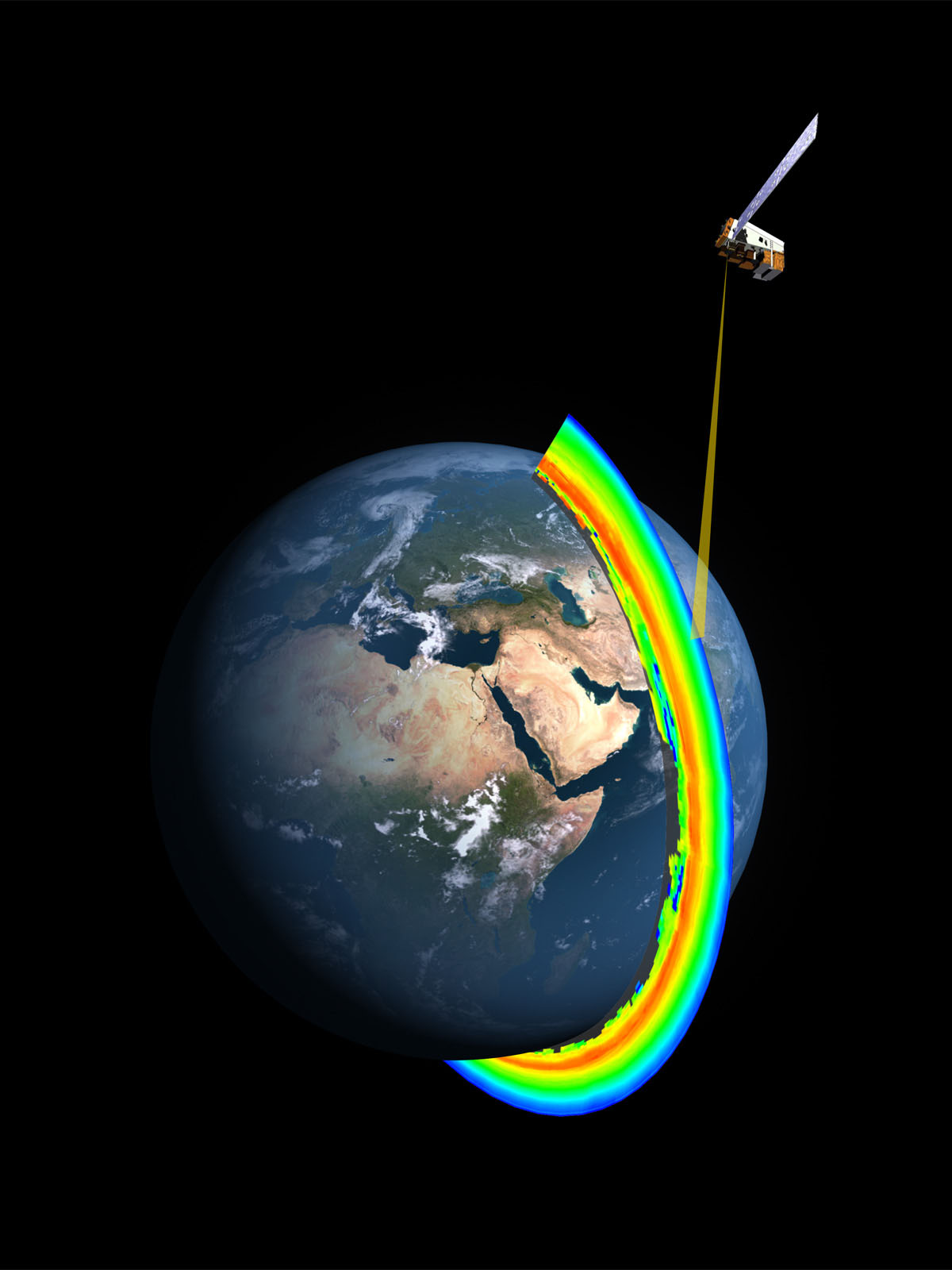
A cross-section of the Earth's ozone layer as measured by the limb profiler, part of the Ozone Mapper Profiler Suite that's aboard the Suomi NPP satellite. (Credit: NASA/NOAA)
A cross-section of the Earth’s ozone layer as measured by the limb profiler, part of the Ozone Mapper Profiler Suite that’s aboard the Suomi NPP satellite. (Credit: NASA/NOAA)
via ZeeNews

Can a plane bend upwards causing objects to be repelled?

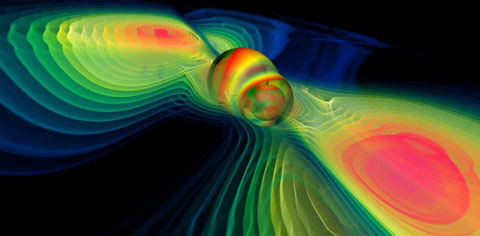
A simulation of two colliding black holes. Colors reflect the variation of gravitational waves. (Credit: Werner Benger/NASA Blueshift)
via physicscentral

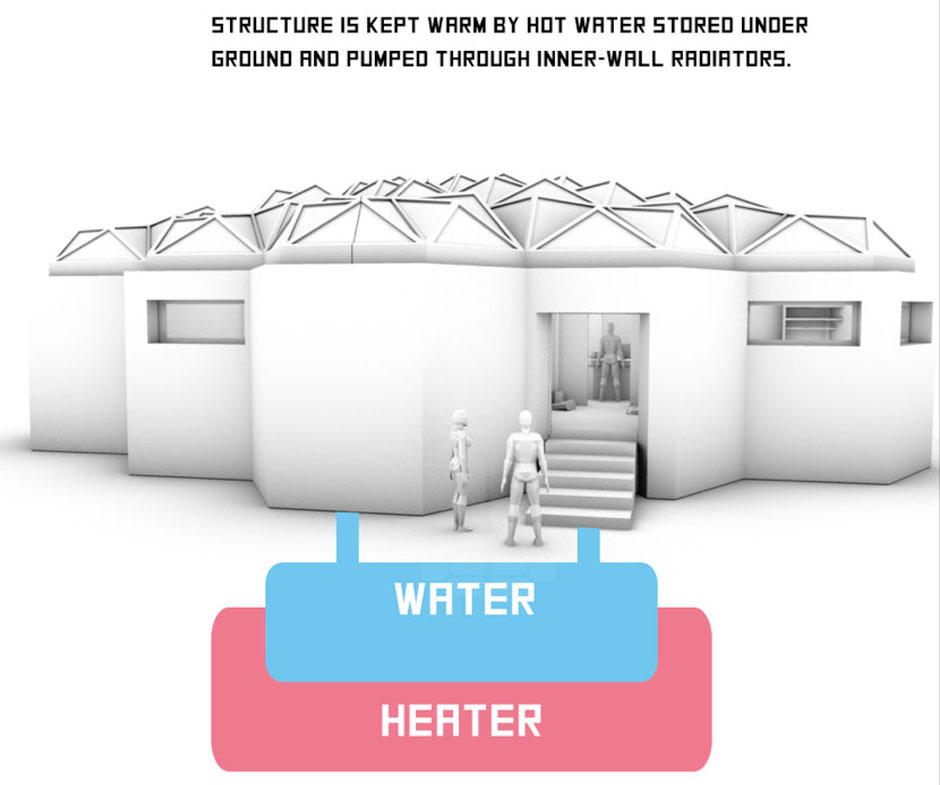
 NASA and markerbot reveal bioshielding dwelling for mars


via designboom


Physics in the News

Wednesday, August 20, 2014

Life in space? Sea plankton discovered attached to ISS outer hull

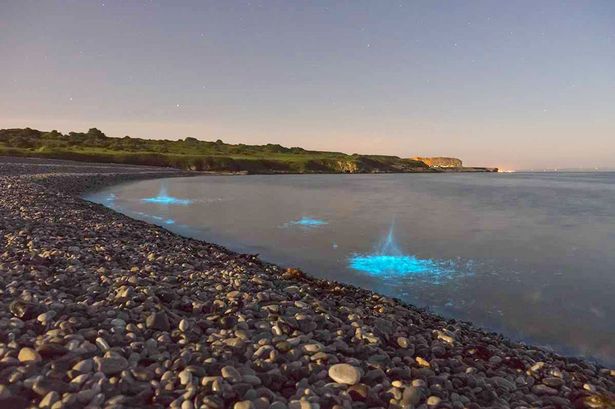
Creature from the deep: Bioluminescence plankton at Penmon. (Credit: Kris Williams )
via rt

Scientists discover potential signs of life on Mars

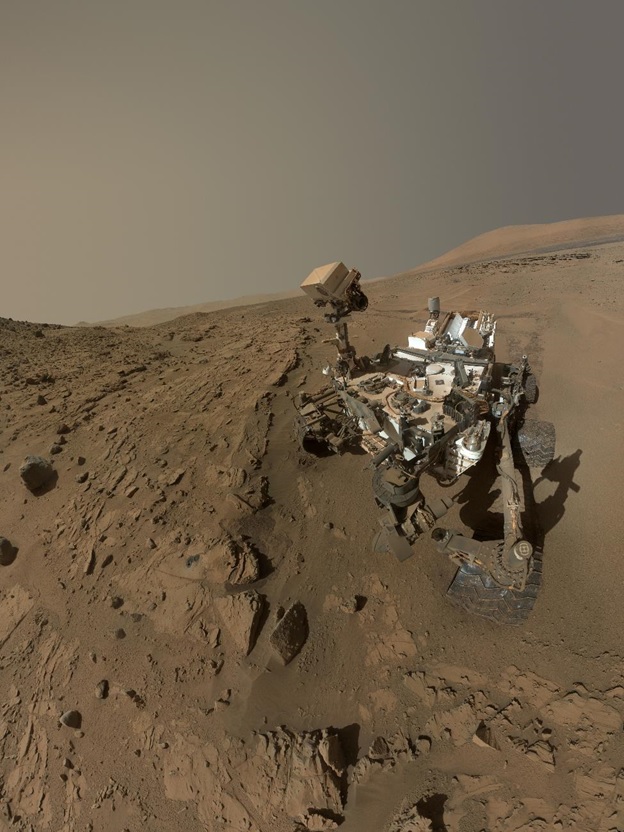
NASA’s Mars Curiosity Rover captures a selfie to mark a full Martian year — 687 Earth days — spent exploring the Red Planet. (NASA/JPL-Caltech/MSSS)
Scientists have discovered mineral-rich structure on Mars that might be the evidence of niche environment on the planet’s subsurface that could support life. (NASA/JPL-Caltech/MSSS)
via aninews

SpaceX denies report it is raising massive funding round, valued at $10B

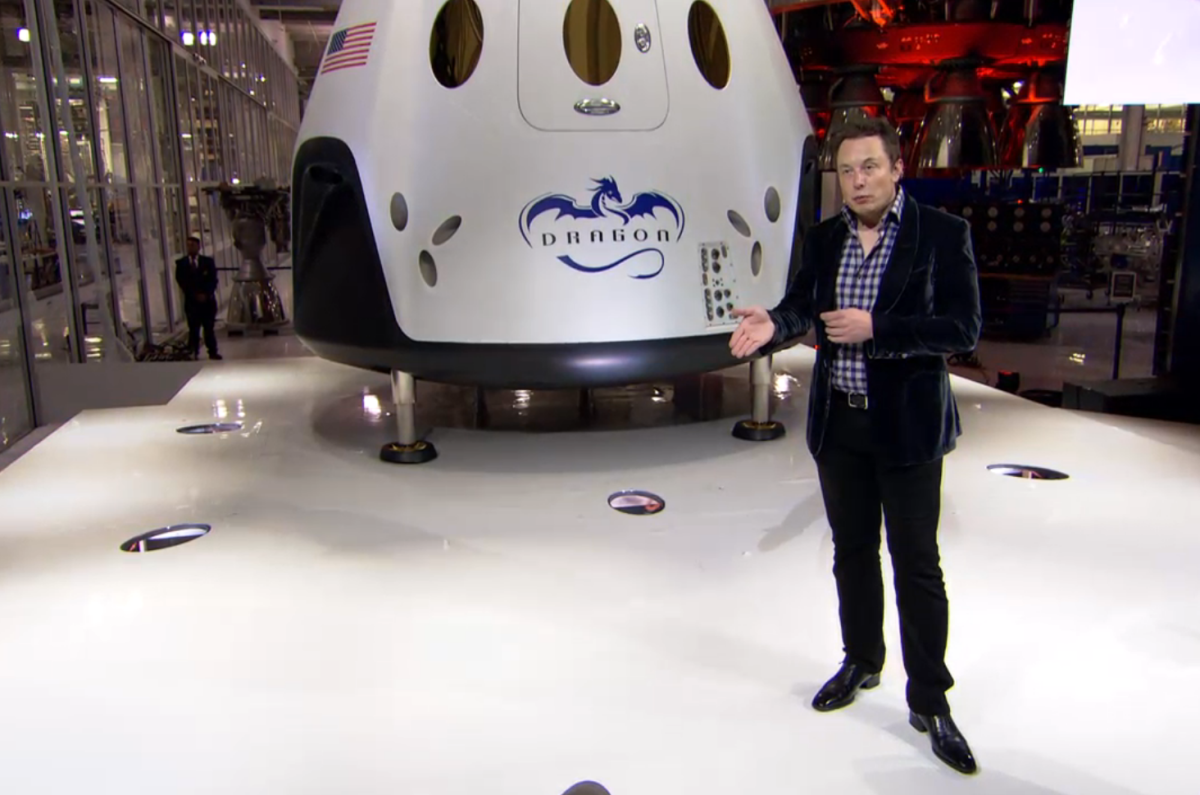
SpaceX CEO Elon Musk and the new Dragon V2, which will soon carry people to the International Space Station (Credit: SpaceX_
SpaceX CEO Elon Musk and the new Dragon V2, which will soon carry people to the International Space Station (Credit: SpaceX)
via gigaom

Why didn’t the Universe become a black hole?

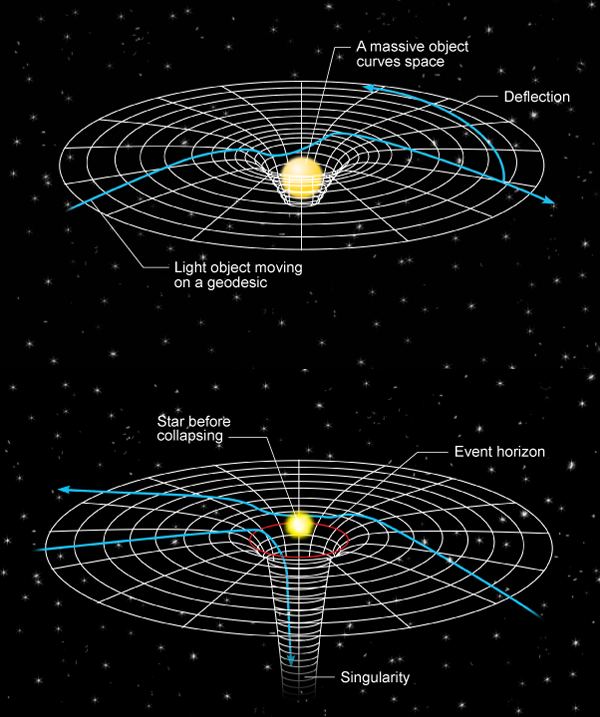
In Einstein’s general theory of relativity, gravity is nothing more than the curvature of spacetime. A massive object, such as the sun, causes a deformation of the spacetime grid, while another object such as a planet or a light beam follows the shortest path (a “geodesic”) on this grid. To an observer, this looks like a deflection of the trajectory caused by gravity. (Bottom) A collapsing star can form a black hole so dense and massive that it creates a region of infinite curvature (a “singularity”) so that—inside the event horizon—light cannot escape. Current research in gravitation is attempting to modify general relativity to account for such objects consistent with quantum theory. (Credit: Carin Cain)
via medium

Study reveals immune system is dazed and confused during spaceflight

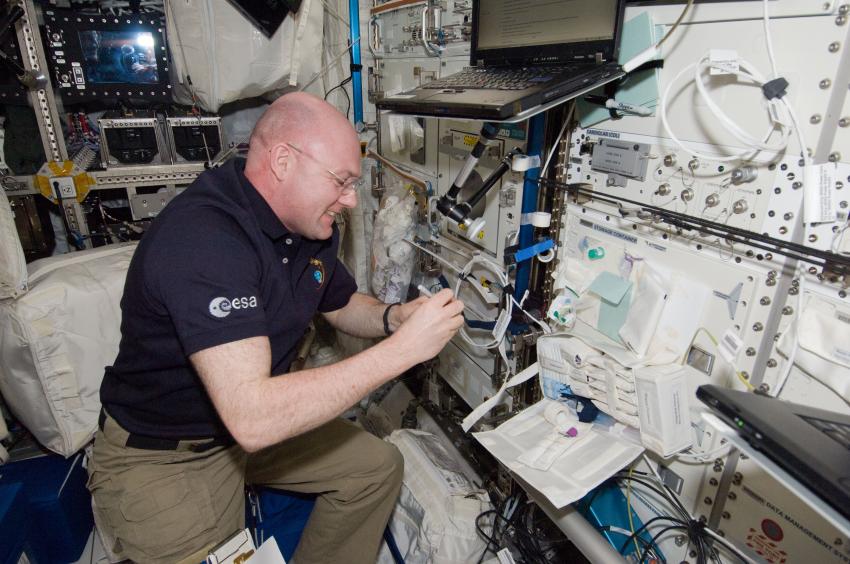
European Space Agency astronaut Andre Kuipers, Expedition 30 flight engineer, prepares vials in the Columbus laboratory of the International Space Station for venous blood sample draws during an immune system investigation. (Credit: NASA)
via phys.org

Sizing up an Exoplanet(VIDEO)

via NASA

Theoretical physics: The origins of space and time(VIDEO)

via nature

 So what exactly is a ‘killer robot’?

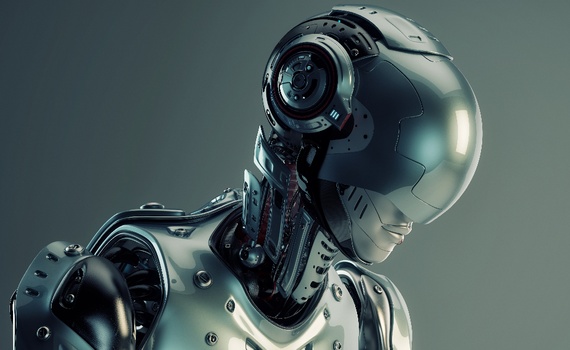
For as long as we’ve been able to make robots, we’ve been worried about them killing us. (Credit:  Ociacia/Shutterstock)
For as long as we’ve been able to make robots, we’ve been worried about them killing us. (Credit: Ociacia/Shutterstock)

Robots to cook and serve food in restaurant in Kunshan, China

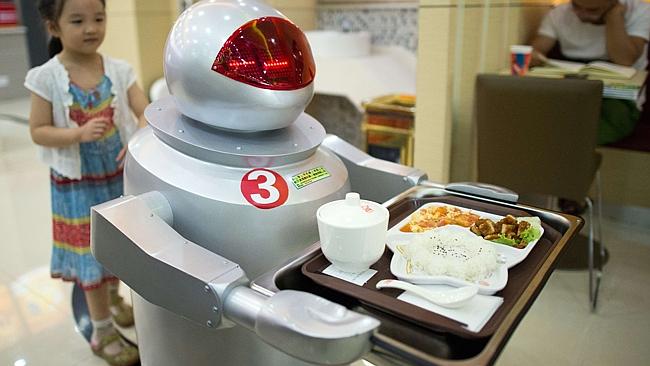
 A robot carries food to customers in a restaurant in Kunshan, China. Photo: Johannes Eisele. (Credit: AFP)
A robot carries food to customers in a restaurant in Kunshan, China. Photo: Johannes Eisele. (Credit: AFP)
via news.com

New ‘mapping nearby galaxies at Apache Point observatory’ survey launched

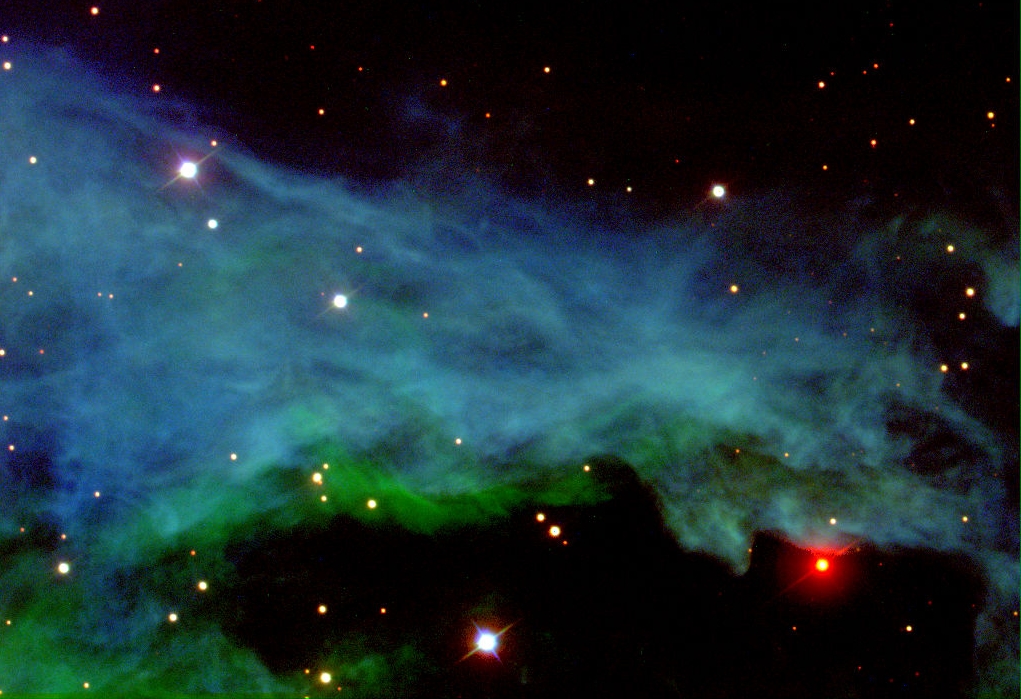
Shown above is part of one of the most imaged parts of the night sky, the Orion Nebula. Since the angular size of Orion's Nebula is so large on the sky, only a portion is shown here. Located just below "Orion's Belt" this star-forming region is dominated by four young, massive O stars (known as the Trapezium, not pictured here). The wispy blue, green gas seen above is composed mostly of hydrogen, the main element used in forming stars. The Orion Nebula is an astrophysical laboratory, providing an up-close view of the birth of stars (Credit: Sloan Digital Sky Survey)
Shown above is part of one of the most imaged parts of the night sky, the Orion Nebula. Since the angular size of Orion’s Nebula is so large on the sky, only a portion is shown here. Located just below “Orion’s Belt” this star-forming region is dominated by four young, massive O stars (known as the Trapezium, not pictured here). The wispy blue, green gas seen above is composed mostly of hydrogen, the main element used in forming stars. The Orion Nebula is an astrophysical laboratory, providing an up-close view of the birth of stars. (Credit: Sloan Digital Sky Survey)

via azoquantum

Alternative propulsion concepts power debate

Greased Lighning (GL10) project 10 engine electric prototype remote control plane. Photo taken 8/14/14 (Credit: NASA Langley/David C. Bowman)
via thespacereview

Indian nuclear team head to US

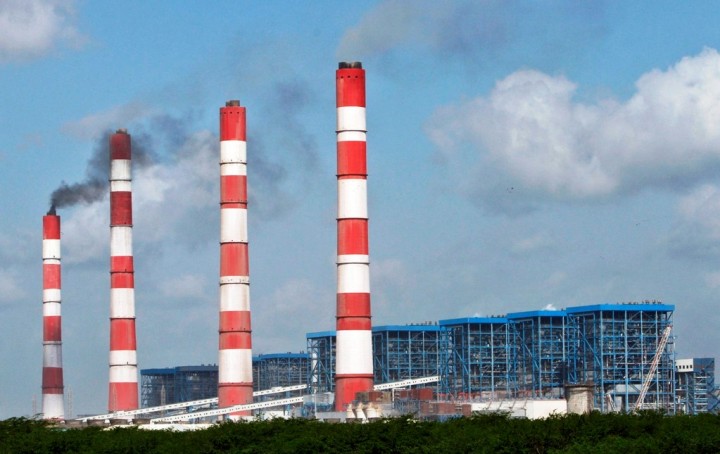
A file photograph of Adani Power's thermal power plant in the western Indian state of Gujarat.(Credit: Reuters)
A file photograph of Adani Power’s thermal power plant in the western Indian state of Gujarat.(Credit: Reuters)
via breakbulk

South Korea running out of spent nuclear fuel storage space – advisory body

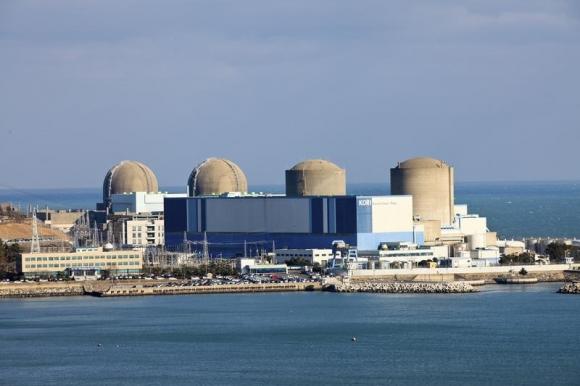
The Kori nuclear power plant in Busan, southeast of Seoul, is seen in this picture released by the plant to Reuters.  South Korea needs to quickly find additional space where it can store its spent nuclear fuel because some of its temporary storage capacity will be full by 2016, (Credit: Reuters/Kori Nuclear Power Plant/Handout)
via reuters