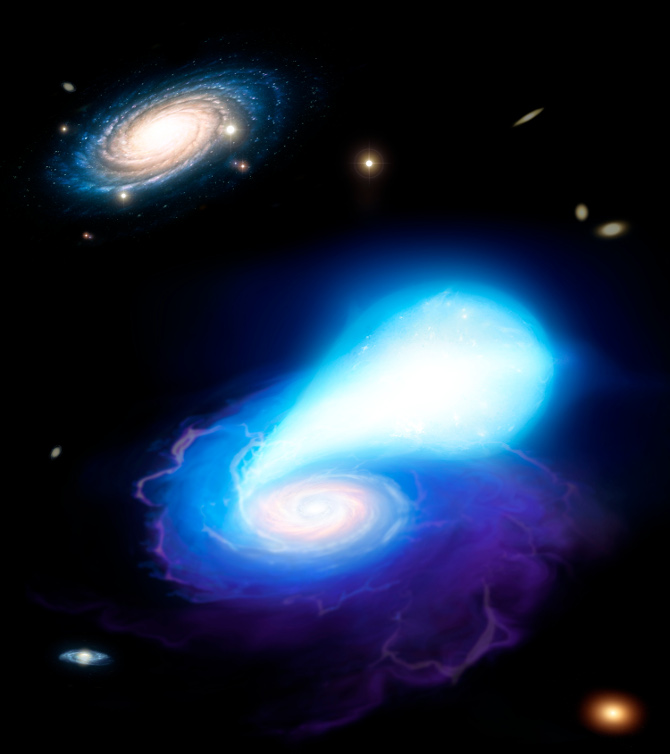
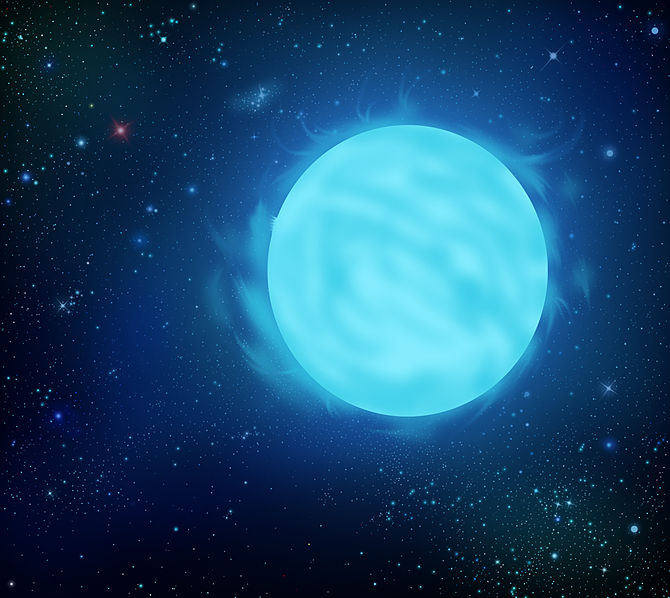
University of Warwick researchers explain mystery of the loneliest supernovas. Compact binary star systems that have been thrown far from their host galaxy when one star of that pair became a neutron star, go through a second trauma when the remaining white dwarf star is eventually pulled onto the neutron star. (Credit: Mark A. Garlick / space-art.co.uk / University of Warwick)
via forbes
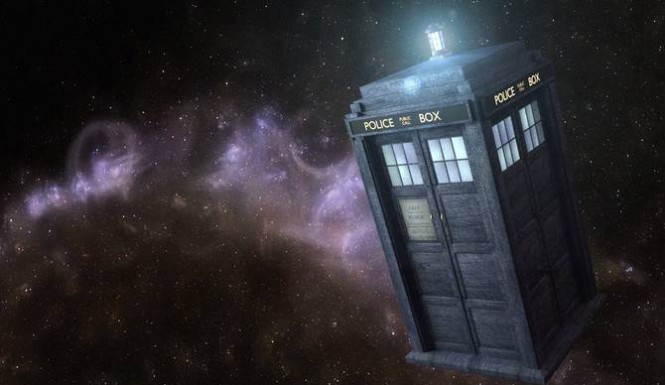
While time travel may be theoretically possible, there are unfortunately several drawbacks to the researchers’ TARDIS concept. In order to function, it requires the use of exotic matter, which has yet to be shown to exist in our universe. Time travel would also have to violate classical mechanics, and in order to move in anything other than a circular direction in both time and space, more than one TARDIS curve would need to be constructed, raising the possibility of exiting the time vortex into a universe of anti-matter. (Credit: Bitbillions)
via inquisitr
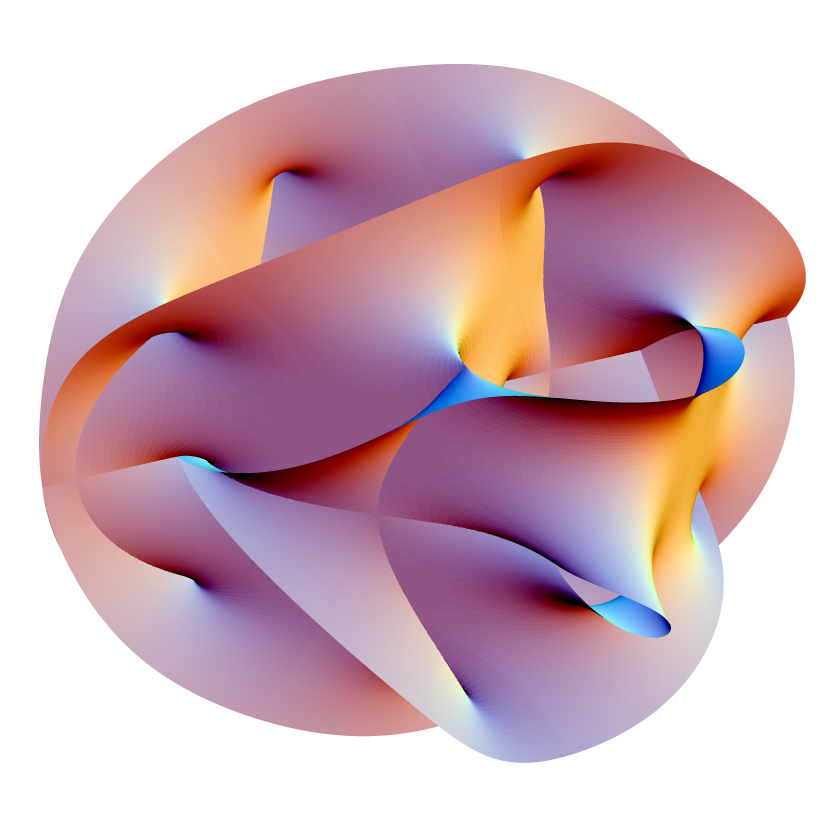
A construction for computer visualization of certain complex curves. Science journalist, Tom Siegfried, has been one of the most vociferous proponents of string theory for many, many years, but even his faith seems like it might be failing as the decades roll on. (Credit: CC BY-SA 2.5)
via columbia
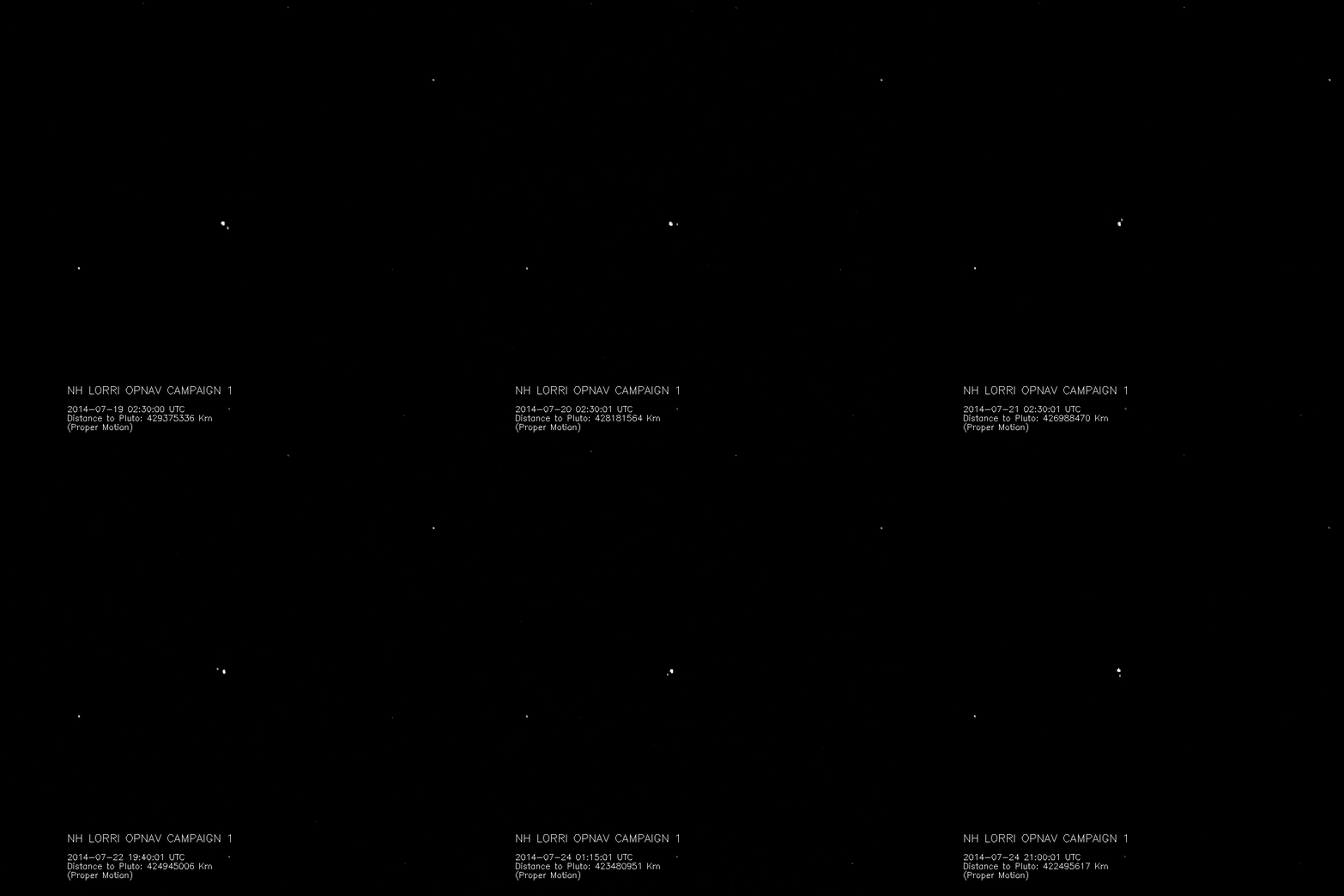
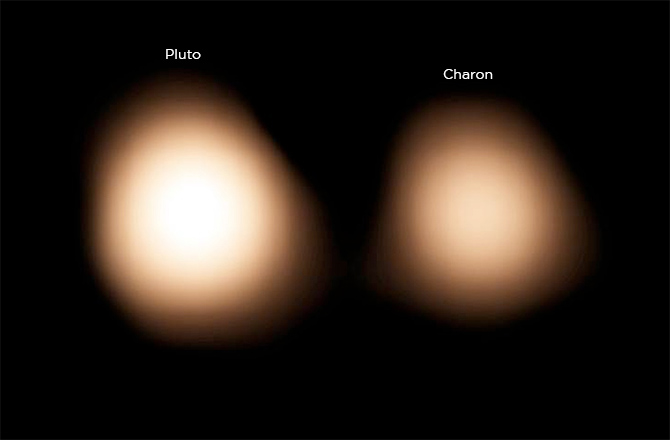
Animation of Pluto and Charon showing nearly a full rotation (Credit: NASA/Johns Hopkins University Applied Physics Laboratory/Southwest Research Institute)
via universetoday
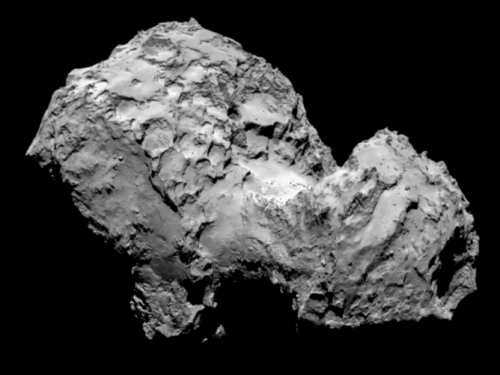
Do you see a duck? On August 6, millions of miles away from Earth, the firing of a rocket thruster signalled the end of a decade-long journey by a European spacecraft to reach its ultimate target – the ‘duck’ comet. (Credit: ESA/Rosetta/MPS)
via phys
A typical magnifying glass works by bending light (i.e. refraction) to a focus point, in this case your eye. In a similar way, gravitational lensing also works by bending light, but in this case it is mass from another galaxy bending the light. This galaxy that extends far into space causes light rays passing near and through its gravitational field to bend and again refocus onto a particular location. The more massive and dense the matter, the more bending and refracting. (Credit: Flickr, Hubble Heritage)
via united-academics
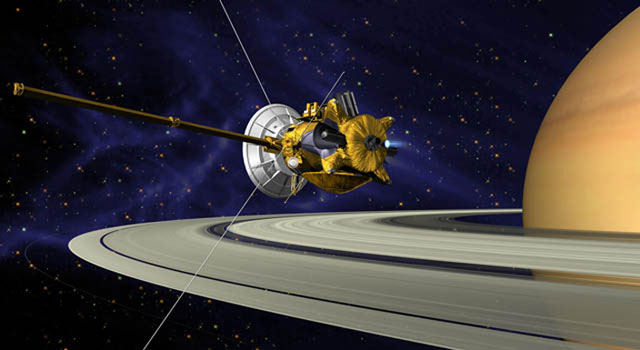
This is an artists concept of Cassini during the Saturn Orbit Insertion (SOI) maneuver, just after the main engine has begun firing. (Credit: NASA/JPL)
via phys
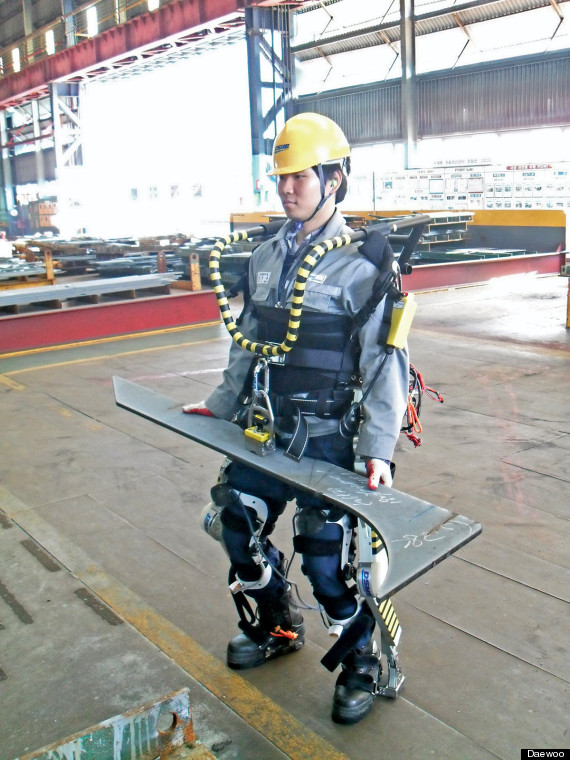
Chu says worker feedback from the trial has been mostly positive. Testers were pleased that the exoskeleton let them lift heavy objects repeatedly without strain, but everyone also wanted it to move faster and be able to cope with heavier loads. (Credit: Daewoo)
via cnet
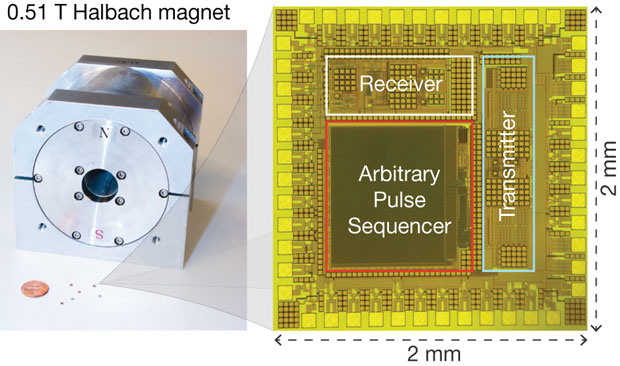
Harvard electrical engineering and applied physics professor Donhee Ham and his colleagues have drastically shrunk the size of the electronics even further, fitting the RF receiver, transmitter and other components on a tiny seed-sized chip. (Credit: Dongwan Ha/Harvard SEAS)
via ieee
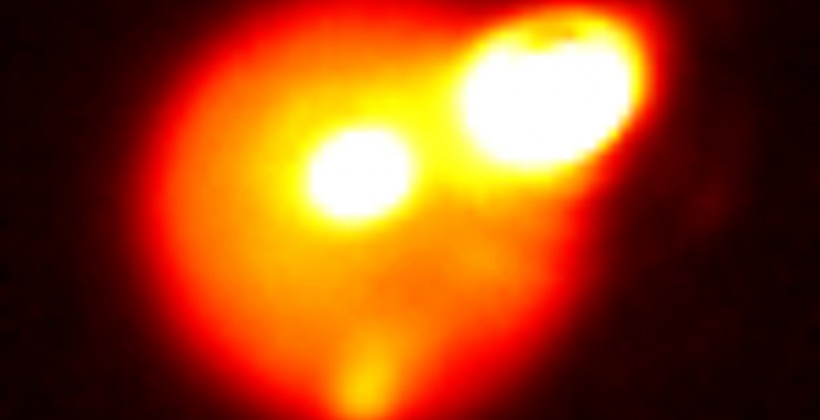
Footage from the Venus Express orbiter confirmed sightings of hot spots on the surface of the planet, in accordance with volcanoes still simmering. (Credit: NASA)
via slashgear
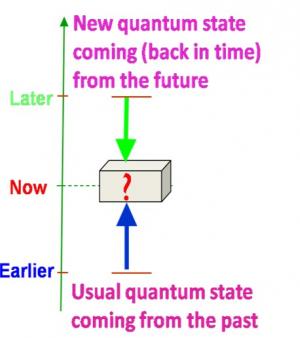
At the present moment another measurement is performed which is influenced both by what happened earlier and what happened later. (Credit: Jeff Tollaksen)
via phys
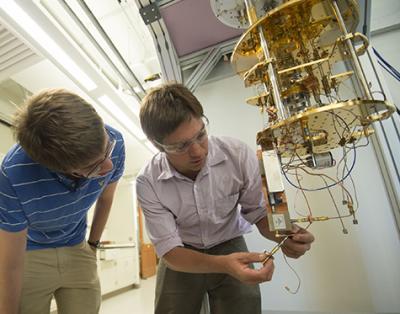
Kater Murch (right), assistant professor of physics at Washington University in St. Louis, and junior Chris Munley work with the equipment that can map a quantum device’s trajectory between two points in quantum state space, a feat until recently considered impossible. (Credit: Joe Angeles/WUSTL Photos)
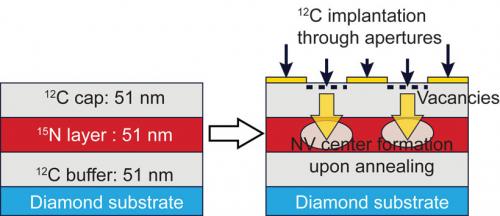
This is a schematic of the process to localize NV centers in 3-D. The researchers blasted carbon ions through holes to create vacancies and heated the diamond to make the vacancies mobile within the crystal. NV centers could form in the nitrogen-doped layer below where the holes were placed. (Credit: F.J. Heremans and D. Awschalom/U. Chicago and K. Ohno/UCSB)
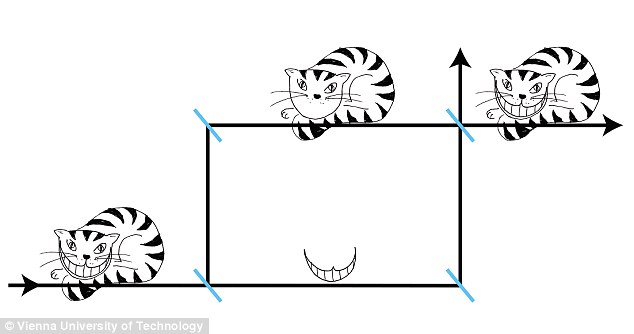
Scientists have observed for the first time a weird quantum phenomenon known as the ‘Cheshire Cat’ effect (illustration shown). The ‘cat’ in question was a subatomic neutron particle, and the ghostly ‘grin’ the particle’s magnetic moment, which describes the strength of its coupling to an external magnetic field. (Credit: Vienna U)
via livescience
NASA is studying the effects of radiation on sperm. Freeze-dried mouse sperm are spending one, 12, and 24 months on the ISS before being used to fertilize mouse eggs back home. (Credit: Wei Ming/Shutterstock)
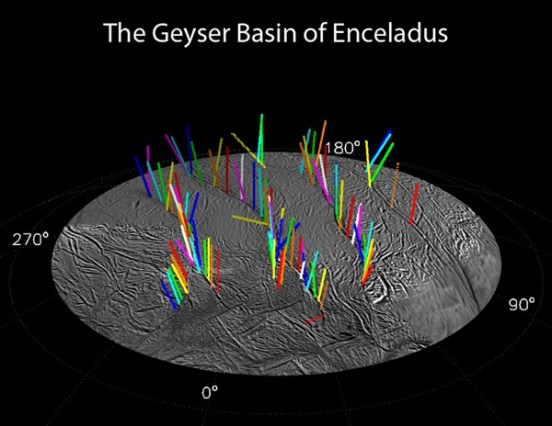
This graphic shows a 3-D model of 98 geysers whose source locations and tilts were found in a Cassini imaging survey of Enceladus’ south polar terrain by the method of triangulation. While some jets are strongly tilted, it is clear the jets on average lie in four distinct “planes” that are normal to the surface at their source location. (Credit: NASA)
via nasa
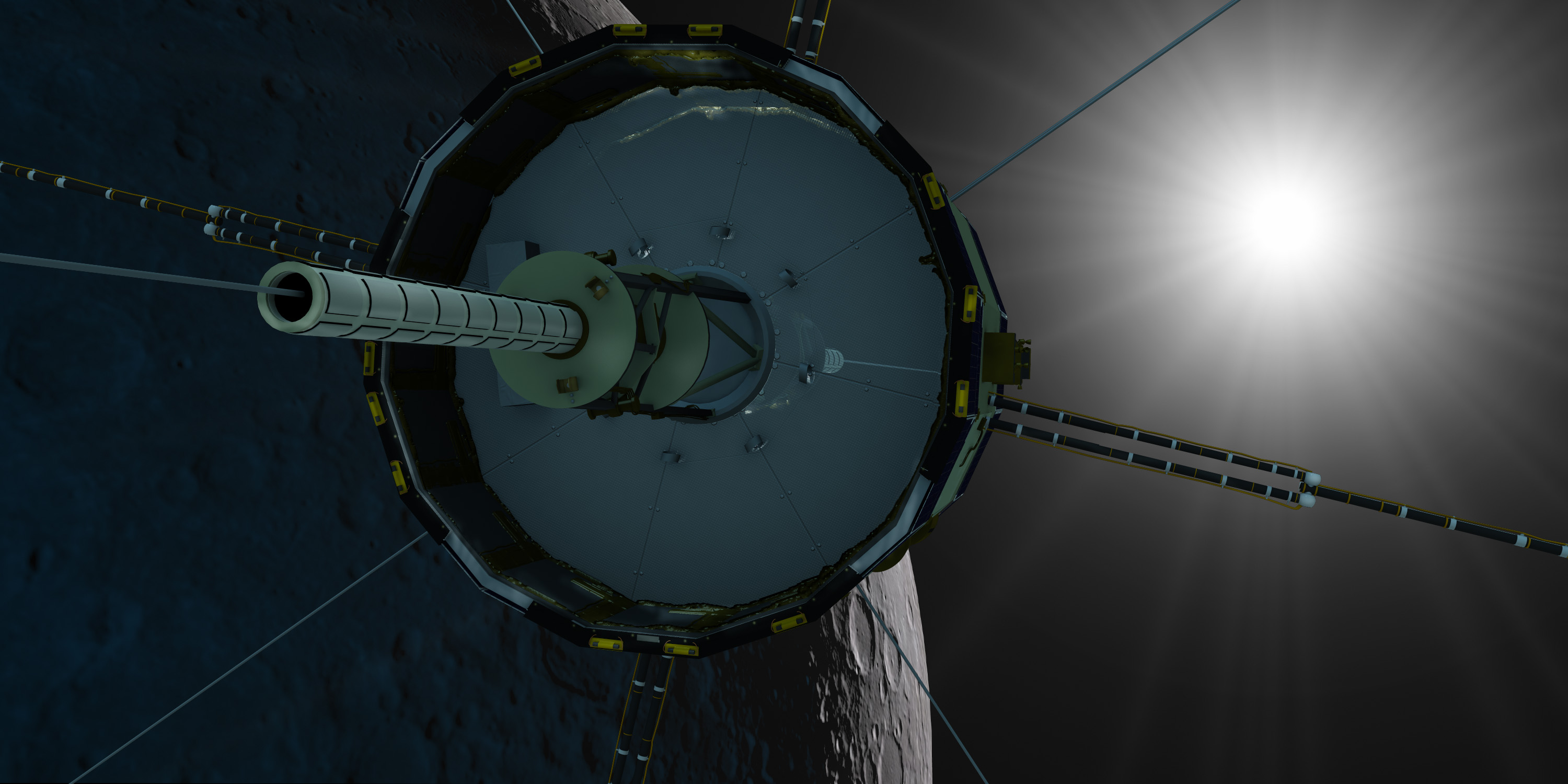
An artist’s depiction of NASA’s International Sun-Earth Explorer 3 spacecraft as it flies through space. The volunteer ISEE-3 Reboot Project, which hoped to move the probe closer to Earth, now says the spacecraft is out of gas. (Credit: NASA)
via space
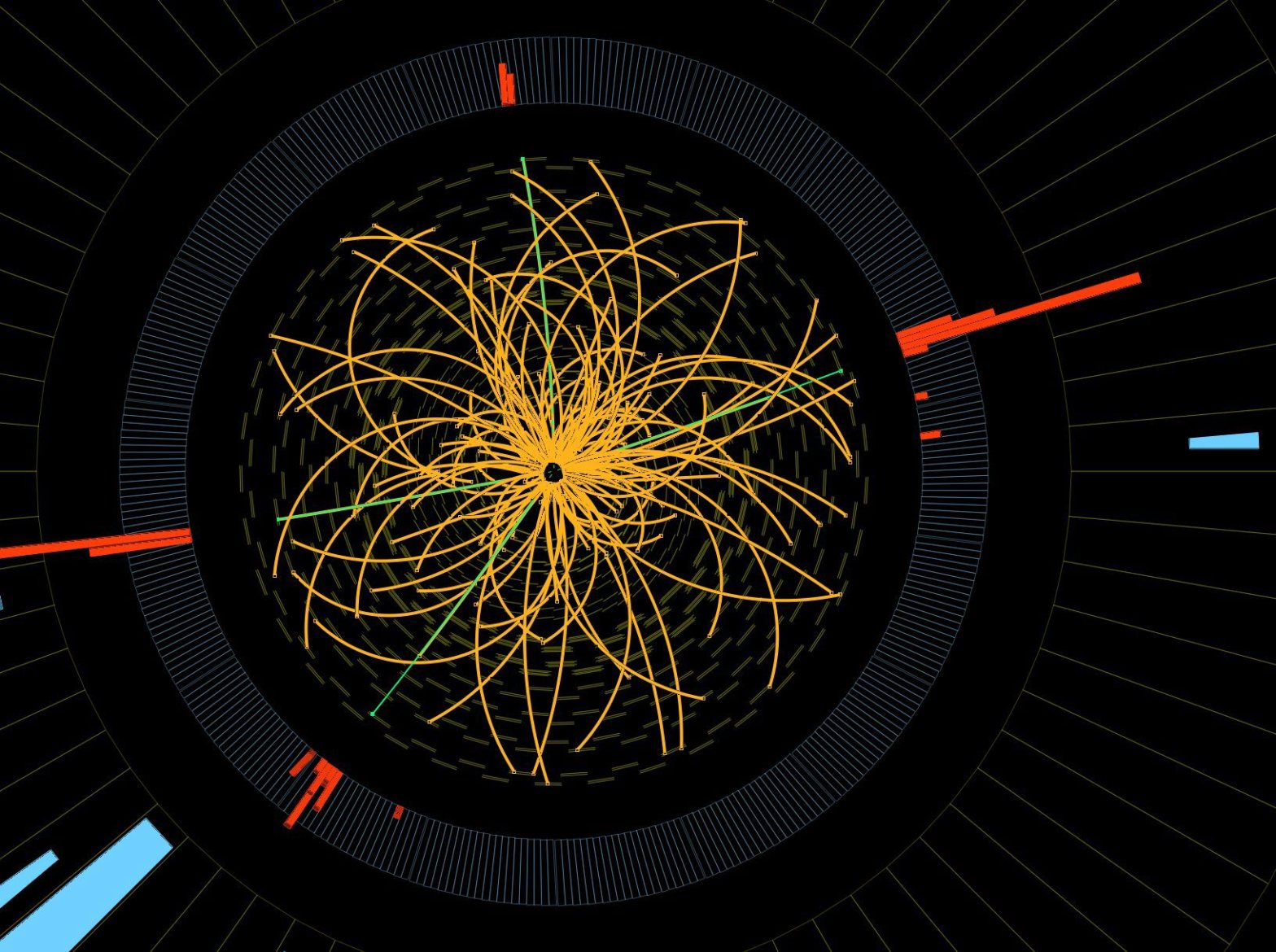
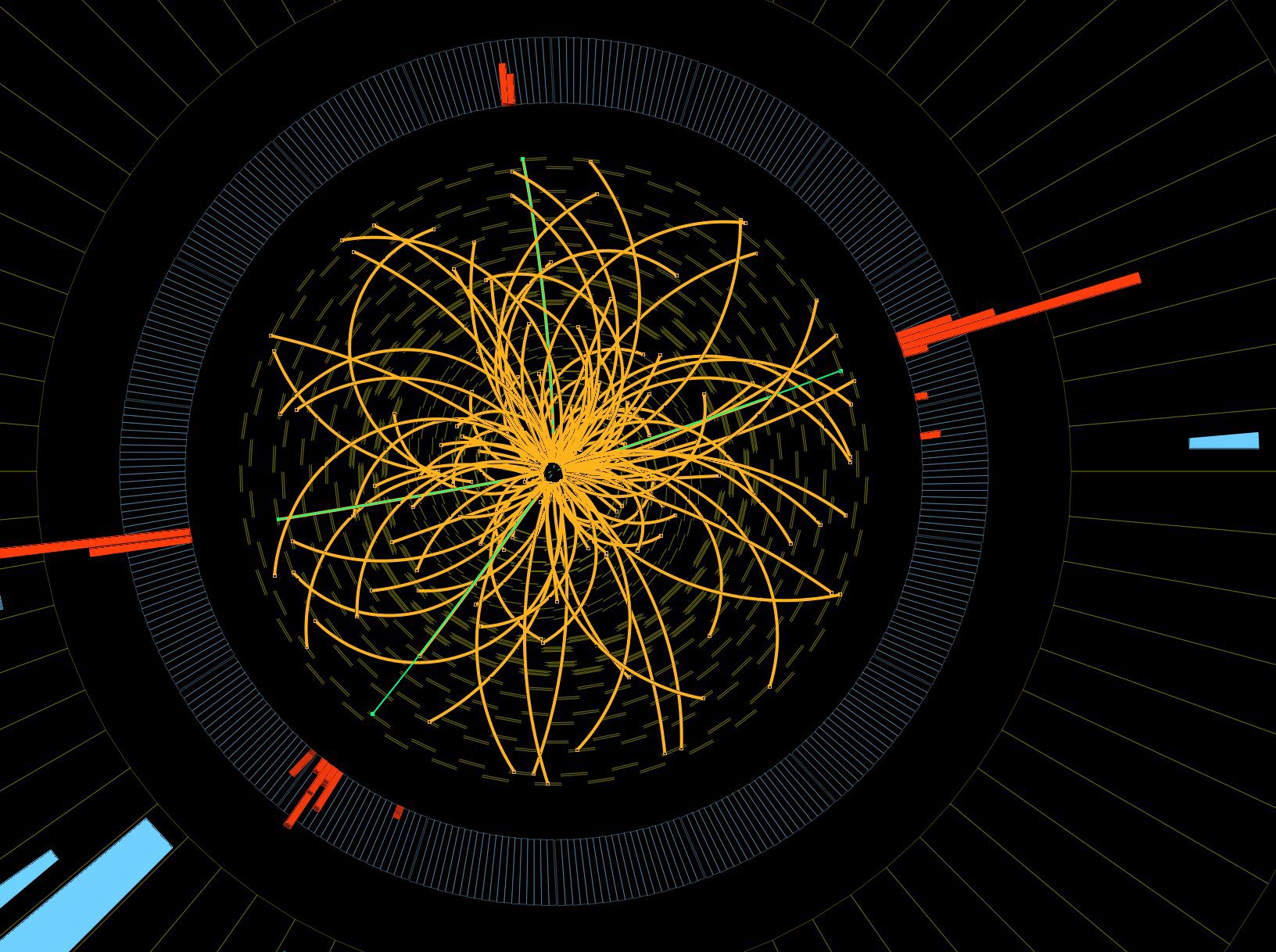
CMS proton-proton collision in which 4 high energy electrons (green lines and red towers) are observed in a 2011 event. The event shows characteristics expected from the decay of a Higgs boson but is also consistent with background Standard Model physics processes. (Credit: AP Photo/CERN)
via yahoo
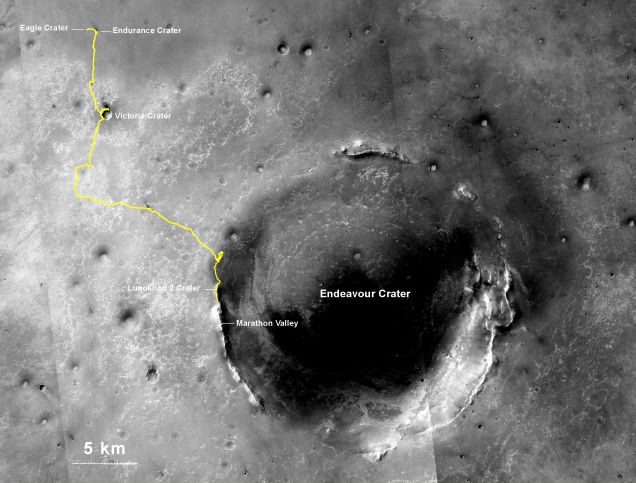
NASA reports that the Mars Rover has clocked up 25.01 miles of driving on the Red Planet—setting a record for the longest distance a vehicle has driven outside Earth. (Credit: NASA)
via gizmodo
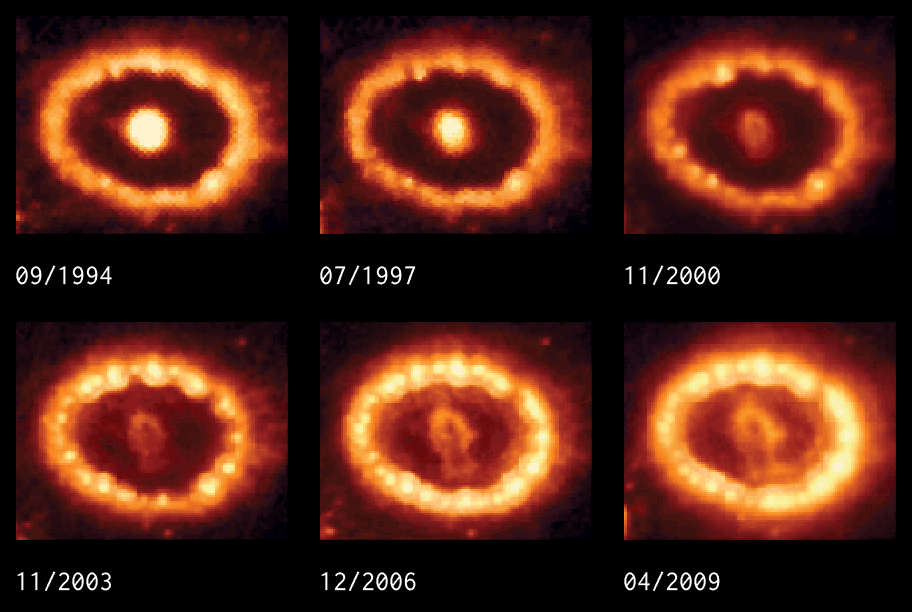
A time sequence of SN 1987A, taken in the 15 years from 1994 to 2009, showing the collision of the expanding supernova remnant with a ring of dense material ejected by the progenitor star 20,000 years before the supernova.
via physicsworld
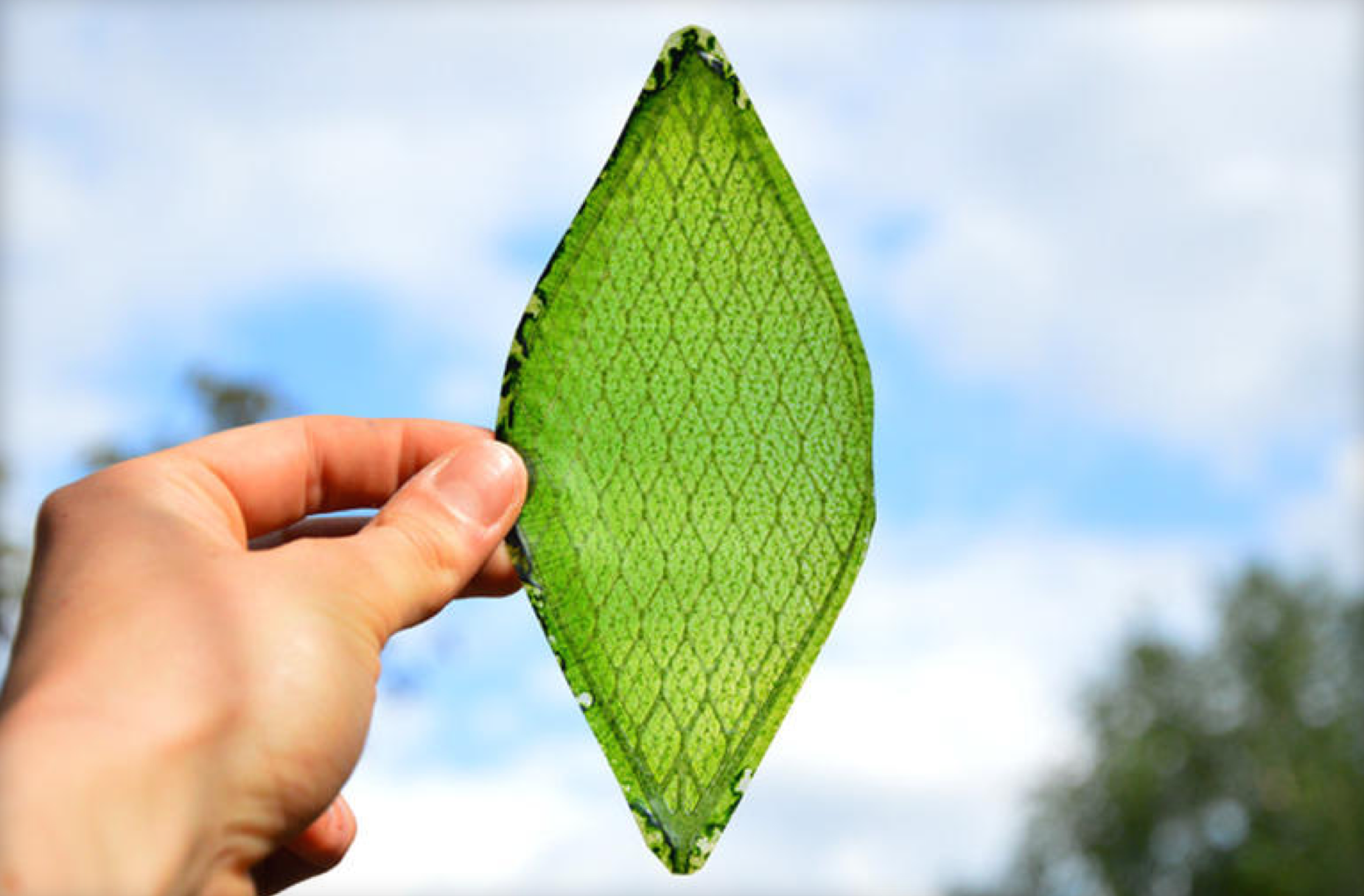
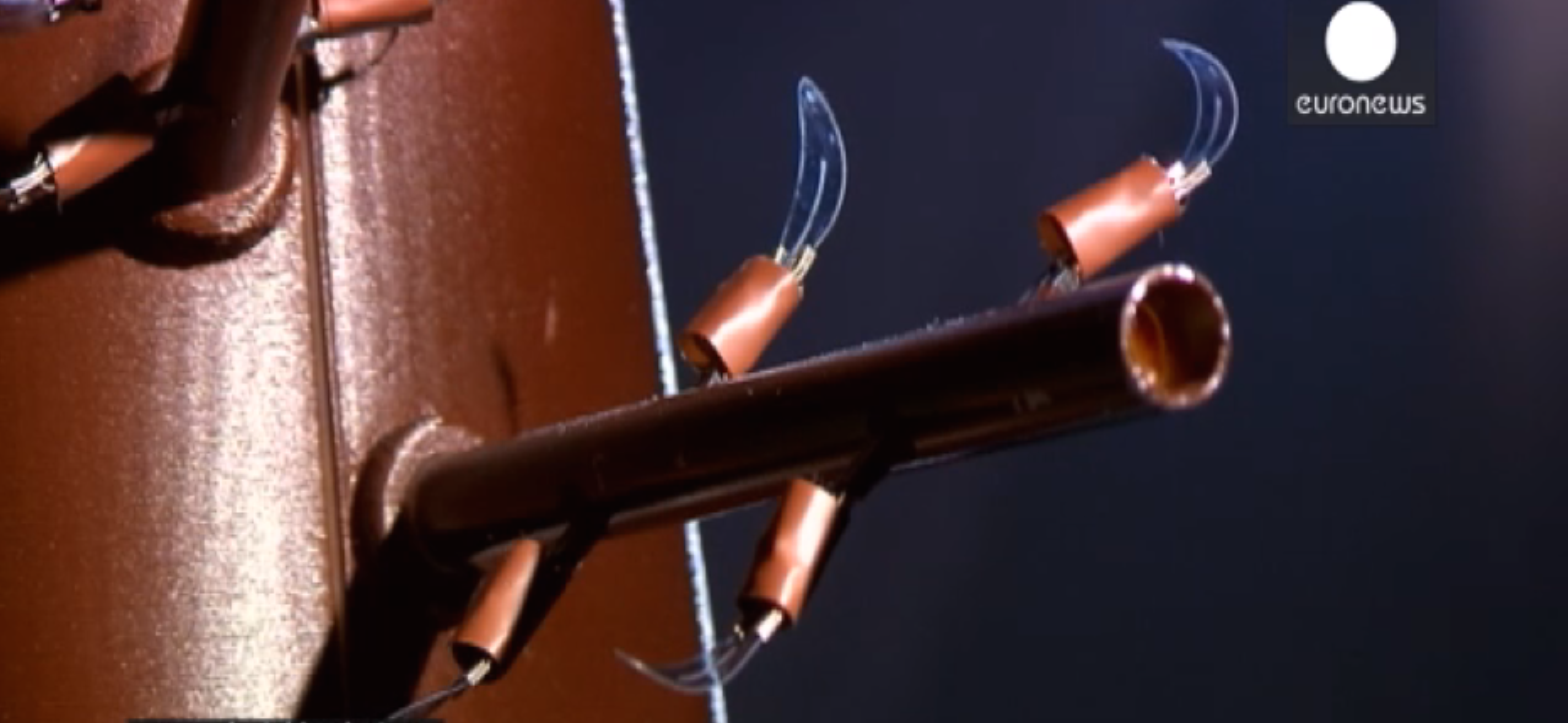
Scientists in Italy are working on creating robots that mimic the properties of plant roots, including the capacity for growth. (Credit: Euronews)
via euronews
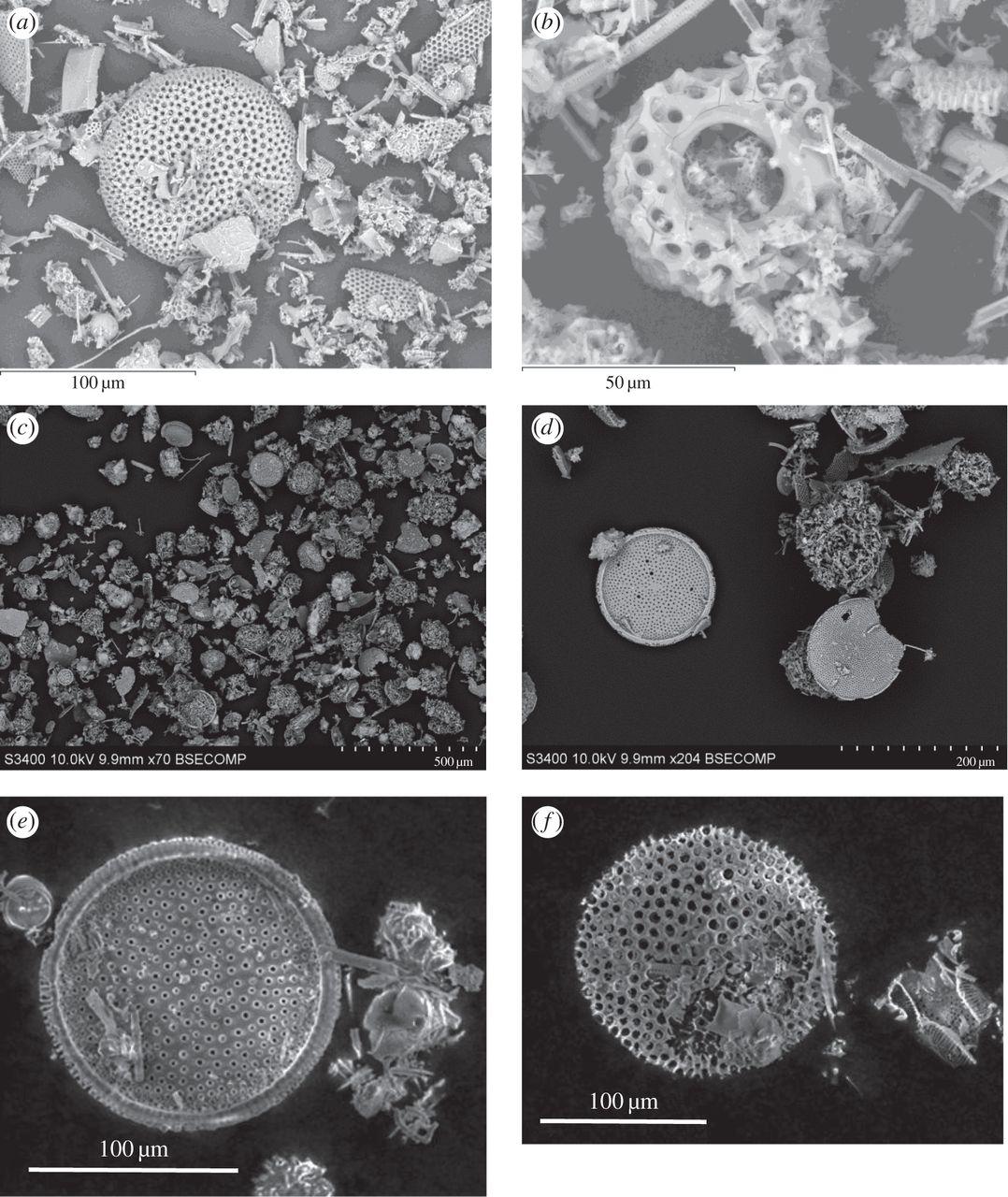
Images a and b are raw diatoms; c and d are fossilized, and e and f are fossilized diatoms that were frozen but not shot. (Credit: Mark Burchell et al., Philosophical Transactions of the Royal Society)
via popsci
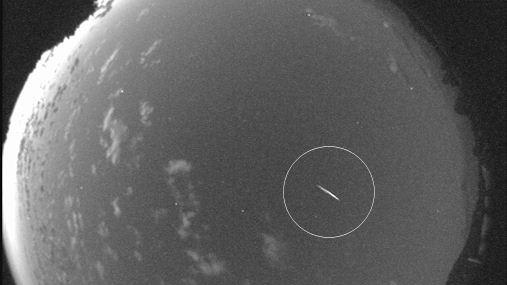
Look up, sky watchers! NASA cameras caught this streak over the New Mexico skies on Sunday, as the Perseid meteor shower heats up. (Credit: NASA)
via latimes
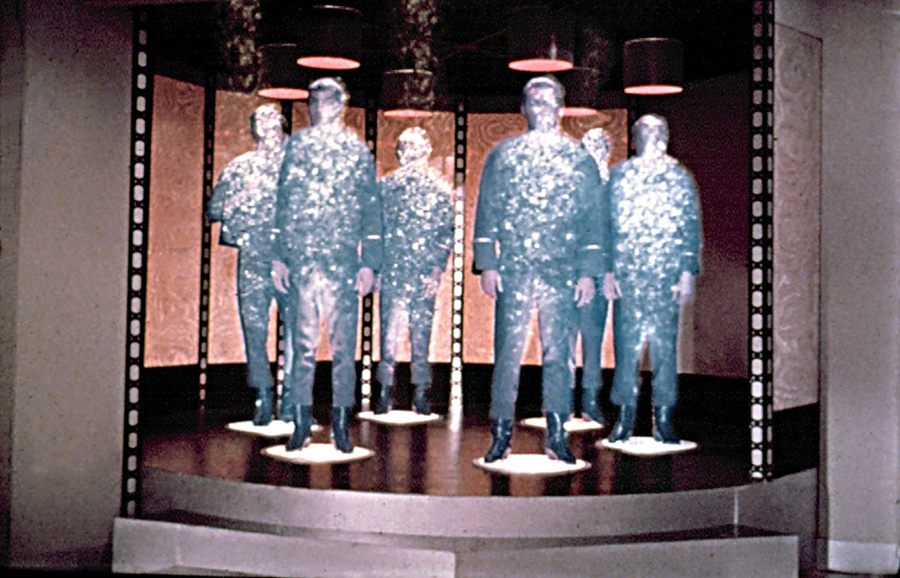
Recent advances in theoretical physics are making Star Trek style transporters a reality. (Credit: Paramount/Everett Collection)
via mysteriousuniverse
Progress is busily working to re-establish a connection with the operating system — currently on autopilot — before all hope is lost. (Credit: Tim Vickers )
via aljazeera
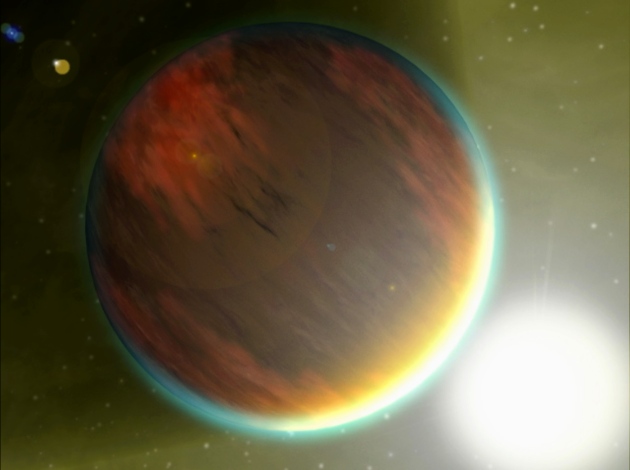
The exoplanet 209458b, a gas giant, is located 150 light-years from Earth. Dry atmospheres of three exoplanets challenge ideas of how planets form. (Credit: NASA/JPL-Caltech)
via nature
A new scientific theory suggests that when black holes reach the end of their lifespan, they explode into “white holes” and release all of their matter into space. (Credit: Reuters / NASA)
via rt
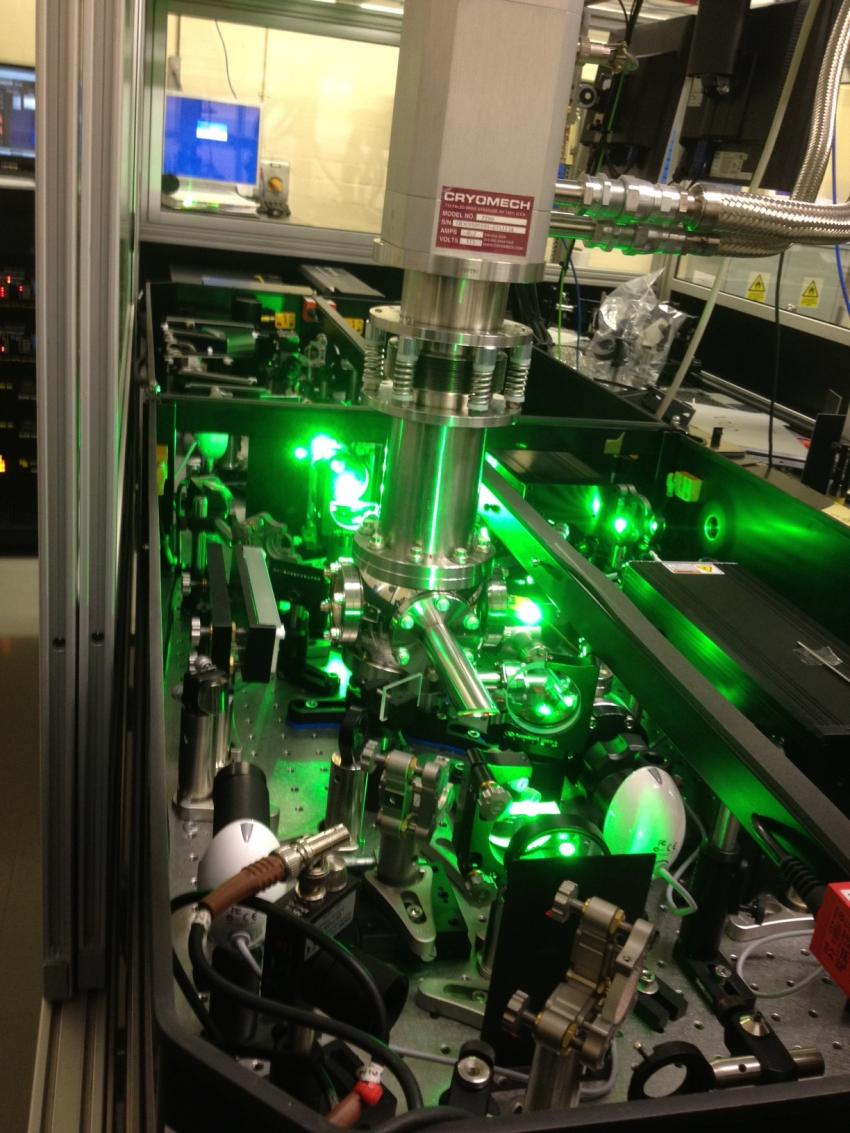
The experiment was undertaken at Rutherford Appleton Laboratories in the Artemis laser facility using an advanced femtosecond laser system to resolve rotations of complexes. The picture shows a section of the laser system used during the experiments. (Credit: Gediminas Galinis, University of Leicester.)
via phys
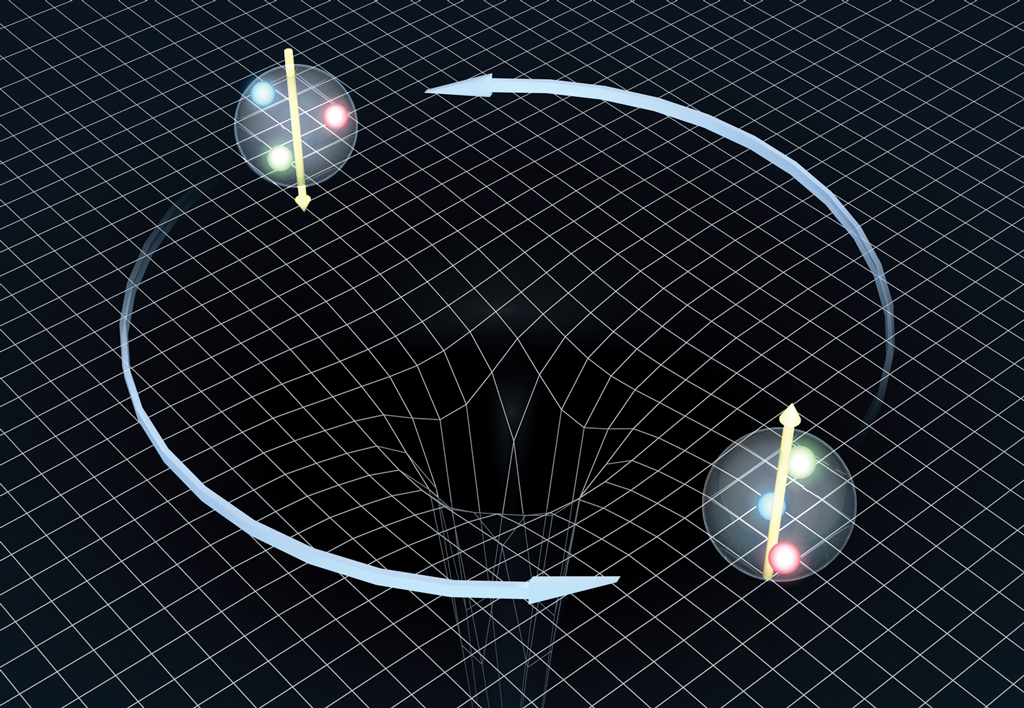
Figure 1: Nucleons (protons and neutrons) are made up of quarks (colored spheres) and have an orientation called spin (indicated by up and down arrows). The spin–orbit force is the interaction between two orbiting nucleons, resulting in a potential well (center) that holds them together. (Credit: Keiko Murano, RIKEN Nishina Center for Accelerator-Based Science)
via phys.org
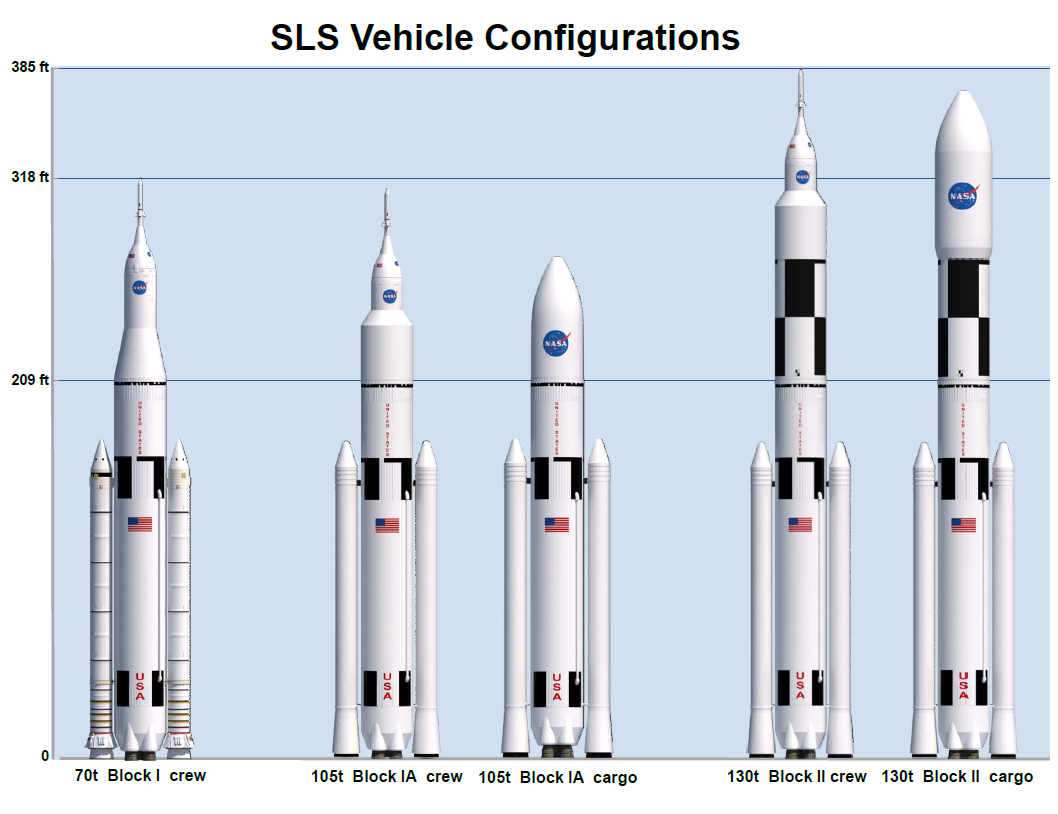
Space Launch System’s planned variant vehicle configurations. The agency’s current funding plan for SLS may be $US400 million short of what the program needs to launch by 2017 (Credit: NASA)
via theregister