Physics in the News

Monday August 18, 2014

Rubbish explodes in space
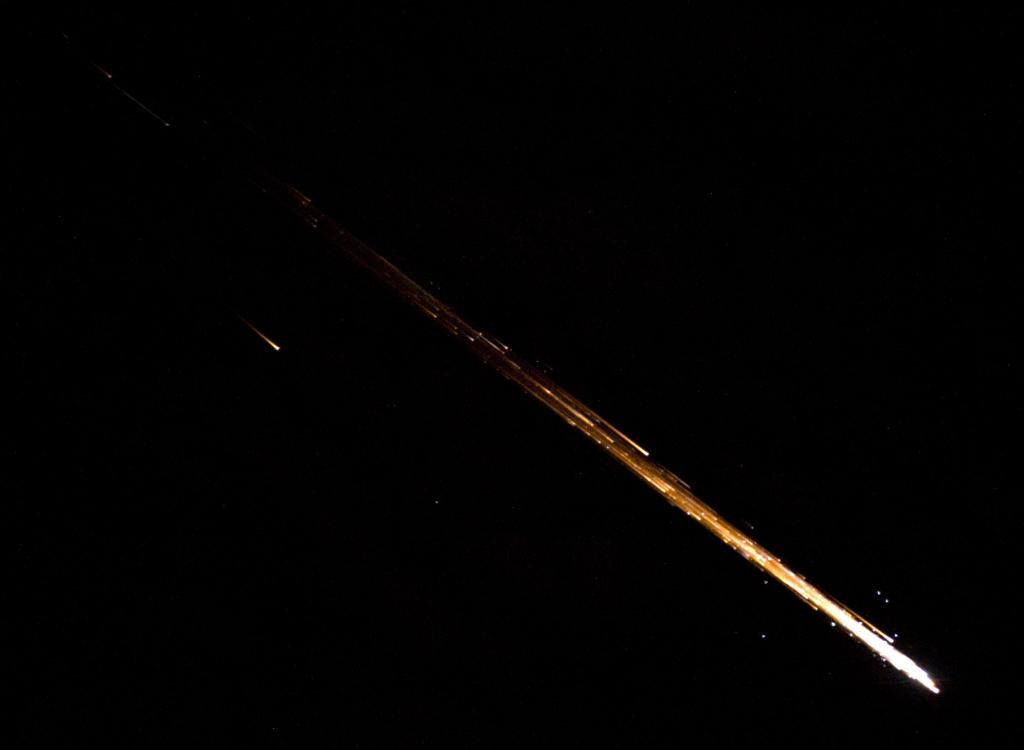
Astronaut Alexander Gerst captured the moment from his home aboard the ISS. (Credit: Alexander Gerst)
via theregister

Spacewalking cosmonaut tosses tiny satellite into space for Peru
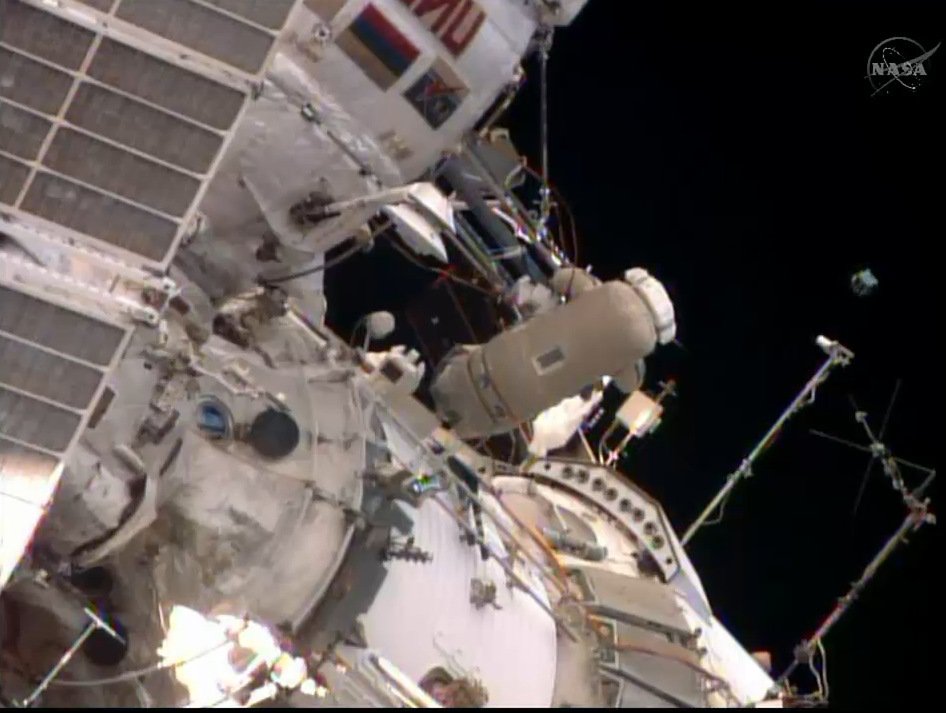
Cosmonaut Oleg Artemyev looks on after he released a small Peruvian satellite into space during a spacewalk outside the International Space Station on Aug. 18, 2014. (Credit: NASA TV)
Cosmonaut Oleg Artemyev looks on after he released a small Peruvian satellite into space during a spacewalk outside the International Space Station on Aug. 18, 2014.
(Credit: NASA TV)
via space

Novel technique to record quantum mechanical behavior of an electron within a nanoscale defect
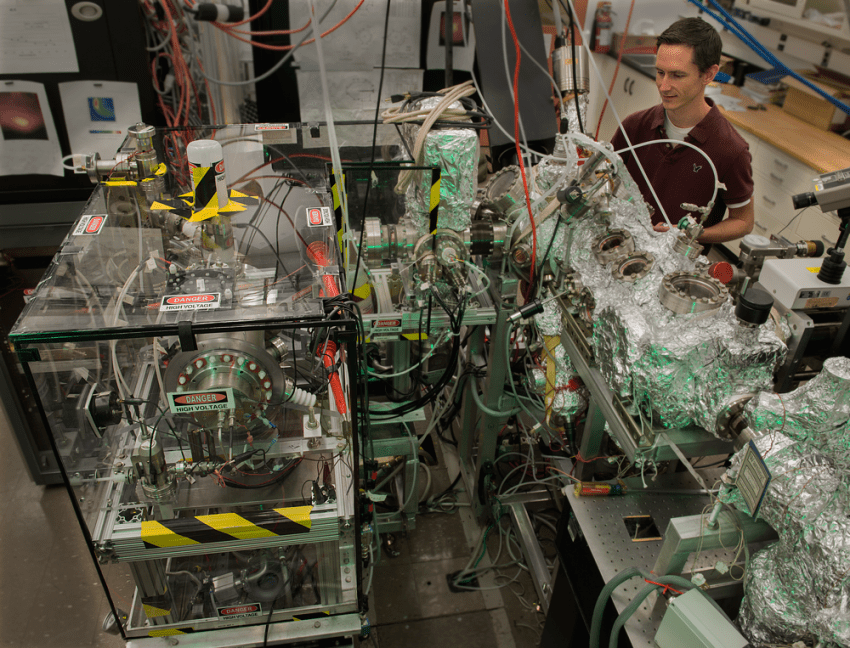
Part of the optical apparatus used to direct pulses of light to control the quantum state of a single electronic spin in diamond. (Credit:  UPenn)
Part of the optical apparatus used to direct pulses of light to control the quantum state of a single electronic spin in diamond. (Credit: UPenn)
via azoquantum

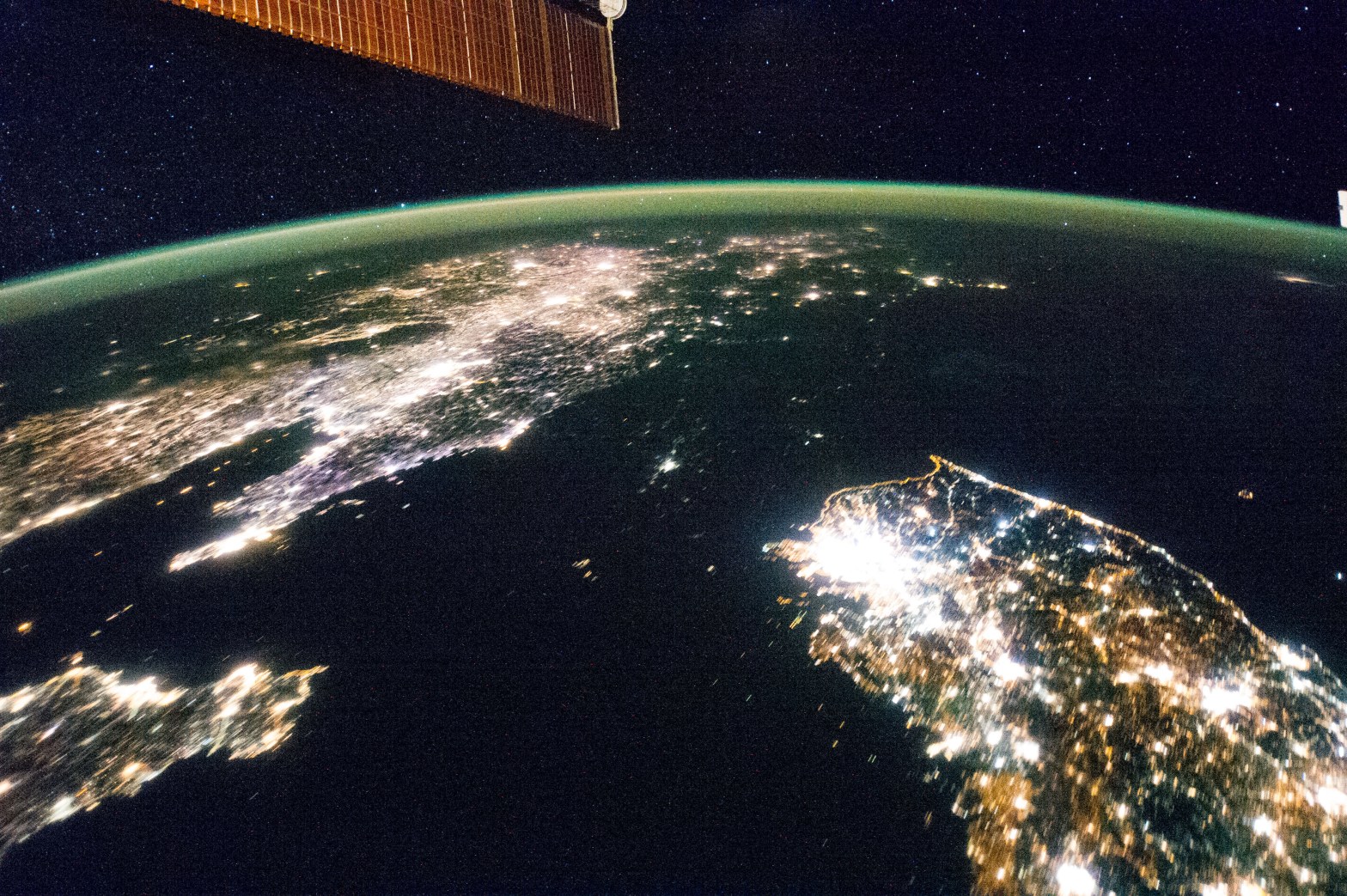
Image overload:  NASA requests help to sort it all out
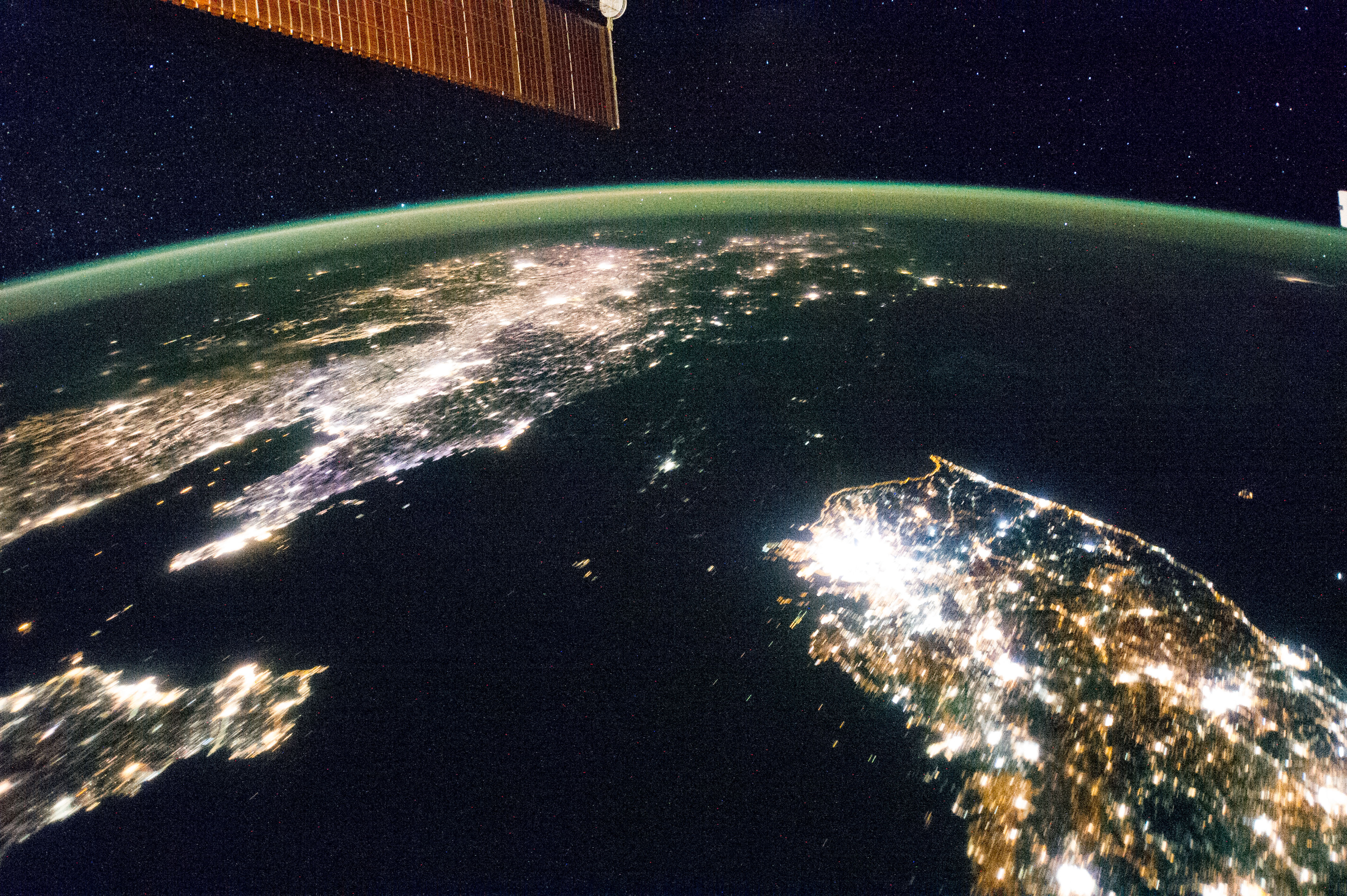
North Korea is barely lit when juxtaposed with neighboring South Korea and China. (Credit NASA)
via cnn

Set your alarm: Venus and Jupiter will light up the pre-dawn sky

A panoramic view of the Venus Jupiter Conjunction on August 17, 2014, taken from the Cairns Esplanade in Queensland Australia. (Credit: Joseph Brimacombe.)
A panoramic view of the Venus Jupiter Conjunction on August 17, 2014, taken from the Cairns Esplanade in Queensland Australia. (Credit: Joseph Brimacombe)
via bbc

Black Holes? I’ll take a medium, please
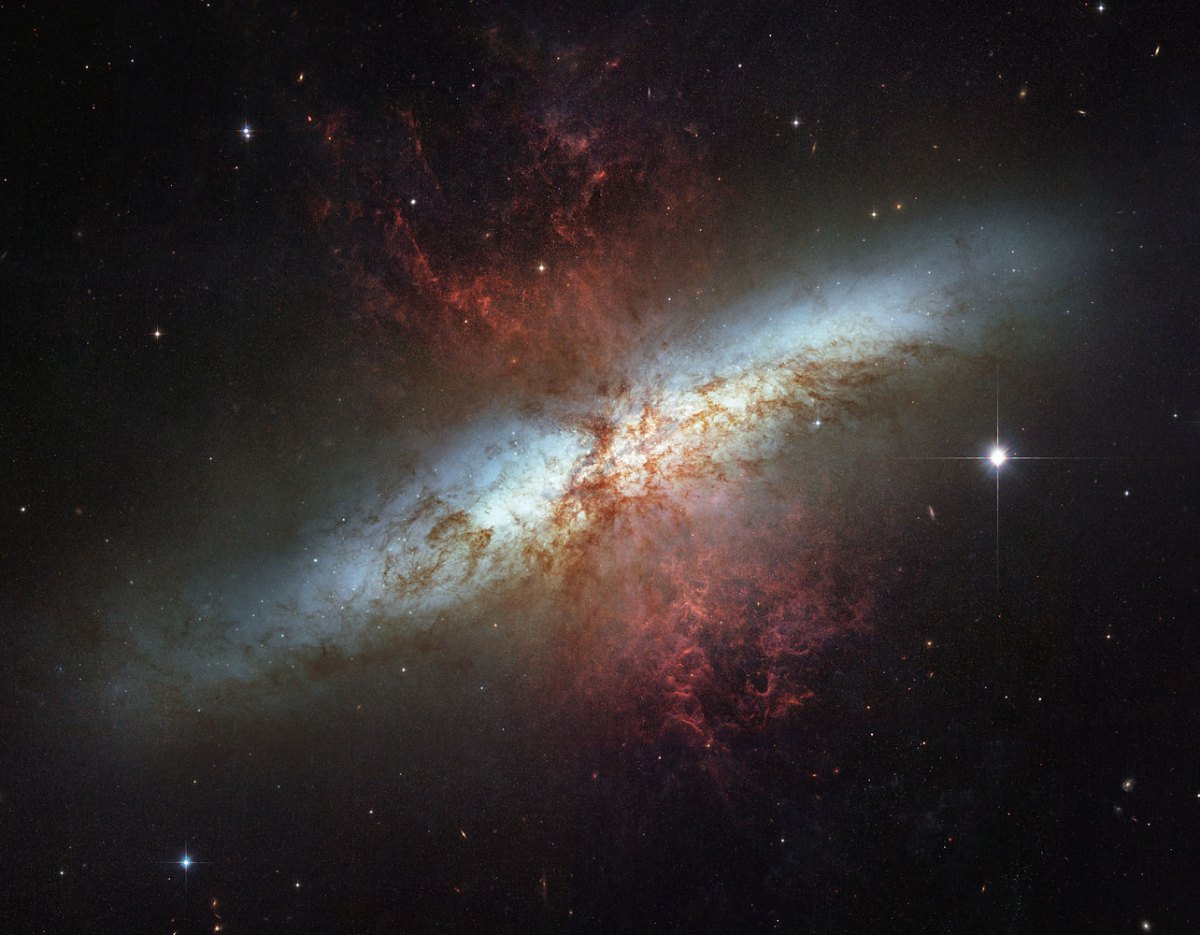
To celebrate the NASA-ESA Hubble Space Telescopes 16 years of success, NASA and the European Space Agency are releasing this mosaic image of the starburst galaxy, Messier 82 (M82),  made in March 2006. It is the sharpest wide-angle view ever obtained of M82, a galaxy remarkable for its webs of shredded clouds and flame-like plumes of glowing hydrogen blasting out from its central regions. Located 12 million light-years away, it is also called the "Cigar Galaxy" because of the elongated elliptical shape produced by the tilt of its starry disk relative to our line of sight. (AP Photo/NASA-ESA)
To celebrate the NASA-ESA Hubble Space Telescopes 16 years of success, NASA and the European Space Agency are releasing this mosaic image of the starburst galaxy, Messier 82 (M82), made in March 2006. It is the sharpest wide-angle view ever obtained of M82, a galaxy remarkable for its webs of shredded clouds and flame-like plumes of glowing hydrogen blasting out from its central regions. Located 12 million light-years away, it is also called the “Cigar Galaxy” because of the elongated elliptical shape produced by the tilt of its starry disk relative to our line of sight. (AP Photo/NASA-ESA)
via time

Quantum computing methodology a gigantic leap for next gen development
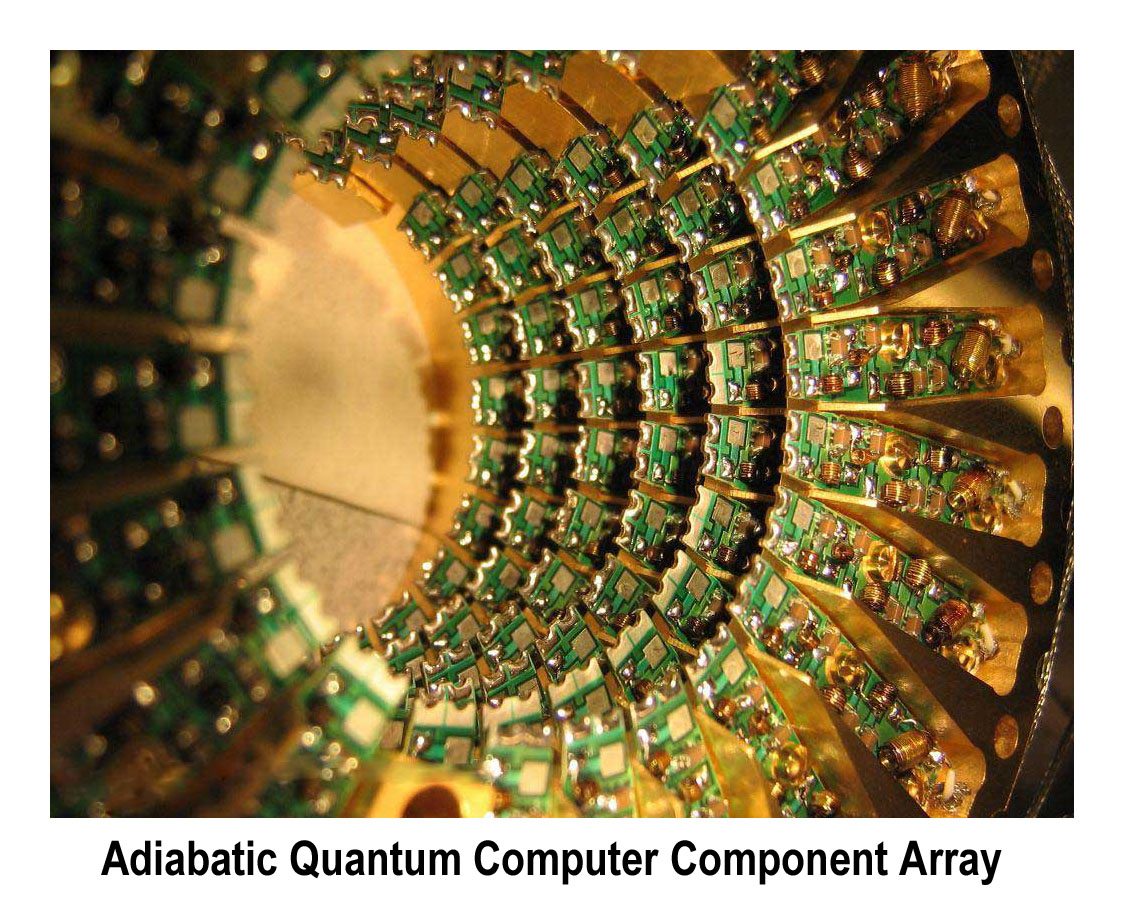
Quantum computing Adiabatic quantum computer component array: methodology is certainly going to be a gigantic leap for next gen development.

via nvonews

Fascinating rhythm: Light pulses illuminate a rare black hole
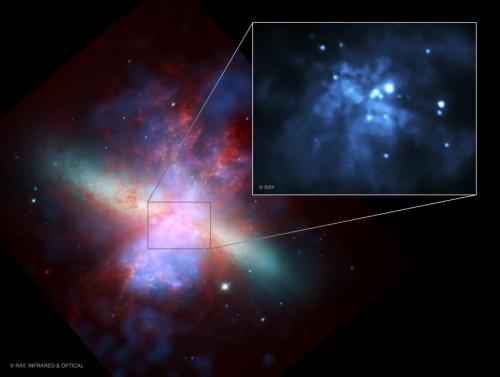
This image of the galaxy Messier 82 is a composite of data from the Chandra X-Ray Observatory, the Hubble Space Telescope and the Spitzer Space Telescope. The intermediate-mass black hole M82 X-1 is the brightest object in the inset, at approximately 2 o'clock near the galaxy's center. (Credit: NASA/H. Feng et al.)
This image of the galaxy Messier 82 is a composite of data from the Chandra X-Ray Observatory, the Hubble Space Telescope and the Spitzer Space Telescope. The intermediate-mass black hole M82 X-1 is the brightest object in the inset, at approximately 2 o’clock near the galaxy’s center. (Credit: NASA/H. Feng et al.)
via phys

Physics in the News

Friday, August 15, 2014

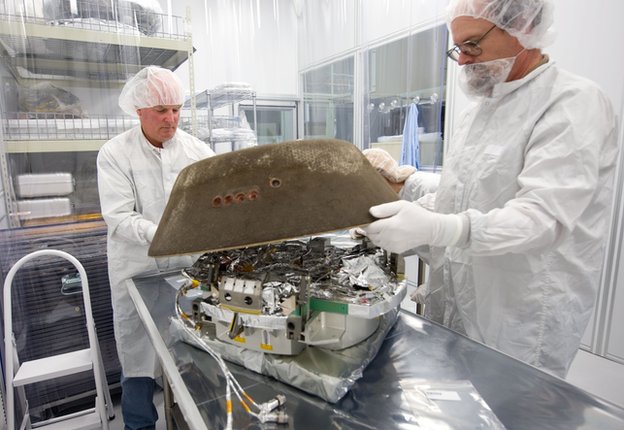
Cosmic grains pre-date Solar System

Scientists may have identified the first known dust particles from outside our Solar System, in samples returned to Earth by a Nasa space mission. (Credit: NASA)
via bbc

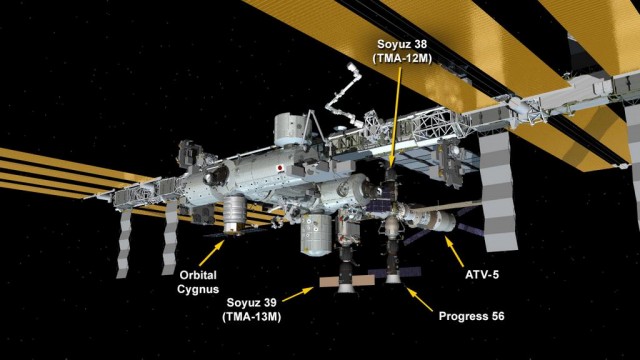
Every parking spot at the International Space Station is currently occupied

Here’s an awesome photo to start your day: The International Space Station currently has five spacecraft docked to it — the most that can be currently attached. If any of the world’s space agencies, or private companies like SpaceX were to send up another spacecraft today, they’d need to circle until another parking space becomes available. (Credit: NASA)
via extremetech

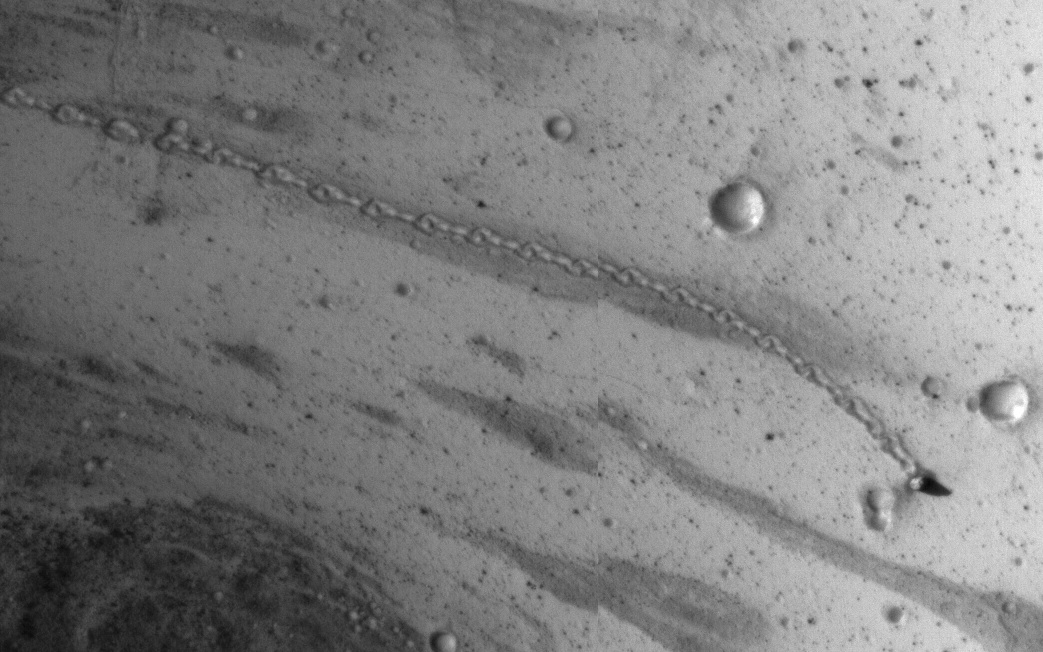
Massive trail of a boulder as it tumbles down a hill spotted by space probe above the red planet

NASA’s Mars Reconnaissance Orbiter spotted the trail from an oblong boulder that rolled down a slope on the Red Planet. The image was taken on July 3, 2014. (Credit: NASA)
via space

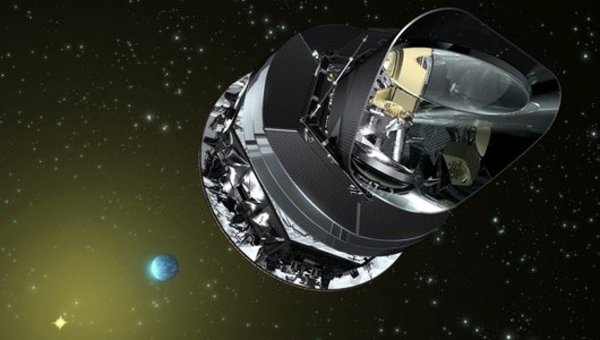
Planck’s early universe exploration ‘great landmark’ in human history

“This piece of information, that has always been a dream, and never was thought of as being within human grasp. But here in the year 2014 on finds that perhaps this mission is going to be telling us how the universe started,” said Harwit, who is an expert in infrared astronomy and works as a member of the ESA’s Submillimeter Wave Astronomical Satellite, as well as on the Herschel Telescope. (Credit: East News/ Science Photo Library)
via en.ria

Mars orbiters plan for their October encounter with comet Siding Spring(VIDEO)

via planetary

Microsoft Research turns 2D camera into depth sensor (VIDEO)

via i-programmer

Rise of the machines? Watch a 1000 Tiny robot horde swarms to form shapes (VIDEO)

via reuters

Are processors pushing up against Moore’s Law and the limits of physics?

Plot of CPU transistor counts against dates of introduction. Note the logarithmic vertical scale; the line corresponds to exponential growth with transistor count doubling every two years. Transistor counts for integrated circuits plotted against their dates of introduction. The curve shows Moore's law - the doubling of transistor counts every two years. The y-axis is logarithmic, so the line corresponds to exponential growth. (Credit: Wgsimon)
Plot of CPU transistor counts against dates of introduction. Note the logarithmic vertical scale; the line corresponds to exponential growth with transistor count doubling every two years.  The curve shows Moore’s law – the doubling of transistor counts every two years. The y-axis is logarithmic, so the line corresponds to exponential growth. (Credit: Wgsimon)
via arstechnica

Molecular engineers record an electron’s quantum behavior

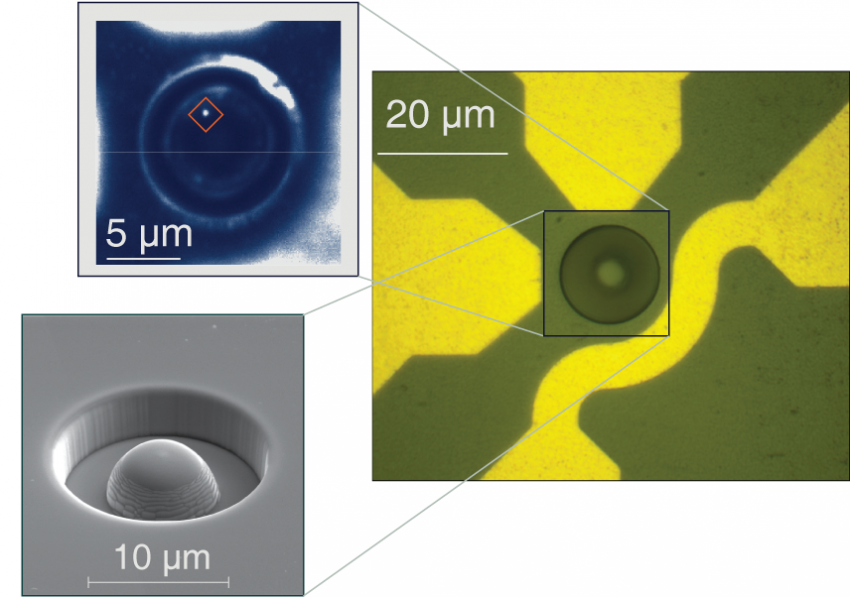
These images show a diamond sample with a hemispherical lens (right and lower left), and the location of a single electron spin/quantum state visible through its light emission (upper left). The scale bar on the image at upper left measures five microns, the approximate diameter of a red blood cell. (Credit: Courtesy of Awschalom Lab/University of Chicago)
via phys

NASA’S NuSTAR catches a black hole bending light, space, and time

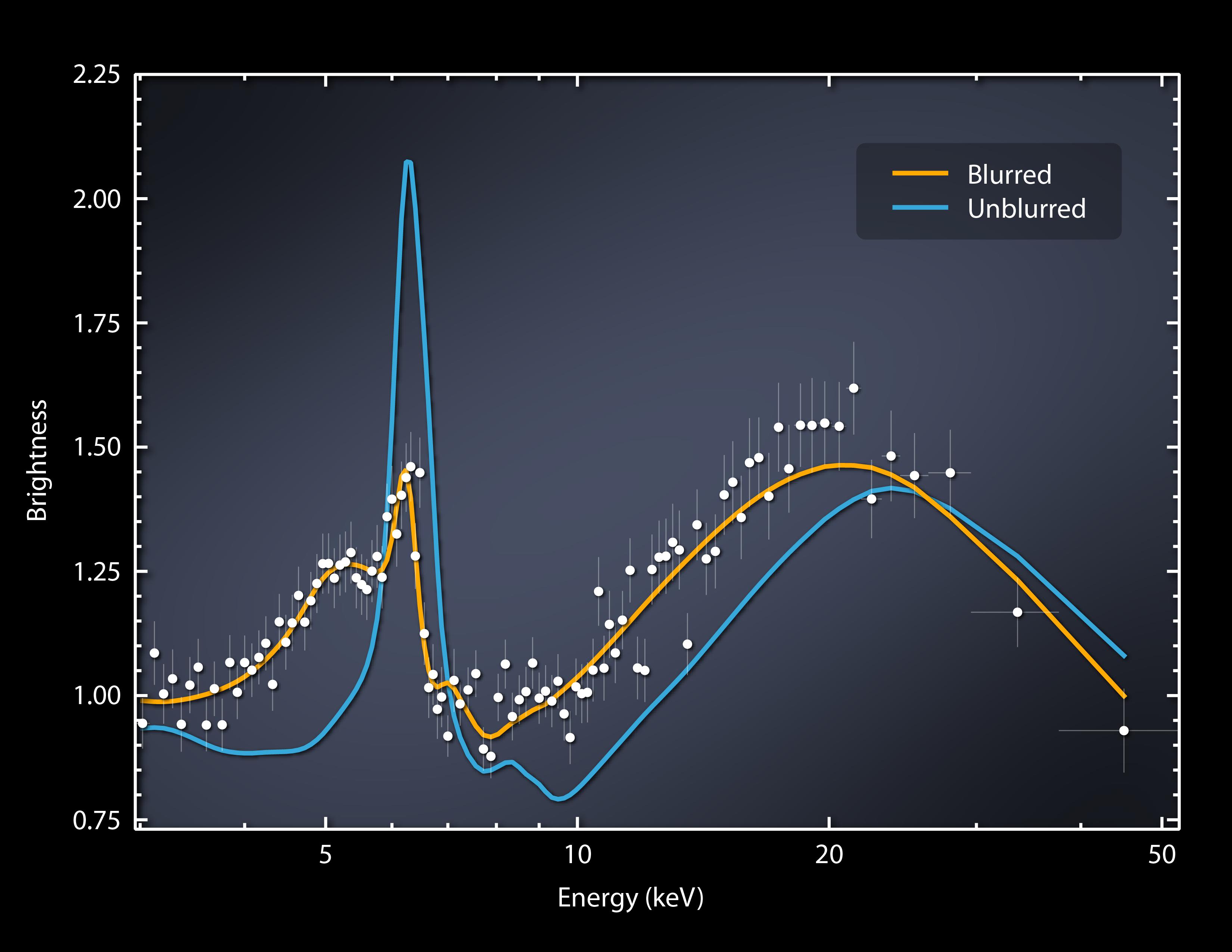
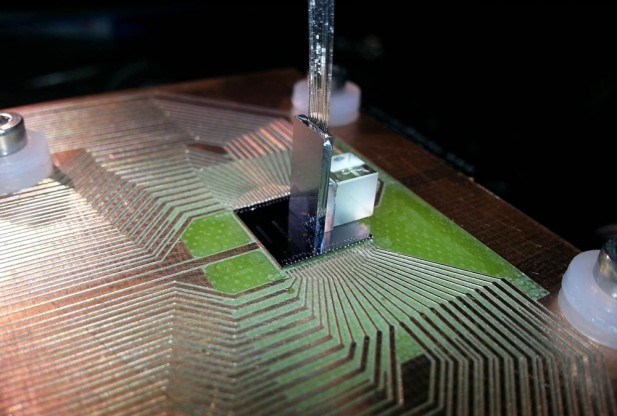
This plot of data captured by NASA’s Nuclear Spectroscopic Telescope Array, or NuSTAR, shows X-ray light streaming from regions near a supermassive black hole known as Markarian 335. (Credit: NASA)
via universetoday

Physics in the News

Tuesday, August 12, 2014

The smallest possible scale in the universe

Every once in a while I think that there maybe is no fundamentally smallest unit of length; that all these arguments for its existence are wrong. I like to think that we can look infinitely close into structures and will never find a final theory, turtles upon turtles, or that structures are ultimately self-similar and repeat.(Credit: Sabine Hossenfelder)
Every once in a while I think that there maybe is no fundamentally smallest unit of length; that all these arguments for its existence are wrong. I like to think that we can look infinitely close into structures and will never find a final theory, turtles upon turtles, or that structures are ultimately self-similar and repeat.(Credit: Sabine Hossenfelder, Sanghyuk Moon)
via medium

Cosmologist Laura Mersini-Houghton claims black holes do not exist(VIDEO)

via thewatchers

Europe’s last cargo ship reaches space station

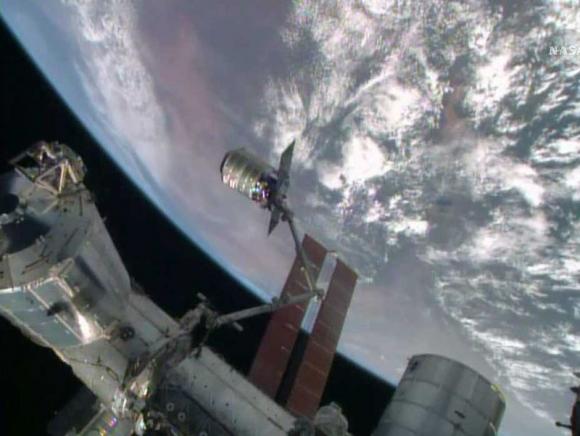
The International Space Station's robotic arm, Canadarm2, grapples the Orbital Sciences' Cygnus cargo craft, as seen in this still image taken from NASA TV July 16, 2014.  (Credit: Reuters/NASA TV/Handout via Reuters)
The International Space Station’s robotic arm, Canadarm2, grapples the Orbital Sciences’ Cygnus cargo craft, as seen in this still image taken from NASA TV July 16, 2014. (Credit: Reuters/NASA TV/Handout via Reuters)

via reuters

Follow the radio waves to exomoons, astrophysicists say

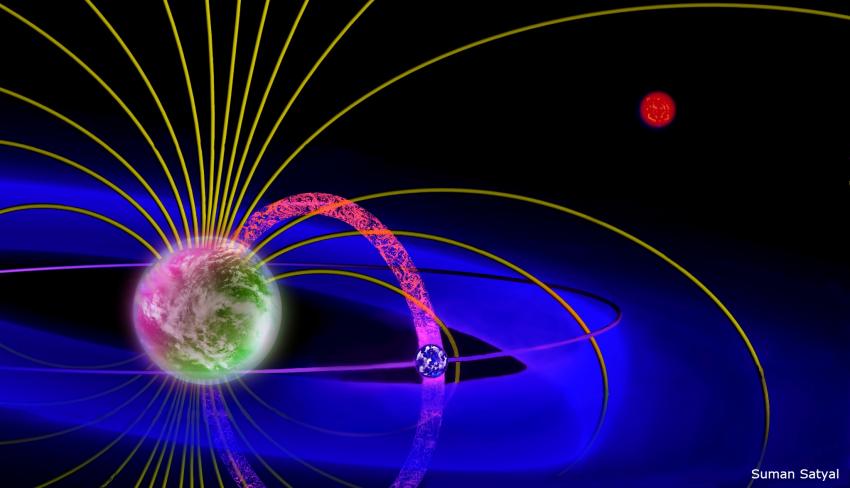
This is a schematic of a plasma torus around an exoplanet, which is created by the ions injected from an exomoon's ionosphere into the planet's magnetosphere. (Credit: UT Arlington)
This is a schematic of a plasma torus around an exoplanet, which is created by the ions injected from an exomoon’s ionosphere into the planet’s magnetosphere. (Credit: UT Arlington)

via phys

NASA is contest-sourcing solutions to its deepest problems

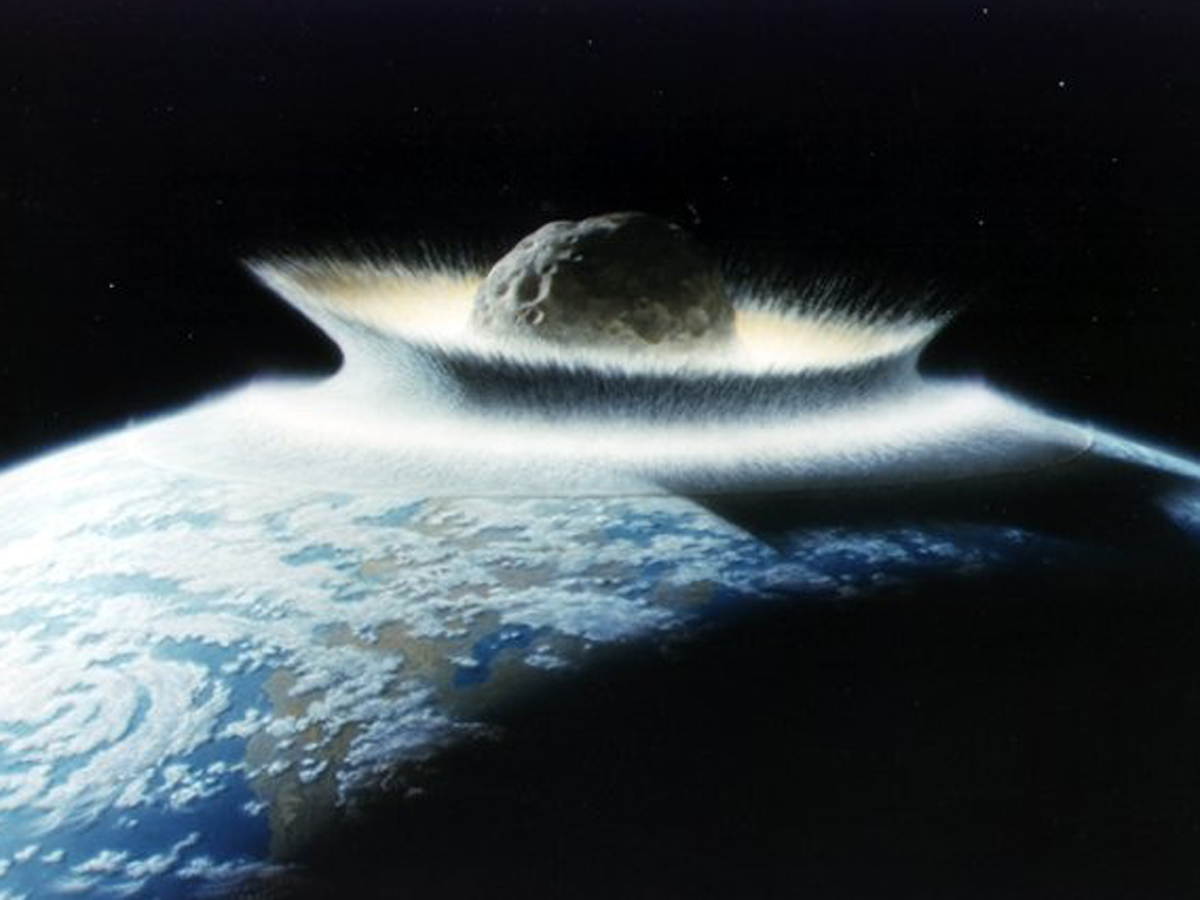
(Credit: NASA/Don Davis)
“As NASA continues to push the boundaries of human imagination and innovation, we have seen the value in utilizing a citizen-based professional crowd to complement our internal efforts and solve complex real-world challenges,” Jason Crusan, director of NASA’s Tournament Lab. (Credit: NASA/Don Davis)
via motherboard

Schrödinger’s cat explained on physicist’s 127th birthday(VIDEO)

via cbc

Beyond six nines: Ultra-enriched silicon paves the road to quantum computing

NIST researcher Kevin Dwyer with the silicon enrichment apparatus. The process begins at the left, where natural-abundance silicon in the form of silane gas (SiH4) is ionized. The ions pass through a magnetic field (top left), which causes their paths to curve to different degrees based on their mass. The silicon-28 ions, now separated from the other silicon isotopes, are decelerated through an ultra-high vacuum chamber (top center) and into the deposition chamber (top right) (Credit: Pomeroy, NIST, Dwyer)
via phys

NASA’s NuSTAR sees rare blurring of black hole light
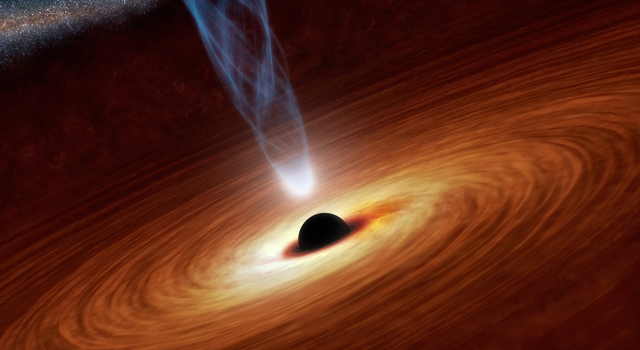
This artist’s concept illustrates a supermassive black hole with millions to billions times the mass of our sun. Supermassive black holes are enormously dense objects buried at the hearts of galaxies. (Credit: NASA/JPL-Caltech)
via pasadenanow

 From eons to seconds, proteins exploit the same forces

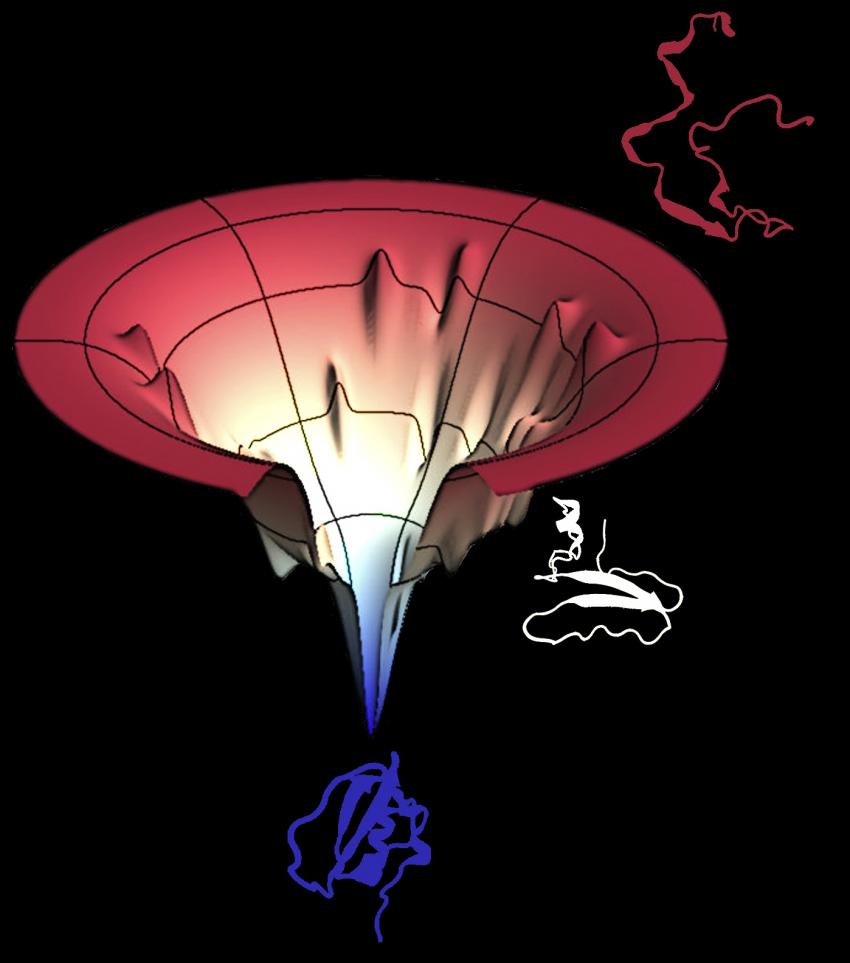
A protein folding funnel, the product of algorithms created by Rice’s Center for Theoretical Biological Physics, is a graphic representation of the energy landscape a protein navigates as it goes from its initial floppy state to a folded, functional unit. The funnel shows smooth slopes as well as outcroppings where parts of a protein may pause while others catch up, and also traps that could cause a protein to misfold. New Rice research shows how the interplay between evolution and physics developed the skills necessary to conserve useful proteins. (Credit: Center for Theoretical Biological Physics/Rice University)
via phys

Physics in the News

Monday, August 11, 2014

Physicists create water tractor beam

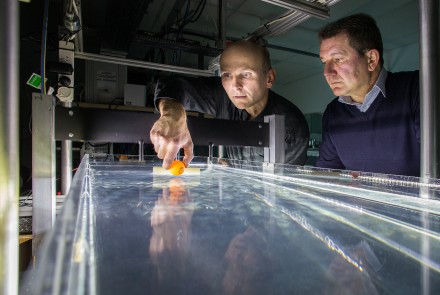
Dr Horst Punzmann (left) and Professor Michael Shats test their wave-generated tractor beam. (Credit: Stuart Hay)
via anu

Amazing HD footage of ‘Flying Saucer’

via sky

The craziest NASA mission ever proposed

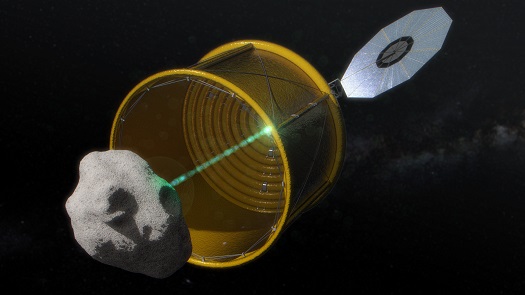
In this concept image, the robotic vehicle deploys an inflatable bag to envelop a free-flying small asteroid before redirecting it to a distant retrograde lunar orbit. (Credit: NASA)
via sciencenews

Scientists unravel mystery of universe’s existence

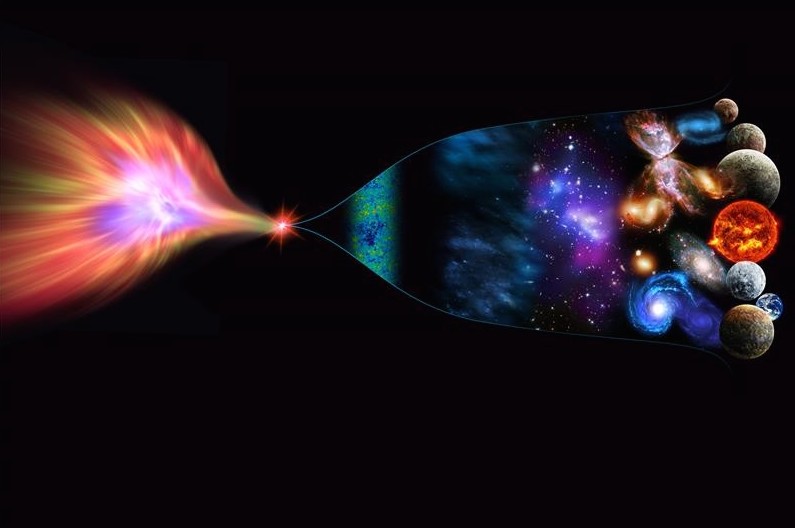
Researchers from Three Perimeter Institute have a new idea, and have claimed that what is perceived as the big bang, could be the three-dimensional 'mirage' of a collapsing star in a universe profoundly different than our own. (Credit: NASA, ANI)
Researchers from Three Perimeter Institute have a new idea, and have claimed that what is perceived as the big bang, could be the three-dimensional ‘mirage’ of a collapsing star in a universe profoundly different than our own. (Credit: NASA, ANI)
via aninews

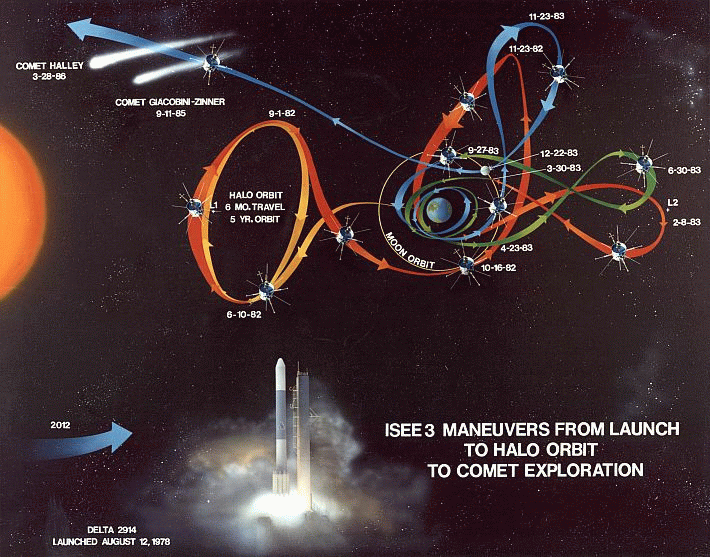
Crowd-funded ISEE-3 reboot mission to begin Sunday after lunar flyby

The International Sun-Earth Explorer 3 (ISEE-3) will have the closest view of the moon at 11:16 a.m. PDT. Members of the rebooted mission partnered with Google to create a website, where they will host a video hangout beginning at 10:30 a.m. PDT. (Credit: ISEE3, NASA)
via arstechnica

The black hole at the beginning of time –“We may have emerged from a black hole in a higher-dimensional universe”
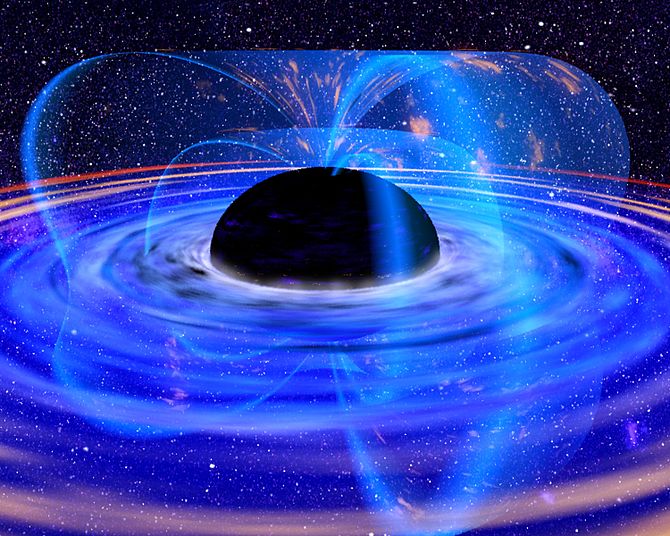
our known universe could be the three-dimensional “wrapping” around a four-dimensional black hole’s event horizon. In this scenario, our universe burst into being when a star in a four-dimensional universe collapsed into a black hole. (Credit: Perimeter Institute)
via dailygalaxy

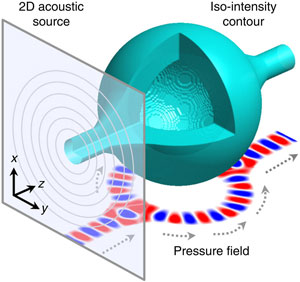
Bendable sound waves can skirt objects and trap particles

Scientists have developed a method to bend sound waves as they travel through open air, and can even create an acoustic “bottle” that can trap and hold tiny particles. (Credit: Xiang Zhang Group)
via spectrum

Researchers propose new architecture for quantum computing based on microscopic defects in diamonds

At the Vienna University of Technology (TU Wien), experiments with nitrogen atoms in diamonds are already being carried out. (Credit: TU Wien)
via redorbit

Physics in the News

Sunday, August 10, 2014

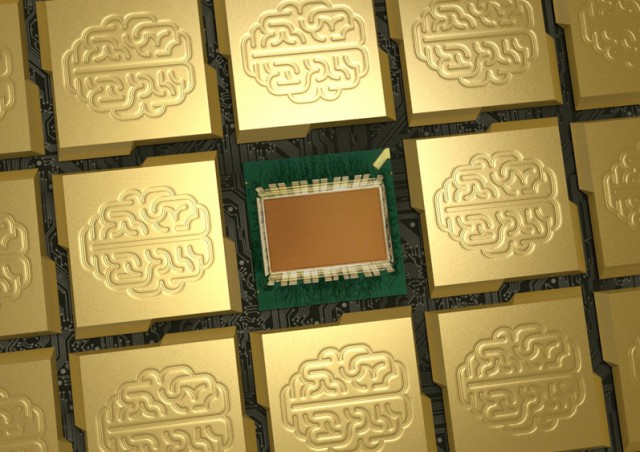
IBM cracks open a new era of computing with brain-like chip: 4096 cores, 1 million neurons, 5.4 billion transistors

IBM's new TrueNorth chip. (Credit: IBM)
IBM’s new TrueNorth chip. (Credit: IBM)
via extremetech

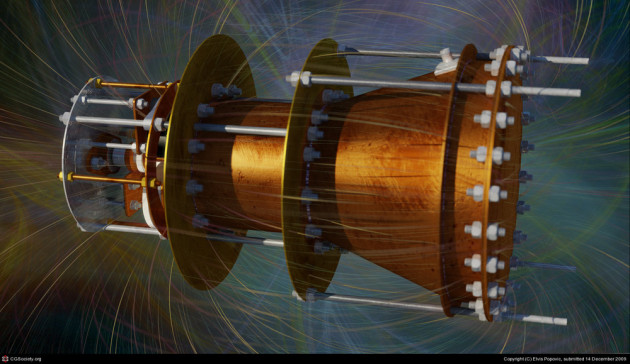
NASA’s “Impossible” engine actually worked

While the separate tests confirm such an engine might be possible, they could be wrong. Still, the mere thought of something that was once considering impossible is now possible should get a lot of people excited. (Credit: NASA)
via technobuffalo

Disney conquers physics, uses 3D printing to create impossible spinning tops

via techcrunch

What if the big bang was a 4D black hole instead?
We could be living in the 3D event horizon of a 4D black hole (Credit: Wikipedia)
via forbes

Watch NASA’s new saucer fly to near space in this awesome video

via boingboing

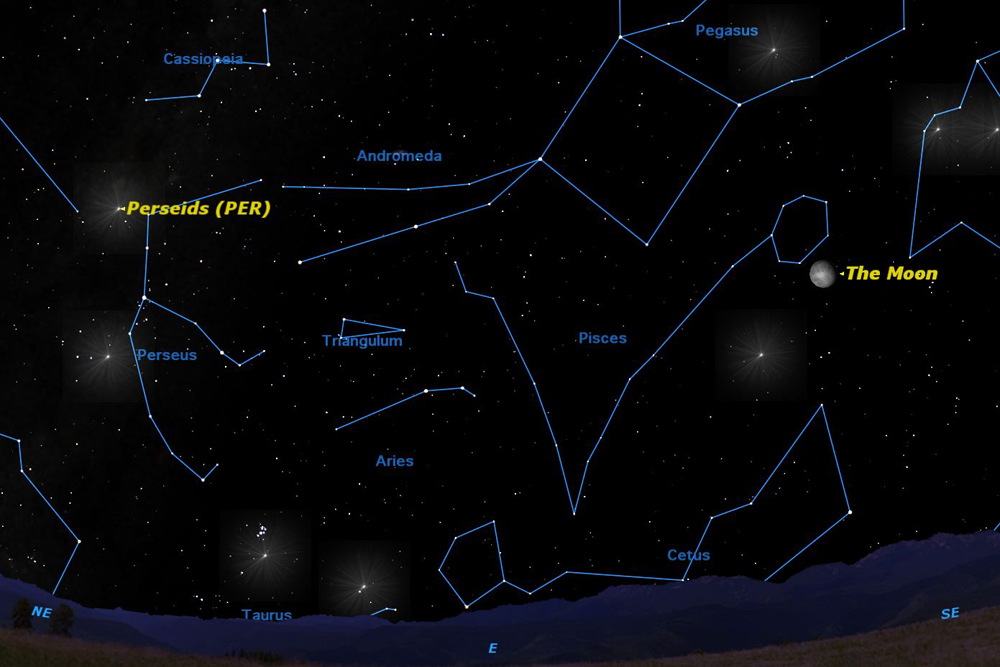
Spot perseid meteors before ‘Supermoon’ rises this weekend

A particularly large bright Moon will interfere with viewing the Perseid meteor shower this year. (Credit: Starry Night)
A particularly large bright Moon will interfere with viewing the Perseid meteor shower this year.
(Credit: Starry Night)
via space

NASA postpones US spacewalks from space station over battery issue

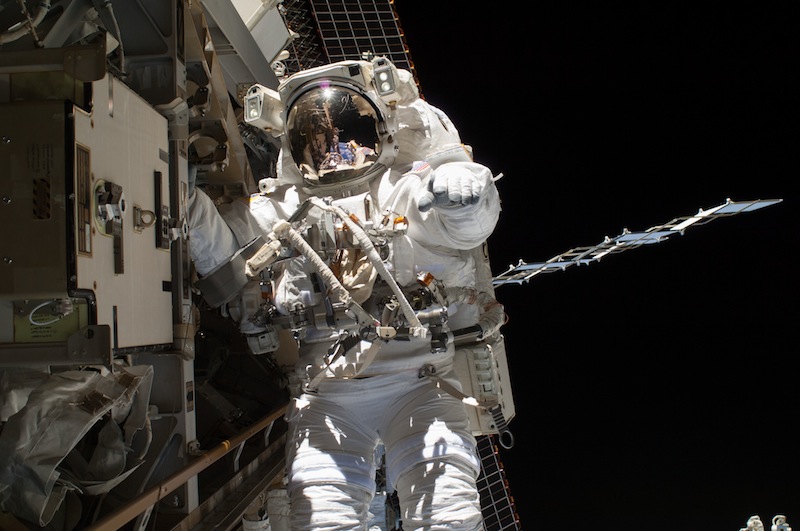
NASA astronaut Steve Swanson on a spacewalk outside International Space Station on April 22, 2014. (Credit: NASA)
via space

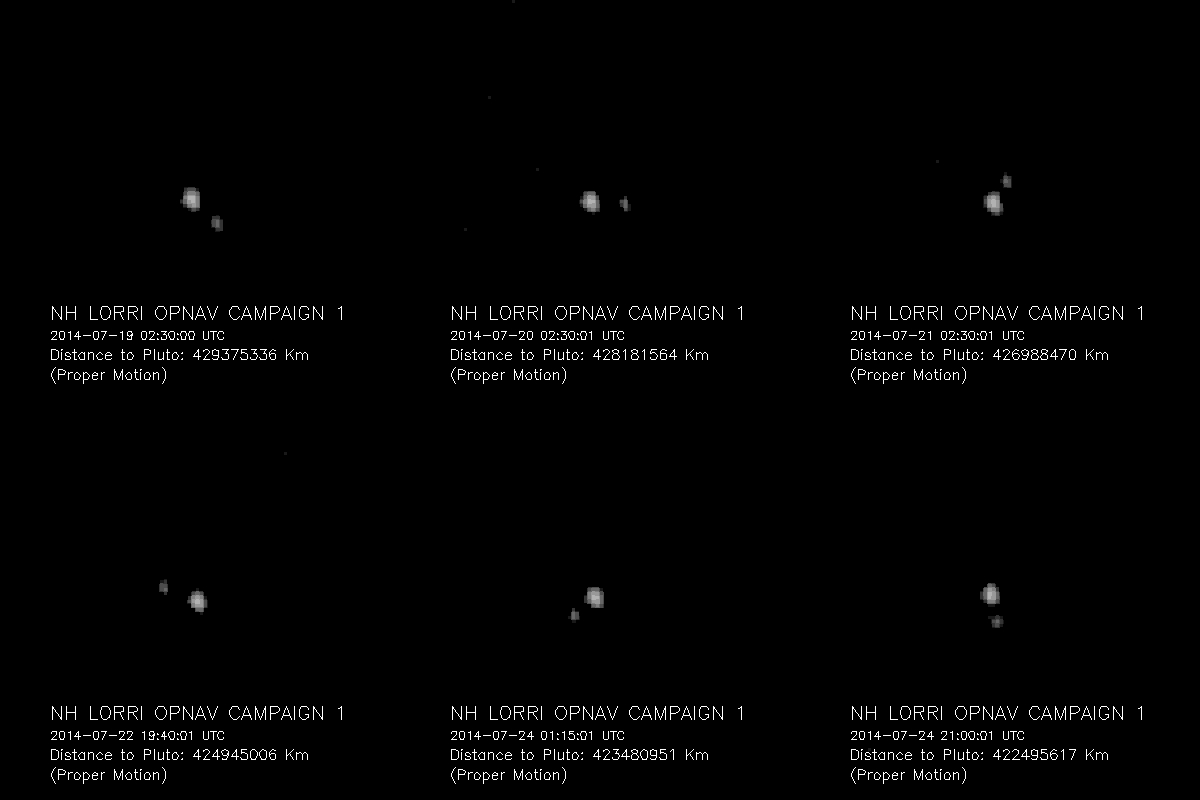
Can we call Pluto and Charon a ‘binary planet’ yet?

 This gif of Pluto and its largest moon, Charon, was taken by NASA's New Horizons spacecraft as it raced toward Pluto in July 2014. (Credit: NASA)
This gif of Pluto and its largest moon, Charon, was taken by NASA’s New Horizons spacecraft as it raced toward Pluto in July 2014. (Credit: NASA)
via discovery

Status Of The Higgs Challenge

via science2.0