Physics in the News

Monday, August 11, 2014

Physicists create water tractor beam
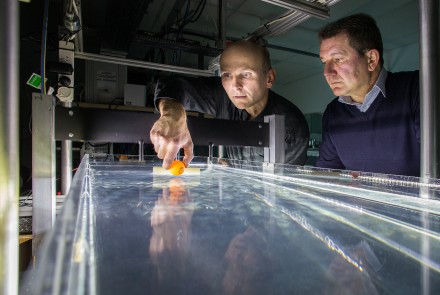
Dr Horst Punzmann (left) and Professor Michael Shats test their wave-generated tractor beam. (Credit: Stuart Hay)
via anu

Amazing HD footage of ‘Flying Saucer’

via sky

The craziest NASA mission ever proposed
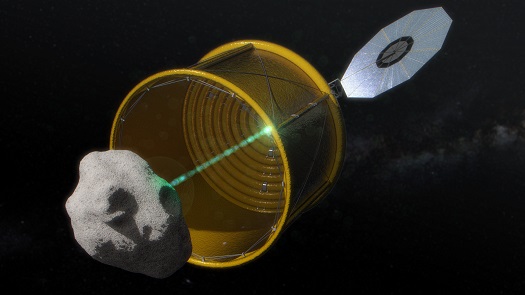
In this concept image, the robotic vehicle deploys an inflatable bag to envelop a free-flying small asteroid before redirecting it to a distant retrograde lunar orbit. (Credit: NASA)
via sciencenews

Scientists unravel mystery of universe’s existence
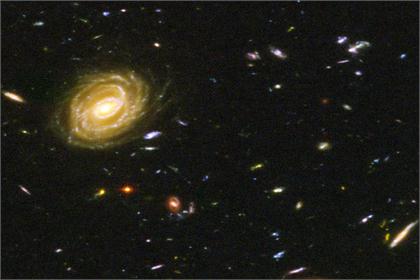
Researchers from Three Perimeter Institute have a new idea, and have claimed that what is perceived as the big bang, could be the three-dimensional 'mirage' of a collapsing star in a universe profoundly different than our own. (Credit: NASA, ANI)
Researchers from Three Perimeter Institute have a new idea, and have claimed that what is perceived as the big bang, could be the three-dimensional ‘mirage’ of a collapsing star in a universe profoundly different than our own. (Credit: NASA, ANI)
via aninews

Crowd-funded ISEE-3 reboot mission to begin Sunday after lunar flyby
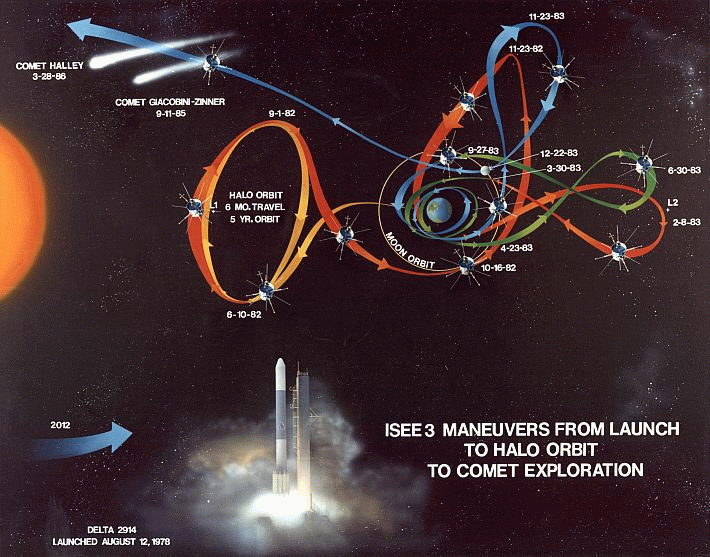
The International Sun-Earth Explorer 3 (ISEE-3) will have the closest view of the moon at 11:16 a.m. PDT. Members of the rebooted mission partnered with Google to create a website, where they will host a video hangout beginning at 10:30 a.m. PDT. (Credit: ISEE3, NASA)
via arstechnica

The black hole at the beginning of time –“We may have emerged from a black hole in a higher-dimensional universe”
our known universe could be the three-dimensional “wrapping” around a four-dimensional black hole’s event horizon. In this scenario, our universe burst into being when a star in a four-dimensional universe collapsed into a black hole. (Credit: Perimeter Institute)
via dailygalaxy

Bendable sound waves can skirt objects and trap particles
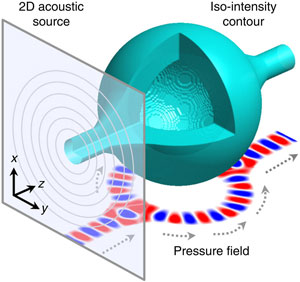
Scientists have developed a method to bend sound waves as they travel through open air, and can even create an acoustic “bottle” that can trap and hold tiny particles. (Credit: Xiang Zhang Group)
via spectrum

Researchers propose new architecture for quantum computing based on microscopic defects in diamonds
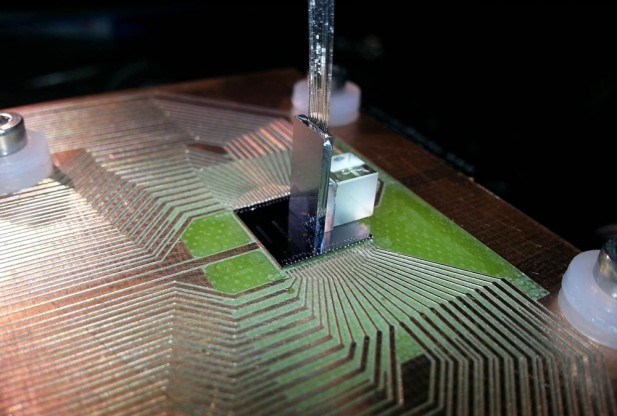
At the Vienna University of Technology (TU Wien), experiments with nitrogen atoms in diamonds are already being carried out. (Credit: TU Wien)
via redorbit

Physics in the News

Tuesday, August 5, 2014

Extracting audio from visual information(VIDEO)

via mit

Technical troubleshooting at the CERN Control Centre

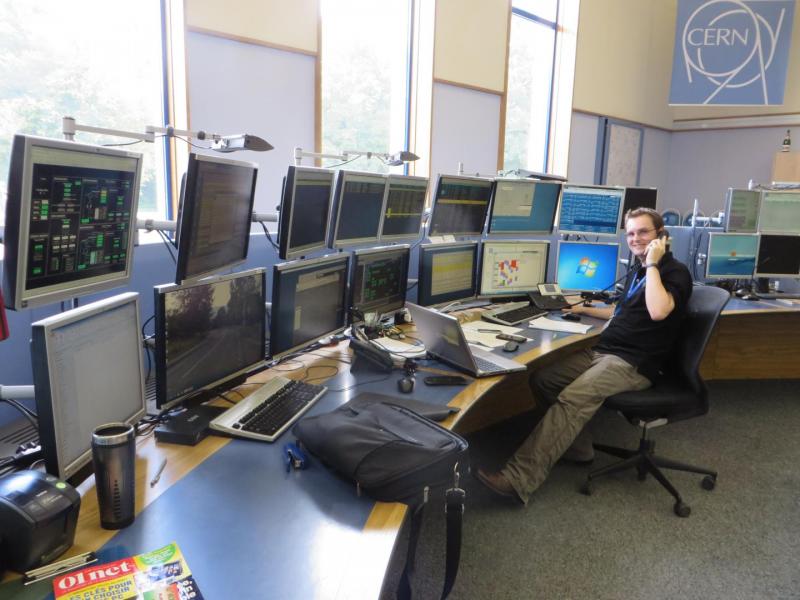
Chris Wetton of CERN's Technical Infrastructure Operation group keeps a keen eye on the monitors at the CERN Control Centre (Image: Stephanie Hills)
Chris Wetton of CERN’s Technical Infrastructure Operation group keeps a keen eye on the monitors at the CERN Control Centre (Credit: Stephanie Hills)
 via cern

3-D codes yield unprecedented physics, engineering insights

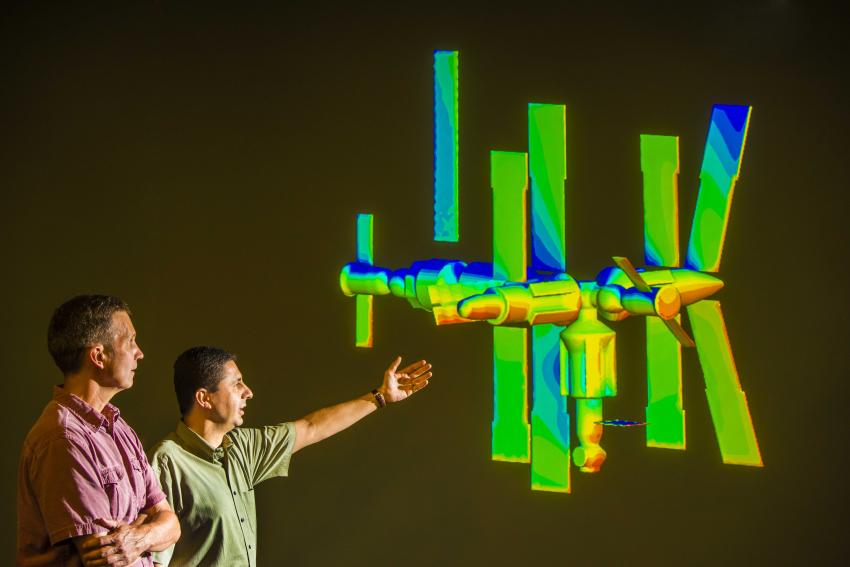
Sandia National Laboratories researchers Steve Plimpton, left, and Michael Gallis look at a projection of a model of the Russian MIR space station, which fell out of orbit several years ago and disintegrated, with the remains ending up at the bottom of the Indian Ocean. Using Sandia’s 3-D code SPARTA, the calculation is simulating an instance of the process of de-orbiting. (Credit: Randy Montoya)
 via phys

Funds awarded to begin construction of Large Synoptic Survey Telescope
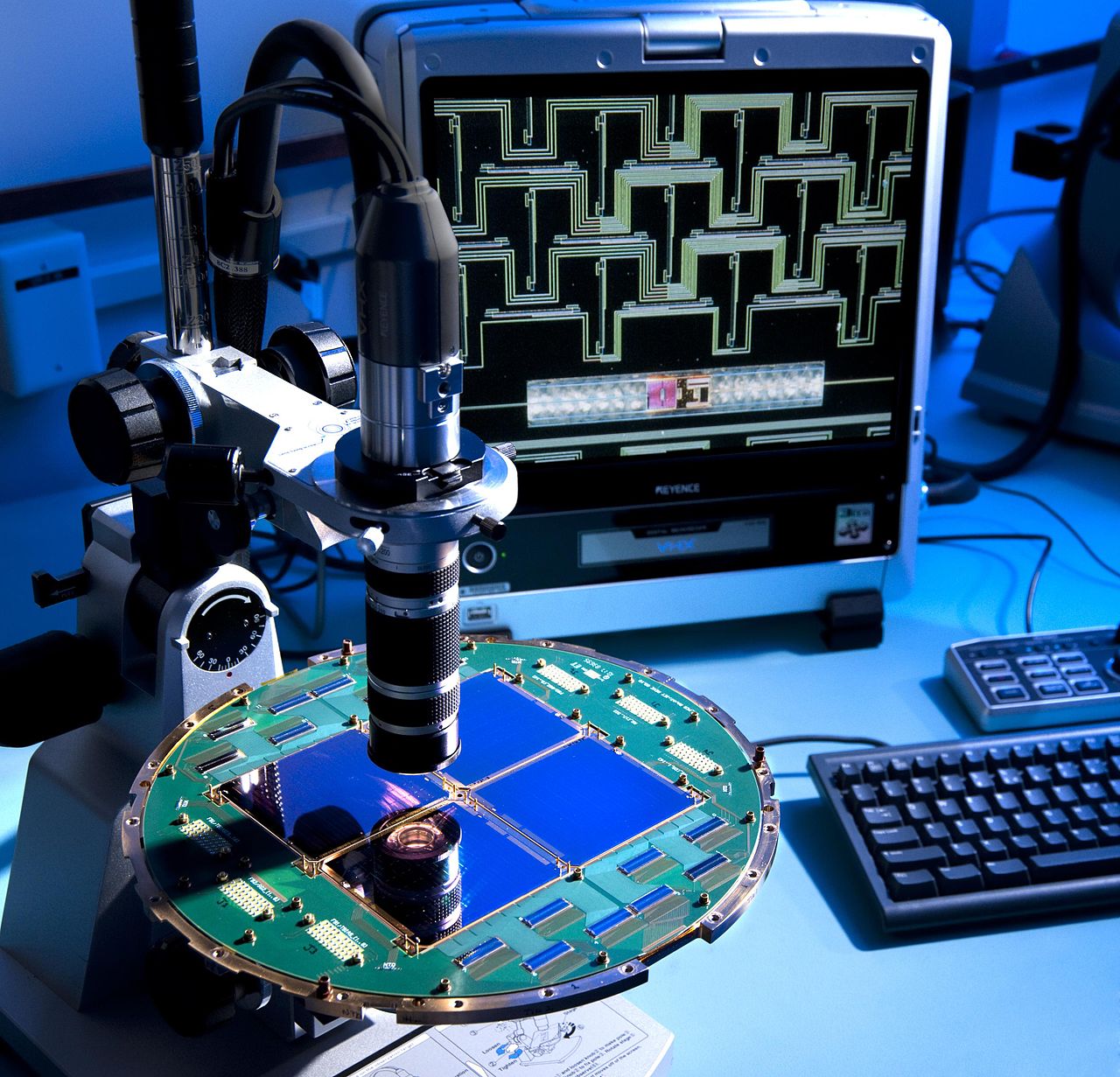
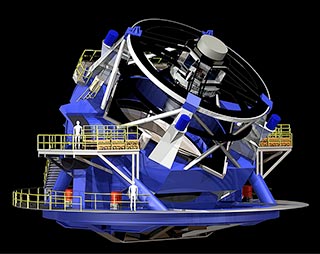
The 8.4-meter LSST will use a special three-mirror design, creating an exceptionally wide field of view. (LSST/rendering)
The 8.4-meter LSST will use a special three-mirror design, creating an exceptionally wide field of view. (Credit: LSST/rendering)
via ucdavis

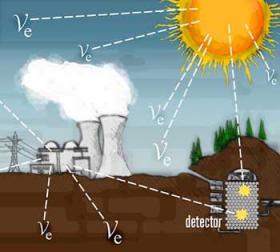
Neutrinos could monitor Iranian nuclear plant

Japanese scientists recently published a paper that showed they could monitor neutrinos by putting a detector in the back of a van and parking it outside the reactor.
via wvtf

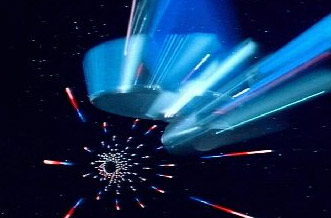
NASA’s quantum drive: Cool your jets

Photo by Paramount Pictures
Of course science has overturned earlier notions of how the Universe works. But sometimes, those rules are shown to be true so much and so often that when you come up with an idea that overthrows all of it, you’d better have iron-clad evidence of it. (Credit: Phil Plait, Paramount Pictures)
via slate

The changing state of a qubit over time

The work verifies theoretical models of the most likely way in which a quantum system will collapse, proving that the probable path can be predicted. This paves the way to actively controlling a quantum system in the future by steering it towards a certain outcome.(Credit: Irfan Siddiqi, UC Berkeley)
via newscientist

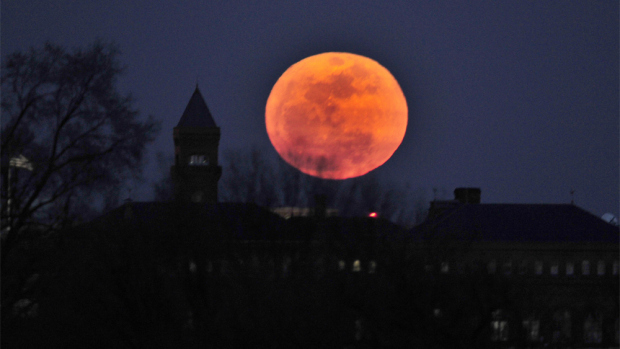
The summer’s second Supermoon to return Sunday afternoon

A perigee moon rises in Washington, DC, on March 19, 2011. A perigee moon is visible when the moon's orbit position is at its closest point to Earth during a full moon phase. The full moon coincided with its closest approach to the Earth, 221,565 miles (356,575 km), making the so-called "super moon" look slightly larger than average. AFP PHOTO / Jewel Samad (Photo credit should read JEWEL SAMAD/AFP/Getty Images)
A perigee moon rises in Washington, DC, on March 19, 2011. A perigee moon is visible when the moon’s orbit position is at its closest point to Earth during a full moon phase. The full moon coincided with its closest approach to the Earth, 221,565 miles (356,575 km), making the so-called “super moon” look slightly larger than average. (Credit: JEWEL SAMAD/AFP/Getty Images)
via cbs

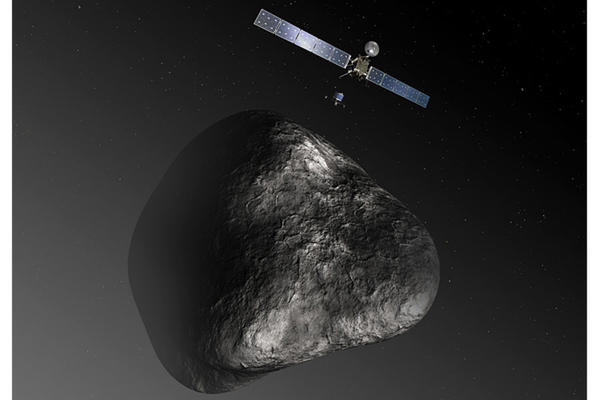
Comet-chasing Euro-probe could make history Wednesday

An artist's impression shows what the Rosetta orbiter will look like when it deploys the Philae lander to a comet later this year. (Credit: ESA)
An artist’s impression shows what the Rosetta orbiter will look like when it deploys the Philae lander to a comet later this year. (Credit: ESA)
via csmonitor

Physics in the News

Monday, August 4, 2014

Elon Musk calls Artificial Intelligence ‘potentially more dangerous than nukes’

Above: Tesla CEO Elon Musk. (Credit: SXSW Livestream)
Tesla CEO Elon Musk. (Credit: SXSW Livestream)
via businessinsider

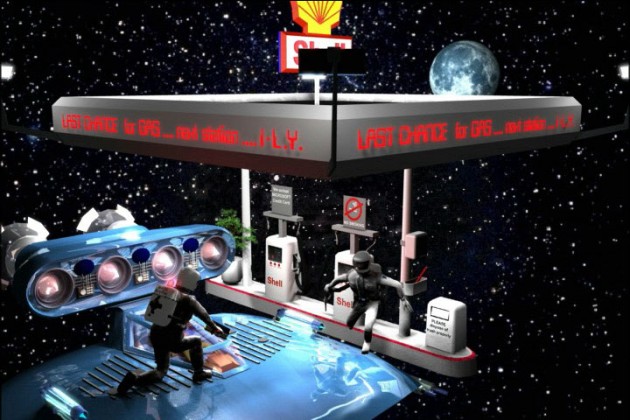
NASA wants to build gas stations in space

NASA hopes to add precious years of functional life to satellites and expand options for operators who face unexpected emergencies, tougher economic demand and aging fleets. (Credit: Bob Granath, Kt-Imaging)
via technobuffalo

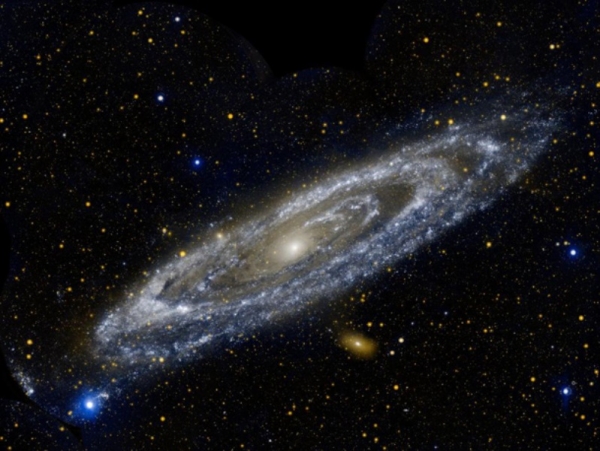
Milky Way galaxy is just half as massive as Andromeda

Andromeda is twice as massive as the Milky Way. Scientists say that Andromeda has twice the mass, made of dark matter, than the Milky Way. (Credit: Phil Plait)
Andromeda is twice as massive as the Milky Way. Scientists say that Andromeda has twice the mass, made of dark matter, than the Milky Way.
(Credit: Phil Plait)
via techtimes

New rule restricting foreign instruments on NASA space probes stirs debate

(Credit: NASA)
(Credit: NASA)
via examiner

General Relativity – Embedding light at the heart of cosmology

Einstein was the first person to propose that ‘empty space’, which does not contain matter or radiation, is not actually empty and in fact has a residual energy.  This empty space is also capable of creating more space from itself. (Credit: benmoat/Shutterstock)
Einstein was the first person to propose that ‘empty space’, which does not contain matter or radiation, is not actually empty and in fact has a residual energy. This empty space is also capable of creating more space from itself. (Credit: benmoat/Shutterstock)
via azooptics

Tiny flying robots are being built to pollinate crops instead of real bees

The RoboBee demonstrates a successful flight next to a quarter for scale. (Credit: Harvard University)
 via iphoneeinstein

Europe’s Rosetta probe reaches climax of its comet-chasing mission

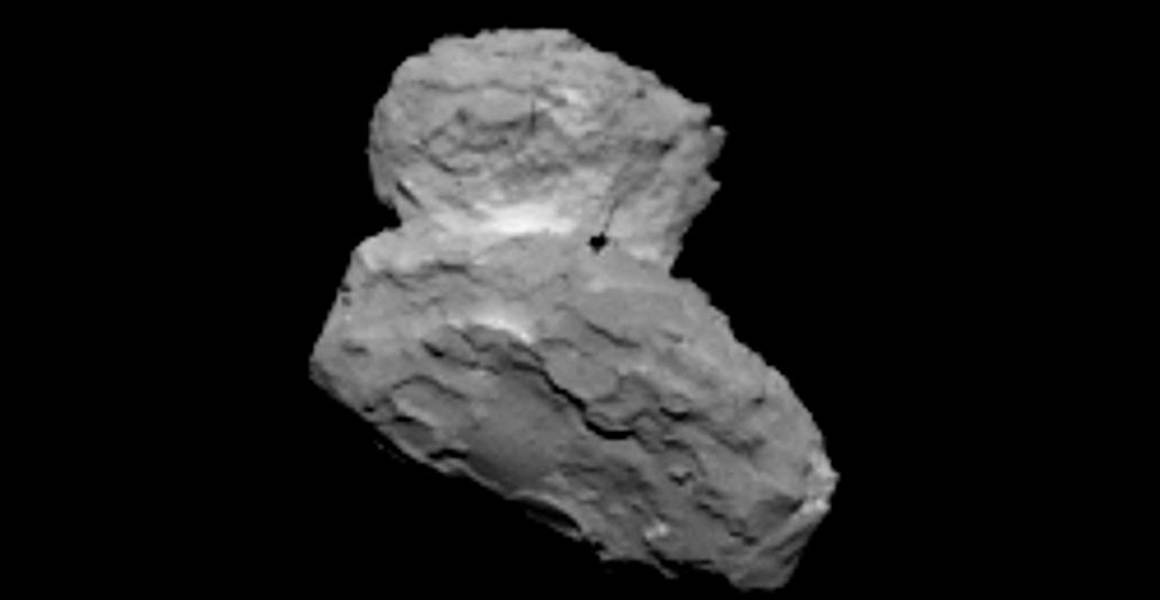
The Rosetta spacecraft is scheduled to rendezvous with Comet 67P/Churyumov-Gerasimenko on Wednesday. If all goes according to plan, Rosetta will become the first probe ever to orbit a comet — and, in November, the first to drop a lander onto the surface of one of these icy wanderers. (Credit: ESA)

via nbcnews

 Absence of Russia instrument onboard NASA Mars Rover not related to politics 

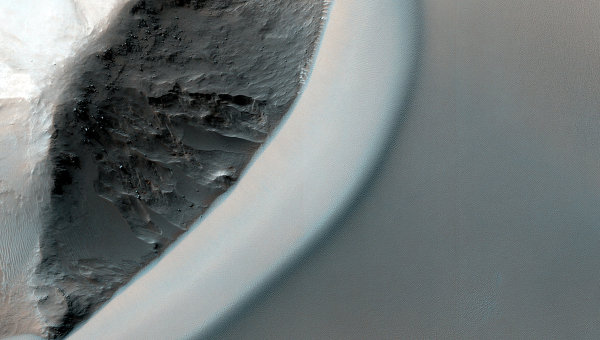
Photo of the Mars surface, Made with HiRise Camera. (Credit: NASA JPL/University of Arizona)
via ria

The holographic augmented reality future has arrived (Again)

via physicsworld

Physics in the News

Wednesday July 30, 2014

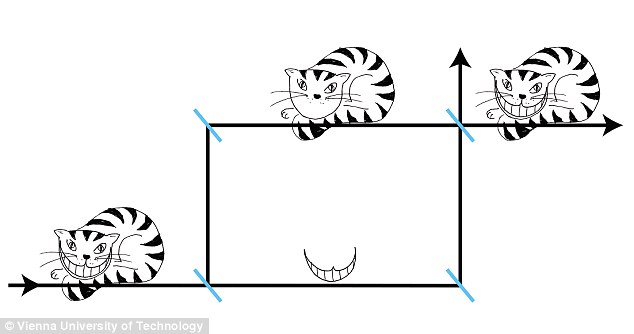
Mystery of the ‘Cheshire Cat’ of quantum physics solved: Scientists manage to separate a particle from its spin

Scientists have observed for the first time a weird quantum phenomenon known as the 'Cheshire Cat' effect (illustration shown). The 'cat' in question was a subatomic neutron particle, and the ghostly 'grin' the particle’s magnetic moment, which describes the strength of its coupling to an external magnetic field. (Credit: Vienna U)
Scientists have observed for the first time a weird quantum phenomenon known as the ‘Cheshire Cat’ effect (illustration shown). The ‘cat’ in question was a subatomic neutron particle, and the ghostly ‘grin’ the particle’s magnetic moment, which describes the strength of its coupling to an external magnetic field. (Credit: Vienna U)
via livescience

Astronomers puzzle over new breed of massive stars

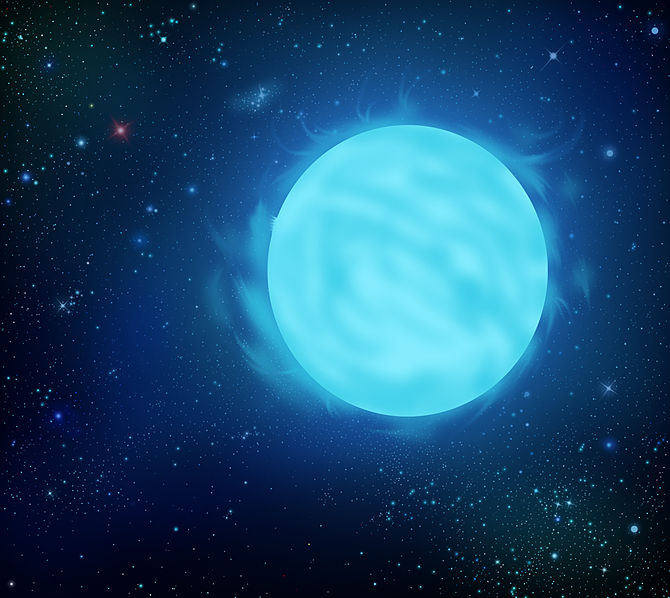
Illustration of Wolf-Rayet star R136a1, the most massive star known. (Credit: Wikipedia)
via forbes

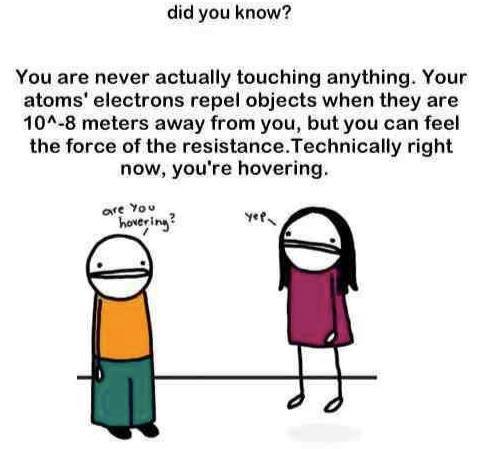
Can you touch your nose?

(Credit: IFL)
(Credit: IFL)
via backreaction

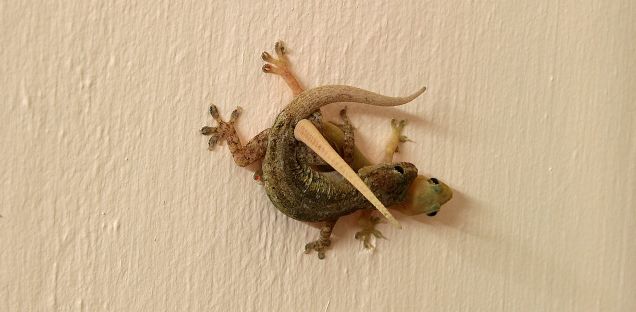
Why Russia was studying space lizard sex In the first place

NASA is studying the effects of radiation on sperm. Freeze-dried mouse sperm are spending one, 12, and 24 months on the ISS before being used to fertilize mouse eggs back home. (Credit: Wei Ming/Shutterstock)
via gizmodo

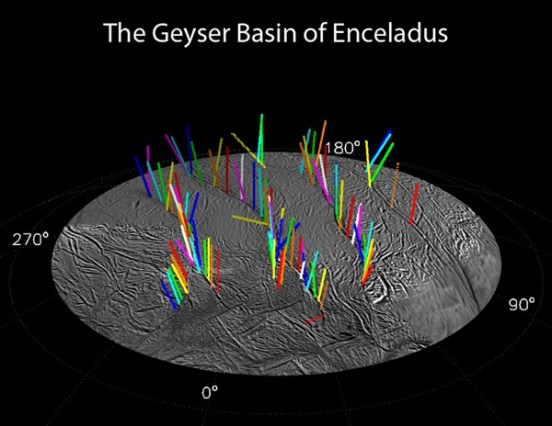
101 geysers identified on Saturn’s icy moon Enceladus

This graphic shows a 3-D model of 98 geysers whose source locations and tilts were found in a Cassini imaging survey of Enceladus' south polar terrain by the method of triangulation. While some jets are strongly tilted, it is clear the jets on average lie in four distinct "planes" that are normal to the surface at their source location. (Credit: NASA)
This graphic shows a 3-D model of 98 geysers whose source locations and tilts were found in a Cassini imaging survey of Enceladus’ south polar terrain by the method of triangulation. While some jets are strongly tilted, it is clear the jets on average lie in four distinct “planes” that are normal to the surface at their source location. (Credit: NASA)
via nasa

Electrical storm’ of thoughts deep within a zebrafish’s brain as 80,000 neurons fire off (VIDEO)

via wired

Exoskeleton gives super strength, latest facial recognition software beats the human eye

via euronews

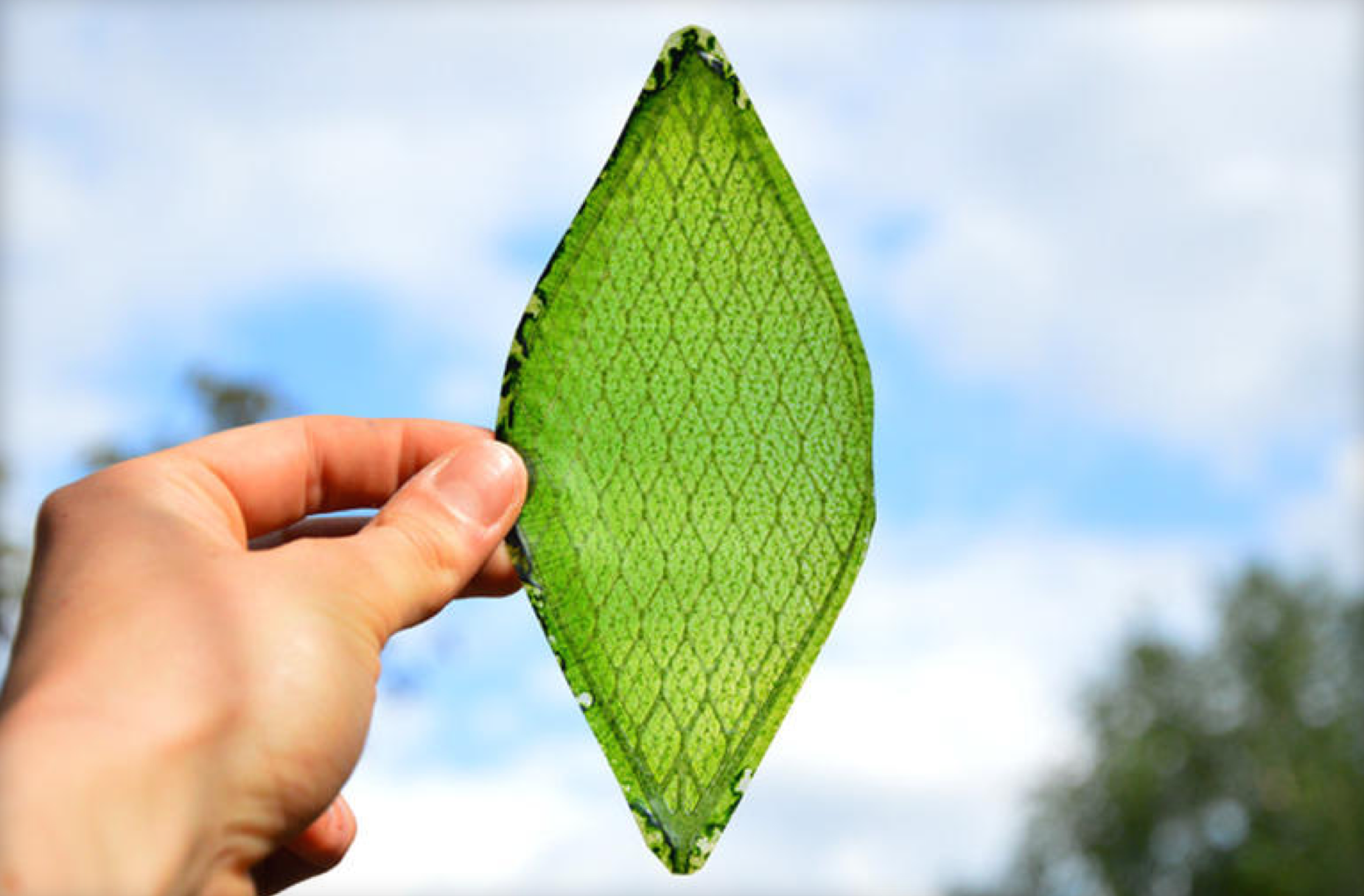
Man-made ‘breathing’ leaf is an oxygen factory for space travel

This man-made leaf could help us breathe in space. (Credit: Julian Melchiorri/Dezeen/MINI)
via cnet

Vintage NASA Probe Out of Gas, But Still Alive, Private Team Says

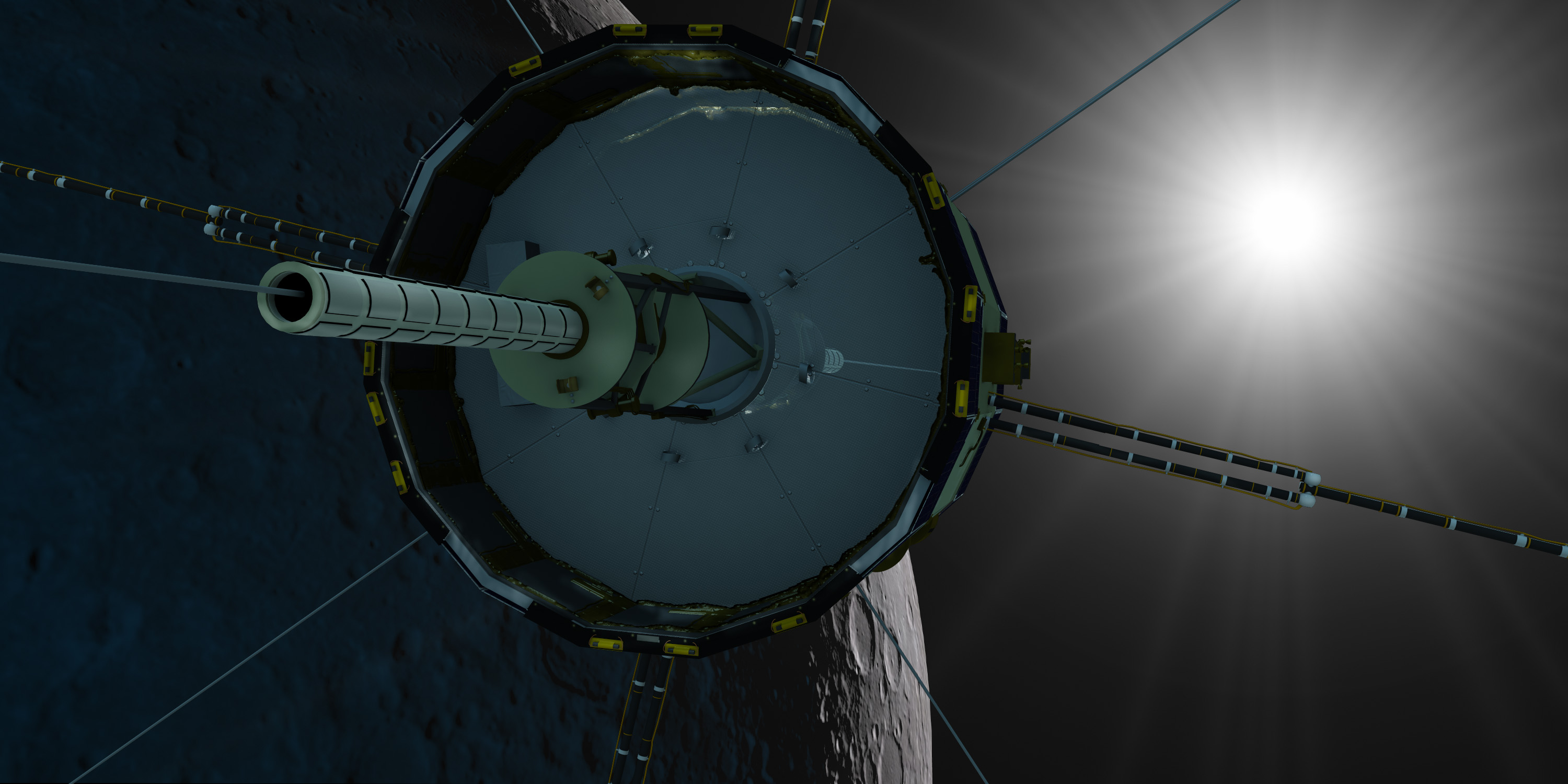
An artist's depiction of NASA's International Sun-Earth Explorer 3 spacecraft as it flies through space. The volunteer ISEE-3 Reboot Project, which hoped to move the probe closer to Earth, now says the spacecraft is out of gas. (Credit: NASA)
An artist’s depiction of NASA’s International Sun-Earth Explorer 3 spacecraft as it flies through space. The volunteer ISEE-3 Reboot Project, which hoped to move the probe closer to Earth, now says the spacecraft is out of gas. (Credit: NASA)
via space


Physics in the News

Sunday, July 27, 2014

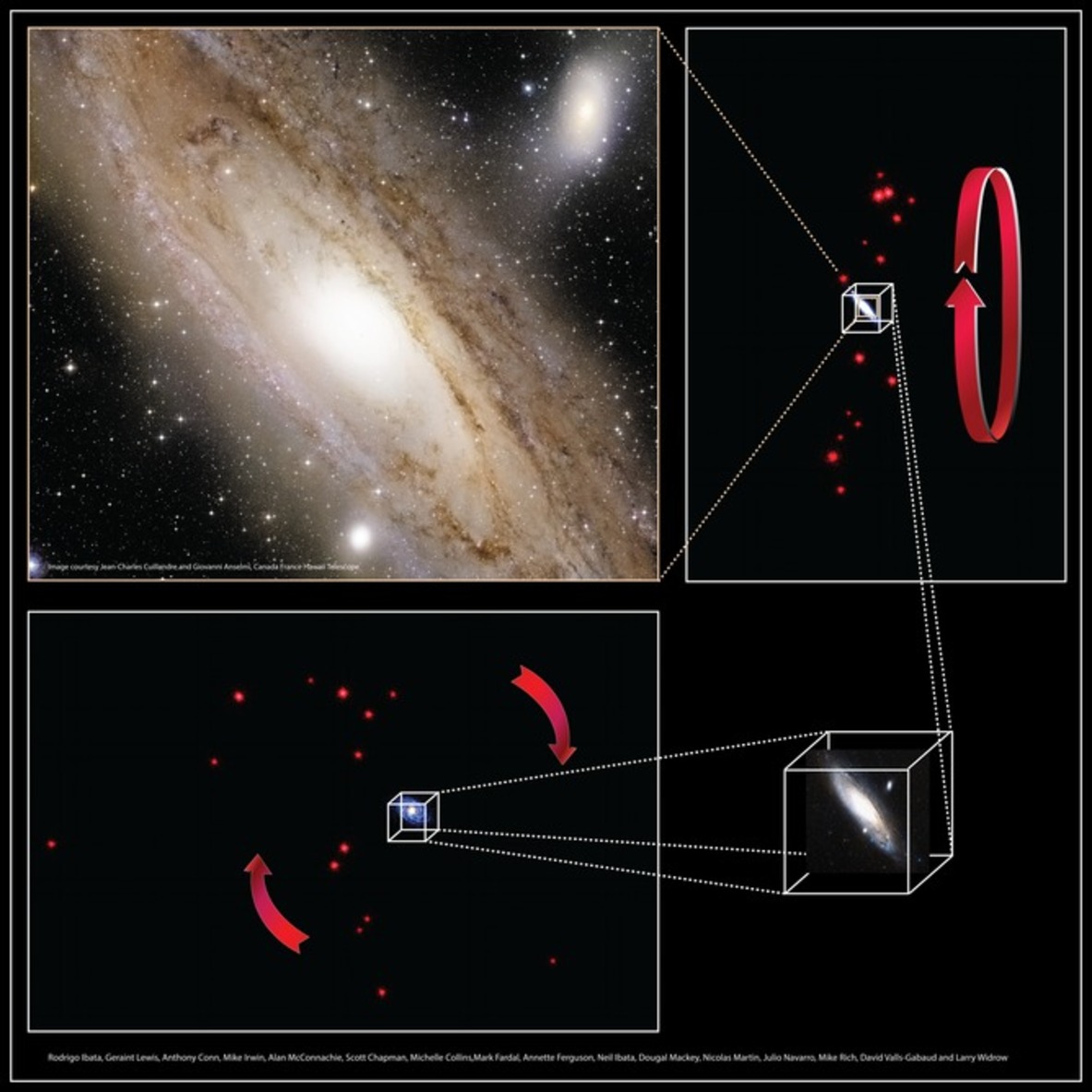
A cosmic two-step: The universal dance of the Dwarf Galaxies

The coherent dance of dwarf orbits around the Andromeda Galaxy. (Credit: R. Ibata/Nature)
via theepochtimes

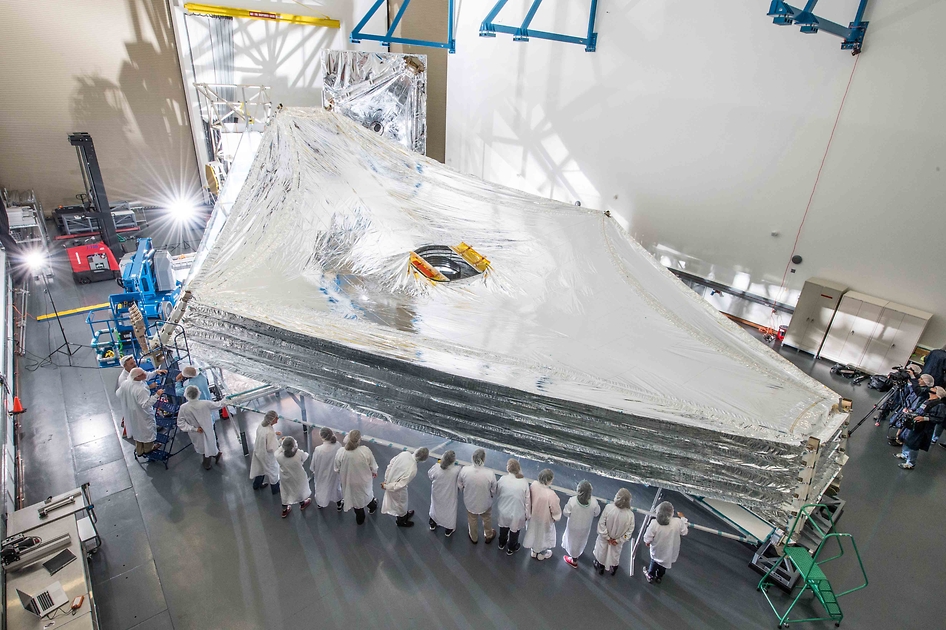
Webb Sunshield Stacks Up to Test!

The James Webb Space Telescope (sometimes called JWST) is an orbiting infrared observatory that will complement and extend the discoveries of the Hubble Space Telescope, with longer wavelength coverage and greatly improved sensitivity.(Credit: NASA/Chris Gunn)
via nasa

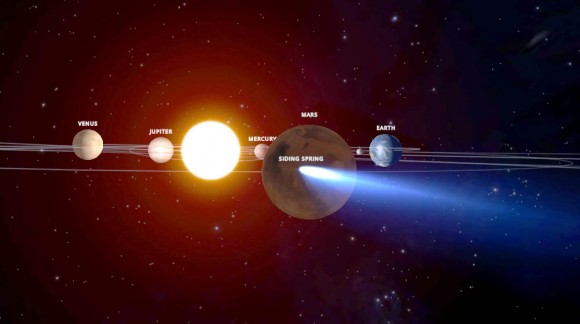
NASA Preps for nail-biting comet flyby of Mars

Simulation depicts comet C/2013 A1 Siding Spring during its close Mars flyby on Oct. 19. Its nucleus will miss Mars by about 82,000 miles (132,000 kilometers). The comet’s trail of dust particles shed by the nucleus might be wide enough to reach the planet. Click to see the interactive, animated view. (Credit: Solarsystemscope.com)
via universetoday

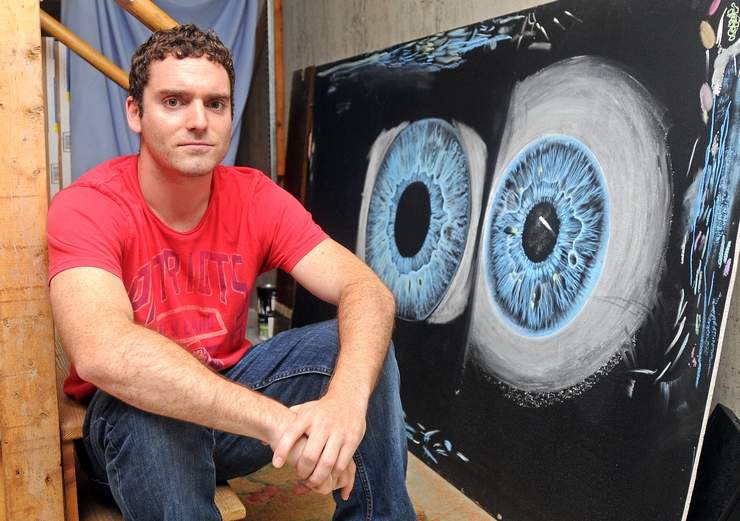
Princeton man drawing attention to outer space

Justin Dowd, a Princeton man who won a contest and will be traveling into outer space next year, sits next to an illustration used in the opening scene of his educational video. (Credit: T&G Staff/STEVE LANAVA)

via telegram

Sometimes a typo means you need to blow up your own spacecraft

via vice

Listening in on cosmic messages

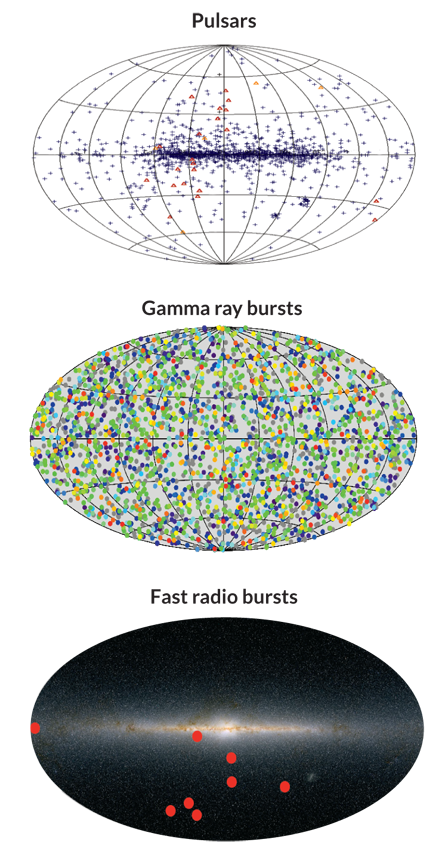
Mapping signals on the sky can offer clues about where the signals originate. Pulsars (top) concentrate in the Milky Way, because most of the ones we see sit in our galaxy. Gamma bursts (middle) come from everywhere, which means they’re parked in other galaxies. Fast radio bursts (bottom) seem to mostly avoid our galgaxy, a hint that they may come from very far away.(Credits: Green Bank Telescope, West Virginia Univ; G. Fishman et al/BATSE, CGRO, NASA.; J. Carpenter, T.H. Jarrett/2MASS, R. Hurt, C. Crockett)
via sciencenews

Physicist thinks lack of evidence for inflation, multiverse a cosmic “deal-breaker”

Evidence of gravitational waves in the infant universe may have been uncovered by the BICEP2 radio telescope. (Credit: NASA/JPL-Caltech)
via uncommondescent

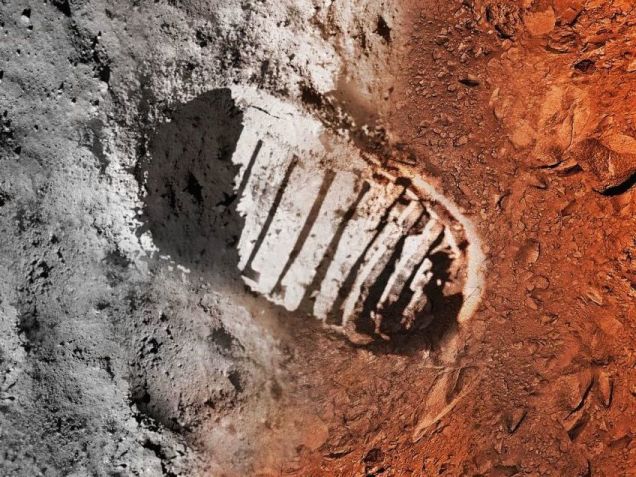
Mars Mission advocated to a packed room at Comic-Con

The first Giant Leap was Apollo 11 landing astronauts on the moon. The next Giant Leap could be Apollo 45 landing humans on Mars. (Credit: NASA)
via io9