Physics in the News

Saturday, July 26, 2014

NASA just made it possible to 3D-print your own asteroid
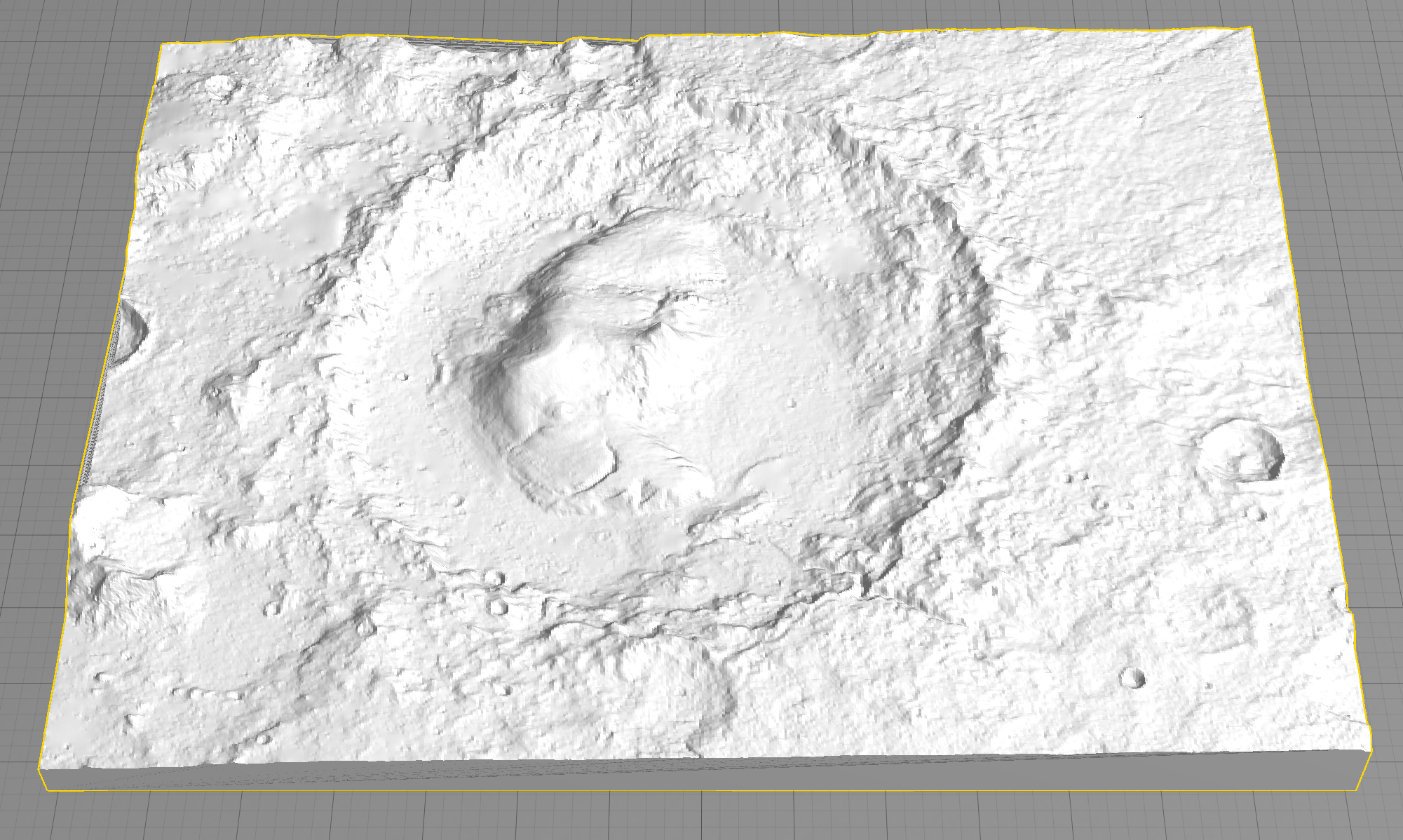
Model of Mars' Gale crater.  NASA has released STL files so you can 3D print your own scale models of space probes, asteroids and the surface of the moon. (Credit: NASA)
Model of Mars’ Gale crater. NASA has released STL files so you can 3D print your own scale models of space probes, asteroids and the surface of the moon. (Credit: NASA)

via cnet

Voyager scientists disagree on whether craft has reached interstellar space
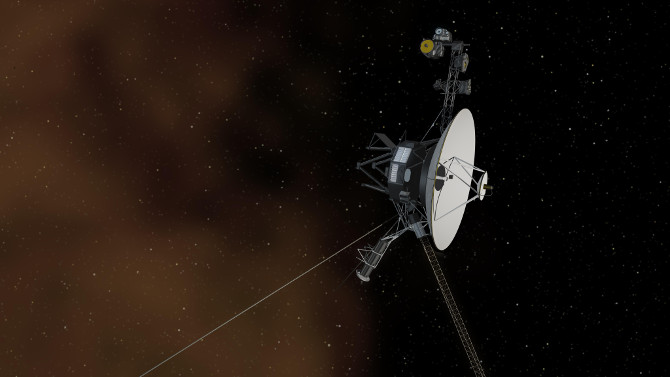
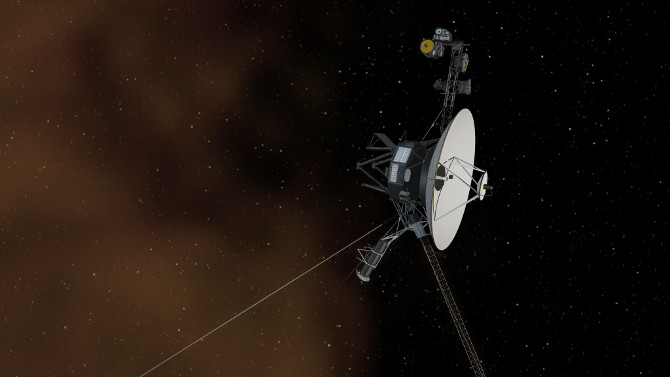
This artist’s concept shows the Voyager 1 spacecraft entering the space between stars. Interstellar space is dominated by plasma, ionized gas (illustrated here as brownish haze), that was thrown off by giant stars millions of years ago. (Credit: NASA/JPL-Caltech)
via forbes

Earth survived near-miss from 2012 solar storm: NASA
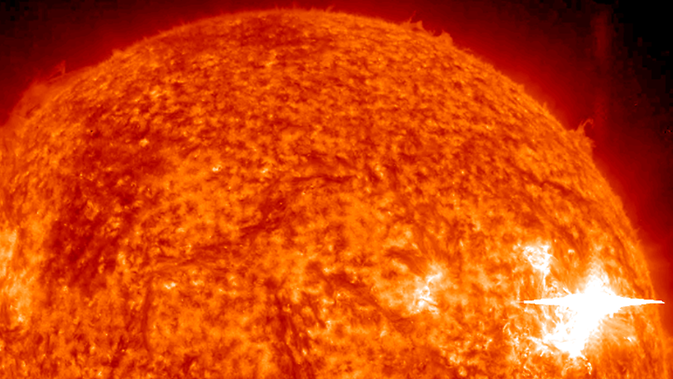
A solar flare erupted on the far side of the sun on June 4, 2011, and sent solar neutrons out into space. Solar neutrons don't make it to all the way to Earth, but NASA's MESSENGER, orbiting Mercury, found strong evidence for the neutrons, offering a new technique to study these giant explosions. (Credit:  NASA/STEREO/Helioviewer)
A solar flare erupted on the far side of the sun on June 4, 2011, and sent solar neutrons out into space. Solar neutrons don’t make it to all the way to Earth, but NASA’s MESSENGER, orbiting Mercury, found strong evidence for the neutrons, offering a new technique to study these giant explosions. (Credit:
NASA/STEREO/Helioviewer)

via phys.org

Physicists discuss quantum pigeonhole principle
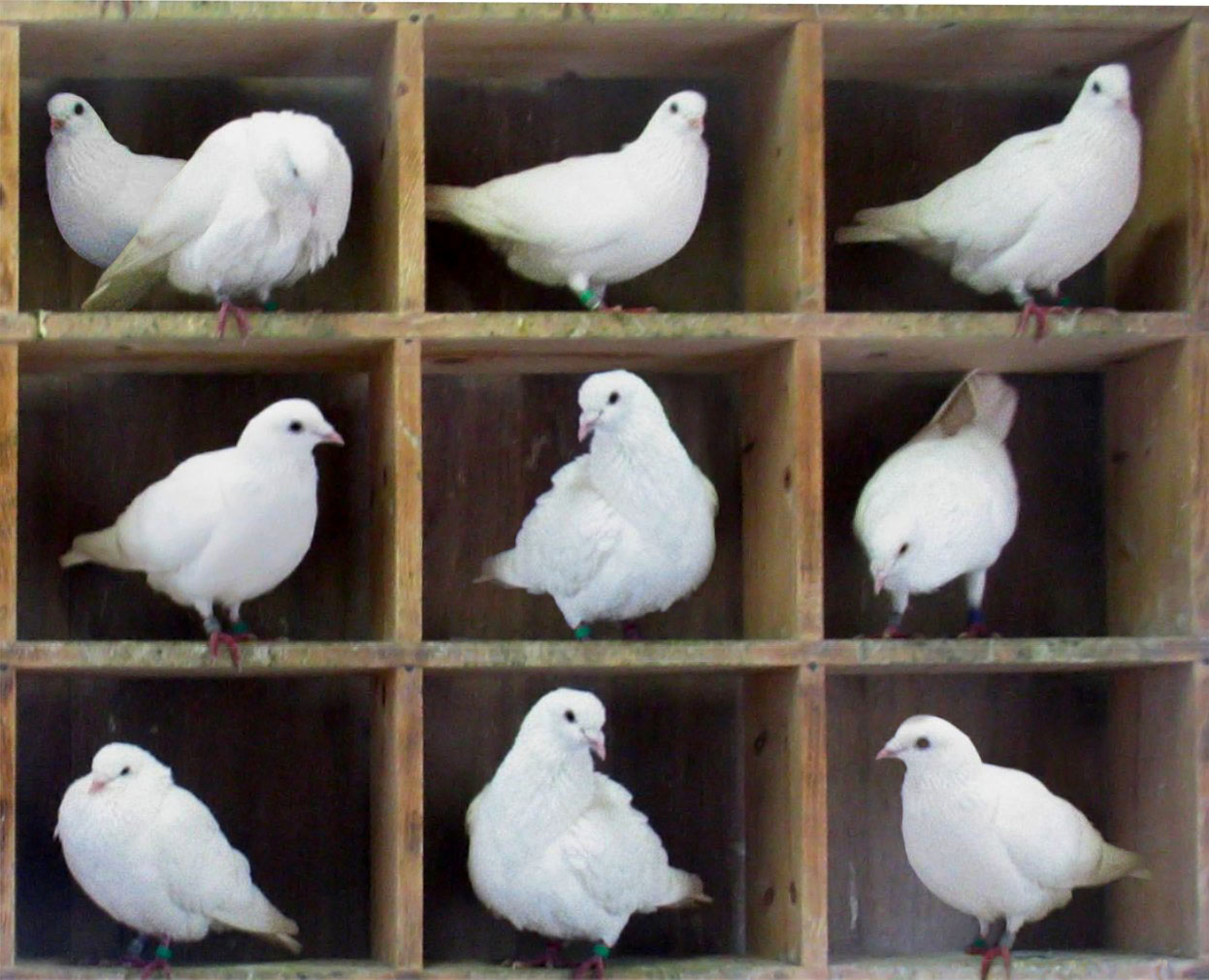
An image of pigeons in holes. Here there are n = 10 pigeons in m = 9 holes. Since 10 is greater than 9, the pigeonhole principle says that at least one hole has more than one pigeon. (Credit: SA 3.0, McKay)

via phys.org

Quantum computing and the value of storytelling in science(VIDEO)

via readwrite

The internet of things & MindMeld

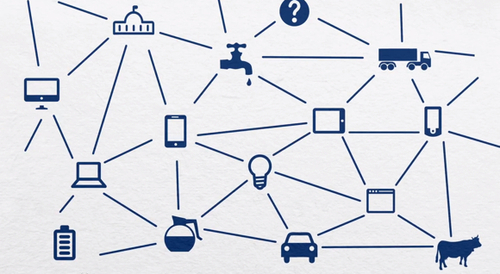
The Internet of Things, recently nicknamed the Internet of Everything, describes a future where all objects are linked together.
The Internet of Things, recently nicknamed the Internet of Everything, describes a future where all objects are linked together. (Credit: CISCO)

via expectlabs

Robotics, research and resupply round out week for station crew
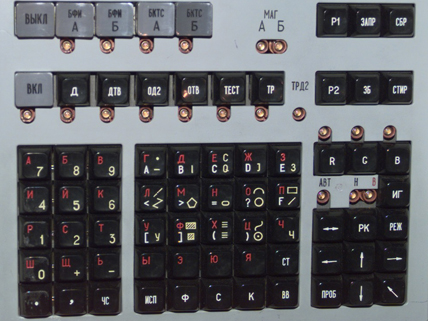
Images of panels from the International Space Station. (Credit: NASA Ames Research Center)
via spacefellowship

The war in Gaza as seen from space: Astronaut shares wrenching photo
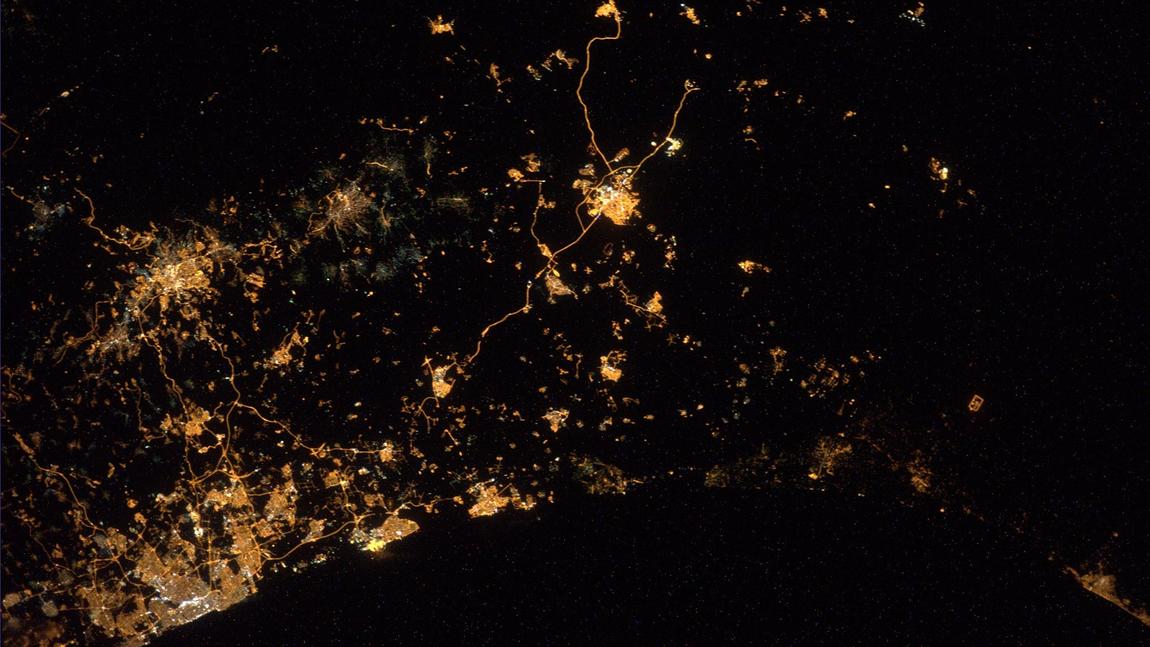
"If we ever will be visited by another species from somewhere in the universe, how would we explain to them what they might see as the very first thing when they look at our planet? How would we explain to them the way we humans treat not only each other but also our fragile blue planet, the only home we have?" Astronaut Alexander Gerst (Credit: (Alexander Gerst / European Space Agency)
“If we ever will be visited by another species from somewhere in the universe, how would we explain to them what they might see as the very first thing when they look at our planet? How would we explain to them the way we humans treat not only each other but also our fragile blue planet, the only home we have?” Astronaut Alexander Gerst (Credit: (Alexander Gerst / European Space Agency)

via latimes
Physics in the News

Friday, July 25, 2014

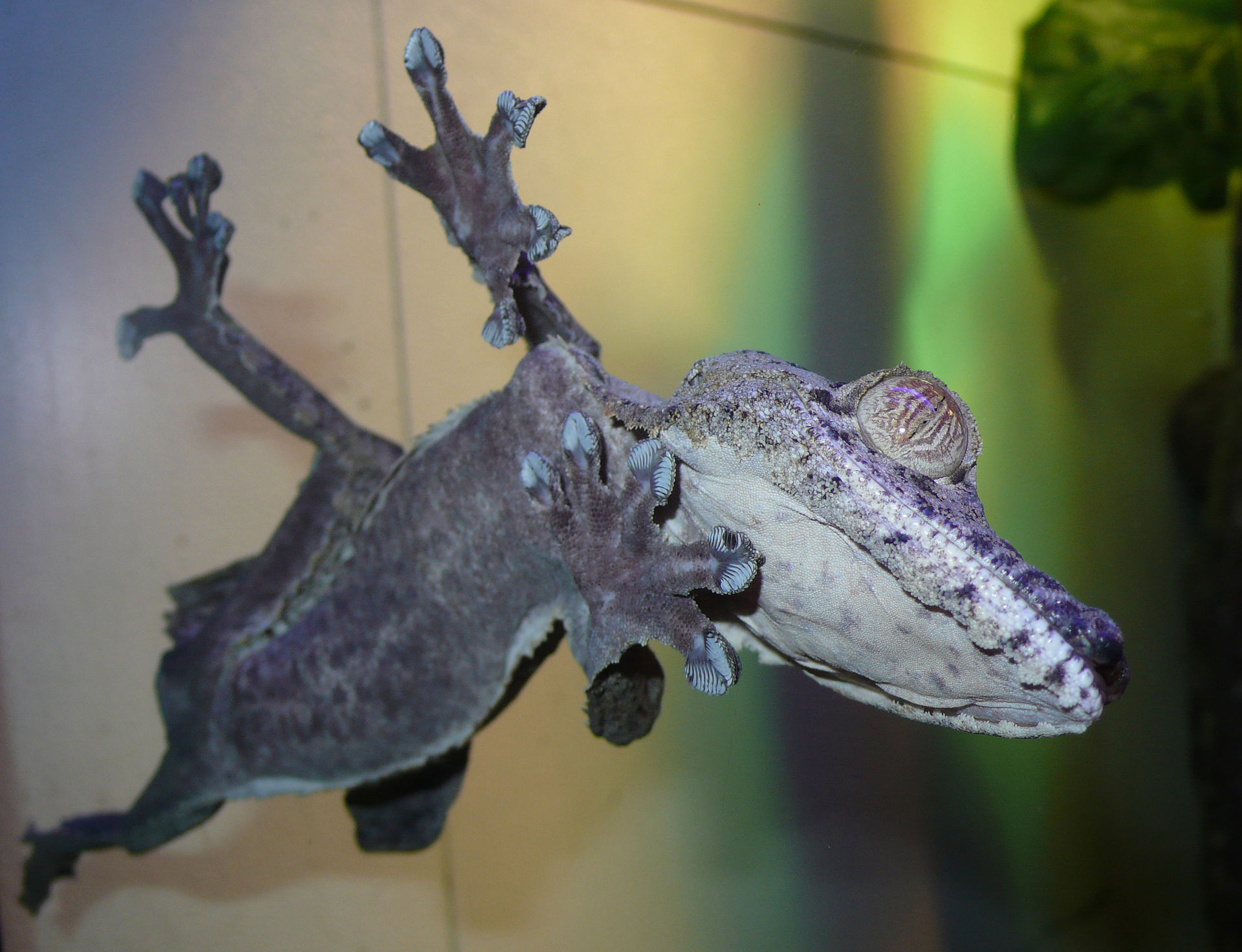
Lust in space: Russians lose control of gecko sex satellite

Progress is busily working to re-establish a connection with the operating system — currently on autopilot — before all hope is lost. (Credit: Tim Vickers )
via aljazeera

Hot Jupiter measurements throw water on planet formation theory

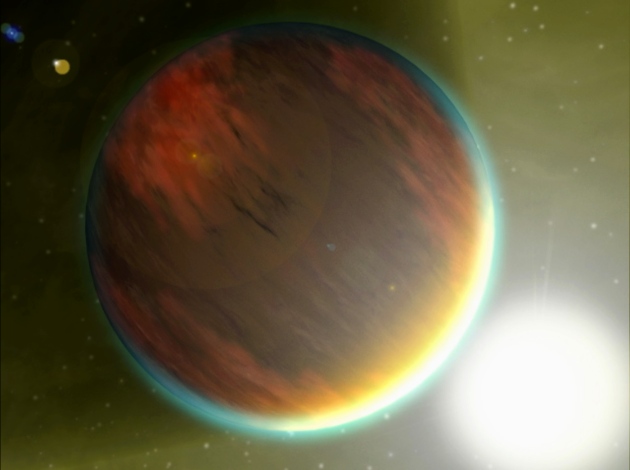
The exoplanet 209458b, a gas giant, is located 150 light-years from Earth.  Dry atmospheres of three exoplanets challenge ideas of how planets form. (Credit: NASA/JPL-Caltech)
The exoplanet 209458b, a gas giant, is located 150 light-years from Earth. Dry atmospheres of three exoplanets challenge ideas of how planets form. (Credit: NASA/JPL-Caltech)
via nature

Mysterious black holes may be exploding into ‘white holes’

A new scientific theory suggests that when black holes reach the end of their lifespan, they explode into “white holes” and release all of their matter into space. (Credit: Reuters / NASA)
via rt

CERN accelerators come alive for LHC restart

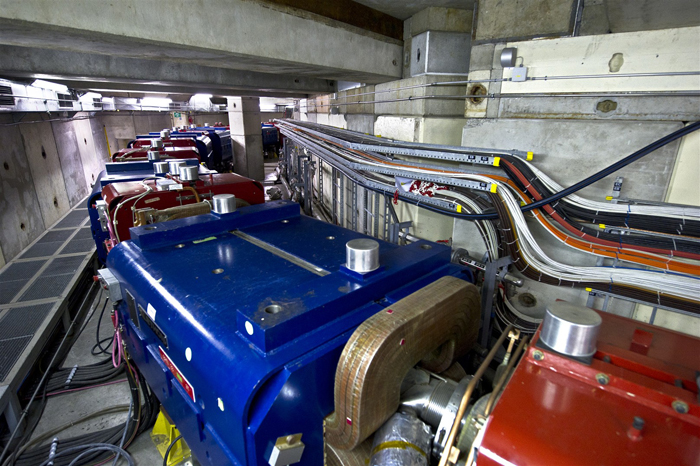
Powering up: CERN's Antiproton Decelerator will be running next week (Credit: CERN/Maximilien Brice)
Powering up: CERN’s Antiproton Decelerator will be running next week (Credit: CERN/Maximilien Brice)
via physicsworld

Breakthrough laser experiment reveals liquid-like motion of atoms in an ultra-cold cluster

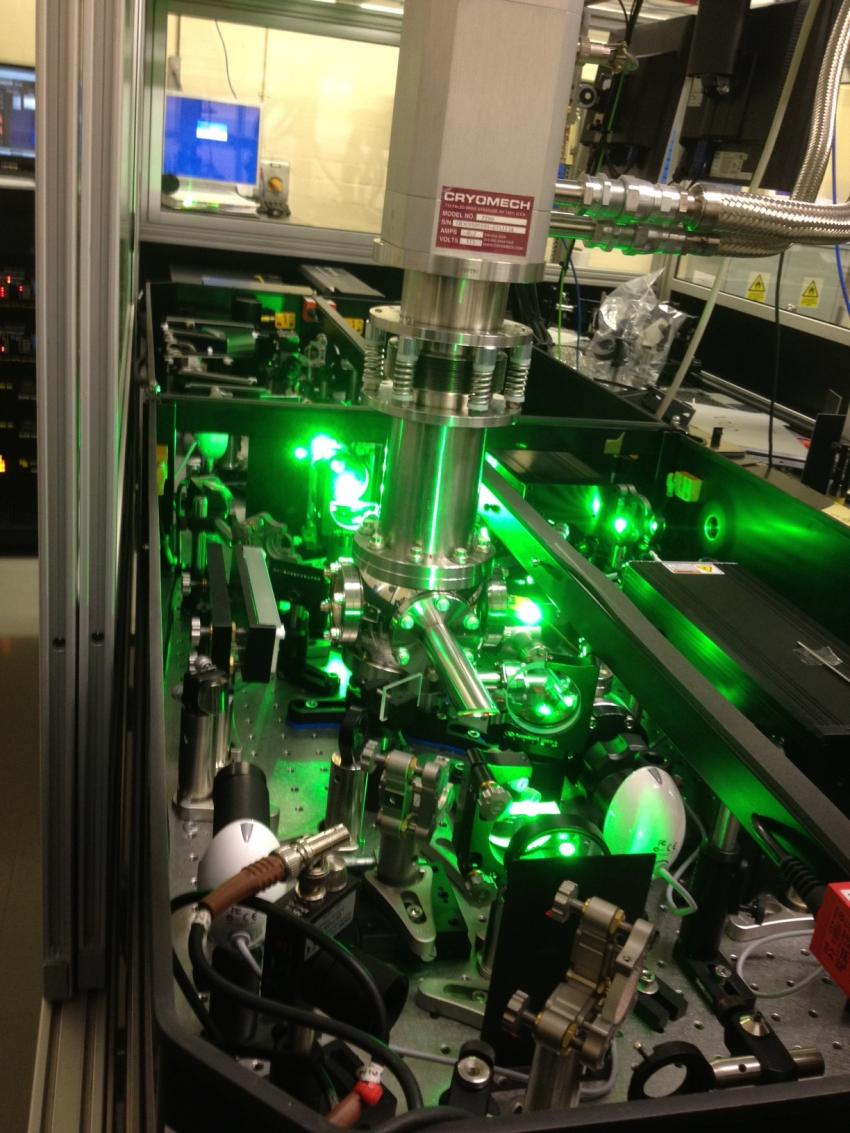
he experiment was undertaken at Rutherford Appleton Laboratories in the Artemis laser facility using an advanced femtosecond laser system to resolve rotations of complexes. The picture shows a section of the laser system used during the experiments. (Credit: Gediminas Galinis, University of Leicester.)
The experiment was undertaken at Rutherford Appleton Laboratories in the Artemis laser facility using an advanced femtosecond laser system to resolve rotations of complexes. The picture shows a section of the laser system used during the experiments. (Credit: Gediminas Galinis, University of Leicester.)
via phys

The first supercomputer simulations of ‘spin–orbit’ forces between neutrons and protons in an atomic nucleus

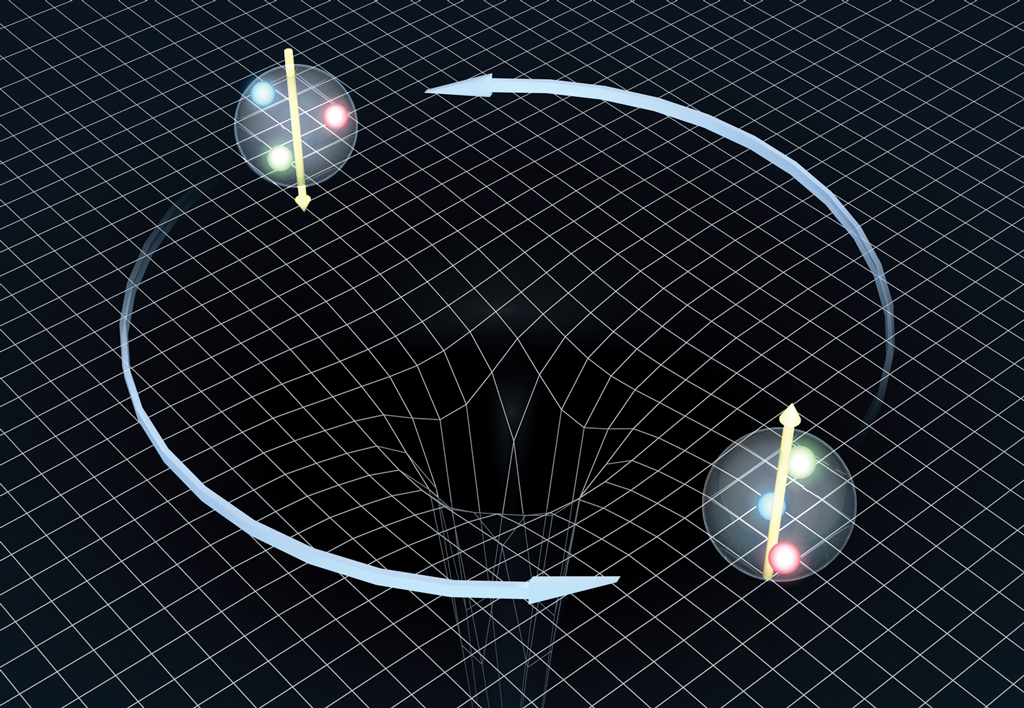
Figure 1: Nucleons (protons and neutrons) are made up of quarks (colored spheres) and have an orientation called spin (indicated by up and down arrows). The spin–orbit force is the interaction between two orbiting nucleons, resulting in a potential well (center) that holds them together. (Credit: Keiko Murano, RIKEN Nishina Center for Accelerator-Based Science)
via phys.org

Watch the Falcon 9 rocket booster descend into the ocean for its “soft” landing(VIDEO)

via extremetech

NASA says it’s too poor to fly

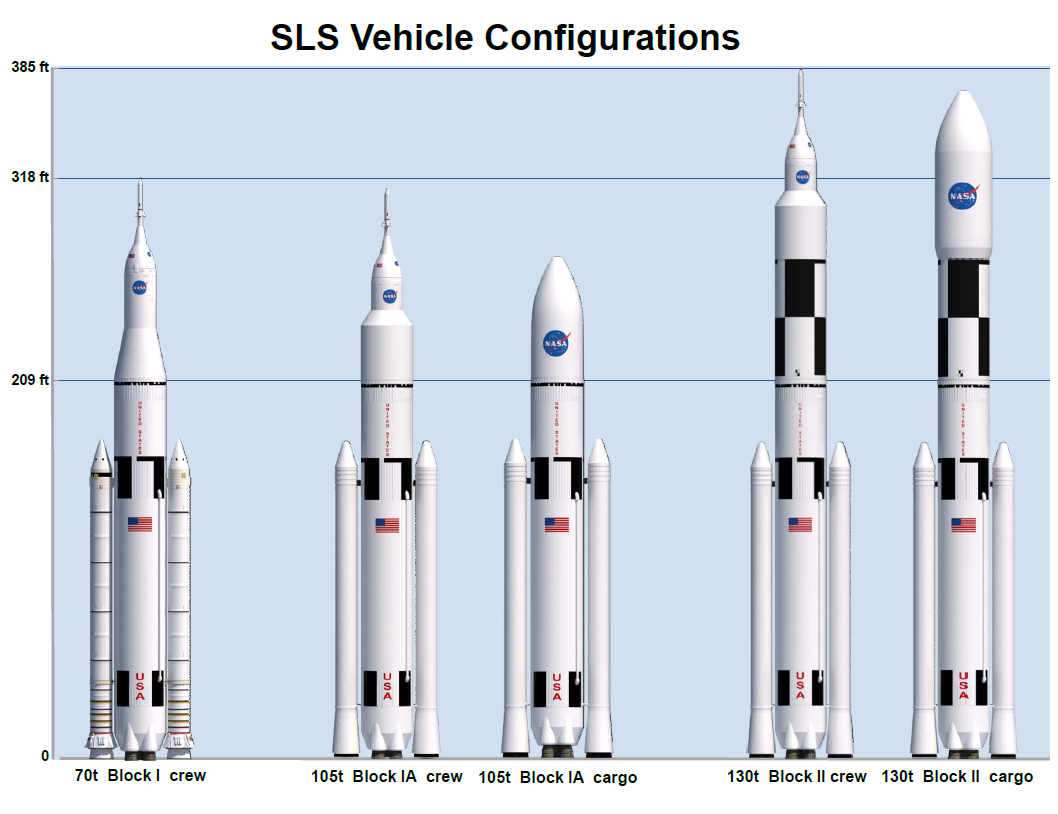
Space Launch System's planned variant vehicle configurations. (Credit: NASA)
Space Launch System’s planned variant vehicle configurations. The agency’s current funding plan for SLS may be $US400 million short of what the program needs to launch by 2017 (Credit: NASA)
via theregister

Physics in the News

Tuesday, July 22, 2014

Researchers reveal why giant black hole’s ‘galactic fireworks’ were a flop(VIDEO)

via nature

Physicist George Ellis knocks physicists for knocking philosophy, falsification, and free will

"You cannot do physics or cosmology without an assumed philosophical basis," says George Ellis. (Credit: David Monniaux)
“You cannot do physics or cosmology without an assumed philosophical basis,” says George Ellis. (Credit: David Monniaux)

via scientificamerican

Boosting the force of empty space

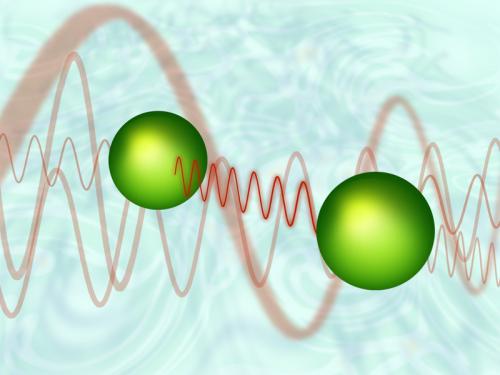
Two atoms exchanging a virtual photon. Empty space around them is not as empty as one might think. (Credit: Vienna University of Technology, TU Vienna)
via phys.org

Beyond energy, matter, time and space

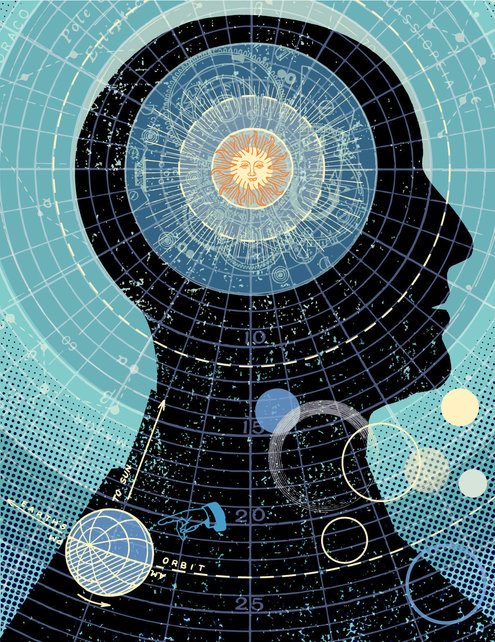
New particles may yet be discovered, and even new laws. But it is almost taken for granted that everything from physics to biology, including the mind, ultimately comes down to four fundamental concepts: matter and energy interacting in an arena of space and time. (Credit: Carl Wiens)
via nytimes

‘Quantum Bounce’ theory claims black holes explode

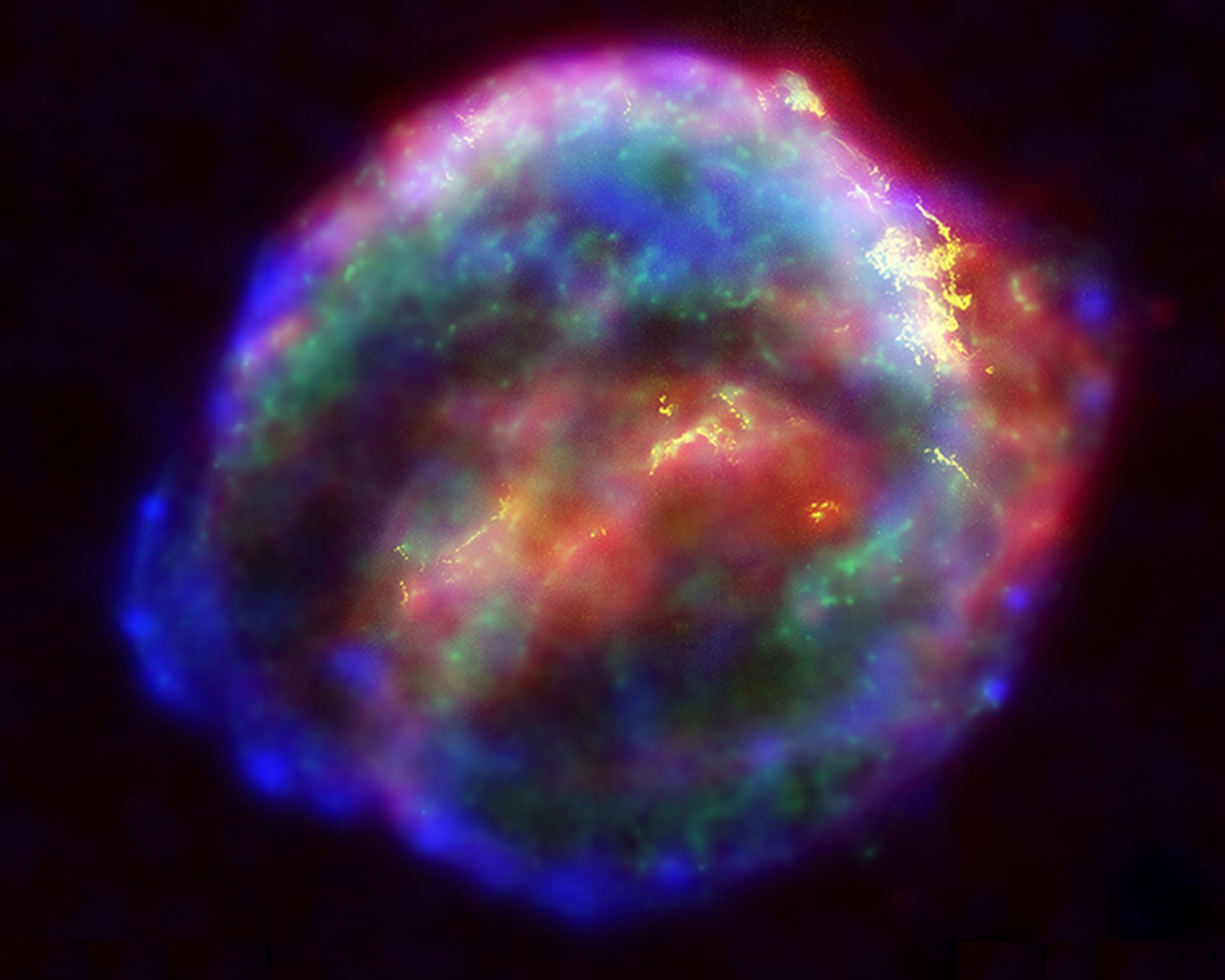
Kepler's Supernova Remnant "On October 9, 1604, sky watchers -- including astronomer Johannes Kepler, spotted a "new star" in the western sky, rivaling the brilliance of nearby planets. "Kepler's supernova" was the last exploding supernova seen in our Milky Way galaxy. (Credit: NASA/ESA/JHU/R.Sankrit & W.Blair)
Kepler’s Supernova Remnant “On October 9, 1604, sky watchers — including astronomer Johannes Kepler, spotted a “new star” in the western sky, rivaling the brilliance of nearby planets. “Kepler’s supernova” was the last exploding supernova seen in our Milky Way galaxy. (Credit: NASA/ESA/JHU/R.Sankrit & W.Blair)
via nature

We only use 10% of our brains? That’s a myth

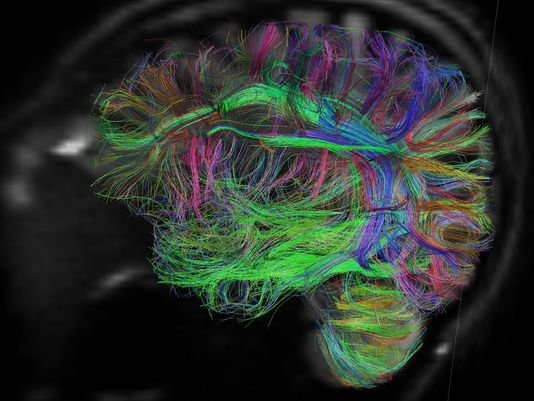
A Diffusion Spectrum MRI (DSI) of the human brain obtained with the MGH-UCLA Human ?Connectom? Scanner. The fiber tracks are color-coded by direction: red=left-right, green  =anterior-posterior, blue=through brain stem. (Credit: National Institutes of Biomedical Imaging and Bioengineering and National Institutes of Health)
A Diffusion Spectrum MRI (DSI) of the human brain obtained with the MGH-UCLA Human ‘Connectom’ Scanner. The fiber tracks are color-coded by direction:  red=left-right, green=anterior-posterior, blue=through brain stem. (Credit: National Institutes of Biomedical Imaging and Bioengineering and National Institutes of Health)
via theatlantic

Physics in the News

Saturday, July 19, 2014

Scientists use world’s largest laser to recreate Jupiter’s core

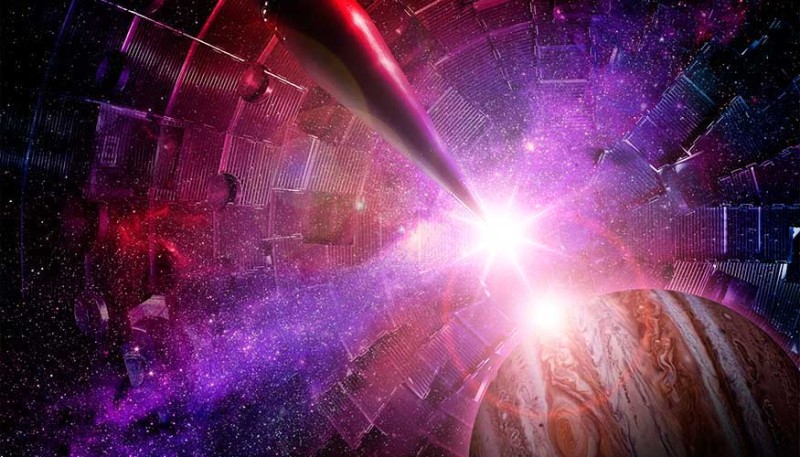
The interior of the target chamber at the National Ignition Facility at Lawrence Livermore National Laboratory. The object entering from the left is the target positioner, on which a millimeter-scale target is mounted. Researchers recently used NIF to study the interior state of giant planets. (Credit: Image by Damien Jemison/LLNL)
via sciencedaily

Panning for dark matter in an Australian gold mine

Michael Slezak goes deep under the outback to find a home for the southern hemisphere's first WIMP detector, which could confirm our best direct signal yet(Credit: Michael Slezak)
Michael Slezak goes deep under the outback to find a home for the southern hemisphere’s first WIMP detector, which could confirm our best direct signal yet(Credit: Michael Slezak)
via newscientist

Let me ask you this: ‘Are bananas radioactive and is it true that eating too many can kill you?’

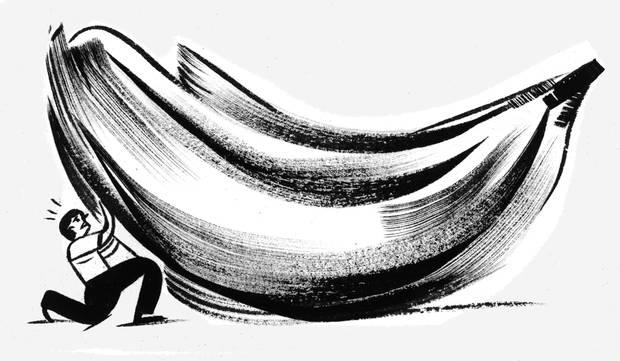
Yes, you will certainly die from radiation poisoning if you are able to eat 10,000,000 bananas at once. You may also witness chronic symptoms if you eat 274 bananas a day for seven years.
Yes, you will certainly die from radiation poisoning if you are able to eat 10,000,000 bananas at once. You may also witness chronic symptoms if you eat 274 bananas a day for seven years. (Credit: Ping Zhu)
via independent

Higgs boson glimpsed at work for first time

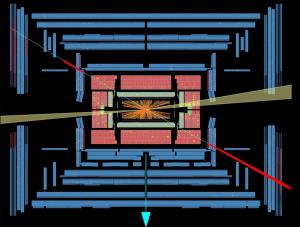
Fresh from the ATLAS detector at the Large Hadron Collider (Credit: CERN)
via newscientist

Scattered neutrons could mimic DAMA-LIBRA’s ‘dark matter’ modulation

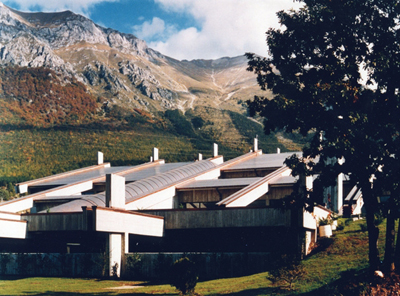
On a high: do muons and neutrinos mimic DAMA's signal? (Credit: DAMA/LIMA)
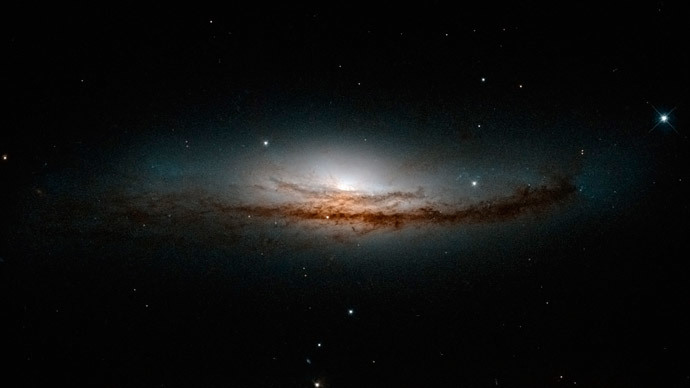
On a high: do muons and neutrinos mimic DAMA’s signal? (Credit: DAMA/LIMA)
via physicsworld

OSIRIS-REx asteroid mission will use Canadian 3D technology

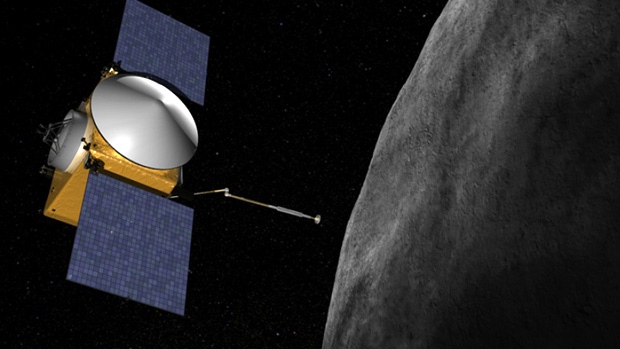
Canada is about to build technology that will be used to map an asteroid in 3D using lasers on an upcoming space mission.
Canada is about to build technology that will be used to map an asteroid in 3D using lasers on an upcoming space mission. (Credit CSA)
via cbc

Physics in the News

Thursday, July 10, 2014

Comet Pan-STARRS Makes Stunning ‘Galactic Flyby'(VIDEO)

via discovery

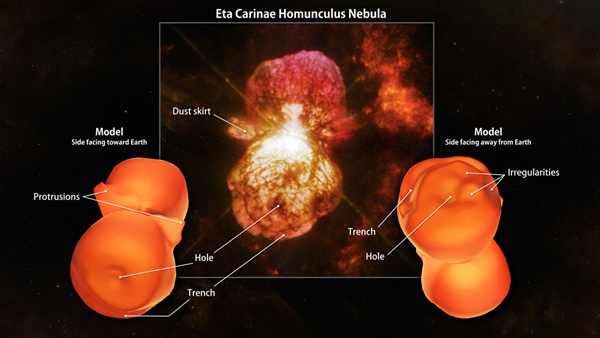
NASA 3D prints a model of light-year-long Eta Carinae nebula

A new shape model of the Homunculus Nebula reveals protrusions, trenches, holes and irregularities in its molecular hydrogen emission. The protrusions appear near a dust skirt seen at the nebula's center in visible light (inset) but not found in this study, so they constitute different structures. (Credit: NASA Goddard, ESA, Hubble SM4 ERO Team)
A new shape model of the Homunculus Nebula reveals protrusions, trenches, holes and irregularities in its molecular hydrogen emission. The protrusions appear near a dust skirt seen at the nebula’s center in visible light (inset) but not found in this study, so they constitute different structures. (Credit: NASA Goddard, ESA, Hubble SM4 ERO Team)
via astronomy.com

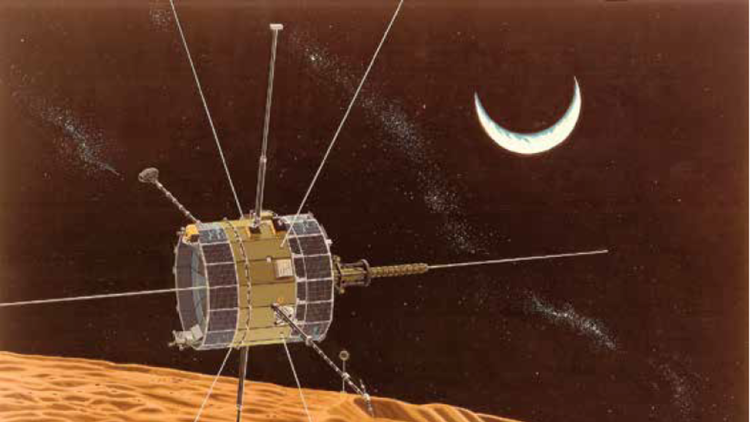
Bid to ‘reboot’ aging NASA satellite is scuttled as fuel system fails

Engineers failed to resolve fuel system problems on NASA's retired ISEE-3 satellite Wednesday. An artist's rendition shows the spacecraft during a close lunar pass. (Credit: NASA)
Engineers failed to resolve fuel system problems on NASA’s retired ISEE-3 satellite Wednesday. An artist’s rendition shows the spacecraft during a close lunar pass. (Credit: NASA)

via latimes
MESSENGER and STEREO measurements open window into high-energy processes on the Sun

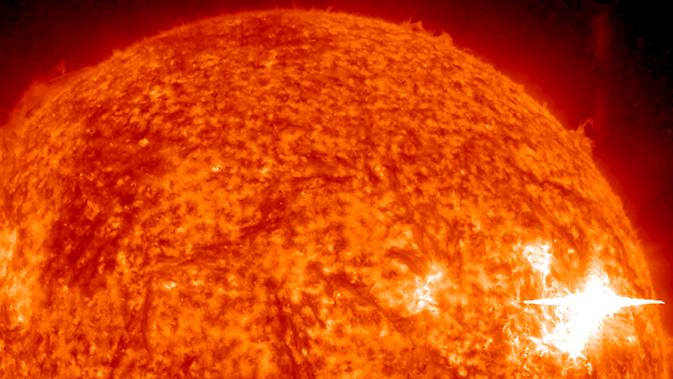
A solar flare erupted on the far side of the sun on June 4, 2011, and sent solar neutrons out into space. Solar neutrons don't make it to all the way to Earth, but NASA's MESSENGER, orbiting Mercury, found strong evidence for the neutrons, offering a new technique to study these giant explosions. (Credit: NASA/STEREO/Helioviewer)
A solar flare erupted on the far side of the sun on June 4, 2011, and sent solar neutrons out into space. Solar neutrons don’t make it to all the way to Earth, but NASA’s MESSENGER, orbiting Mercury, found strong evidence for the neutrons, offering a new technique to study these giant explosions. (Credit: NASA/STEREO/Helioviewer)
via nasa

Space Probe Might Lack Nitrogen to Push It Home

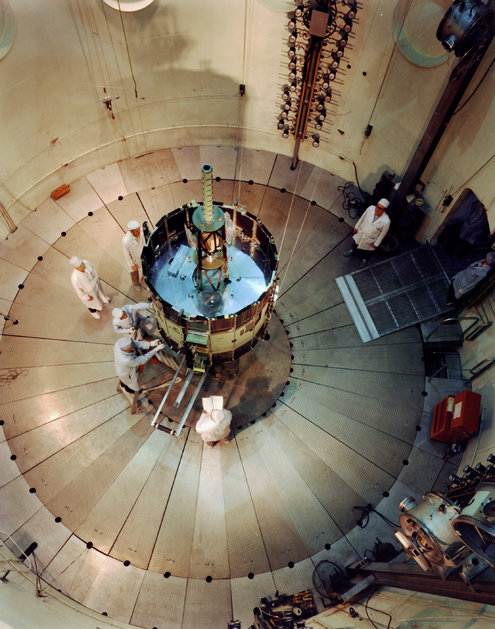
 The International Sun-Earth Explorer-3 at NASA’s Goddard Space Flight Center before its launch. (Credit NASA)
The International Sun-Earth Explorer-3 at NASA’s Goddard Space Flight Center before its launch. (Credit NASA)
via nytimes

Saturn Probe Ready for Its “Grand Finale”

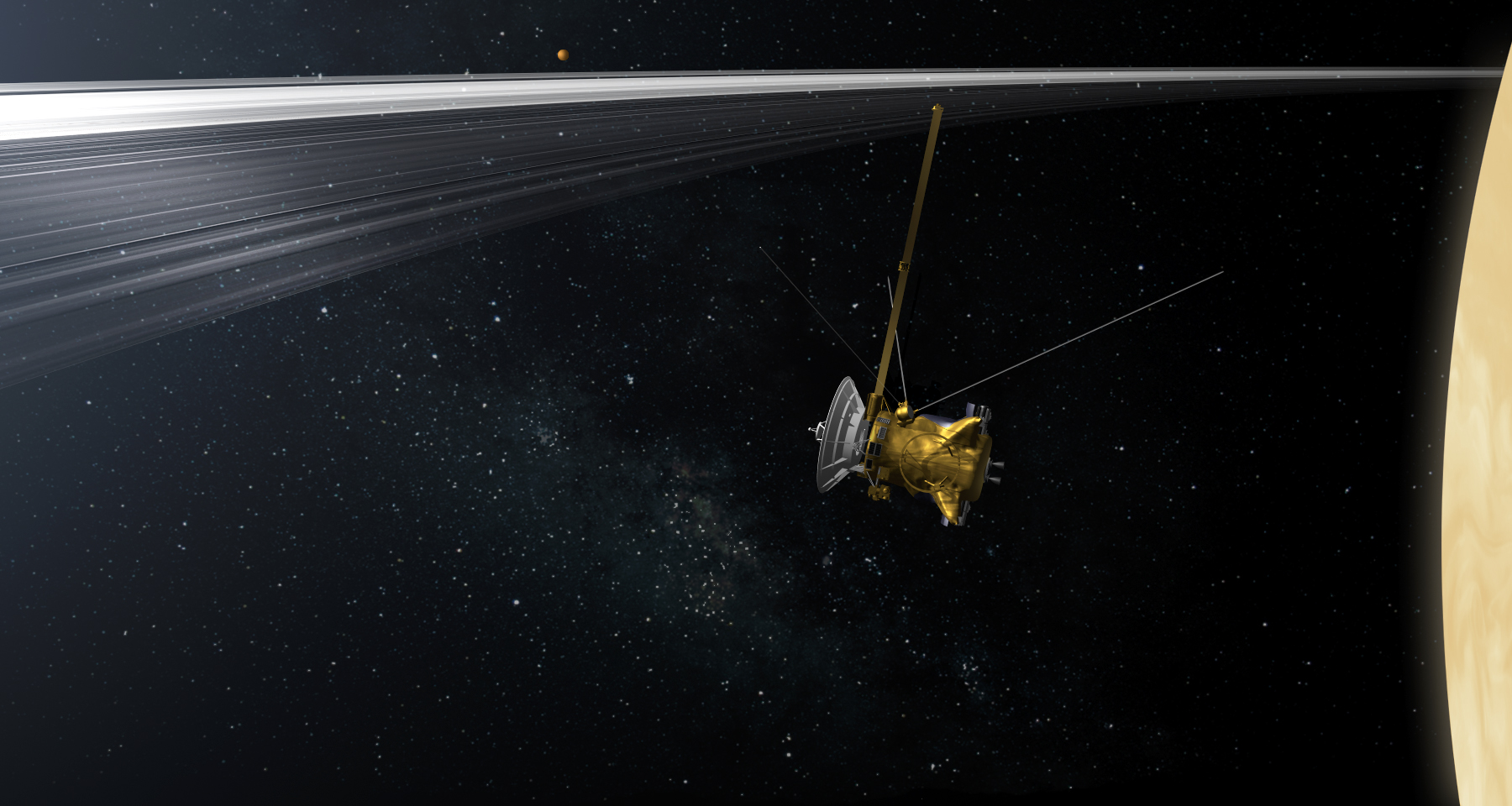
Cassini will end its historic mission with 22 breathtaking loops passing through the gap between Saturn and its innermost ring. (Credit: NASA)
via scientificamerican

Singing Solar Shockwave Confirms Voyager Is In Interstellar Space

This artist’s concept shows the Voyager 1 spacecraft entering the space between stars. Interstellar space is dominated by plasma, ionized gas (illustrated here as brownish haze), that was thrown off by giant stars millions of years ago. (Credit: NASA/JPL-Caltech)
via forbes

Astronomers invite worldwide public to help name exoplanets and their stars

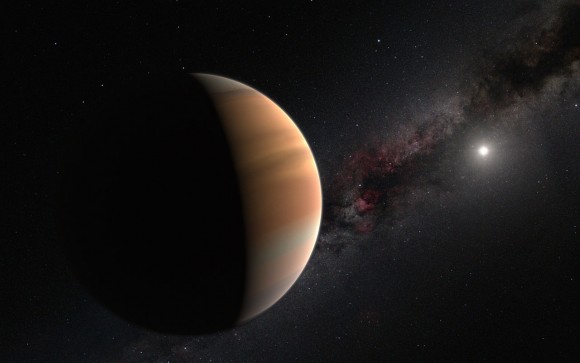
Artist’s impression of a distant exoplanet – planet beyond our solar system – orbiting its star. (Credit: IAU)
via earthsky

Universe’s missing photons baffle scientists

There's just not enough of them to account for interstellar light, say researchers. (Credit: NASA/ESA
There’s just not enough of them to account for interstellar light, say researchers. (Credit: NASA/ESA)
via cnet