Physics in the News

Thursday, July 3, 2014

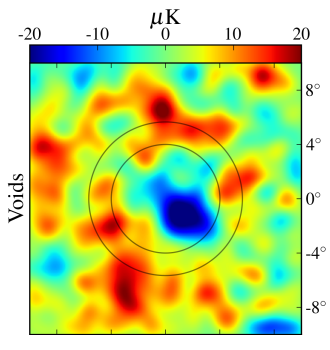
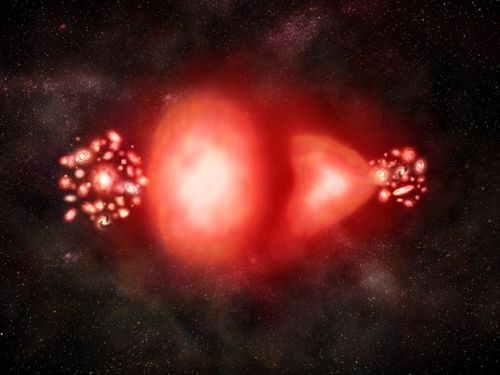
Biggest void in universe may explain cosmic cold spot

The mean imprint on the Cosmic Microwave Background of 50 supervoids. (Credit: BSA-3.0)
via newscientist

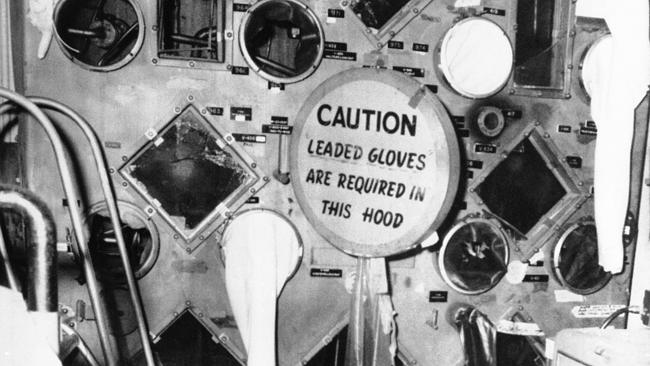
‘Atomic Man’ room opened for first time after radiation blast in 1976

The room that exposed a laboratory technician to a massive dose of radiation, which led to him being known as the “Atomic Man”, is to be entered for the first time since the incident in 1976. (Credit: AP)
via news.com.au

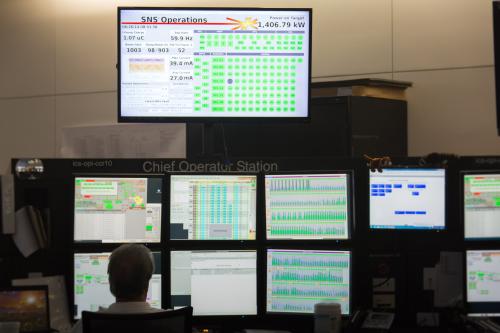
A record-breaking month for ORNL’s Spallation Neutron Source

The accelerator-based pulse neutron source at ORNL’s Spallation Neutron Source operated steadily for users at the maximum design power of 1.4 megawatts June 26. (Credit: Genevieve Martin/ORNL)
via phys.org

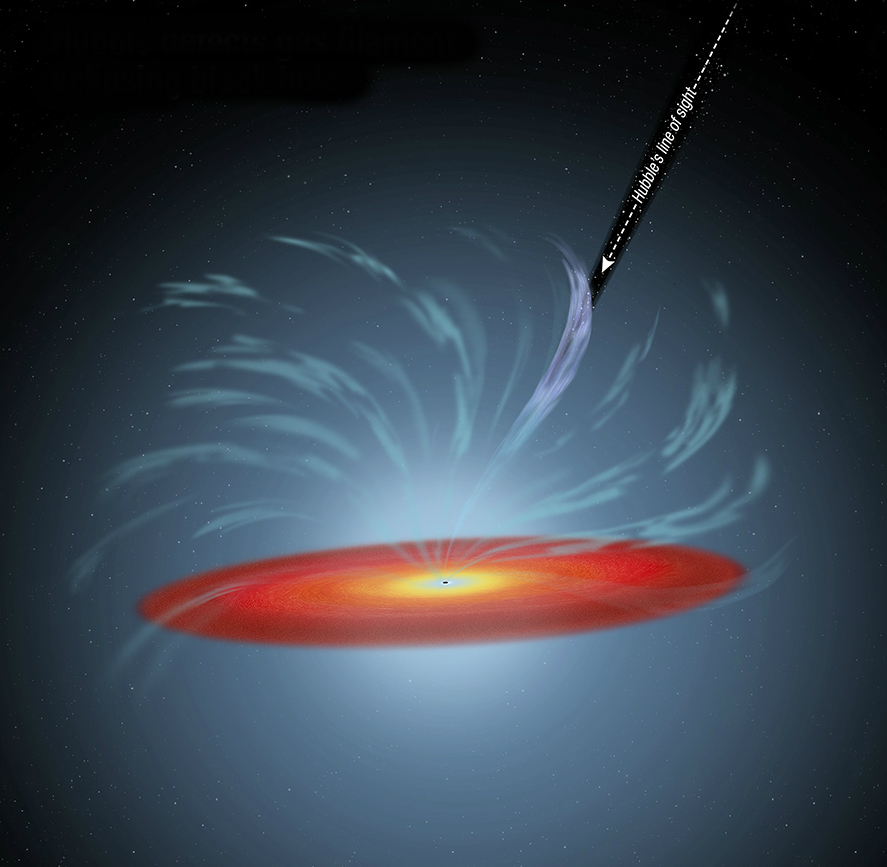
Gas streamer is spewing from the active galactic nucleus NGC 5548

gas streamer spewing from the active galactic nucleus of NGC 5548 – See more at: http://www.skyandtelescope.com/astronomy-news/gas-streamer-eclipses-agn/#sthash.6Ypl6HM8.dpuf
Map of the gas streamer spewing from the heart of NGC 5548. (Credit: NASA, ESA, and A. Feild (STScI))
via skyandtelescope

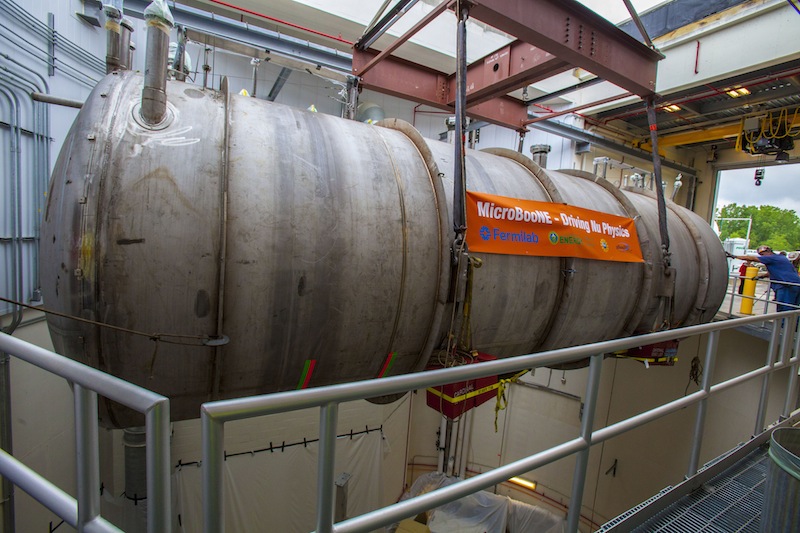
‘Revolutionary’ Physics: Do Sterile Neutrinos Lurk in the Universe?

The detector for the MicroBooNe is gently lowered into place. (Credit: Fermilab)
The detector for the MicroBooNe is gently lowered into place.
(Credit: Fermilab)
via livescience
 

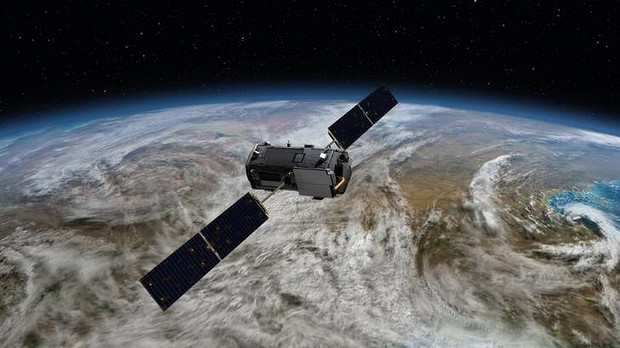
NASA’s carbon dioxide-hunting telescope reaches orbit

An artist's impression of how NASA's Orbiting Carbon Observatory will look in space. (Credit: NASA/JPL-Caltech)
An artist’s impression of how NASA’s Orbiting Carbon Observatory will look in space. (Credit: NASA/JPL-Caltech)

via smh.com

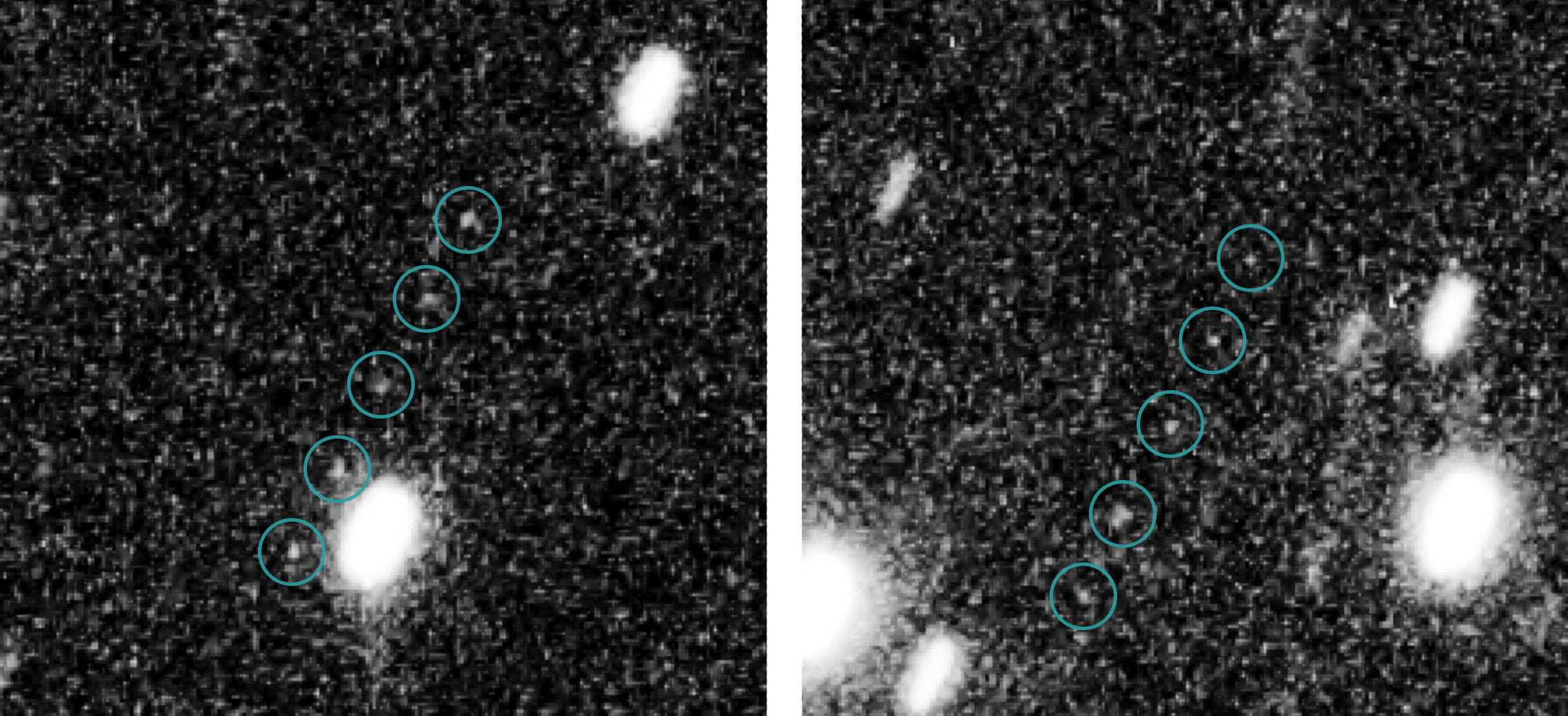
NASA’s Pluto Probe Is Already Planning Its Next Job

Two multiple-exposure images from NASA's Hubble Space Telescope showing Kuiper Belt objects, or KBOs, against a background of stars in the constellation Sagittarius. The two KBOs are roughly 4 billion miles from Earth. (Credit: NASA, ESA, SwRI, JHU/APL, New Horizons KBO Search Team)
Two multiple-exposure images from NASA’s Hubble Space Telescope showing Kuiper Belt objects, or KBOs, against a background of stars in the constellation Sagittarius. The two KBOs are roughly 4 billion miles from Earth. (Credit: NASA, ESA, SwRI, JHU/APL, New Horizons KBO Search Team)
via motherboard.vice.com

Physics in the News

Wednesday, July 2, 2014

Muscle powered Bio-bots walk on command(VIDEO)

via phys.org

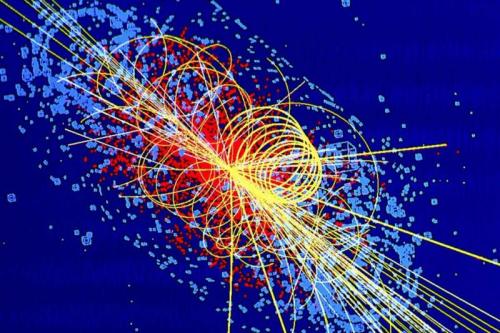
‘Deep learning’ makes search for exotic particles easier

Simulation of a particle collision in which a Higgs boson is produced. (Credit: Lucas Taylor/CMS)
via phys.org

360 degree night sky time-lapse proves that Earth is beautiful

via mashable

Unknown Force May Alter Gravity at Cosmologically LargeScales

"The dark matter seems to 'know' how the visible matter is distributed. They seem to conspire with each other such that the gravity of the visible matter at the characteristic radius of the dark halo is always the same," said Dr. Benoit Famaey (Universities of Bonn and Strasbourg).
“The dark matter seems to ‘know’ how the visible matter is distributed. They seem to conspire with each other such that the gravity of the visible matter at the characteristic radius of the dark halo is always the same,” said Dr. Benoit Famaey (Universities of Bonn and Strasbourg).
via dailygalaxy

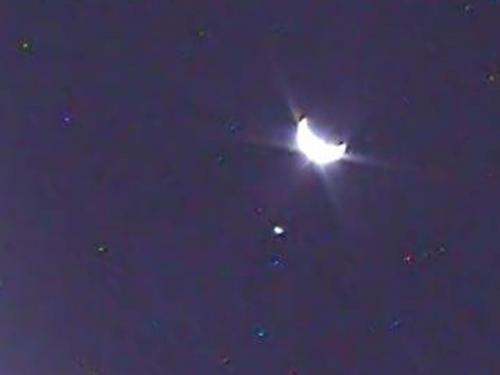
Would Earth look like a habitable planet from afar?

A zoomed-in image of Earth from the perspective of NASA’s Lunar Crater Observation and Sensing Satellite (LCROSS). The small dot below it is the moon. Credit: NASA Ames
via phys.org

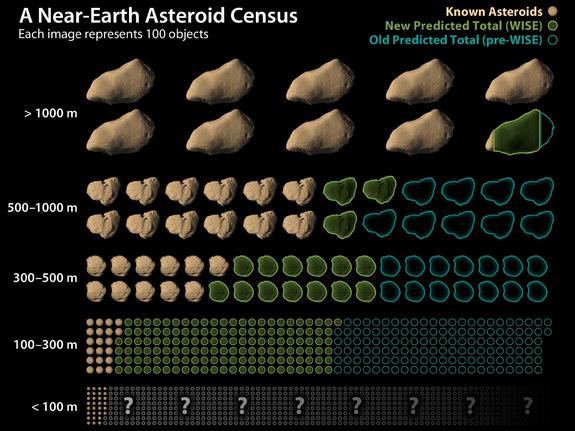
Near-Earth Asteroids key to Solar System’s earliest history

This chart illustrates how infrared is used to more accurately determine an asteroid’s size. (Credit: NASA/JPL-Caltech)
via forbes

Physics in the News

Tuesday, July 1, 2014

Welcome to the weird and wild west of private spaceflight

This is Spaceport America's Operations Center. The building, which Hendrickson notes is affectionately called "the sock," houses the facility's mission control center on its upper floor. (Credit: Dan Hendrickson)
This is Spaceport America’s Operations Center. The building, which Hendrickson notes is affectionately called “the sock,” houses the facility’s mission control center on its upper floor. (Credit: Dan Hendrickson)
via theverge

Happy 10th Birthday Cassini!

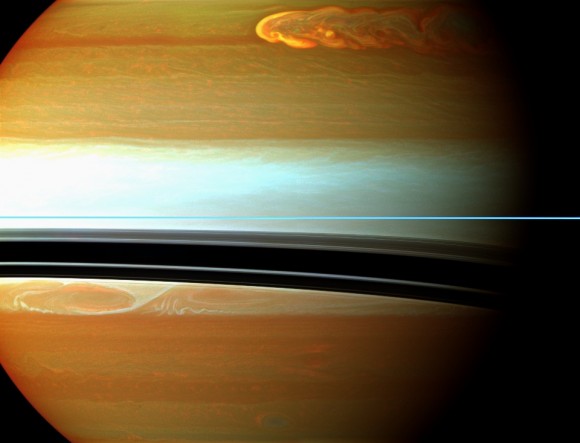
Saturn’s northern storm marches through the planet’s atmosphere in the top right of this false-color mosaic from NASA’s Cassini spacecraft. (Credit: NASA/JPL-Caltech/Space Science Institute)
via universetoday

Researchers create quantum dots with single-atom precision

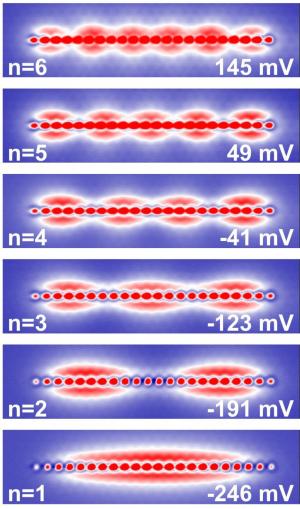
This image shows quantized electron states, for quantum numbers n = 1 to 6, of a linear quantum dot consisting of 22 indium atoms positioned on the surface of an InAs crystal. (Credit: Stefan Fölsch/PDI)
via phys.org

Reigning in chaos in particle colliders yields big results

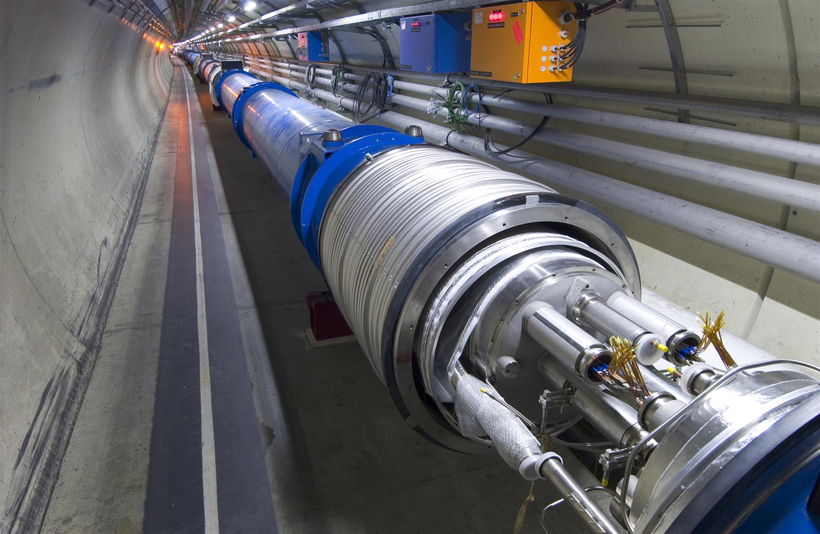
A method to correct tiny defects in the LHC’s superconducting magnets (example shown above) was crucial to the discovery of the Higgs boson, which was announced in 2012. (Credit: CERN)
A method to correct tiny defects in the LHC’s superconducting magnets (example shown above) was crucial to the discovery of the Higgs boson, which was announced in 2012.
(Credit: CERN)
via aip.org

Russia to Create Super-Heavy Rocket Carrier

(Credit) J.Gabás Esteban/cc-by-nc-sa 3.0
via voiceofrussia

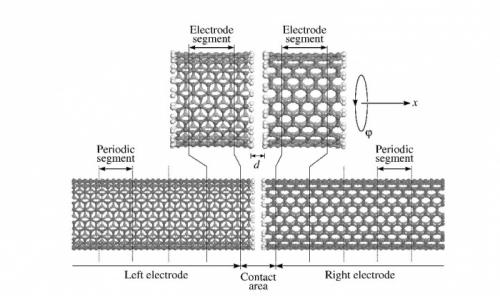
Scientists develop force sensor from carbon nanotubes

 A group of researchers from Russia, Belarus and Spain, including Moscow Institute of Physics and Technology professor Yury Lozovik, have developed a microscopic force sensor based on carbon nanotubes. (Credit: Computational Materials Science journal)
A group of researchers from Russia, Belarus and Spain, including Moscow Institute of Physics and Technology professor Yury Lozovik, have developed a microscopic force sensor based on carbon nanotubes. (Credit: Computational Materials Science journal)
via phys.org

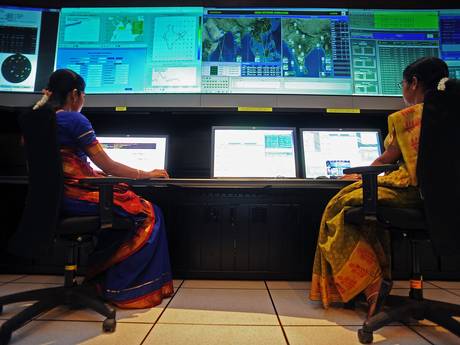
India’s Mars mission ‘cost less than the film Gravity’

Scientists from the Indian Space Research Organisation work in the Indian Regional Navigational Satellite System control room at the Indian Deep Space Network (Credit: AP)
via the independent

Physics in the News

Monday, June 30, 2014

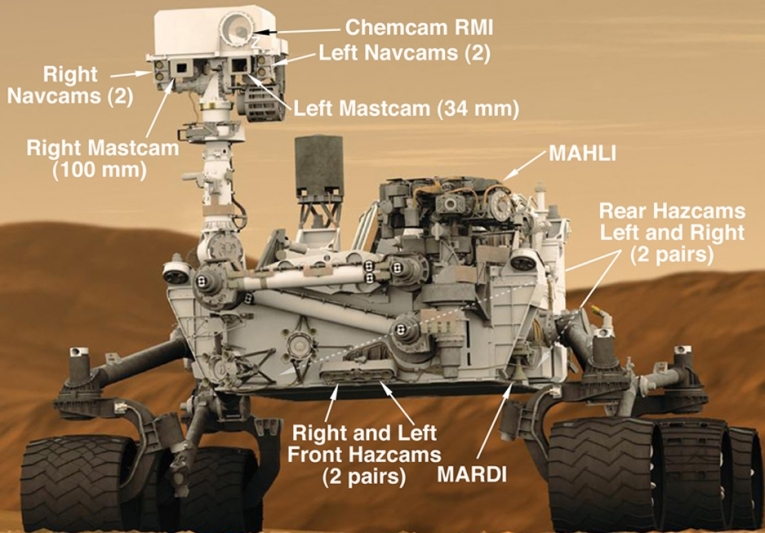
NASA’s Curiosity Rover Brought Earth BUG to Mars

A software bug, that is, as Flaw turns up in popular compression imaging algorithm. (Credit:
A software bug turns up in popular compression imaging algorithm. (Credit: NASA)
via securitymouse


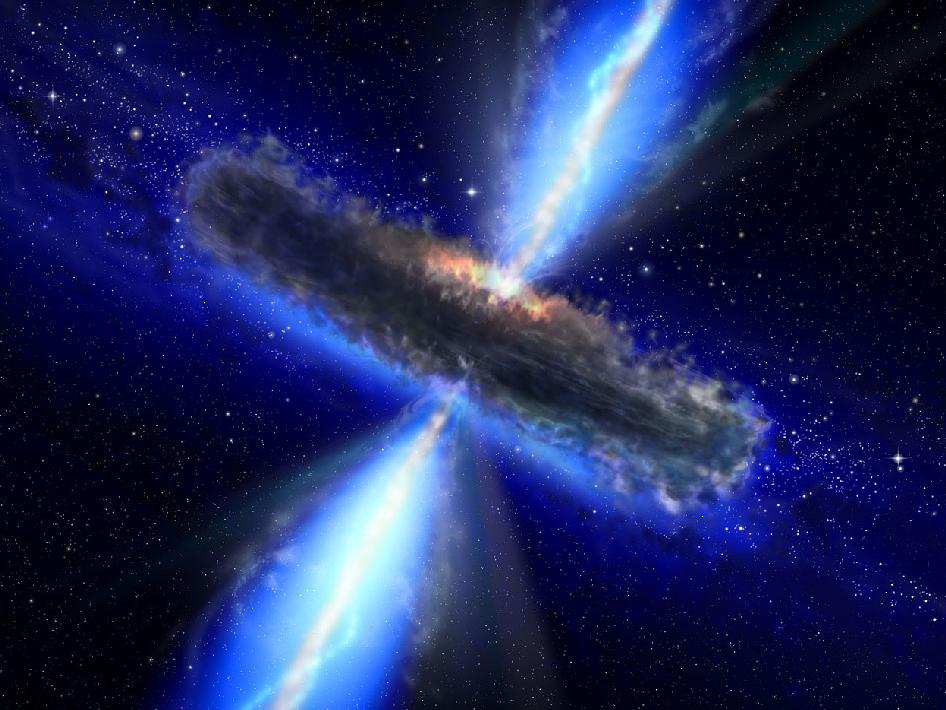
Did All of Earth’s Water Originally Come From Outer Space?

An artist’s concept illustration shows a quasar, or feeding black hole, similar to APM 08279+5255, where astronomers discovered huge amounts of water vapor. (NASA/ESA)
via theepochtimes


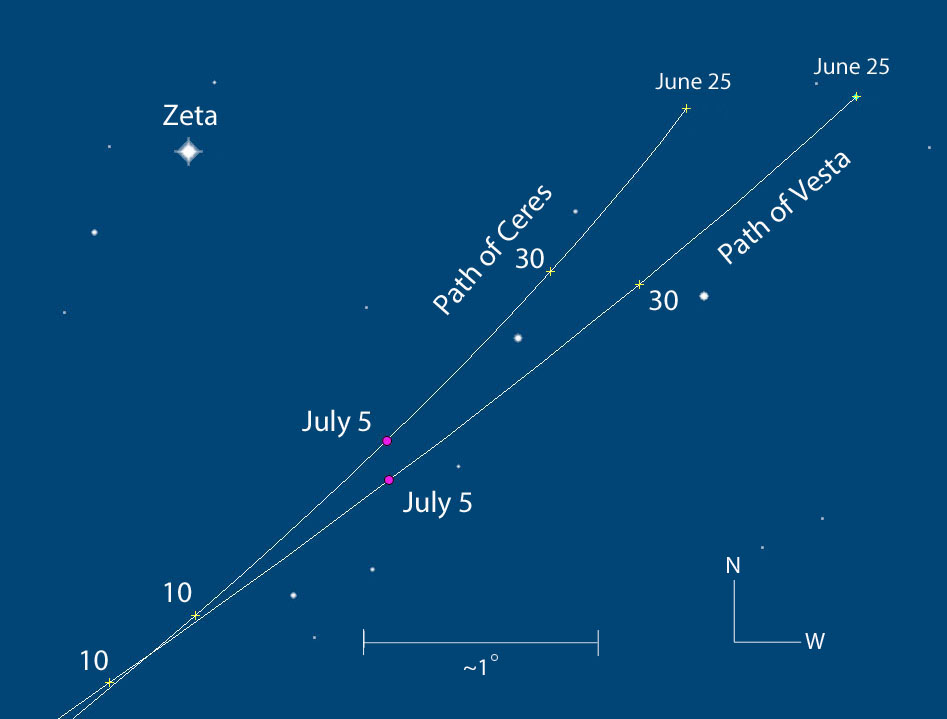
Two asteroids approach in the night

Map showing Ceres and Vesta as they approach each other closely this coming week. Both asteroids are near the easy-to-find star Zeta in Virgo not far from bright Mars. Although the asteroids appear very close together in the sky, they’re really about 51 million miles apart with Vesta in the foreground. (Credit: Chris Marriott’s SkyMap)
Two asteroids approach in the night / See Saturn’s elusive moon Iapetus – See more at: http://astrobob.areavoices.com/2014/06/28/two-asteroids-approach-in-the-night-see-saturns-elusive-moon-iapetus/#sthash.LxdFQzDm.dpuf
via astrobob


Novel Technique to Measure Quantum-Optical Effect in Light from the Sun

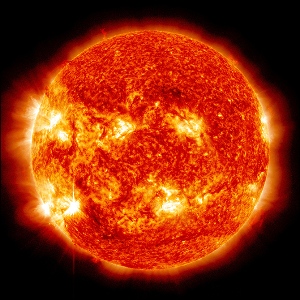
By filtering light from the sun, CQT researchers have made a strong detection of a quantum effect known as 'photon bunching' in its light. This is a hallmark of the sun radiating like a black body. (Credit: NASA/SDO)
By filtering light from the sun, CQT researchers have made a strong detection of a quantum effect known as ‘photon bunching’ in its light. This is a hallmark of the sun radiating like a black body. (Credit: NASA/SDO)
via azoquantum


Researchers detect tiniest of force ever measured

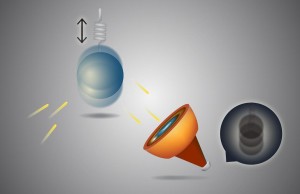
Mechanical oscillators translate an applied force into measureable mechanical motion. The Standard Quantum Limit is imposed by the Heisenberg uncertainty principle, in which the measurement itself perturbs the motion of the oscillator, a phenomenon known as “quantum back-action.” (Credit: Kevin Gutowski)
Mechanical oscillators translate an applied force into measurable mechanical motion. The Standard Quantum Limit is imposed by the Heisenberg uncertainty principle, in which the measurement itself perturbs the motion of the oscillator, a phenomenon known as “quantum back-action.” (Credit: Kevin Gutowski)
via newscenter


Orion EFT-1 Work Progressing Toward Dec. 4 Launch Attempt

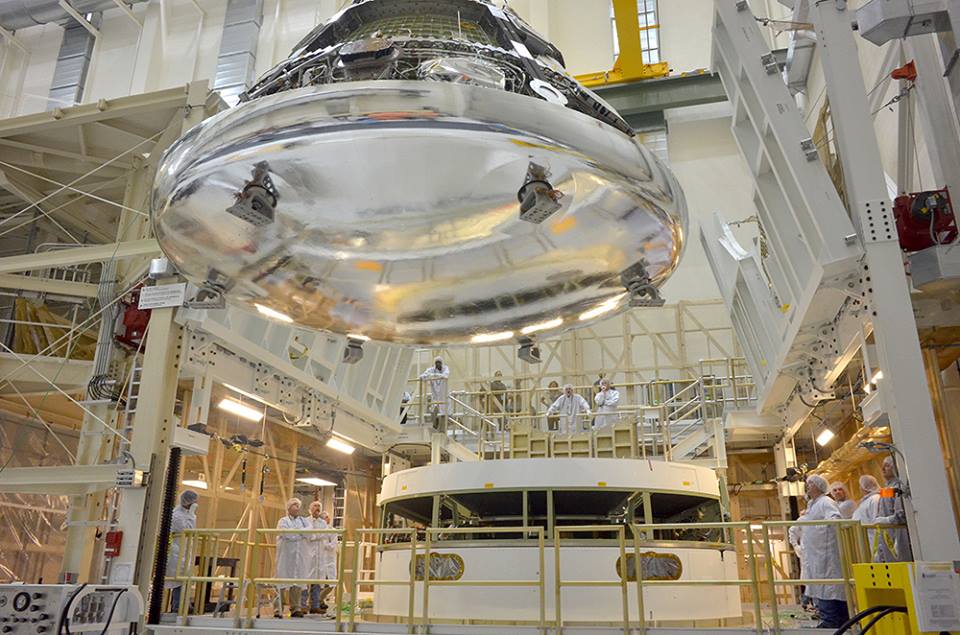
Orion, seen here with its heat shield installed, being maneuvered for stacking on the spacecraft’s service module at KSC earlier this month. (Credit: NASA)
via americaspace

Physics in the News

Sunday, June 29, 2014

Gravity is Driving Growth of the Universe

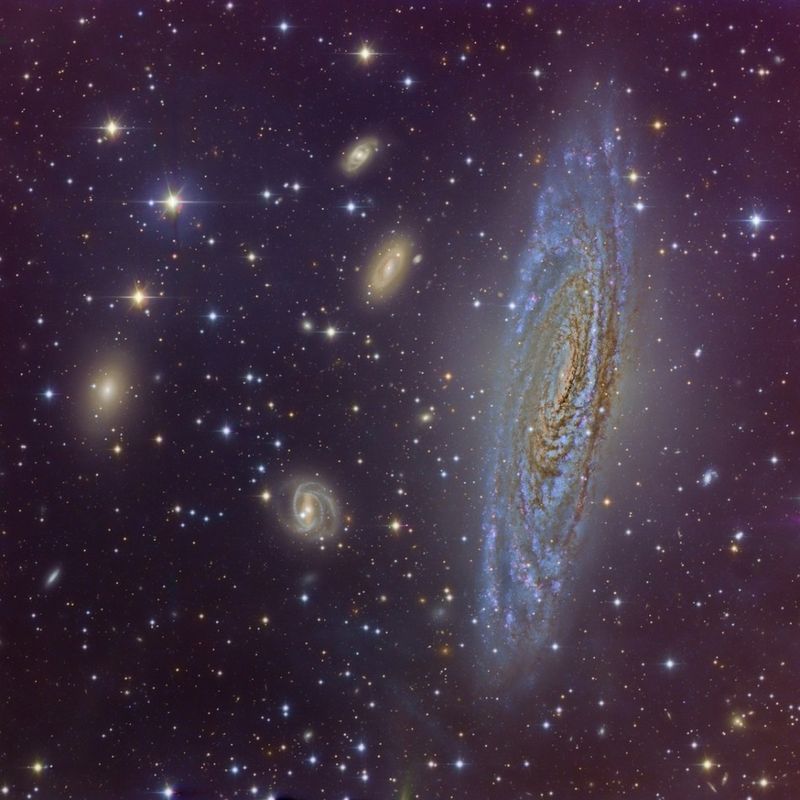
Astronomers Confirm from 600,000 Galaxies

via dailygalaxy


The Grandfather Paradox

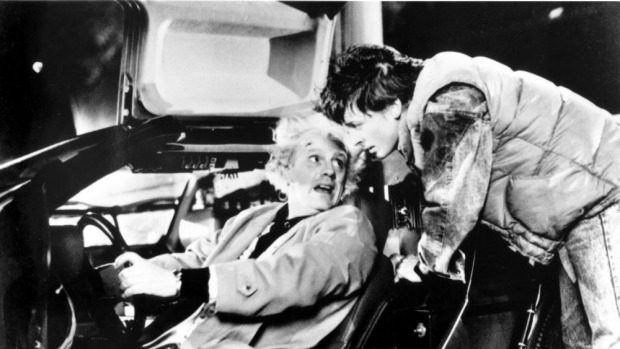
The "grandfather paradox": Time travel raises the spectrum of possibly changing life events. Photo: Universal Studios
The “grandfather paradox”: Time travel raises the spectrum of possibly changing life events. Photo: Universal Studios
via smh.com
 

NASA ‘flying saucer’ Success: A better way to land on Mars?

via theguardian


NASA’s Robot Astronaut Inspiring Tech Advances Here on Earth

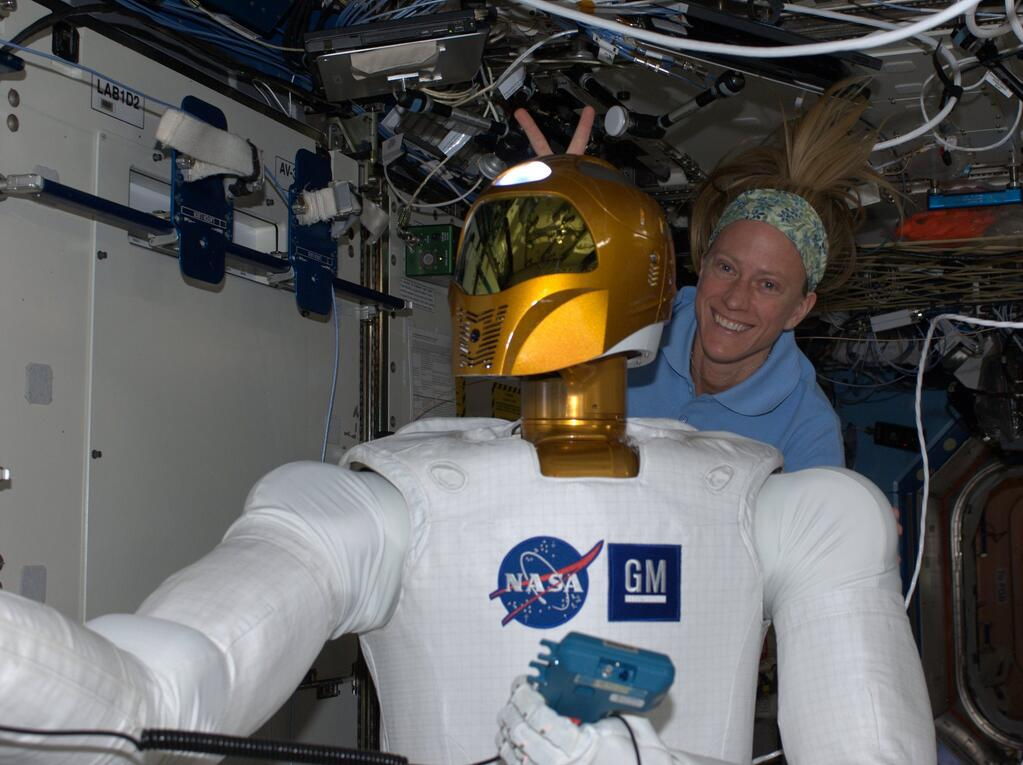
Aboard the International Space Station, astronaut Karen Nyberg indulges in a moment of levity with Robonaut 2. Image tweeted on June 28, 2013.

via .space.com


The Most Mathematically Perfect Day of the Year

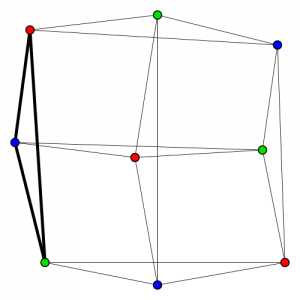
The Paley graph of order 9 is a perfect graph, making it an appropriate object of veneration and study on June 28, a perfect day. Image: David Eppstein. (Credit: Wikimedia)
via scientificamerican
 

Delving into Dark Matter

Theory says there may be disk of it at center of galaxy. (Credit: Shutterstock)
Theory says there may be disk of it at center of galaxy.
via theepochtimes