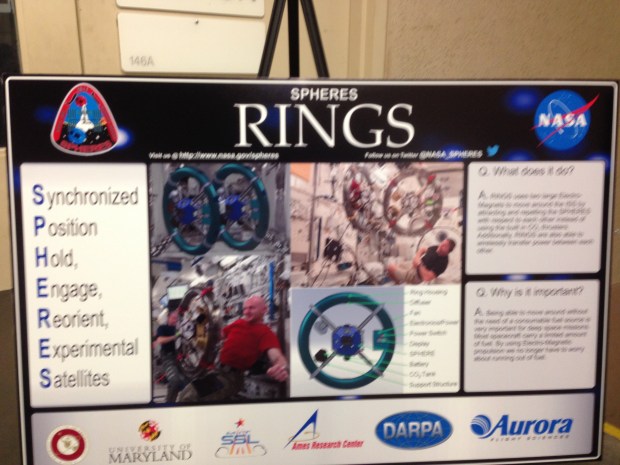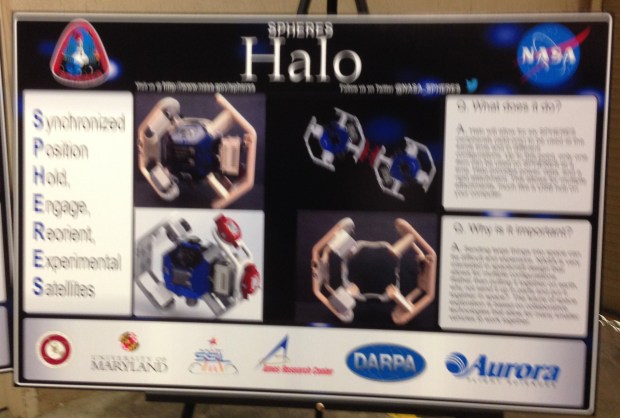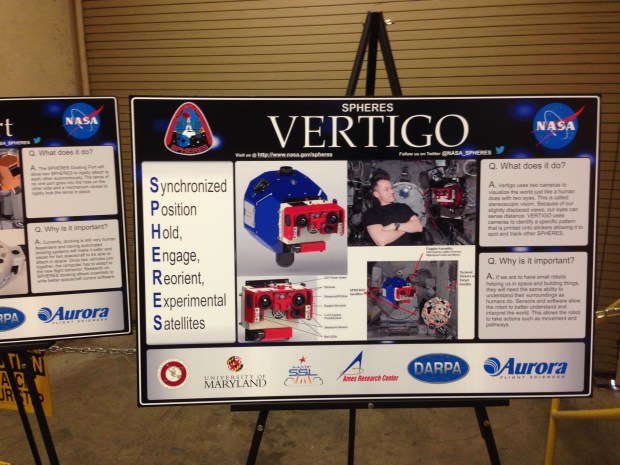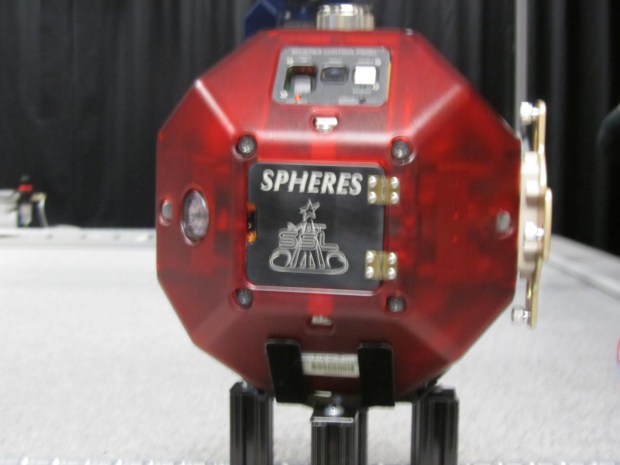
NASA AMES 75th Anniversay Open House (Video & Pics)

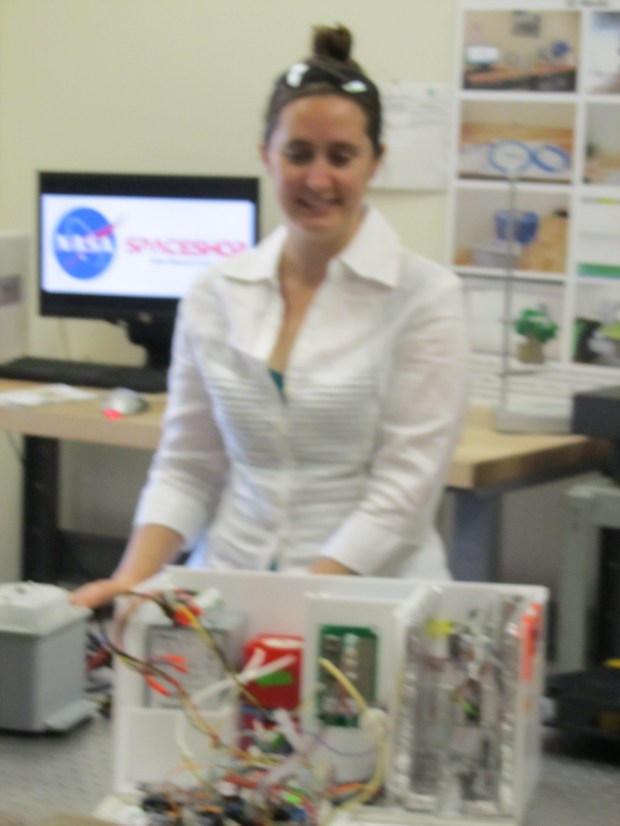
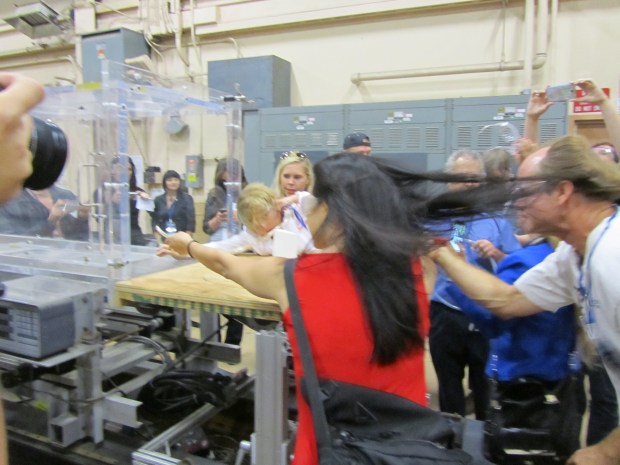
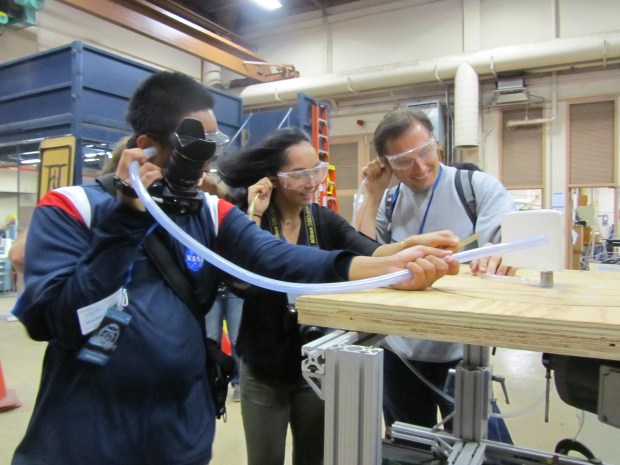
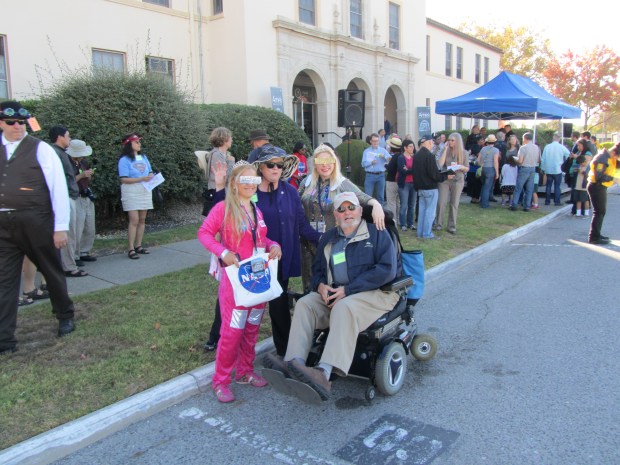
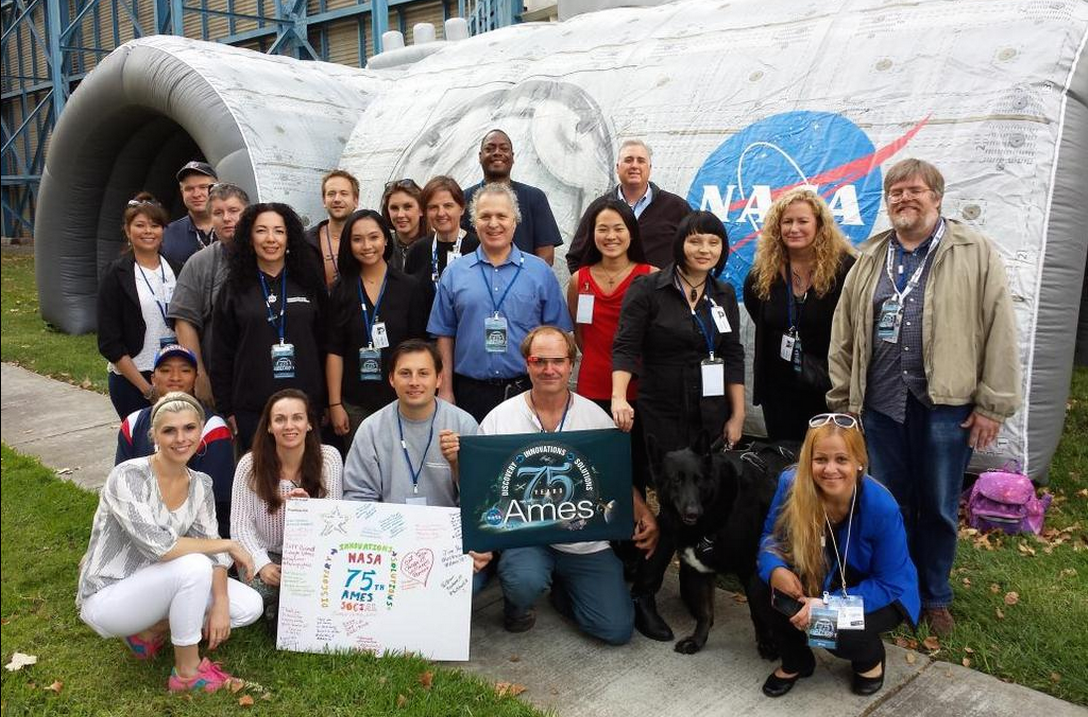
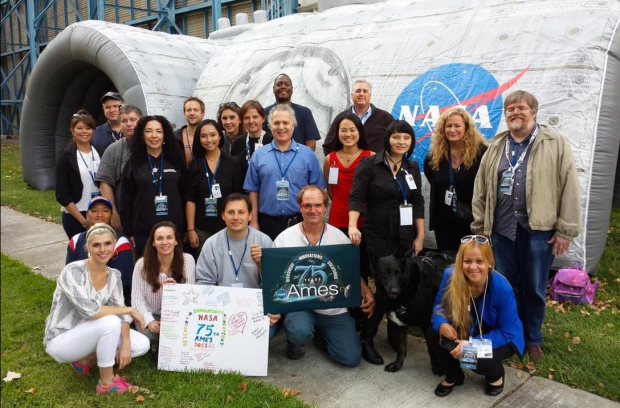
SASTPC would like to express sincere gratitude to the NASA Ames Research Center for their social media event invitation.  Everyone was incredibly friendly and knowledgeable.  Special thanks to Maria Alberty (ARC-JAC), Michele Johnson, and James Schwab for organizing an exciting, fun, science filled day!  A big thank you to Sylvia Murray (NASA Exchange Lodge Manager) and staff for making the stay easy and enjoyable.  SASTPC would also like to thank and recognize our new incredible social media family — A lovely, diverse, and talented group of social media user!

Follow them on twitter:
https://twitter.com/mariajalberty
https://twitter.com/JoeCLucas
https://twitter.com/jotulloch – https://www.flickr.com/photos/jotulloch/sets/72157648446804079/
https://twitter.com/BRBonowicz
https://twitter.com/StephEvz43
https://twitter.com/ChrisShut
https://twitter.com/dwalker_l
https://twitter.com/PaulBrownCA
https://twitter.com/madscienceskill
https://twitter.com/DawnGirocco
https://twitter.com/OmoNsasi
https://twitter.com/astrosociology
https://twitter.com/ChrisAstro
https://twitter.com/dothewww
https://twitter.com/Pillownaut

Thank You!
Screen Shot 2014-10-18 at 9.07.19 PMIMG_2170IMG_2158IMG_1597 IMG_1605 IMG_1611        IMG_1616 IMG_1621IMG_1617  IMG_1622 IMG_1625 IMG_1630  IMG_1642  IMG_1658 IMG_1660 IMG_1664 IMG_1645IMG_2246IMG_1671 IMG_1673

IMG_2244 IMG_1632 IMG_1675IMG_1736IMG_1678IMG_2221IMG_2211 IMG_2213 IMG_2214   IMG_2220IMG_1685 IMG_1687 IMG_1692 IMG_1694 IMG_1701 IMG_1704 IMG_1706 IMG_1716 IMG_1717 IMG_2249IMG_1728     IMG_1709IMG_1766   IMG_1741IMG_2423IMG_2348IMG_2360IMG_175475th

NASA’s Ames Research Center 75th Anniversary Open House

75th

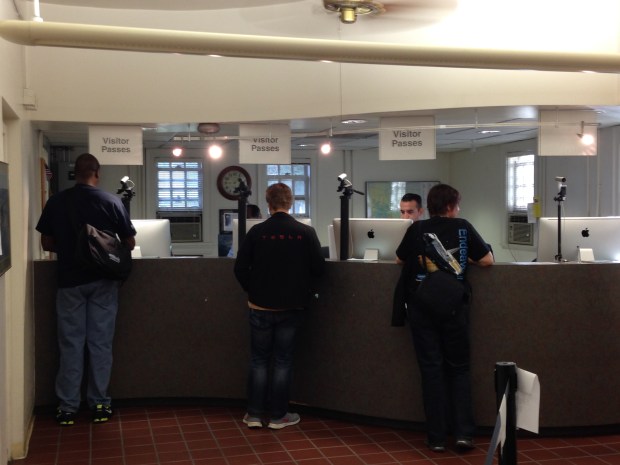
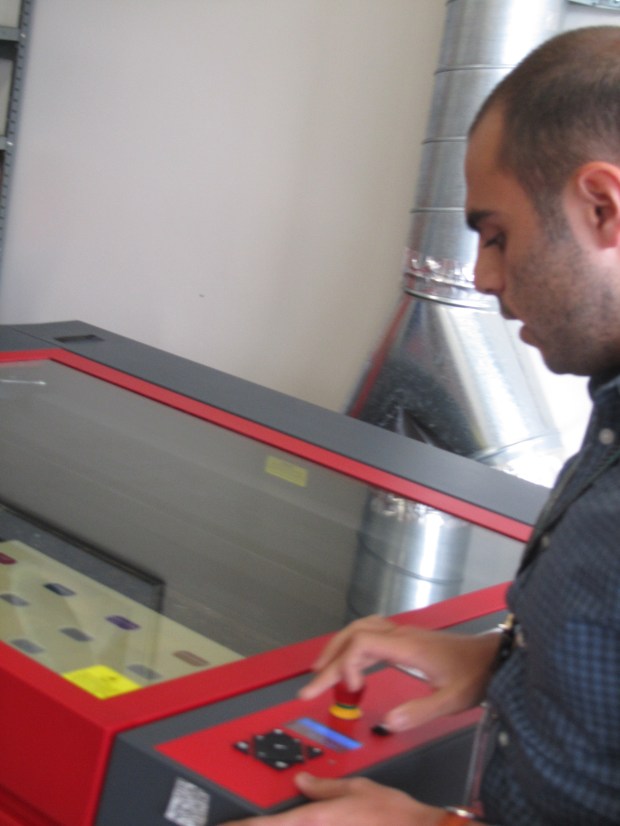
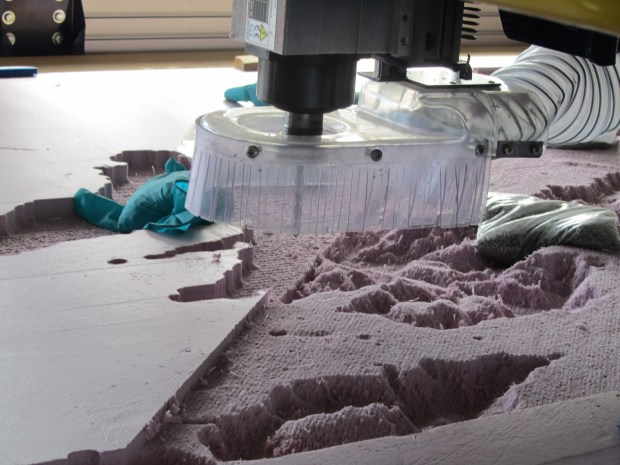
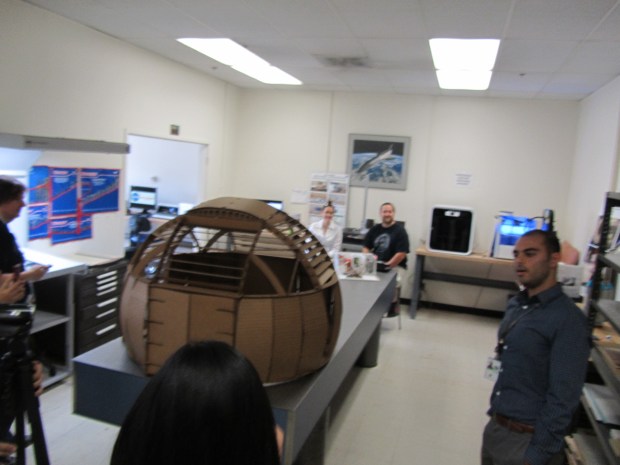
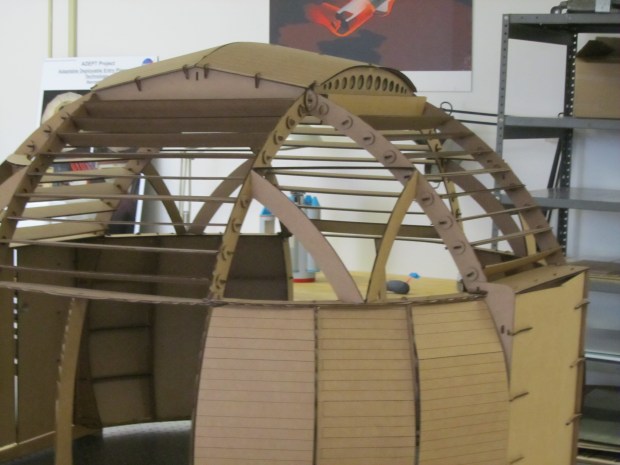
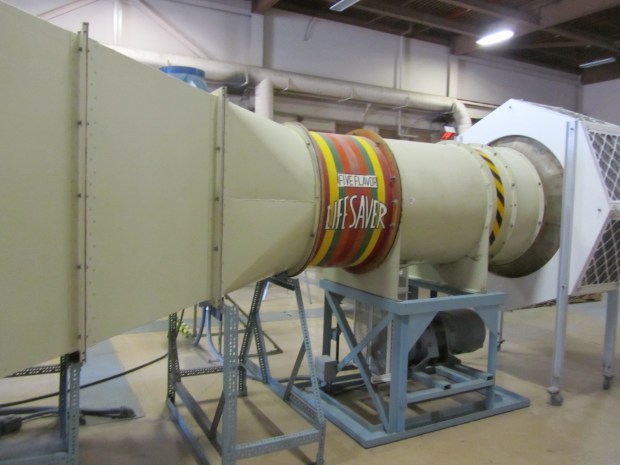
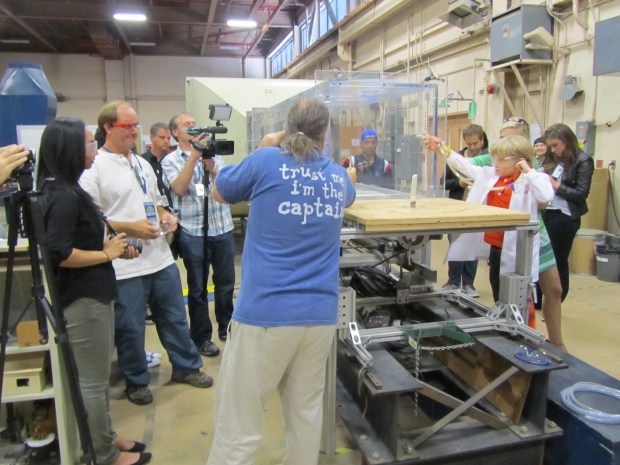
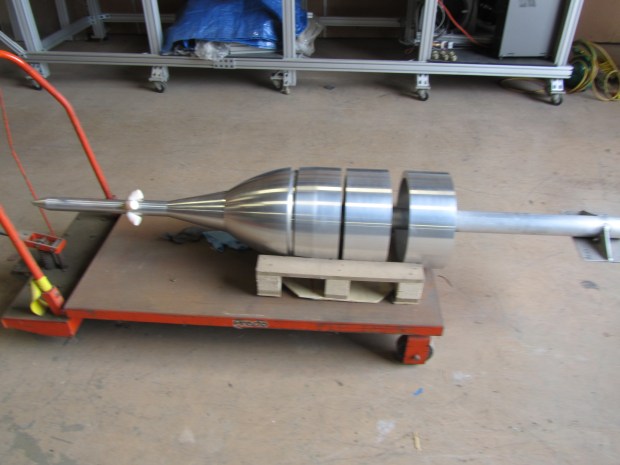
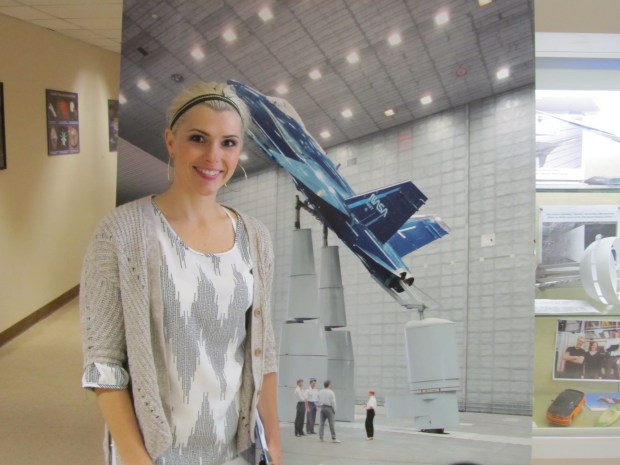
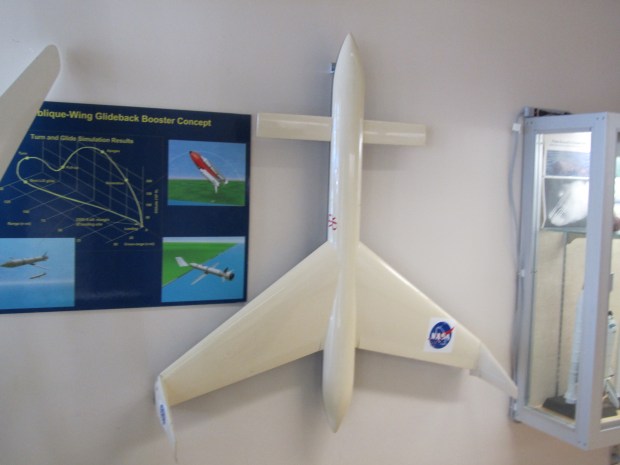
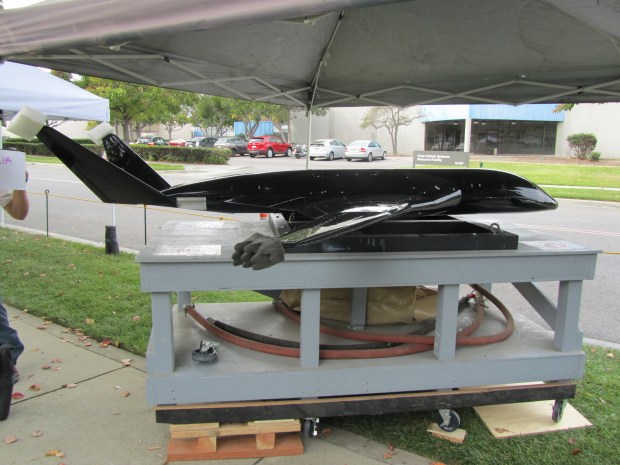
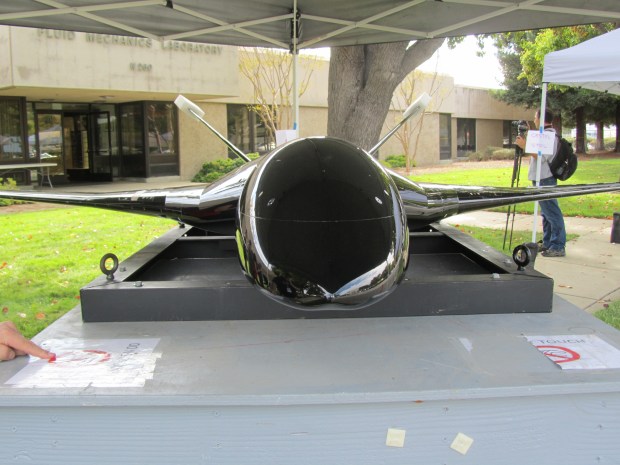
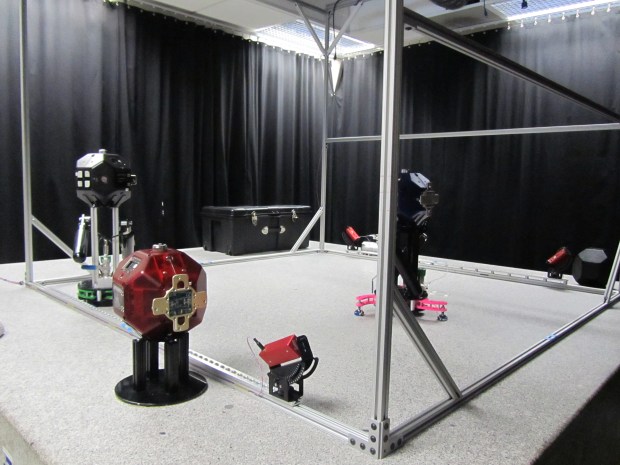
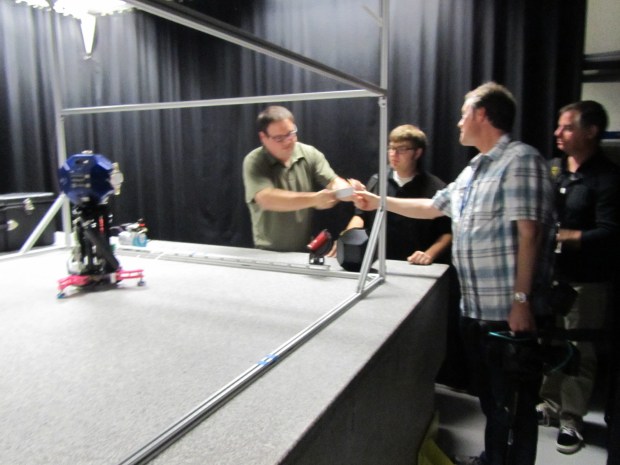
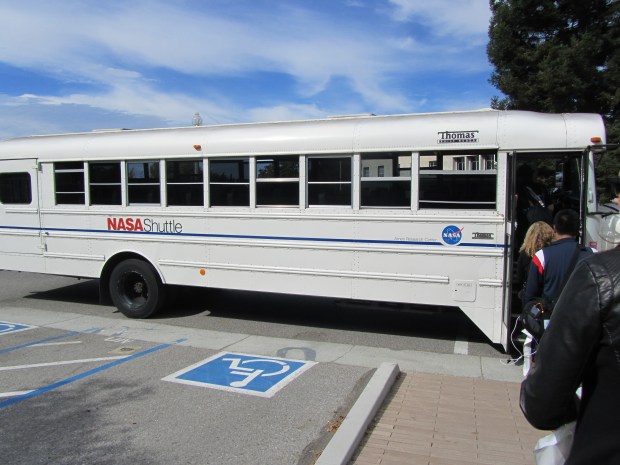
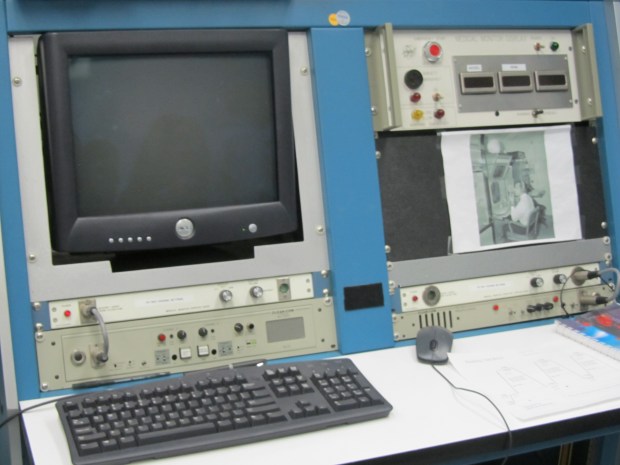
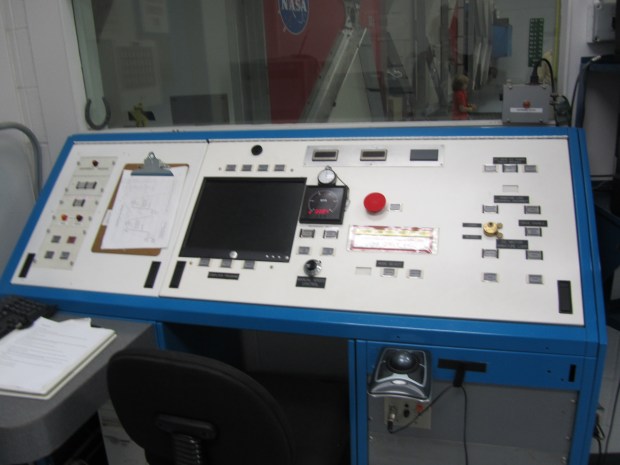
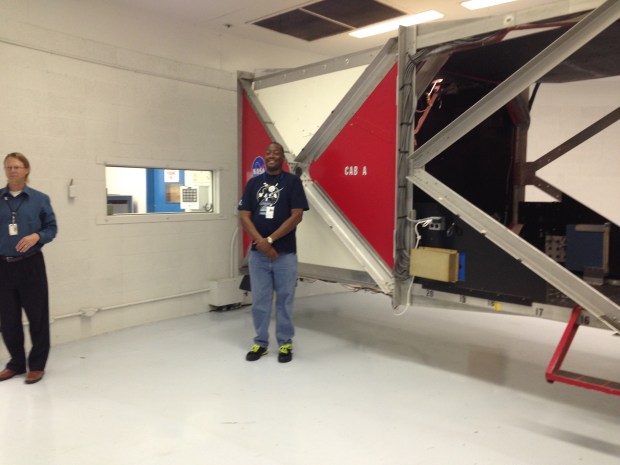
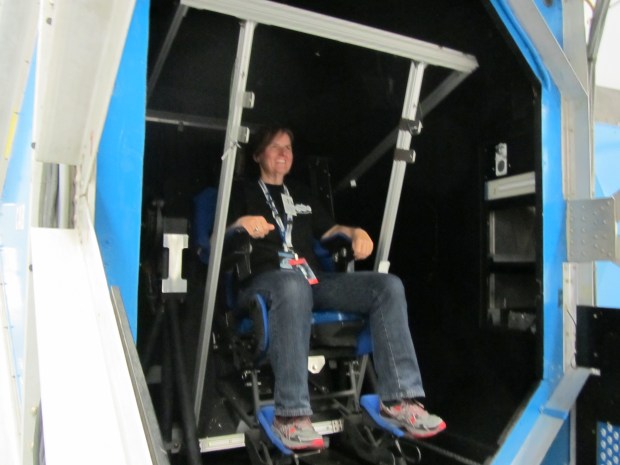
We are very pleased to announce that SASTPC received one of 25 social media invitations to participate in the NASA/AMES 75th Year Anniversary Open House on October 17th and 18th. SASTPC will be gaining early access to view the preparation of the Ames campus that will host more than 120,000 guests, and also be able to speak with NASA scientists and engineers. We are very grateful to NASA for this wonderful opportunity!
Thank you so much for your support! We couldn’t have done it without your interest in science. We hope to spark your curiosity now and in the near future!

http://www.mountainview.gov/news/displaynews.asp?NewsID=912&TargetID=1

Physics in the News

Saturday, October 11, 2014

Leaky galaxies lead researchers to better understand the universe

 This is Sanchayeeta Borthakur, assistant research scientist in the Department of Physics and Astronomy at the Johns Hopkins University. (Photo Credit: JHU)
Sanchayeeta Borthakur, an assistant research scientist in the Department of Physics and Astronomy in the university’s Krieger School of Arts and Sciences, reports in a paper published online Oct. 9 in the journal Science that an indicator used for studying star-forming galaxies that leak radiation is an effective measurement tool for other scientists to use. (Credit: JHU)
via sciencecodex

L.A. Museum Adds the Last Payload to Shuttle Endeavour

141010-shuttle_c92e33917bf64aaa38d9790b47f34c7f.nbcnews-ux-1240-800
During an event titled “Go for Payload,” the California Science Center in Los Angeles hoisted a Spacehab module into the open hold of the retired space shuttle Endeavour. The logistics module’s addition, together with several other real and replica parts, marked a major milestone towards the center’s plans to display the NASA winged orbiter in a vertical, launch-ready configuration. (Pearlman, CollectSpace.com)
via nbcnews

Topological defects in the fabric of space and time

A cosmic string is a very long (possibly as long as the diameter of the visible universe), very thin (less than the width of a proton) high-density object formed during the early moments of the big bang. (Credit: Stae Trek,  Paramount Pictures)
A cosmic string is a very long (possibly as long as the diameter of the visible universe), very thin (less than the width of a proton) high-density object formed during the early moments of the big bang. (Credit: Stae Trek, Paramount Pictures)
via phys.org

The Moon and the Oh-My-God Particle

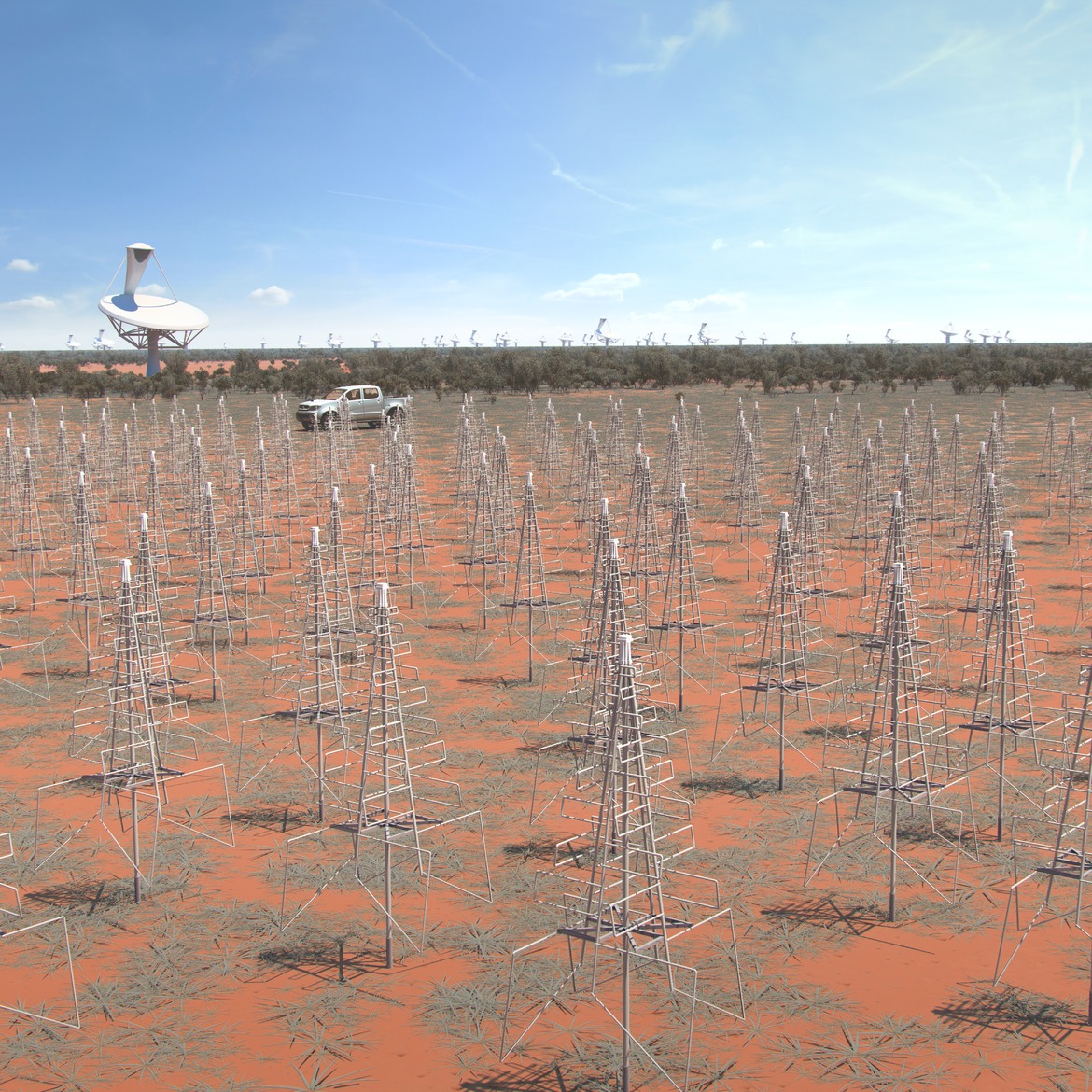
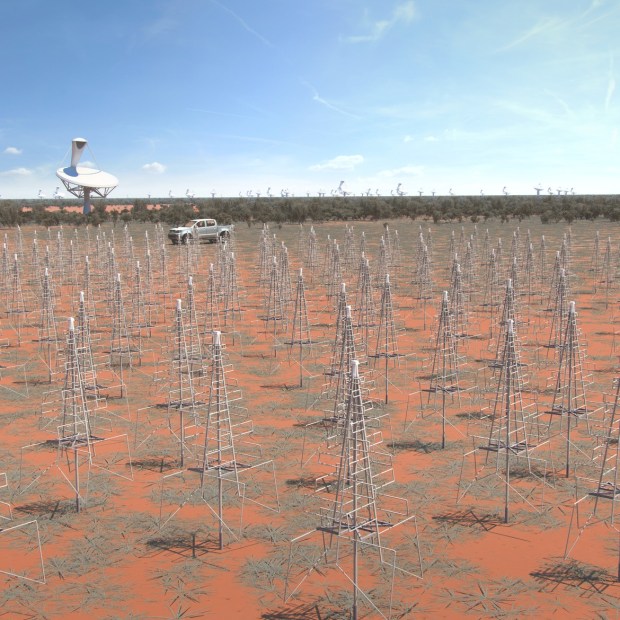
Close up artist rendition. Image of the Australian SKA LFAA (Low Frequency Aperture Array) instrument. These dipole antenna which will number in their hundreds of thousands will survey the radio sky in frequencies as low at 50Mhz (Credit: SKA Organisation)
via popularmechanics

On the front lines of the Higgs boson search

Prof. Butterworth, leading physicist on the ATLAS experiment at CERN and head of physics and astronomy at University College London, said the two colliding proton beams at CERN were the highest energy particle beams ever used in a laboratory. In order for the high momentum beams to be bent into a circle, its curvature had to be gentle enough for superconducting magnets to be able to control the beams. (Credit: hep.ucl.ac.uk/~jmb/publications)
Prof. Butterworth, leading physicist on the ATLAS experiment at CERN and head of physics and astronomy at University College London, said the two colliding proton beams at CERN were the highest energy particle beams ever used in a laboratory. (Credit: hep.ucl.ac.uk/~jmb/publications)
via phys.org

Peering backward to the big bang with the CTC and COSMOS

(NASA, Shellard,)
Recent analysis of CMB observations confirm predictions that a period of enormously fast exponential expansion, which cosmologists call inflation, occurred in the early universe. During inflation, very small changes, or quantum fluctuations, were imprinted into the fabric of space-time. (NASA, Shellard,)
via hpcwire

Answers to questions posed by cosmology to philosophy

 the philosophy of cosmology. He commented that the field is not well formulated yet, and proposed that one way to build a sound foundation for the field would be to identify the key questions worthy of its attention. Carroll nominated 10 such questions. Credit: Carroll)
Sean Caroll purposes 10 questions regarding the ‘not well formulated’ Philosophy of Cosmology. (Credit: Carroll)
via sciencenews

Getting sharp images from dull detectors

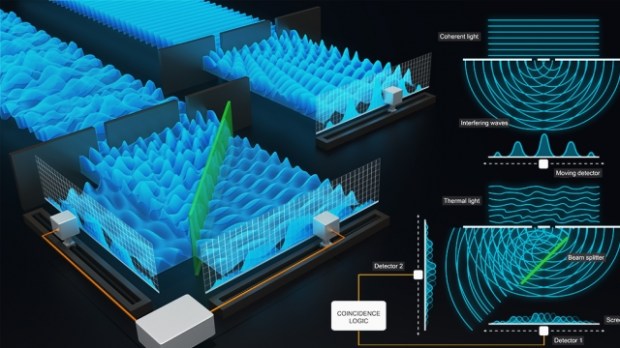
Coherent light passes through a pair of slits (top center).  The two resulting concentric trains of waves will interfere, resulting in a fixed pattern when measured by a detector (top right).  Non-coherent thermal light passes through slits and meets with a beam splitter (green plane), which reflects half the waves toward one detector and the other half toward a second detector (lower left).  Each of the detectors records a temporary interference pattern (lower right).  (Credit: JQI/Kelley )
Coherent light passes through a pair of slits (top center). The two resulting concentric trains of waves will interfere, resulting in a fixed pattern when measured by a detector (top right). Non-coherent thermal light passes through slits and meets with a beam splitter (green plane), which reflects half the waves toward one detector and the other half toward a second detector (lower left). Each of the detectors records a temporary interference pattern (lower right). (Credit: JQI/Kelley )
via umd

NASA: More spacewalks for ISS crew

via floridatoday

This Week’s Sky at a Glance, October 10 – 18

The waning Moon and Orion tip to the southwest as dawn brightens. (The Moon in these scenes is always shown three times its actual apparent size.. (Credit: Sky and Telescope)
via skyandtelescope

Physics in the News

Friday, October 10, 2014

Nearby galaxy might explain what tore apart universe’s hydrogen

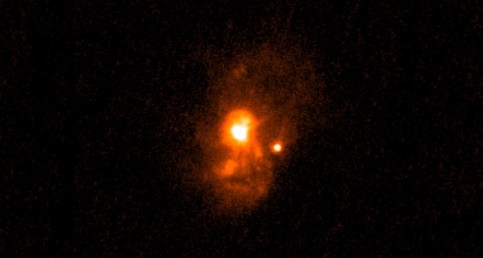
Ultraviolet light (orange) pours out of a galaxy in this image from NASA’s GALEX satellite. New Hubble observations reveal this galaxy might mimic the earliest galaxies in the universe. (Credit: NASA; ESA; R. Overzier/ON/MCT; T. Heckman/JH)
via sciencenews

A comet is about to come very close to Mars, and NASA is ready

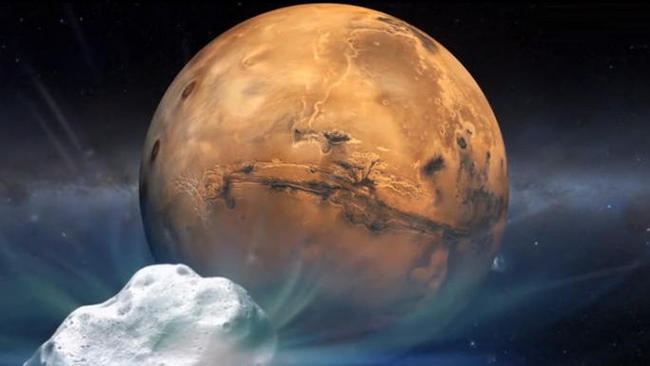
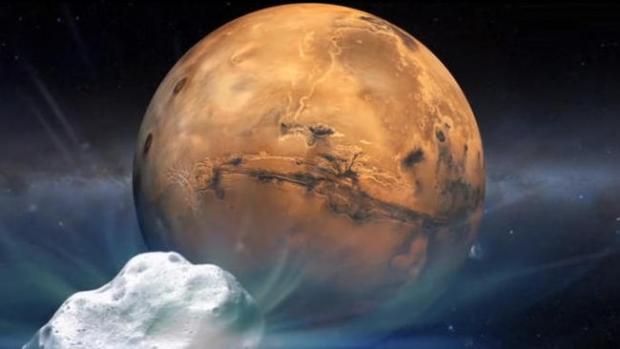
An artist's concept shows comet Siding Spring (C/2013 A1) heading toward Mars. (Credit: NASA)
An artist’s concept shows comet Siding Spring (C/2013 A1) heading toward Mars. (Credit: NASA)
via latimes

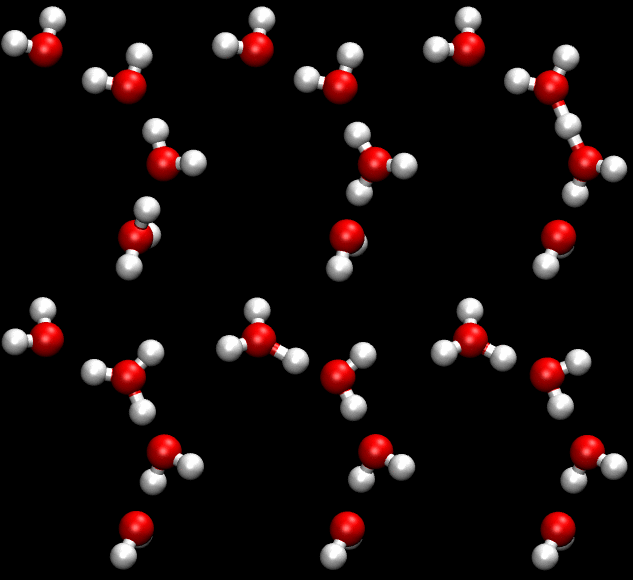
Rare ‘baby rattle’ molecules reveal new quantum properties of H2O and H2

Protons tunnel across a series of hydrogen bonds between hydronium ions and water molecules. (Credit: Wiki)
via sciencedaily

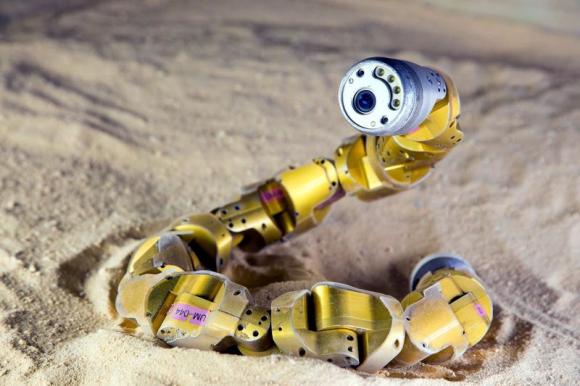
Rattlesnake repertoire boosts snake-like robot’s skills

 Researchers on Thursday said they conducted experiments to learn precisely how sidewinder rattlesnakes are able to climb sandy hills, then applied the reptiles' repertoire to an existing snake robot so it could do the same thing. Credit:  Chaohui Gong., Reuters/Chaohui Gong/Handout via Reuters)

Researchers on Thursday said they conducted experiments to learn precisely how sidewinder rattlesnakes are able to climb sandy hills, then applied the reptiles’ repertoire to an existing snake robot so it could do the same thing. (Credit: Chaohui Gong, Reuters/Chaohui Gong)
via reuters

Physics fundamentals confirmed: Testing Einstein’s time dilation, Quantum Electrodynamics

Results confirm the time dilation predicted for high velocities in the theory of relativity with an accuracy that has never before been achieved. Furthermore, the team provided the first direct proof of a spectral line in highly charged bismuth ions. (Credit: Technische Universität Darmstadt )
via scientificcomputing

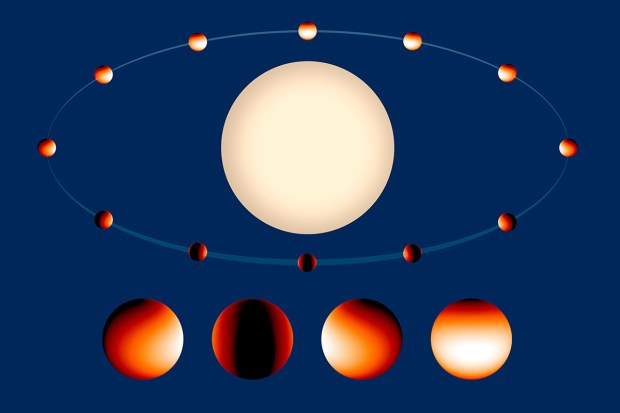
Hubble sees influence of a jetstream on a hot, Jupiter-sized exoplanet

The Hubble Space Telescope has imaged light from a hot Jupiter called WASP-43b, detecting temperature differences between the planet's day and night sides. The results suggest that the planet has an eastward jet stream that redistributes some of the heat from its host star, but otherwise there's very little circulation of heat. (Credit: Hubble, Timmer)
The Hubble Space Telescope has imaged light from a hot Jupiter called WASP-43b, detecting temperature differences between the planet’s day and night sides. The results suggest that the planet has an eastward jet stream that redistributes some of the heat from its host star, but otherwise there’s very little circulation of heat. (Credit: Hubble, Timmer)
via nasa

A brief history of scientists hunting for time travelers

via gizmodo

Making sci-fi teleportation sound less bizarre

If you ever wanted to see a sci-fi plot that expertly applied advanced physical concepts so that with a bit of imagination teleporting a human was not as unbelievable as most of the teleportation scenarios we see in the movies, read this articel.  The above is a Cosmic Treadmill, as it appears in Flash #196. (Credit: Paul Winslade,  Hmmmjenia)
If you ever wanted to see a sci-fi plot that expertly applied advanced physical concepts so that with a bit of imagination teleporting a human was not as unbelievable as most of the teleportation scenarios we see in the movies, read this article. The above is a Cosmic Treadmill, as it appears in Flash #196. (Credit: Paul Winslade, Hmmmjenia)
via quantumfrontiers

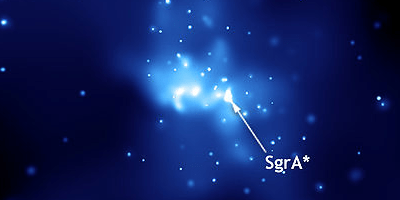
Synopsis: Milky Way’s center stays in the dark (PDF)

Galactic Center Gamma-Ray Excess from Dark Matter Annihilation: Is There a Black Hole Spike? (Credit: NASA)
via aps

New nature journal to highlight spaceflight research

A new  journal, Microgravity, is dedicated to publishing research that uses space exploration and research enabled by spaceflight. It will also publish research utilizing ground-based models of spaceflight. (Credit: NASA, Caspermeyer)
A new journal, Microgravity, is dedicated to publishing research that uses space exploration and research enabled by spaceflight. It will also publish research utilizing ground-based models of spaceflight. (Credit: NASA, Caspermeyer)
via asunews

Physics in the News

Wednesday, October 8, 2014

NuSTAR telescope discovers shockingly bright dead star

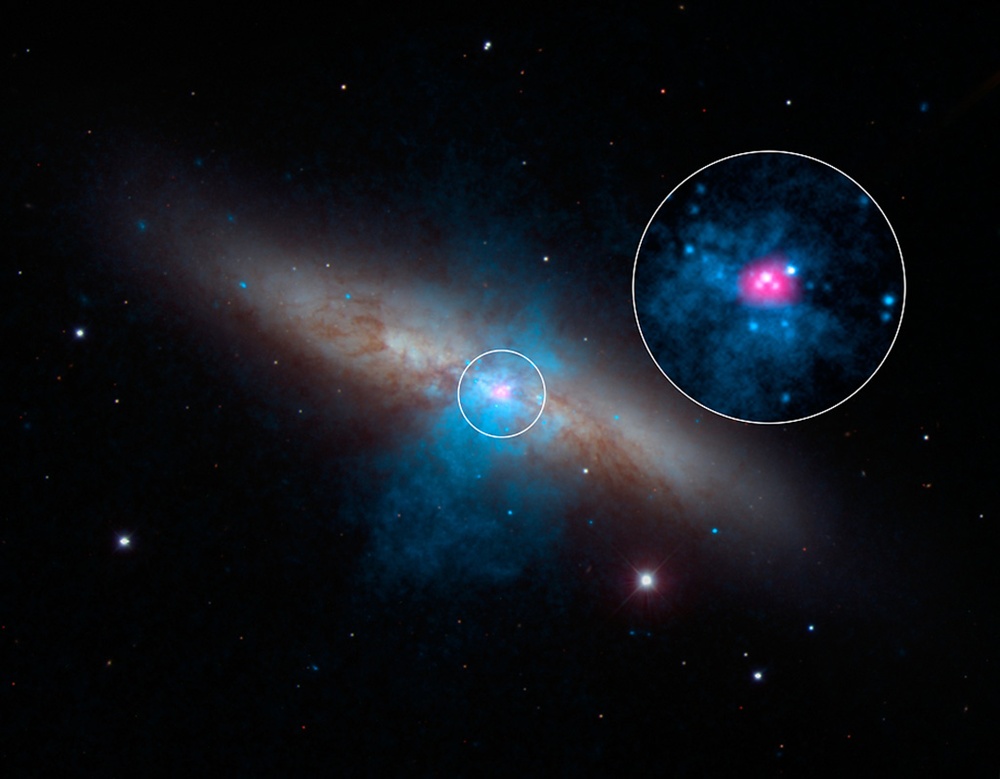
Astronomers have found a pulsating dead star beaming with the energy of about 10 million Suns, which is the brightest pulsar ever recorded..  A rare and mighty pulsar (pink) can be seen at the center of galaxy M82 in this new multi-wavelength portrait. NASA's NuSTAR mission discovered the "pulse" of the pulsar — a type of dead star — using is high-energy X-ray vision.
Astronomers have found a pulsating dead star beaming with the energy of about 10 million Suns, which is the brightest pulsar ever recorded.. A rare and mighty pulsar (pink) can be seen at the center of galaxy M82 in this new multi-wavelength portrait. NASA’s NuSTAR mission discovered the “pulse” of the pulsar — a type of dead star — using is high-energy X-ray vision.
via astronomy

Hypothetical new cosmological model known as Higgsogenesis (PDF)

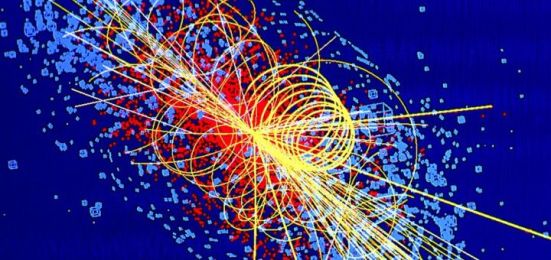
The term Higgsogenesis refers to the first appearance of Higgs particles in the early universe, just as baryogenesis refers to the appearance of baryons (protons and neutrons) in the early moments after the big bang. While baryogenesis is a fairly well understood process, Higgsogenesis is still very hypothetical. (Credit: CERN/Lucas Taylor, Koberlein)
via phys.org

Dark matter half what we thought, say scientists (PDF)

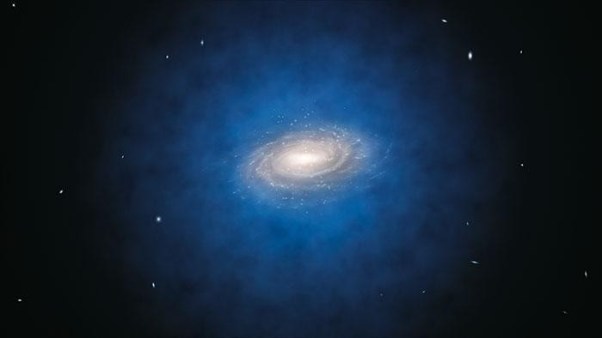
A new measurement of dark matter in the Milky Way has revealed there is half as much of the mysterious substance as previously thought.  The above is an artist's impression of the Milky Way and its dark matter halo (shown in blue, but in reality invisible). Credit: ESO/L. Calçada
A new measurement of dark matter in the Milky Way has revealed there is half as much of the mysterious substance as previously thought. The above is an artist’s impression of the Milky Way and its dark matter halo (shown in blue, but in reality invisible). (Credit: ESO/L. Calçada)
via sciencedaily

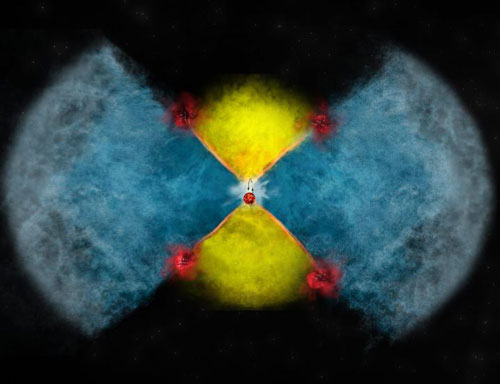
Astronomers see right into heart of exploding star

 (Credit: Bill Saxton, NRAO/AUI/NSF)
An international team of astronomers has been able to see into the heart of an exploding star, by combining data from telescopes that are hundreds or even thousands of kilometres apart. (Credit: Bill Saxton, NRAO/AUI/NSF)
via manchester

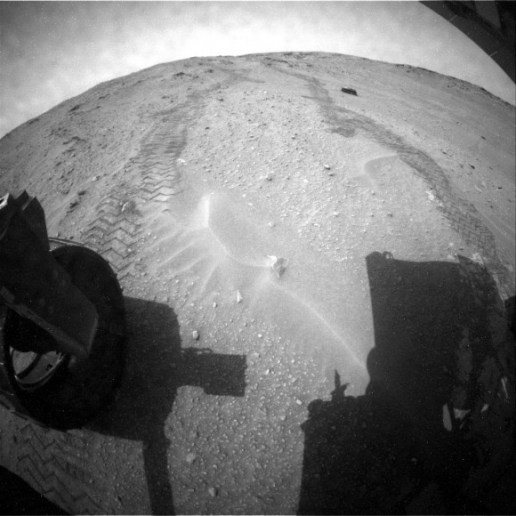
Among the artian hills: Curiosity Rover peers at rocks of Mount Sharp

After a couple of years of racing towards Mount Sharp (Aeolis Mons), now it’s time for the Curiosity rover to get a better look at its Martian surroundings. Rover tracks and Martian sand as seen from the rear hazcam of NASA’s Curiosity rover. (Credit: NASA/JPL-Caltech)
via universetoday

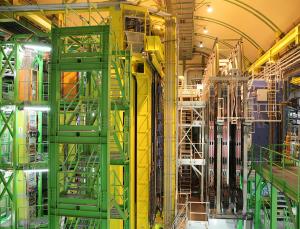
Two new strange and charming particles appear at LHC

Two new particles have been discovered by the LHCb experiment at CERN's Large Hadron Collider near Geneva, Switzerland. One of them has a combination of properties that has never been observed before. : Dave Stock)
Two new particles have been discovered by the LHCb experiment at CERN’s Large Hadron Collider near Geneva, Switzerland. One of them has a combination of properties that has never been observed before. (Credit: Dave Stock)
via newscientist

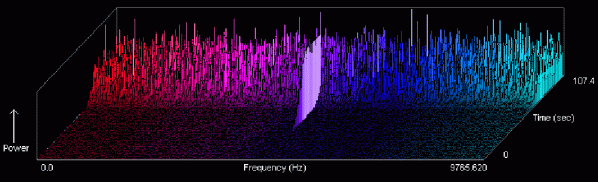
 The cosmic signal that might have changed human civilization

The image above shows a graphic which was produced by the SETI from the data of the Wow signal. A signal (Gaussian, triplet or pulse) arises only in a single narrowband channel. All other channels contain noise. Up to now we do not know cosmic phenomena which would generate such signals. It would seem improbable that they have no artificial origin. The picture shows a computer generated example of a strong Gaussian signal.
via dailygalaxy

World’s longest neutrino beam will explore why the universe still exists

This quirk of subatomics could have huge implications for our understanding of the universe, specifically how the current inequality between matter and antimatter came to be. Answering that could, in turn, provide a better insight as to why reality did not simply blink out of existence immediately after the Big Bang as a universe's worth of matter and antimatter negated one another's existences (
This quirk of subatomics could have huge implications for our understanding of the universe, specifically how the current inequality between matter and antimatter came to be. Answering that could, in turn, provide a better insight as to why reality did not simply blink out of existence immediately after the Big Bang as a universe’s worth of matter and antimatter negated one another’s existences (Credit: Tarantola, Fermilab, )
via gizmodo

What a difference a  neutron makes

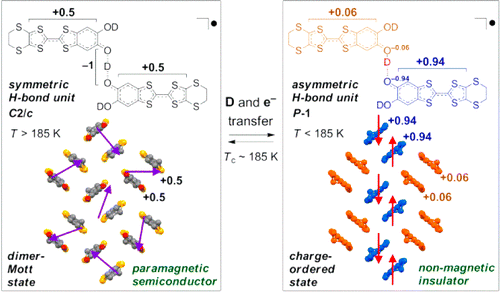
For the first time, scientists have demonstrated that modified hydrogen bonding is sufficient to switch solid-state electronic properties. (Credit: University of Tokyo. ,Tan)
via asianscientist